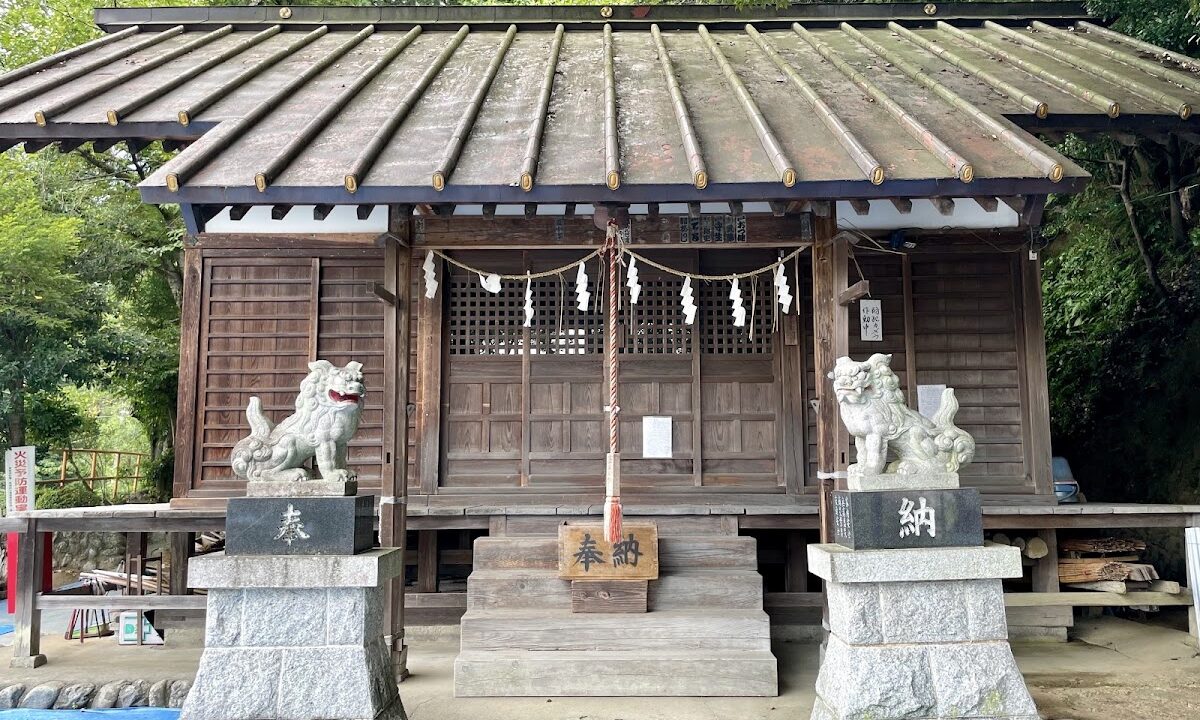
Morooka Shrine (Ome City, Tokyo) Complete Guide | The History of Kumano Gongen and Komyoji Temple, Founded in the Kamakura Period
Morooka Shrine, located in Higashi-Ome, Ome City, Tokyo, is a historical shrine founded during the Kagen era (1303-1308) of the late Kamakura period. It began with the enshrinement of Kumano Sansha Daigongen as a guardian of the adjacent Komyoji Temple, and during the Edo period, it attracted worshippers as Kumano Sansha Gongen. This article comprehensively introduces information you should know before visiting Morooka Shrine, including its detailed history, highlights of the grounds, information on Goshuin (shrine stamps), and access methods.
Overview of Morooka Shrine
Morooka Shrine is located at 6-68 Higashi-Ome, Ome City, Tokyo, and was ranked as a village shrine under the modern shrine ranking system. It is approximately a 7 to 15 minute walk from Higashi-Ome Station on the JR Ome Line, and its grounds extend adjacent to Komyoji Temple.
Basic Information
Location: 6-68 Higashi-Ome, Ome City, Tokyo
Deities Enshrined: Izanami-no-Mikoto, Hayatama-no-O-no-Mikoto, Kotosaka-no-O-no-Mikoto
Former Shrine Rank: Village Shrine
Annual Grand Festival: September 29th
Nearest Station: JR Ome Line Higashi-Ome Station
Parking: Limited space available near Komyoji Temple
The deities enshrined at Morooka Shrine are the three gods known as the Kumano Sansho Gongen. Izanami-no-Mikoto is the goddess of creation in Japanese mythology, while Hayatama-no-O-no-Mikoto and Kotosaka-no-O-no-Mikoto are revered as gods who play important roles in Kumano faith.
Detailed History of Morooka Shrine
Founded in the Late Kamakura Period
The founding of Morooka Shrine dates back to the Kagen era (1303-1308) of the late Kamakura period. This period coincided with the later stages of the Kamakura Shogunate, when the Hojo clan held real power as regents. It is believed that Morooka Shrine originated when Kumano Sansha Daigongen was enshrined as the guardian deity of Hozozan Komyoji Temple when the temple was founded.
In the medieval period, under the syncretic belief of Shinto and Buddhism, it was common for shrines to be attached to temples to protect them. Morooka Shrine, too, functioned as the guardian deity of Komyoji Temple, a Shingon Buddhist temple, within this historical context.
Connection to Kumano Faith
The Kumano Sansha Daigongen enshrined at Morooka Shrine is a collective term for the three shrines located in Kii Province (present-day Wakayama Prefecture): Kumano Hongu Taisha, Kumano Hayatama Taisha, and Kumano Nachi Taisha. Kumano faith spread throughout Japan from the Heian period to the Middle Ages, attracting so many pilgrims that it was described as “an ant-like pilgrimage to Kumano.”
In the Ome region of Musashi Province, this Kumano faith was also widespread, and Morooka Shrine is thought to have functioned as one of its regional centers. While serving as a guardian of Komyoji Temple, it was also widely revered as an object of faith by the local residents.
Kumano Sansha Gongen in the Edo Period
During the Edo period, Morooka Shrine was known as “Kumano Sansha Gongen.” During this period, the shrine had a close relationship with Komyoji Temple and retained a strong form of syncretism between Shinto and Buddhism. The religious structure common at the time was maintained, with monks from Komyoji Temple, the temple in charge of the shrine, also participating in the shrine’s rituals.
Edo period geographical records and documents also mention it as Kumano Sansha Gongen, confirming its function as a local guardian shrine. In the Higashi-Ome area, which developed as a post town along the Ome Kaido road, Morooka Shrine was one of the spiritual pillars for the residents.
Renaming and Changes After the Meiji Restoration
After the Meiji Restoration, when the Meiji government issued the Shinto-Buddhist Separation Order, shrines throughout the country were forced to undergo major changes. Morooka Shrine was no exception, and in 1869 (Meiji 2), it was renamed from Kumano Sansha Gongen to “Morooka Shrine.”
This renaming led to a formal separation from Komyoji Temple, establishing it as an independent shrine. In 1873 (Meiji 6), it was ranked as a village shrine, clarifying its position within the modern shrine ranking system.
The History of Morooka Shrine According to the Shinpen Musashi Fudoki-ko
The Shinpen Musashi Fudoki-ko, compiled in the late Edo period, is an important historical document as a geographical record of Musashi Province. It contains a description of Morooka Shrine (then known as Kumano Sansha Gongen).
According to the Fudoki-ko, Kumano Sansha Gongen was enshrined within the grounds of Komyoji Temple and functioned as the temple’s guardian deity. Komyoji Temple served as the head priest, exhibiting a typical form of Shinto-Buddhist syncretism. It also played a role as a local guardian shrine, suggesting it was revered by the villagers.
The History of Morooka Shrine According to the Tokyo Shrine Directory
The Tokyo Shrine Directory is an important document compiling detailed information on shrines within Tokyo. It contains the following description of Morooka Shrine:
The shrine’s founding dates back to the Kagen era (1303-1308), when the Kumano Sansha Daigongen deities were invited to protect the temple gates during the founding of Hozozan Komyoji Temple. The enshrined deities are Izanami-no-Mikoto, Hayatama-no-O-no-Mikoto, and Kotoshika-no-O-no-Mikoto.
In 1869 (Meiji 2), the shrine was renamed Morooka Shrine, and in 1873 (Meiji 6), it was designated a village shrine. The annual festival is recorded as being held on September 29th, and this date is still observed today.
History of Morooka Shrine according to the “Ome City History”
The “Ome City History,” compiled by Ome City, contains a detailed description of Morooka Shrine within the historical context of the region. According to the city history, Morooka Shrine has been deeply connected to the local community from the medieval period to the modern era as an important place of worship in the Higashi-Ome area.
Regarding its relationship with Komyoji Temple, it is emphasized that it functioned not merely as a guardian of the temple gates, but as a religious center of the region. During the Edo period, it served as a center of Kumano faith and a local guardian shrine, deeply intertwined with the lives of the residents.
Even after becoming an independent shrine following the separation of Shinto and Buddhism in the Meiji era, it continues to play a central role in local traditional events and festivals. It is also one of the shrines whose historical value is recognized by the cultural property administration of Ome City.
Highlights of the Shrine Grounds
Relationship with Komyoji Temple
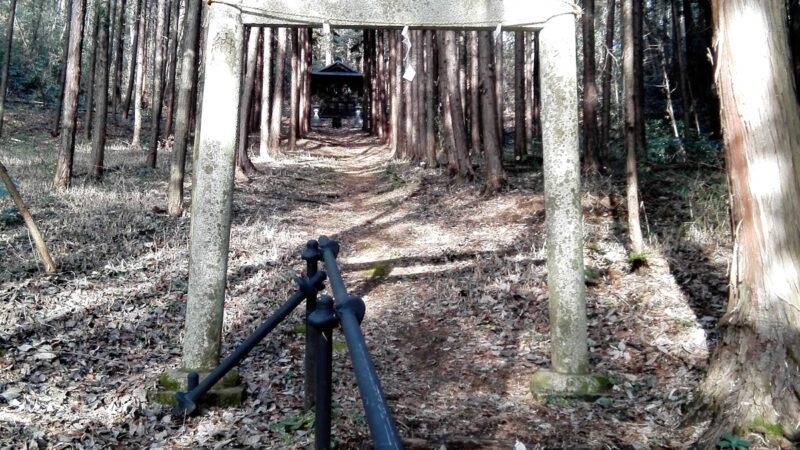
When visiting Morooka Shrine, the first thing you’ll notice is the adjacent Komyoji Temple. Stone steps and a torii gate are located beside Komyoji Temple, and the grounds of Morooka Shrine spread out at the top of these steps. This arrangement reflects the historical circumstances of the shrine’s founding as a guardian of Komyoji Temple.
Komyoji Temple is a Shingon sect Buzan school temple, also known as Hozozan. It is believed to have been founded around the same time as Morooka Shrine, and the two have remained adjacent for over 700 years. Visiting both Komyoji Temple and Morooka Shrine allows you to experience the history of Shinto-Buddhist syncretism.
Stone Steps and Torii Gate
The stone steps leading from the side of Komyoji Temple serve as the approach to Morooka Shrine. Climbing these steps allows you to feel the transition from everyday life to a sacred realm. Passing through the torii gate and climbing each step, you’ll naturally experience a sense of purification.
The steps are surrounded by lush trees, offering beautiful scenery, especially during the seasons of fresh greenery and autumn leaves. In the increasingly urbanized city of Ome, this is a precious space that maintains a tranquil atmosphere.
The Giant Castanopsis Tree, a City-Designated Natural Monument
A particularly noteworthy feature within the grounds of Morooka Shrine is the gigantic Castanopsis tree towering beside the main hall. This tree is designated a natural monument of Ome City and is a symbolic presence at Morooka Shrine.
The Castanopsis tree is an evergreen broad-leaved tree that prefers warm climates. This giant tree is estimated to be several hundred years old, a living witness that has watched over the long history of Morooka Shrine. The tree has a thick trunk and its branches and leaves spread out lushly, creating deep shade within the shrine grounds.
This giant tree, designated as a natural monument, is not only of scenic value but also of ecological importance. It holds significant importance from the perspective of green space conservation in urban areas.
Worship Hall and Main Shrine
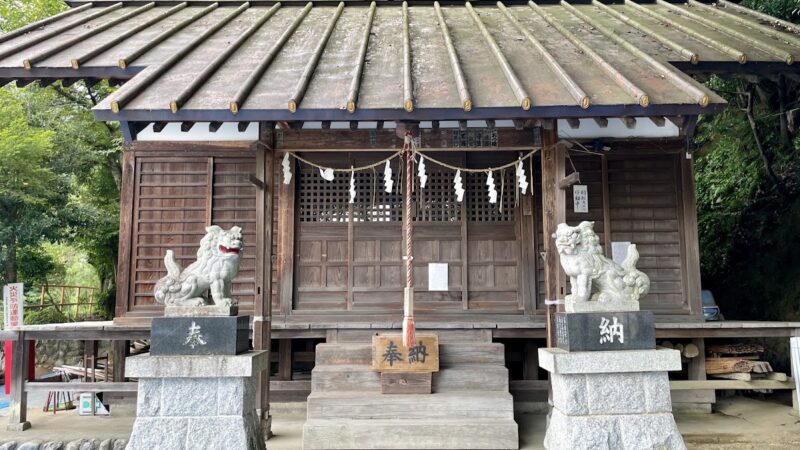
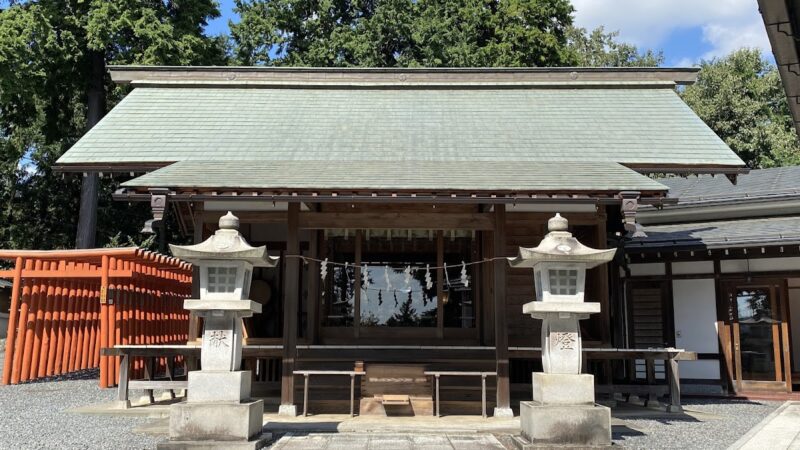
After climbing the stone steps, the worship hall appears directly ahead. The worship hall is where worshippers offer their prayers, and it has a simple yet dignified structure. Behind the worship hall is the main shrine, where the deities Izanami-no-Mikoto, Hayatama-no-O-no-Mikoto, and Kotoshika-no-O-no-Mikoto are enshrined.
The architectural style exhibits characteristics of shrine architecture from the early modern to modern periods, making it an interesting example of the level of carpentry skills in the region. Regular maintenance keeps it in excellent condition.
Goshuin Information
Many visitors are interested in the goshuin (shrine stamp) of Morooka Shrine. The goshuin of Morooka Shrine is available at Chigase Shrine. Chigase Shrine is another shrine within Ome City, and it operates as a combined shrine, managing the goshuin (seal stamps) for multiple shrines.
Those wishing to receive a goshuin are advised to check the reception hours of Chigase Shrine in advance. Since Morooka Shrine itself is often unattended, a planned visit is necessary if your sole purpose is to obtain a goshuin.
The goshuin will bear the shrine’s name, the date of visit, and the shrine’s seal. Bring your goshuincho (seal stamp book) and respectfully request the stamp. Goshuin are not merely stamps; they are sacred proof of worship, so it is important to treat them with respect.
Annual Festival and Regular Events
The annual festival of Morooka Shrine is held every year on September 29th. This is the most important festival for the shrine, a Shinto ritual to express gratitude for the past year and pray for peace in the coming year.
During the festival, solemn rituals such as the recitation of prayers and the offering of sacred branches are performed by the Shinto priests. This festival provides an opportunity for local parishioners and devotees to reaffirm the bond between the shrine and the community. While the specific content and scale of the festival may vary from year to year, the traditional form of the Shinto rituals is preserved.
Besides the annual grand festival, various other rituals are believed to be held throughout the year, including the New Year’s Day festival, the spring harvest festival, and the autumn harvest festival. Through these rituals, the shrine continues to fulfill its role as the spiritual center of the community.
Access Information
Access by Train
To visit Morooka Shrine by train, the nearest station is Higashi-Ome Station on the JR Ome Line. Higashi-Ome Station is one of the main stations on the Ome Line, and rapid and express trains also stop there, making it relatively convenient to access from central Tokyo.
Walking Access from JR Ome Line Higashi-Ome Station:
- Estimated Time: Approximately 7-15 minutes on foot (varies depending on walking speed)
- Distance: Approximately 550 meters
- Route: Exit the station and head towards Ome-kaido Road, aiming for Komyoji Temple. The entrance to Morooka Shrine (stone steps and torii gate) is next to Komyoji Temple.
Higashi-Ome Station has a north and south exit, but it’s more convenient to exit from the north exit to reach Morooka Shrine. The route involves walking along Ome-kaido Road from the station and through a residential area. Since there are few signs along the way, it is recommended to check a map app beforehand.
Bus Access
The nearest bus stop is “Komyoji-shita,” which is approximately a 1-minute walk away. If using the bus, please check the routes of Nishi-Tokyo Bus, etc. However, the number of buses may be limited, so it is recommended to check the timetable beforehand.
Access by Car
If you are visiting by car, the nearest interchange is the Ome Interchange on the Ken-O Expressway (Metropolitan Inter-City Expressway).
Access from Ome IC:
- Distance: Approximately 4.4 kilometers
- Travel time: Approximately 10-15 minutes (depending on traffic conditions)
Regarding parking, there is only a small amount of space near Komyoji Temple, and there is no dedicated large parking lot. Street parking will inconvenience local residents, so please avoid it. We recommend using coin-operated parking lots or considering access by public transportation.
Landmarks in the Area
The landmark for finding Morooka Shrine is Komyoji Temple. Komyoji Temple is a relatively large temple and can be seen from Ome Kaido Road. Once you find Komyoji Temple, there are stone steps and a torii gate next to it; this is the entrance to Morooka Shrine.
Nearby Attractions
Komyoji Temple
Komyoji Temple, adjacent to Morooka Shrine, is a Shingon sect Buzan school temple, and its name is Hozozan. Komyoji Temple is a temple with a long history, believed to have been founded during the Kagen era, around the same time as Morooka Shrine. It boasts a well-maintained complex of buildings, including the main hall and living quarters, and its tranquil grounds are ideal for worship and strolling.
Komyoji Temple may house cultural artifacts and historical Buddhist statues, making it worthwhile for those interested in Buddhist art. When visiting Morooka Shrine, be sure to also stop by Komyoji Temple.
Other Shrines and Temples in Ome City
Besides Morooka Shrine, Ome City is dotted with many other historical shrines and temples.
Sumiyoshi Shrine: A historic shrine known as the guardian shrine of Ome, and the stage for the Ome Grand Festival.
Chigase Shrine: A historical shrine that manages the Goshuin (seal stamps) of Morooka Shrine.
Shiofune Kannon-ji Temple: A historic Shingon Buddhist temple famous for its azaleas, and it houses nationally important cultural properties.
Visiting these temples and shrines will allow you to gain a deeper understanding of Ome’s history and culture.
Ome Tourist Spots
Ome City is also a tourist destination known for its Showa-era retro townscape and movie billboards.
Ome Akatsuka Fujio Museum: An art museum exhibiting the works of manga artist Akatsuka Fujio.
Showa Retro Goods Museum: Exhibits nostalgic product packaging from the Showa era.
Mount Mitake: A sacred mountain towering in the western part of Ome City, where Musashi Mitake Shrine is located.
Visiting these tourist spots in conjunction with a visit to Morooka Shrine will enrich your Ome sightseeing experience.
Manners and Etiquette for Visiting Shrines
There are basic manners to observe when visiting a shrine. Please keep the following points in mind when visiting Morooka Shrine.
How to Pass Through the Torii Gate
The torii gate is the entrance to the sacred area. Bow before passing through the torii gate to show respect. The center of the approach to the shrine is considered the path of the gods, so it is considered best to walk along the edges.
Proper Ritual of Purification
If there is a purification fountain, purify your body and mind before praying.
- Take the ladle with your right hand and purify your left hand.
- Switch the ladle to your left hand and purify your right hand.
- Switch the ladle back to your right hand, receive water in your left hand, and rinse your mouth.
- Purify your left hand once more.
- Hold the ladle upright, purify the handle, and return it to its original position.
Proper Ritual of Worship
The general worship ritual at shrines is “two bows, two claps, one bow.”
- Bow deeply twice.
- Clap your hands twice at chest height.
- Finally, bow deeply once.
When worshipping, express your gratitude for everyday blessings, and if you have a wish, pray specifically in your heart.
Behavior on the Shrine Grounds
The shrine grounds are a sacred place. Please refrain from shouting loudly or running around. Photography is generally permitted, but there are areas where photography is prohibited, such as inside the main hall. If unsure, please check or take photos discreetly.
Respect for the natural environment is also important. Please take your trash with you, and be careful not to damage plants or touch the natural monument, the chinquapin tree, too much.
The Charm and Significance of Visiting Morooka Shrine
Morooka Shrine is a valuable shrine that, while accessible from central Tokyo, preserves a history dating back to the Kamakura period. It’s not a large-scale tourist shrine, but precisely because of this, it’s a place where you can quietly contemplate history and find peace of mind.
Historical Value
With a clear founding date of the Kagen era (1303-1308), Morooka Shrine boasts a history of over 700 years and is an important presence in understanding the history of the Ome region. It also embodies the history of Japanese religion, including its relationship with Komyoji Temple, the spread of Kumano faith, and the transition from syncretism of Shinto and Buddhism to the separation of Shinto and Buddhism.
Natural Environment
The shrine grounds retain abundant nature, including the large chinquapin tree designated as a city-designated natural monument. In an increasingly urbanized world, green spaces like this are precious. The opportunity to visit while experiencing the changing seasons is one of the charms of Morooka Shrine.
Connections to the Community
Morooka Shrine has long been revered by local residents as the guardian shrine of the region. Through events such as the annual festival, it continues to play a central role in the local community. Visiting such a community-rooted shrine allows one to experience the traditional way of life in Japanese societies.
Summary
Located in Higashi-Ome, Ome City, Tokyo, Morooka Shrine is a historical shrine founded during the Kagen era of the late Kamakura period as the guardian of Komyoji Temple. It enshrined the Kumano Sansha Daigongen and was revered as Kumano Sansha Gongen during the Edo period. In 1869 (Meiji 2), it was renamed to its current name.
Within the shrine grounds stands a large chinquapin tree, a city-designated natural monument, creating a unique landscape adjacent to Komyoji Temple. Located within easy walking distance of Higashi-Ome Station on the JR Ome Line, this shrine maintains a tranquil atmosphere, making it ideal for historical walks and peaceful worship.
Goshuin (shrine stamps) are available at Chigase Shrine, and the annual festival is held on September 29th. Why not visit Morooka Shrine, an indispensable place for understanding the history and culture of Ome City? Spending time quietly praying in its grounds, steeped in over 700 years of history, will be a precious moment away from the hustle and bustle of everyday life.
References
The following references and materials were consulted in writing this article.
- *Shinpen Musashi Fudoki-ko* (a local history of Musashi Province compiled in the late Edo period)
- *Tokyo Jinja Meikan* (compiled by the Tokyo Metropolitan Shrine Association)
- *Ome City History* (a city history compiled by Ome City)
- Various shrine databases and pilgrimage records
- Ome City Board of Education Cultural Property-related materials
By synthesizing the information obtained from these materials, we have comprehensively summarized the history and current state of Morooka Shrine. For more detailed information and the latest situation, please visit the site in person or contact the relevant organizations directly.