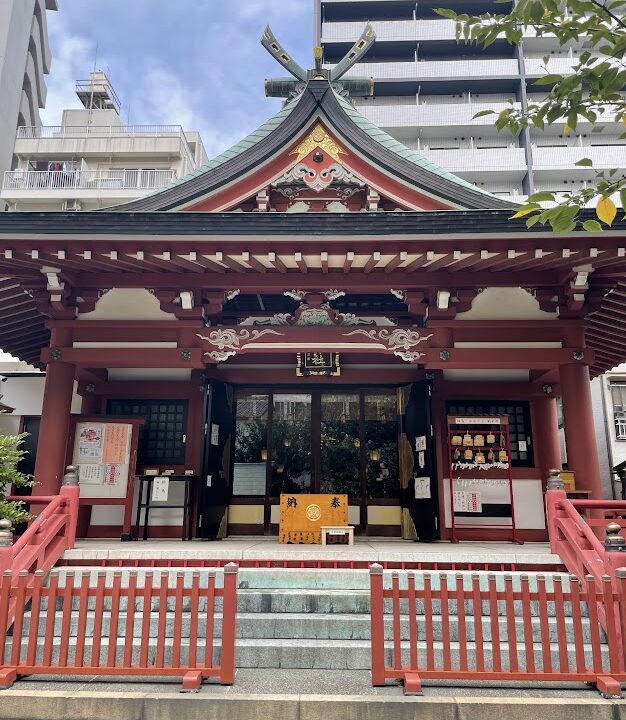
Complete Guide to Akiba Shrine (Tokyo) | A Thorough Explanation of the Fire-Preventing Gods of Taito and Sumida Wards
There are several shrines called “Akiba Shrine” in Tokyo, but the two most famous are those in Matsugaya, Taito Ward, and Mukojima, Sumida Ward. This article provides a detailed explanation of the history, enshrined deities, goshuin (shrine seals), access methods, and other up-to-date information necessary for visiting each Akiba Shrine. We will convey the charm of Akiba Shrines, which have attracted fervent devotion as fire-preventing gods from the Edo period to the present day, with abundant photographs.
About Akiba Shrines
Akiba Shrines in Tokyo have long been worshipped as “fire-preventing gods” protecting people from fire. Especially during the Edo period, when wooden buildings were densely concentrated, fire was one of the most feared disasters. Therefore, the Akiba faith, praying for fire prevention and extinguishing, spread, and Akiba Shrines were established throughout the country.
The two most well-known Akiba Shrines in Tokyo are as follows:
Akiba Shrine (Matsugaya), Taito Ward
Located in Matsugaya, Taito Ward, Akiba Shrine is a historically significant shrine that is the origin of the place name “Akihabara.” Founded in the early Meiji era, it has been revered as a shrine that protects against fires throughout Tokyo.
Akiba Shrine (Mukojima), Sumida Ward
Located in Mukojima, Sumida Ward, Akiba Shrine is a historical shrine founded during the Shoo era (1288-1293). Originally dedicated to Inari, it later incorporated the deity of Akiba Shrine in Totomi Province (present-day Shizuoka Prefecture).
Basic Information about Akiba Shrine
Basic Information about Akiba Shrine in Taito Ward
Name: Akiba Shrine
Former Shrine Rank: Gosha (village shrine)
Location: 3-10-7 Matsugaya, Taito-ku, Tokyo
Deities Enshrined:
- Homusubi-no-Okami
- Mizuhanome-no-Kami
- Haniyama-hime-no-Kami
Access:
- Approximately 7 minutes on foot from Iriya Station on the Tokyo Metro Hibiya Line
- Approximately 10 minutes on foot from Inaricho Station on the Tokyo Metro Ginza Line
- Approximately 12 minutes on foot from Asakusa Station on the Tsukuba Express
Visiting Hours: Grounds are freely accessible (please check the reception hours of the shrine office)
Parking: None (please use nearby coin parking)
Sumida Ward Basic Information about Akiba Shrine
Name: Akiba Shrine
Location: 4-9-13 Mukojima, Sumida-ku, Tokyo
Deities Enshrined:
- Homusubi-no-Mikoto
- Ukanomitama-no-Mikoto
Access:
- Approximately 12 minutes on foot from Honjo-Azumabashi Station on the Toei Asakusa Line
- Approximately 15 minutes on foot from Tokyo Skytree Station on the Tobu Skytree Line
- Approximately 15 minutes on foot from Oshiage Station on the Toei Asakusa Line
Visiting Hours: Grounds are freely accessible
Parking: None
History of Akiba Shrine in Taito Ward
Founding History and the Chinka-sha Shrine
Akiba Shrine in Taito Ward was founded in 1870 (Meiji 3) by imperial decree of Emperor Meiji following the Great Tokyo Fire of December 1869 (Meiji 2). Initially named “Chinka-sha” (Fire Prevention Shrine), it was established by relocating the fire prevention deity, originally enshrined on Momijiyama Hill within Edo Castle, to seventeen firebreak areas including Kanda Aioi-cho.
Origin of the Name Akihabara
This firebreak area came to be called “Akiba-no-hara” or “Akihabara,” which became the origin of the current place name “Akihabara.” When the railway station opened in 1888 (Meiji 21), this name was adopted, becoming “Akihabara Station.” In short, Akiba Shrine in Taito Ward is the shrine that gave its name to Akihabara, the world-famous electronics district and mecca of subculture.
Origin of the Name Akihabara ### Relocation to Matsugaya
In 1888 (Meiji 21), Akiba Shrine was relocated to its current location in Matsugaya 3-chome, Taito Ward, to secure land for railway construction. At this time, its name was changed from “Chinka-sha” (Fire Prevention Shrine) to “Akiba Shrine.” Even after the relocation, it continues to attract fervent devotion from citizens as a shrine protecting against fires throughout Tokyo.
History of Akiba Shrine in Sumida Ward
Founded in the Kamakura Period
Akiba Shrine in Sumida Ward is a historical shrine founded during the Shoo era (1288-1293). Originally, it was an auxiliary shrine of Mimeguri Inari Shrine, located within the grounds of Shofuku-ji Temple, and enshrined only Inari Okami.
Enshrinement of Akiba Gongen
During the Edo period, fires were frequent, so Akiba Gongen (Homusubi-no-Mikoto), the deity of Akiba Hongu Akiba Shrine in Shuchi District, Tōtōmi Province (present-day Tenryū Ward, Hamamatsu City, Shizuoka Prefecture), was invited and enshrined here. This resulted in a unique form of worship, a fusion of Inari worship and fire prevention worship.
Relocation and Renaming in the Showa Era
In the early Showa era, the shrine was relocated to its current location in Mukōjima 4-chome, Sumida Ward, and officially renamed “Akiba Shrine.” During the Edo period, it attracted the faith of various daimyo and their wives, and was widely revered as a god of fire prevention.
Deities and Divine Virtues
Deities of Akiba Shrine, Taito Ward
Homusubi-no-Ōkami
Known as the god of fire, this deity is believed to possess the power to protect against fire. At the same time, they are also a god who brings blessings to life by controlling fire.
Mizuhanome-no-kami
A goddess of water, believed to possess the power to quell fire. Enshrined alongside Homusubi-no-Okami, she maintains the balance of fire and water, offering divine protection against disasters.
Haniyama-hime-no-kami
A goddess of earth, guardian of the land. Believed to preside over post-fire reconstruction and land stability.
Deities enshrined at Akiba Shrine, Sumida Ward
Homusubi-no-Mikoto
Similar to Akiba Shrine in Taito Ward, this is a god of fire, offering divine protection against fire.
Ukanomitama-no-Mikoto
Known as Inari-no-kami, this deity offers divine blessings for abundant harvests and business prosperity. Originally, this deity was enshrined in this area.
Main Divine Virtues and Blessings
Both shrines are believed to offer the following divine virtues and blessings:
- Fire Prevention and Protection: Protecting homes and property from fire
- Family Safety: Protecting the safety and peace of family members
- Exorcism: Warding off various calamities
- Business Prosperity (especially in Sumida Ward): Development and prosperity of businesses
- Abundant Harvest (especially in Sumida Ward): Abundant harvests of crops
Goshuin (Shrine Seal) Information
Goshuin of Akiba Shrine, Taito Ward
At Akiba Shrine in Taito Ward, in addition to the regular goshuin, limited edition goshuin are sometimes offered according to the season and events.
Characteristics of a Standard Goshuin (Shrine Seal):
- The name “Akiba Shrine” is written in ink in the center.
- Often includes the words “Protection from Fire in Tokyo.”
- The shrine’s seal and date are stamped.
- Offering Fee: Usually around 300-500 yen.
Limited Edition Goshuin:
- Issued during special events such as the annual festival and fire prevention festival.
- Popular designs feature seasonal flowers and fire motifs.
- Limited edition goshuin are sometimes issued each month.
- It is recommended to check the latest information on social media and the shrine’s official website.
Goshuin Notebook:
Akiba Shrine also offers its own original goshuin notebook, featuring designs related to the god of fire prevention.
Goshuin at Akiba Shrine, Sumida Ward
Akiba Shrine in Sumida Ward also issues goshuin, but since the shrine office may not always be staffed, it is recommended to check in advance.
Granting Time: Irregular, please check.
Offering Fee: Approximately 300-500 yen
Annual Festivals and Rituals
Main Festivals of Akiba Shrine, Taito Ward
Fire Prevention Festival (November)
The most important festival at Akiba Shrine is the Fire Prevention Festival, held every November. During this festival, a fire-walking ritual takes place, and many worshippers pray for good health and protection from fire.
In the fire-walking ritual, participants walk barefoot across blazing flames, purifying their minds and bodies and warding off misfortune. General worshippers may be able to participate, making it a valuable experience.
Grand Annual Festival
The annual Grand Annual Festival features a procession of portable shrines and the dedication of Kagura (sacred dance), creating a lively festival that brings together people from the community.
Festivals at Akiba Shrine, Sumida Ward
While Akiba Shrine in Sumida Ward also holds various festivals throughout the year, they are smaller in scale compared to Akiba Shrine in Taito Ward. The festivals are primarily quiet and deeply rooted in the local community.
Shrine Grounds and Cultural Properties
Shrine Grounds at Akiba Shrine, Taito Ward
Shrine Building
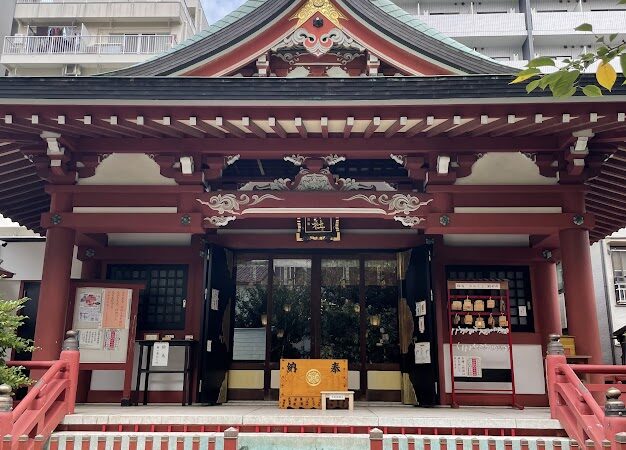
The shrine building, constructed after the Meiji-era relocation, was rebuilt after the Great Kanto Earthquake and the Tokyo air raids. The current building, a post-war reconstruction, retains the traditional style of shrine architecture.
Torii Gate
The torii gate of Akiba Shrine, standing in the residential area of Matsugaya, is a vibrant vermilion, an oasis in the city.
Gift Office
The shrine office, where goshuin (shrine stamps) and amulets are given out, offers a variety of items related to fire prevention.
Akiba Shrine Grounds, Sumida Ward
Akiba Shrine in Sumida Ward, though small, has a historical atmosphere. Located in the residential area of Mukojima, it is cherished as the guardian deity of the community.
Stone Monuments and Sculptures
The shrine grounds contain stone monuments and sculptures dating back to the Edo period, telling the story of its long history.
Items Offered
Items Offered at Akiba Shrine, Taito Ward
Fire Prevention Amulet
An amulet to protect your home from fire; it is recommended to place it in the kitchen or other places where fire is used.
Family Safety Amulet
An amulet to pray for the safety and health of all family members.
Exorcism Amulet
An amulet to ward off various calamities; especially popular among those in their unlucky years.
Sacred Talisman
Sacred talismans for enshrining in the household shrine are also available.
Ema (votive tablets)
You can write your wishes on ema and dedicate them to the shrine, praying for fire prevention and family safety.
Items available at Akiba Shrine, Sumida Ward
Akiba Shrine in Sumida Ward also offers amulets for fire prevention and business prosperity, but since the shrine office may not always be staffed, it is necessary to check in advance to obtain these items.
Access Details
Access to Akiba Shrine, Taito Ward
Access by Train
The nearest station is Iriya Station on the Tokyo Metro Hibiya Line, approximately a 7-minute walk from Exit 3. Since you will be walking through a residential area, using a smartphone map app is recommended.
- Exit Iriya Station from Exit 3 and head towards Showa-dori.
- Turn left at Matsugaya Intersection.
- Continue straight through the residential area and you will see a torii gate on your right.
Other Access Methods
- Approximately 10 minutes on foot from Exit 3 of Inaricho Station on the Tokyo Metro Ginza Line.
- Approximately 12 minutes on foot from Exit A1 of Asakusa Station on the Tsukuba Express.
- Approximately 15 minutes on foot from the South Exit of Uguisudani Station on the JR Yamanote Line.
Access by Bus
Toei Buses and Taito Ward’s “Megurin” loop bus are available. The nearest bus stops are “Matsugaya” or “Iriya Kishimojin-mae”.
Access by Car
Approximately 10 minutes from the Ueno IC on the Metropolitan Expressway. However, there is no parking at the shrine, so please use nearby coin parking.
Access to Akiba Shrine, Sumida Ward
Access by Train
There are several nearest stations, but all are approximately 12-15 minutes on foot.
- Approximately 12 minutes on foot from Exit A2 of Honjo-Azumabashi Station on the Toei Asakusa Line
- Approximately 15 minutes on foot from Tokyo Skytree Station on the Tobu Skytree Line
- Approximately 15 minutes on foot from Exit B3 of Oshiage Station on the Toei Asakusa Line
Access by Bus
Approximately 3 minutes on foot from the Mukojima 4-chome bus stop (Toei Bus)
Access by Car
Approximately 5 minutes from Mukojima IC on the Metropolitan Expressway. No parking available.
Nearby Tourist Attractions
Around Akiba Shrine, Taito Ward
Iriya Kishimojin (Shingenji Temple)
Approximately 5 minutes on foot. A temple famous for its morning glory market held every July.
Kappabashi Kitchenware Street
Approximately 10 minutes on foot. A shopping street specializing in cooking utensils, tableware, food samples, etc.
Sensoji Temple
Approximately 20 minutes on foot. A representative tourist spot in Tokyo, famous for Kaminarimon Gate and Nakamise Street.
Akihabara Electric Town
Approximately 15 minutes on foot. This area, named after Akiba Shrine, is home to numerous electronics stores and anime/game-related shops.
Sumida Ward, around Akiba Shrine
Tokyo Skytree
Approximately 15 minutes on foot. A 634-meter-tall radio tower, offering panoramic views of Tokyo from its observation deck.
Mukojima Hyakkaen Garden
Approximately 10 minutes on foot. A garden dating back to the Edo period, where you can enjoy seasonal flowers.
Mimeguri Shrine
Approximately 5 minutes on foot. Originally deeply connected to Akiba Shrine, it is known for its blessings of business prosperity.
Manners and Points for Visiting a Shrine
Basic Visiting Etiquette
- Bow Before Passing Through the Torii Gate
As a sign of respect before entering the sacred area, bow before the torii gate.
- Purify at the Water Basin
Purify your hands and mouth at the water basin. The proper way to purify yourself is to cleanse your left hand, then your right hand, then your mouth, and then your left hand again.
- Walk along the edge of the approach to the shrine
The center of the approach is considered the path for the gods, so walk along the edge.
- Worship at the main hall
The basic procedure is two bows, two claps, and one bow. Place your offering in the offering box, ring the bell, bow twice, clap twice, offer your prayer, and then bow once.
Regarding photography
Photography is generally permitted on the shrine grounds, but please note the following:
- Photography inside the shrine building may be prohibited.
- Be considerate of other worshippers.
- Refrain from taking photos during festivals.
- When posting on social media, remember to show respect to the shrine.
Suitable time to visit
Early mornings and weekday mornings are relatively quiet, allowing for peaceful worship. If you wish to receive a Goshuin (shrine stamp), you must visit during the shrine office’s reception hours, so please check in advance.
Recommended Shrines in Tokyo
After visiting Akiba Shrine, why not visit other historical shrines in Tokyo?
Kanda Myojin (Kanda Shrine)
One of Tokyo’s representative shrines, located in Chiyoda Ward. Known for its blessings of business prosperity and matchmaking. It’s also close to Akihabara and has gained attention for its collaborations with anime.
Asakusa Shrine
A shrine adjacent to Senso-ji Temple in Asakusa, Taito Ward. Famous for the Sanja Matsuri festival, a grand festival held every May.
Yushima Tenmangu (Yushima Tenjin)
A shrine located in Bunkyo Ward, dedicated to Sugawara no Michizane, the god of learning. It’s bustling with many worshippers during exam season.
Frequently Asked Questions (FAQ)
Q1: Which Akiba Shrine, Taito Ward or Sumida Ward, is the origin of the name “Akihabara”?
A1: The Akiba Shrine in Matsugaya, Taito Ward, is the origin of the place name “Akihabara.” When it was founded in 1870 (Meiji 3) in the Kanda firebreak area (the area around the current Akihabara Station), it came to be called “Akiba no Hara” or “Akibappara,” which became the place name “Akihabara.” It was moved to its current location in 1888 (Meiji 21), but the name “Akihabara” remained as the name of the original location.
Q2: Can I get a Goshuin (shrine stamp) at both Akiba Shrines?
A2: The Akiba Shrine in Taito Ward usually issues Goshuin, but the issuance hours are subject to the shrine office’s reception hours. The Akiba Shrine in Sumida Ward may not always have a staff at the shrine office, so it is recommended to check in advance regarding Goshuin issuance. Please inquire by phone before visiting or check the latest information on social media.
Q3: Can anyone participate in the fire-walking ritual?
A3: The fire-walking ritual held at the Taito Ward Akiba Shrine’s Fire Suppression Festival may be open to general visitors. However, for safety reasons, there may be certain conditions (such as age restrictions). If you wish to participate, please contact the shrine in advance to confirm the date, time, and participation conditions.
Q4: Is there parking available?
A4: Neither the Taito Ward nor the Sumida Ward Akiba Shrine has its own dedicated parking lot. If you are visiting by car, please use a nearby coin-operated parking lot. Especially around the Taito Ward Akiba Shrine, which is in a residential area, we recommend using public transportation.
Q5: What kinds of amulets are available at Akiba Shrine?
A5: The Taito Ward Akiba Shrine offers amulets for fire prevention, family safety, warding off evil, and traffic safety. The fire prevention amulet is particularly unique to Akiba Shrine and is believed to protect homes from fire when placed in places where fire is used, such as the kitchen. Similar amulets are also available at Akiba Shrine in Sumida Ward, but the types of amulets and their availability may vary depending on the time of your visit.
Q6: Can I visit for Hatsumode (first shrine visit of the year)? How crowded is it?
A6: Both shrines are open for Hatsumode. Akiba Shrine in Taito Ward is relatively crowded from New Year’s Day to the third day, but not as crowded as Senso-ji Temple or Meiji Jingu Shrine. Akiba Shrine in Sumida Ward is a community-oriented shrine, so you can visit in a relatively calm atmosphere. If you want to avoid crowds, it is recommended to visit early in the morning or after sunset.
Q7: Can I receive prayers or purification rituals?
A7: Akiba Shrine in Taito Ward accepts various prayers (for family safety, protection from evil, business prosperity, etc.). If you wish to receive prayers, it is recommended to make a reservation by phone in advance. Please contact the shrine directly regarding the offering fee and types of prayers. For Akiba Shrine in Sumida Ward, you need to check the prayer acceptance status in advance. ### Q8: How can I learn more about the history of Akiba Shrine?
A8: At Akiba Shrine in Taito Ward, you can learn about its history through the information boards on the grounds and the materials distributed at the shrine office. You can also view materials related to the history of Akiba Shrine and Akihabara at the Taito Ward Library and the Local History Museum. Official shrine information, local history books, and online shrine databases are also helpful resources.
Summary
Akiba Shrines in Tokyo are located in Taito Ward and Sumida Ward, and both have a long history as shrines dedicated to the god of fire prevention. In particular, the Akiba Shrine in Taito Ward is historically and culturally important as the shrine that gave rise to the globally famous place name “Akihabara.”
Its divine power to protect people from fire continues to attract many worshippers today. Please visit Akiba Shrine as part of your pilgrimage to collect Goshuin (shrine stamps), as part of your Tokyo sightseeing, or to pray for protection from fire and family safety.
Despite being located amidst the hustle and bustle of the city, Akiba Shrine possesses a quiet and solemn atmosphere, making it a precious place for peaceful worship. This historic shrine offers a wonderful experience of encountering traditional Japanese culture and fire prevention beliefs.
When visiting, it is important to observe basic manners and show gratitude and respect to the deities. For the latest information on events and available items, we recommend checking the shrine’s official website or social media before your visit.