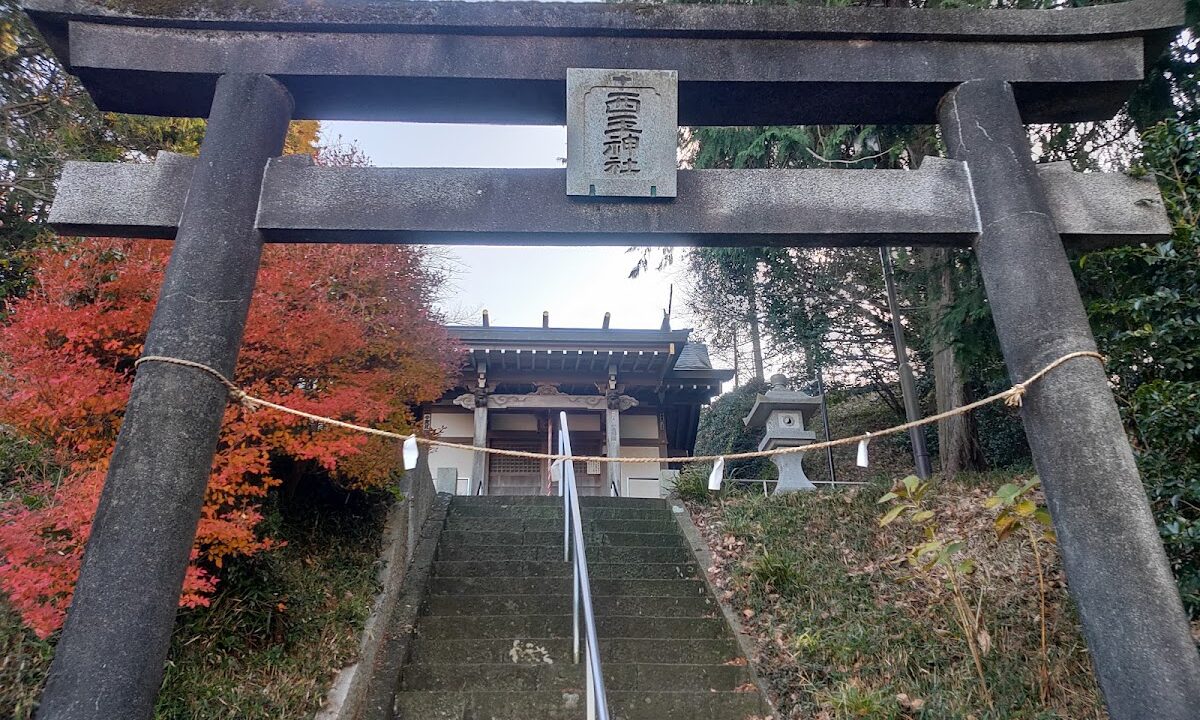
Nishitama Shrine (Tokyo) Complete Guide | A Thorough Explanation of Deities, Goshuin (Shrine Seals), Access, and Benefits
Nishitama Shrine is a historic shrine located in Tokyo, and has been cherished by the local community for centuries. This article provides a detailed explanation of Nishitama Shrine’s deities, benefits, goshuin (shrine seals), access methods, and other information you should know before visiting.
What is Nishitama Shrine?
Nishitama Shrine is a shrine located in Tokyo and has long been revered as the local guardian deity. The shrine grounds, nestled in a quiet residential area, offer a tranquil atmosphere that makes you forget the hustle and bustle of the city.
The name “Nishitama” is thought to originate from the history and geographical characteristics of the area, and it has functioned as a place of worship rooted in this land since ancient times.
Characteristics of the Shrine
The following are some of the characteristics of Nishitama Shrine:
- Community-Oriented Shrine: It has strong ties with its parishioners and local residents, and plays a central role in local festivals and annual events.
- Peaceful Worship Environment: Despite being in Tokyo, it maintains a tranquil space, providing an environment where worshippers can find peace of mind.
- Traditional Shrine Architecture: The main hall and worship hall maintain traditional shrine architectural styles, allowing visitors to experience Japanese culture.
History of Nishitama Shrine
While detailed records of Nishitama Shrine’s founding date are limited, it is believed to have existed since before the Edo period, based on local elders’ traditions and documents.
Origin of Founding
The shrine’s founding is said to have begun when the settlers of this region prayed for abundant harvests and the safety of the community. For the people of that time, the shrine was both the center of faith and the core of the local community.
History Since the Modern Era
Despite being affected by the Meiji-era separation of Shinto and Buddhism and the policy of consolidating shrines, the shrine has been preserved to this day thanks to the fervent faith of local residents. Even during the post-war reconstruction period, the shrine buildings were maintained and repaired through the efforts of parishioners and devotees, leading to its current appearance.
Deities and Benefits
Deities
The deities enshrined at Nishitama Shrine are gods appearing in Japanese mythology and gods associated with the region. Like many local shrines, the following deities are believed to be enshrined:
- Ujigami: The god who protects the land
- Ubusunagami: The god who protects people born in that land throughout their lives
- Nogyo-shin: The god who presides over abundant harvests
Benefits
The benefits that can be obtained at Nishitama Shrine include the following:
Family Safety and Protection from Evil
As a shrine that protects the region and families as an Ujigami, it is believed to offer benefits of family safety and protection from evil. Many worshippers visit the shrine for New Year’s prayers and for exorcism during their unlucky years.
Abundant Harvest and Business Prosperity
As a deity of agriculture, the shrine is believed to bring blessings of abundant harvests. By extension, in modern times, worshippers also visit to pray for business prosperity and success.
Prosperity of Descendants and Safe Childbirth
As a local guardian deity, the shrine is also believed to grant blessings for prosperity of descendants and safe childbirth. It is used as a place for life-changing rituals such as baby blessings and Shichi-Go-San (a traditional rite of passage for children).
Academic Success and Passing Exams
As a guardian deity of the region, worshippers also visit to pray for the healthy growth of children and academic success.
Highlights of the Shrine Grounds
Main Hall and Worship Hall
The main hall and worship hall of Nishitama Shrine are built in the traditional style of shrine architecture. You can feel the beauty of the wooden architecture and the dignified atmosphere that comes with age.
A donation box is placed in front of the main hall, and worshippers pray here using the ritual of two bows, two claps, and one bow.
Torii Gate
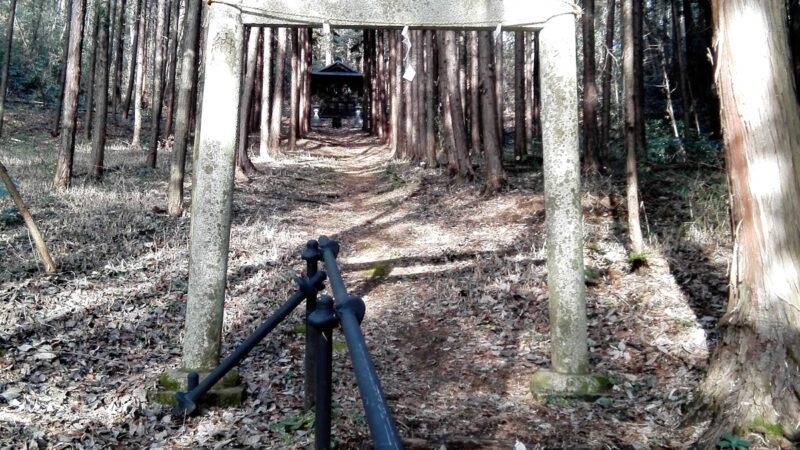
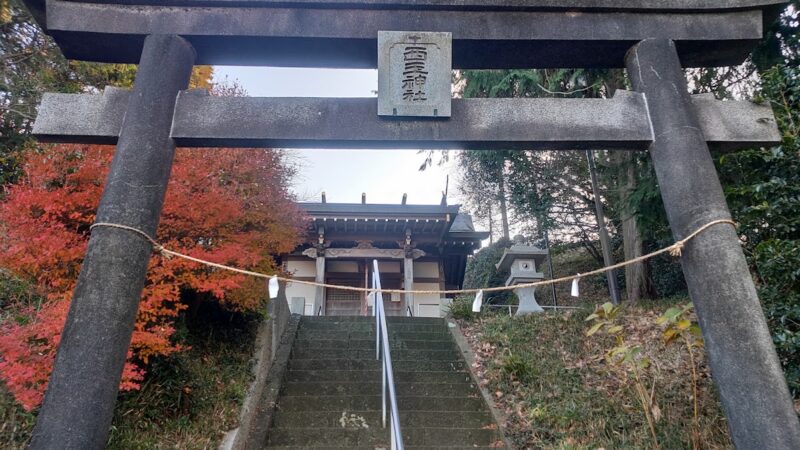
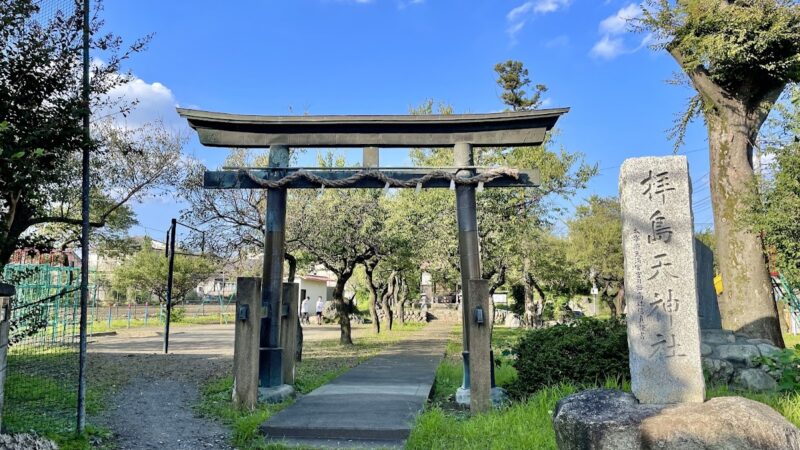
A torii gate stands at the entrance of the shrine, marking the boundary between the secular world and the sacred realm. The proper etiquette is to bow before passing through the torii gate and entering the shrine grounds.
Water Basin
There is a water basin for purifying the body and mind before worship. Follow these steps to purify yourself:
- Take the ladle with your right hand and purify your left hand.
- Switch the ladle to your left hand and purify your right hand.
- Switch the ladle back to your right hand, receive water in your left hand, and rinse your mouth.
- Purify your left hand once more.
- Hold the ladle upright, purify the handle, and return it to its original position.
Komainu (Guardian Dogs)
A pair of komainu are placed within the shrine grounds, guarding the sacred area. The expressions and forms of guardian lion-dogs (komainu) vary depending on the era, and their style can help infer the period in which they were dedicated.
Shrine Office
There is a shrine office where you can receive goshuin (stamped seals) and amulets. You can also receive a goshuin as a memento of your visit (please check the hours of availability).
Goshuin Information
Regarding the Issuance of Goshuin
At Nishitama Shrine, it may be possible to receive a goshuin. However, in the case of small shrines, there may not be a resident priest, or goshuin may only be issued on specific days and times.
Those wishing to receive a goshuin are advised to inquire in advance at the shrine office or the office of a subsidiary shrine.
How to Obtain a Goshuin (Shrine/Temple Stamp)
Basic Manners for Obtaining a Goshuin:
- Complete Your Worship First: The Goshuin is proof of your worship, so always pray first.
- Prepare a Goshuincho (Shrine/Temple Stamp Book): Prepare a Goshuincho specifically for collecting Goshuin.
- Prepare the Offering: Generally, around 300-500 yen. It’s polite to prepare exact change to avoid needing change.
- Request Politely: Politely request, “May I have a Goshuin?”
- Wait Quietly While the Shrine Priest Writes It: Wait quietly while the priest carefully writes the Goshuin.
Annual Events and Festivals
Nishidama Shrine holds various festivals and events throughout the year.
Annual Grand Festival
The annual grand festival, the most important festival of the shrine, is held once a year. Local parishioners gather, and events such as a portable shrine procession and offering ceremonies may take place. The date varies depending on the shrine, so it is recommended to check in advance.
First Shrine Visit of the New Year
For the first shrine visit of the new year, local people visit to pray for safety and prosperity throughout the year. The shrine is bustling with many worshippers from New Year’s Day through the third day.
Setsubun Festival
The Setsubun Festival is held around February 3rd, and events such as bean-throwing are sometimes performed. It is a traditional event to ward off evil spirits and invite good fortune.
Other Annual Events
- Monthly Festival: A regular festival held on a specific day each month.
- Shichi-Go-San: A visit around November 15th to celebrate the growth of children.
- Summer Purification Ceremony: A Shinto ritual held on June 30th to purify oneself of the impurities accumulated over the past six months.
- Year-End Purification Ceremony: A Shinto ritual held on December 31st to purify oneself of the impurities accumulated over the past year.
Access and Basic Information
Location
The exact location of Nishitama Shrine is within a specific area of Tokyo. The detailed address can be confirmed by searching for the shrine’s name on a map or by contacting the local tourism association.
Transportation Access
Access by Train
The shrine is within walking distance from the nearest station. We recommend checking the specific nearest station and travel time using a map app before your visit.
Access by Bus
If using a local bus, the shrine is a few minutes’ walk from the nearest bus stop.
Access by Car
If visiting by private car, the area around the shrine is often a residential area, so we recommend checking the availability of parking in advance. You may need to use a nearby coin-operated parking lot.
Visiting Hours
While visiting the shrine grounds is generally free, the shrine office may have limited opening hours. If you wish to receive a Goshuin (shrine stamp) or amulet, we recommend checking in advance.
General Visiting Hours:
- Shrine Grounds Visit: From sunrise to sunset
- Shrine Office: Approximately 9:00 AM to 4:00 PM (Varies by shrine)
Admission Fee
Entry to the shrine grounds is free. A donation is required for receiving Goshuin (shrine stamps) and amulets.
Manners and Etiquette for Visiting a Shrine
Here are some basic manners and etiquette for visiting a shrine.
How to Pass Through the Torii Gate
- Bow before the torii gate.
- Walk along the side of the path, as the center is the path for the gods.
- When leaving, turn around and bow after exiting the torii gate.
How to Perform the Purification Ritual
Please refer to the previously mentioned method of purification at the purification fountain. The purpose is to purify the mind and body.
Proper Worship Etiquette (Two Bows, Two Claps, One Bow)
- Two Bows: Bow deeply twice.
- Two Claps: Clap your hands twice at chest height.
- Prayer: Express your wishes and gratitude sincerely.
- One Bow: Bow deeply once at the end.
Attire
While it’s acceptable to wear everyday clothes, please note the following:
- Wear clean clothing.
- Avoid revealing clothing.
- Formal attire is preferable for formal worship or prayers.
Photography
Photography is generally permitted on the shrine grounds, but please note the following:
- Do not take photos in areas where photography is prohibited, such as inside the main hall.
- Be considerate of other worshippers.
- Remember that this is a sacred place and take photos with respect.
- If unsure, ask a Shinto priest.
Nearby Attractions
Nishi-Tama Shrine is surrounded by various tourist spots and landmarks within Tokyo. Enjoying a stroll around the area in conjunction with your visit is highly recommended.
Nearby Shrines and Temples
Tokyo boasts numerous shrines and temples, making shrine hopping a popular activity. Those collecting Goshuin (shrine stamps) might consider planning a route visiting multiple shrines.
Local Parks and Nature Spots
Nearby shrines often have parks and green spaces suitable for strolling. Enjoy seasonal flowers and autumn foliage while spending a relaxing time.
Restaurants and Cafes
After your visit, you can enjoy a meal at a local restaurant. Tokyo offers a diverse range of dining options, enriching your visit and creating lasting memories.
Points to Consider When Visiting Nishi-Tama Shrine
Recommended Time to Visit
Hatsumode (January)
Hatsumode, the first shrine visit of the new year to pray for happiness, is the busiest time at shrines. Experience the atmosphere of celebrating the new year together with the local community.
During the Annual Festival
During the annual festival of the shrine, you can experience a different atmosphere than usual. It’s a valuable opportunity to see the portable shrine and the dedication ceremonies.
For a Quiet Visit
Weekday mornings and times outside of festival periods are relatively quiet for visiting. This is recommended for those who want to visit slowly and calmly.
Time Required for Visiting
Depending on the size of the shrine grounds, a typical visit should take about 15-30 minutes. If you plan to receive a Goshuin (shrine stamp) or stroll around the grounds at a leisurely pace, it is recommended to allow a little more time.
Useful Items to Bring
- Goshuincho (stamp book): For receiving Goshuin (stamps)
- Small change: For offerings and first fruits offerings
- Camera: For taking photos of the shrine grounds
- Handkerchief: For after purifying your hands at the water basin
- Rain gear: For unpredictable weather
The Role of Nishitama Shrine in the Community
Role as a Local Guardian Deity
Nishitama Shrine plays the role of protecting the people living in the area as the local guardian deity. Through the parishioner system, it also strengthens the ties of the local community.
A Place for Life Celebrations
It is used as a place for important life celebrations such as baby’s first shrine visit, Shichi-Go-San (a traditional rite of passage for children), exorcism, and weddings. It is a familiar presence that accompanies the lives of people in the community, and is cherished across generations.
A Place for Cultural Inheritance
Through festivals and annual events, it also plays a role in passing on traditional Japanese culture and local customs to the next generation. Children participating in shrine events naturally create opportunities to experience traditional culture.
A Place of Peace
Amidst the hustle and bustle of the city, shrines serve as a place of tranquility and peace, a spiritual haven for local residents. They offer a space to escape the hustle and bustle of daily life and find peace of mind.
The Significance of Shrine Visits
Cultivating Gratitude
Shrine visits are not simply for making wishes, but also an opportunity to express gratitude for daily peace and blessings. Having a grateful heart enhances one’s sense of happiness in daily life.
Mental Reconciliation
Spending time quietly in a sacred space is a valuable opportunity to organize one’s thoughts and confront oneself. In modern society, having such time is important for mental health.
Interacting with Culture
Through shrine visits, one can experience Japanese traditional culture and history. Various cultural elements can be experienced, such as architectural styles, etiquette, and festivals.
Connection with the Community
Visiting local shrines allows one to feel the history, culture, and connection with the people of that land. This deepens your understanding of and attachment to the local community.
Summary
Nishidama Shrine is a community-based shrine located in Tokyo. It boasts a long history and has watched over the local people as their guardian deity.
The shrine grounds have a quiet and peaceful atmosphere, providing a valuable space for finding peace of mind in the heart of the city. It is believed to offer various blessings, including family safety, protection from evil, abundant harvests, and prosperity of descendants, and is revered by the local people.
When visiting, it is important to observe basic etiquette and manners and to visit with a grateful heart. You can receive Goshuin (shrine stamps) and amulets, but since there may not always be a resident priest, it is recommended to check in advance.
During annual events such as New Year’s visits and the annual festival, you can experience a lively atmosphere different from the usual. On the other hand, during quiet weekday hours, you can visit and pray at your own pace.
Through a visit to Nishidama Shrine, you can experience traditional Japanese culture, feel the history of the region, and find peace of mind. If you’re planning to visit a shrine in Tokyo, please consider visiting Nishitama Shrine.
As a guardian deity of the region, it will undoubtedly continue to be cherished by many people. When you visit, please treat your time in this sacred space with respect and gratitude.