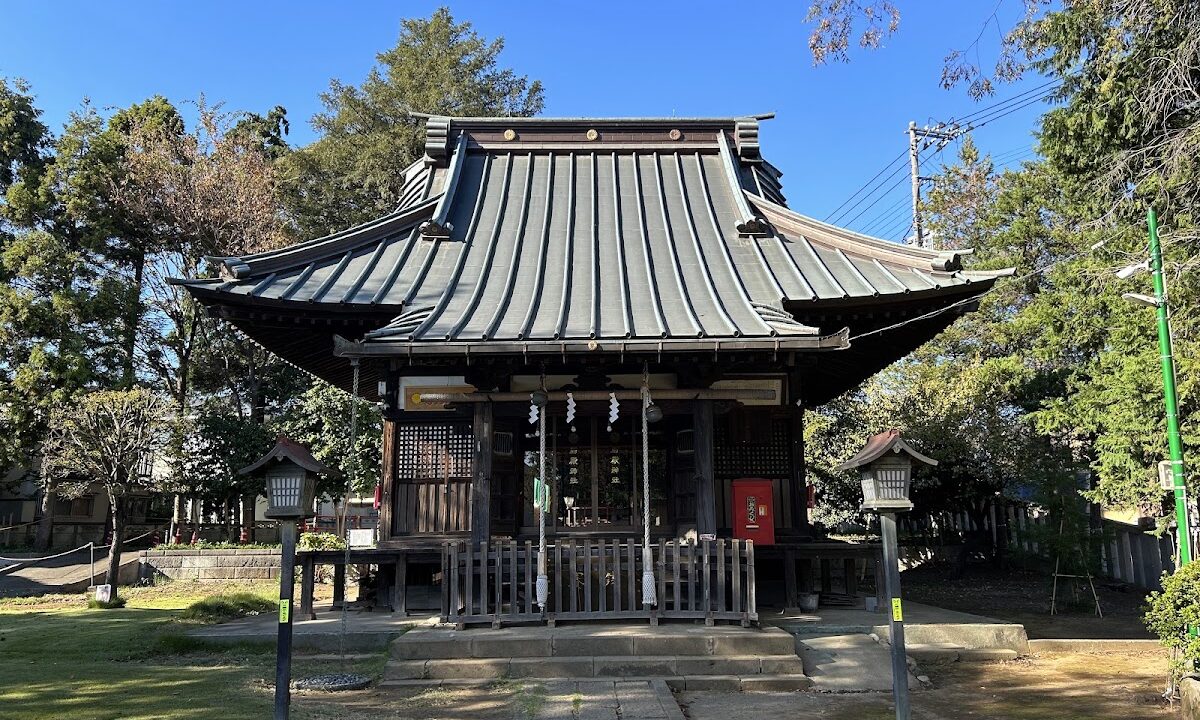
Jōdono Shrine (Nishitokyo City, Tokyo) Complete Guide | History, Goshuin (Shrine Seal), Access, and Highlights Explained in Detail
Jōdono Shrine, located in Sumiyoshi-cho, Nishitokyo City, Tokyo, is a shrine with a history of approximately 400 years, cherished as a guardian deity of the region. This article comprehensively introduces information useful for those planning a visit to Jōdono Shrine, including its historical background, enshrined deities, highlights within the grounds, information on goshuin (shrine seals), annual festivals and rituals, and access methods.
About Jōdono Shrine
Jōdono Shrine is located at 1-21-1 Sumiyoshi-cho, Nishitokyo City, Tokyo, and was ranked as a village shrine under the modern shrine ranking system. It is pronounced “Jōdono Jinja” and is affectionately known as “Jōdono-sama” by locals. Quietly nestled in a residential area about a 13-minute walk from Hibarigaoka Station on the Seibu Ikebukuro Line, it is a central place of worship for local residents.
The current city of Nishitokyo is a relatively new city, formed in 2001 through the merger of Tanashi City and Hoya City. However, Jōdono Shrine has been watching over the area as the guardian shrine of Kami-Hoya Village since before that time.
History of Jōdono Shrine
Founding and Origin
There are several theories regarding the founding of Jōdono Shrine. According to the oldest records, it dates back to the Kenchō era (1249-1256). However, a more reliable record is the widely known theory that it was founded in Genna 8 (1622) as the guardian shrine of Kami-Hoya Village, by enshrining a divided spirit from Jōdono Daigongen (the current Tanashi Shrine), which was located on Miyayama near present-day Yatocho, Nishitokyo City.
Relationship with Jōdono Daigongen
At the time of its founding, Jōdono Gongen was enshrined on Miyayama near present-day Yatocho, Nishitokyo City. This Jōdono Gongen later became Tanashi Shrine, and Jōdono Shrine was founded at its current location by inviting a divided spirit from it. Due to these circumstances, Tanashi Shrine and Jōdono Shrine have a deep historical connection.
From the Edo Period to the Present
In the early Edo period, in Tenna 2 (1682), a pair of stone lanterns were donated. These lanterns still remain on the shrine grounds and are designated as Nishitokyo City Designated Cultural Property No. 39. This can be considered evidence that Jōdono Shrine has been a center of local faith since the Edo period.
After the Meiji-era separation of Shinto and Buddhism, it was ranked as a village shrine under the modern shrine ranking system. Even under the post-war religious corporation system, it continues to serve as the guardian shrine of the region to this day.
Deities and Divine Virtues
Main Deity: Shinatobe-no-Mikoto
The main deity of Jōdono Shrine is Shinatobe-no-Mikoto. Shinatobe-no-Mikoto is known as the god of wind and is considered a god born from Izanagi-no-Mikoto and Izanami-no-Mikoto in Japanese mythology.
As his name suggests, Shinatobe-no-Mikoto is the god who controls “wind.” He has been worshipped as the god who brings the good winds necessary for crop growth, and as the god who calms the evil winds that cause disasters. In an era when agriculture was the main industry, wind was a crucial factor in determining the harvest, and the worship of the wind god was extremely important.
Enshrined Deity: Amaterasu-Ōmikami
Amaterasu-Ōmikami is also enshrined at Jōdono Shrine. Amaterasu-Ōmikami is the supreme deity in Japanese mythology and is revered as the ancestral deity of the Imperial family. She possesses the characteristics of a sun goddess and is widely worshipped as the source of life, the god of abundant harvests, and the god of national peace and security.
Divine Virtues (Benefits)
The divine virtues of Jōdono Shrine include the following:
- Abundant Harvests and Agricultural Prosperity: The divine virtue of Shinatobe-no-Mikoto, the god of wind
- Family Safety and Community Peace: The role of a guardian deity
- Good Fortune and Prosperity: The divine virtue of Amaterasu Ōmikami
- Protection from Disaster: The belief in the deity who calms evil winds
Highlights and Cultural Properties on the Shrine Grounds
A Pair of Stone Lanterns (Nishitokyo City Designated Cultural Property No. 39)
The most noteworthy cultural property on the shrine grounds is a pair of stone lanterns donated in Tenna 2 (1682). As a valuable stone structure from the early Edo period, it is designated as a cultural property of Nishitokyo City. With a history of over 340 years, these stone lanterns are a valuable cultural heritage that conveys the stonemasonry techniques of the time and tell the story of Jōdono Shrine’s long history.
Approach to the Shrine and the Main Building
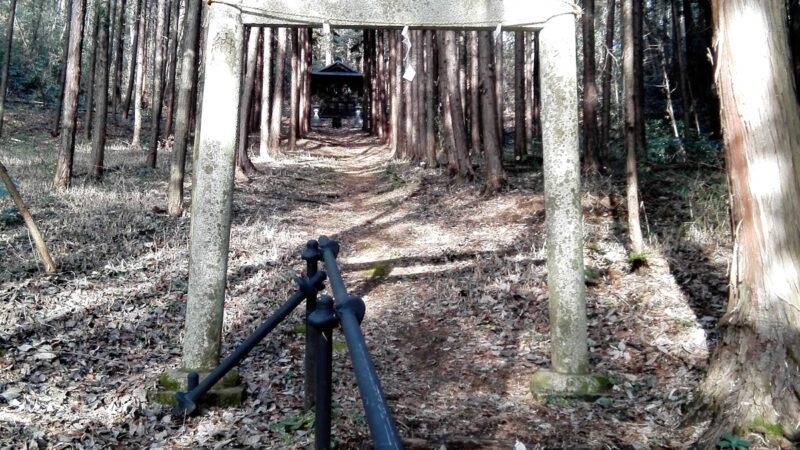
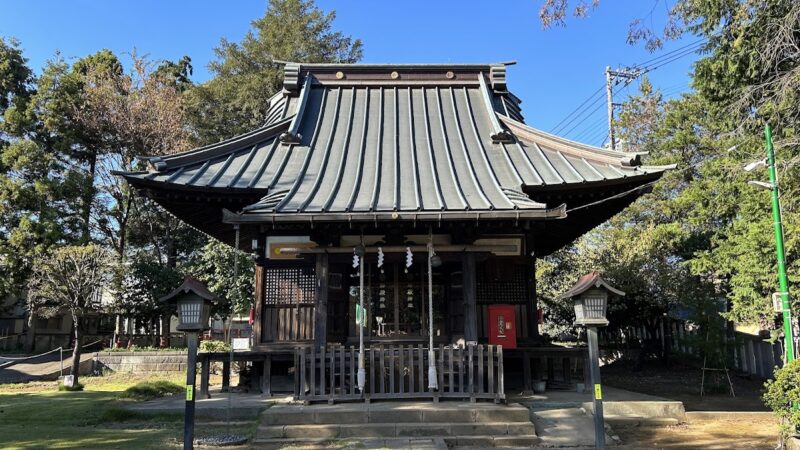
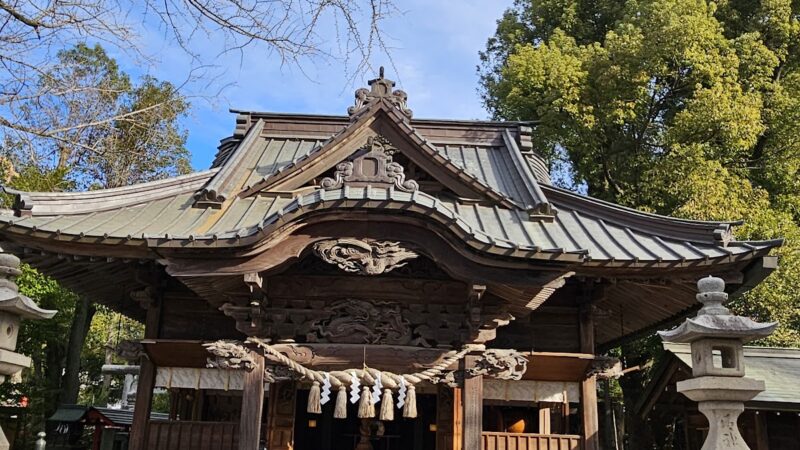
Despite being located in a residential area, stepping onto the shrine grounds envelops you in a tranquil atmosphere. The approach is well-maintained, allowing for a refreshing and peaceful visit. The main building is constructed in the traditional style of Shinto shrine architecture and is carefully preserved as a center of local faith.
Trees and Nature on the Shrine Grounds
Ancient trees remain on the shrine grounds, creating a valuable green space in the increasingly urbanized city of Nishitokyo. The nature on the grounds, which shows different expressions with each season, provides peace and tranquility to visitors.
Information on Goshuin (Shrine Seals) and Goshuincho (Shrine Seal Books)
About Goshuin
Goshuin (shrine seals) are available at Jōdono Shrine. Goshuin are cherished by many visitors as proof of their visit and as a tangible memento of their connection with the shrine.
When receiving a Goshuin (temple/shrine stamp), please note the following:
- Receive the Goshuin after completing your prayers.
- Bring your Goshuincho (stamp book) with you (if you don’t have one, you may be able to receive a pre-printed Goshuin).
- Visit during the shrine office’s opening hours.
- Prepare the offering fee (generally around 300-500 yen).
Goshuincho
It is recommended to check before visiting whether Jōdono Shrine offers its own original Goshuincho. Some shrines offer their own uniquely designed Goshuincho.
Sharing Visit Records
In recent years, many visitors have posted photos and experiences of their visits to Jōdono Shrine on shrine and temple visit record websites such as Hotokami. These sites allow you to see real voices and photos from people who have actually visited, which can be helpful when planning your visit.
Annual Festivals, Rituals, and Events
Annual Festival (October 1st)
The annual festival of Jōdono Shrine is held every year on October 1st. This festival is the most important religious ceremony for the shrine, a ritual to express gratitude for the past year and to pray for peace in the future.
During the festival, local parishioners and worshippers gather, making the shrine even more lively than usual. In some years, a portable shrine (mikoshi) is brought out, playing a central role in local community activities.
Other Annual Events
Besides the annual festival, shrines may also hold the following annual events:
- Hatsumode (January 1st-3rd): New Year’s visit to the shrine
- Setsubun Festival (around February 3rd): Events such as bean-throwing
- Natsukoshi no Oharae (June 30th): A Shinto ritual to purify oneself of sins and impurities accumulated over the past six months
- Shichi-Go-San (around November 15th): A celebration of children’s growth
- Toshikoshi no Oharae (December 31st): A Shinto ritual to purify oneself of sins and impurities accumulated over the past year
For specific information on the implementation of these events, we recommend contacting the shrine directly or checking the information provided by Nishitokyo City.
Access and Basic Information
Location
1-21-1 Sumiyoshi-cho, Nishitokyo-shi, Tokyo 202-0005
Access by Train
Nearest Station: Hibarigaoka Station, Seibu Ikebukuro Line
- Approximately 13 minutes on foot from Hibarigaoka Station
- Exit the south exit of the station and proceed through the residential area.
Other Nearest Station: Tanashi Station, Seibu Shinjuku Line
- Within walking distance from Tanashi Station, but slightly closer from Hibarigaoka Station.
Access by Bus
If using the bus, Seibu Bus and other routes may be available. Please check the latest bus route information on the Seibu Bus official website or transfer guidance app.
Access by Car
If visiting by car, it is recommended to check in advance whether there is a dedicated parking lot for the shrine. Because it is located in a residential area, the surrounding roads may be relatively narrow.
Visiting Hours
While entry to the shrine grounds is generally free, the opening hours of the shrine office may be limited. If you wish to receive a Goshuin (shrine stamp) or request prayers, it is recommended to check in advance.
Nearby Shrines, Temples, and Tourist Attractions
Tanashi Shrine
Tanashi Shrine, which has historical ties to Jōdono Shrine, is located in Tanashi-cho, Nishitokyo City. It is a distinctive shrine dedicated to the Five Dragon Gods, and visiting it along with Jōdono Shrine is recommended.
Higashi-Fushimi Inari Shrine
Higashi-Fushimi Inari Shrine, located in Higashi-Fushimi, Nishitokyo City, is a shrine that enshrined a divided spirit from Fushimi Inari Taisha in Kyoto. It is characterized by its beautiful grounds with a row of vermilion torii gates.
Parks and Nature Spots in Nishitokyo City
- Shakujii Park: A metropolitan park located in the neighboring Nerima Ward, offering abundant nature.
- Higashifushimi Park: A park popular as a place of relaxation for the local community.
Voices of Locals and Impressions of Worshippers
Shrines Rooted in the Community
Local residents often say things like, “This is a shrine I’ve been familiar with since childhood,” and “The community comes together during festivals.” Despite being located in a residential area, it maintains a quiet and peaceful atmosphere, and many people visit it regularly as part of their daily walks.
Impressions of Worshippers
Looking at impressions posted on worship record websites, the following comments are frequently seen:
- “A quiet and peaceful shrine.”
- “A sacred atmosphere that you wouldn’t expect to find in a residential area.”
- “The historical stone lanterns are impressive.”
- “I felt that this is a shrine loved by the community.”
Photo Spots
Looking at photos taken by worshippers, the stone lanterns, the approach to the shrine, and the shrine building are popular photo spots. Stone lanterns, in particular, hold high cultural value, and many visitors have documented them.
Manners and Points for Visiting the Shrine
Basic Worship Etiquette
- Bow before passing through the torii gate: Show respect for entering the sacred area.
- Walk along the edge of the path: The center is considered the path of the gods.
- Purify yourself at the water basin: Cleanse your hands and mouth before praying.
- Two bows, two claps, one bow: This is the basic etiquette before the shrine.
Photography
Photography is generally permitted on the shrine grounds, but please note the following:
- Be considerate of other visitors.
- Refrain from taking photos during religious ceremonies.
- Observe the rules regarding photography in areas where it is prohibited, such as inside the main hall.
Attire
While everyday clothing is acceptable, it is preferable to wear attire that reflects the sacred nature of the place. Especially if you are receiving prayers, try to avoid overly casual attire.
Nishitokyo City and Jōdono Shrine
History and Shrines of Nishitokyo City
Nishitokyo City was formed in 2001 through the merger of Tanashi City and Hoya City. However, the history of Jōdono Shrine predates this, existing as the local guardian shrine since the time of the former Kami-Hoya Village.
Although the administrative divisions changed due to the city merger, Jōdono Shrine continues to function as a spiritual center for local residents and as the heart of the community.
Cultural Property Protection and Community Activities
Nishitokyo City is committed to protecting its cultural properties, and the stone lanterns at Jōdono Shrine are carefully protected as city-designated cultural properties. Such cultural property protection activities are an important initiative for passing on the region’s history to future generations.
Summary: The Value of Visiting Jōdono Shrine
Jōdono Shrine is a shrine with a history of approximately 400 years, quietly nestled in a residential area of Nishitokyo City, Tokyo. It enshrines Shinatobe-no-Mikoto, the god of wind, as its main deity and has long been revered as the guardian shrine of the region.
This shrine possesses a valuable cultural asset: a stone lantern dating back to the early Edo period. Every year on October 1st, the community comes together to offer gratitude to the gods during the annual festival. It’s easily accessible, about a 13-minute walk from Hibarigaoka Station on the Seibu Ikebukuro Line, and you can also receive a Goshuin (shrine stamp).
Even amidst increasing urbanization, Jōdono Shrine, with its tranquil atmosphere and sense of history, welcomes not only local residents but also a wide range of visitors. Visiting it along with other nearby shrines such as Tanashi Shrine will allow you to gain a deeper understanding of the history and culture of Nishitokyo City.
A peaceful visit to this historic shrine and an experience of connecting with local traditions will be a precious escape from the hustle and bustle of everyday life. When you visit Nishitokyo City, be sure to stop by Jōdono Shrine.