Tanashi Shrine (Nishitokyo City, Tokyo) Complete Guide | Detailed Information on the Five Dragon Gods, Goshuin (Shrine Seals), and Prayers
Tanashi Shrine is a historic shrine located in Tanashi-cho, Nishitokyo City, Tokyo, with a history dating back to the Kamakura period. Known for its worship of the Five Dragon Gods, and enshrining the wind god and Okuninushi-no-Mikoto as its main deities, it is a popular power spot beloved by the local community. This article comprehensively introduces all the information necessary for a visit to Tanashi Shrine, including its history, enshrined deities, highlights of the grounds, various goshuin (shrine seals), prayer information, and access methods.
About Tanashi Shrine
History and Origins of Tanashi Shrine
Tanashi Shrine is said to have been founded during the Shoo era (1288-1293) of the late Kamakura period. Initially, it was located on Miyayama in Kitayato, about 1 kilometer north of its current location, and was called “Shodono Gongen” or “Shodono Daigongen.”
During the Edo period, Tanashi Shrine flourished as a post town on the Ome Kaido road, and as the guardian shrine of Tanashi Village, it attracted the faith of the local people. During the Genroku era (1688-1704), it was relocated to its current location and developed into the central shrine of Tanashi.
In 1872 (Meiji 5), the nearby Kumano Shrine and Hachiman Shrine were merged, and the shrine’s name was changed to “Tanashi Shrine.” This merger resulted in the shrine’s current diverse array of deities. In 1875 (Meiji 8), the current worship hall was constructed, and its bold yet delicate carvings continue to delight visitors today.
Main Deities and Enshrined Deities
The main deities of Tanashi Shrine are Shinatsuhiko-no-Mikoto and Shinatobe-no-Mikoto, gods of wind, and Okuninushi-no-Mikoto, also known from Izumo Taisha Shrine.
Shinatsuhiko-no-Mikoto and Shinatobe-no-Mikoto are known in Japanese mythology as gods who control the wind, and are believed to have the power to bring abundant harvests, safe voyages, and ward off evil. Ōkuninushi-no-Mikoto is widely worshipped as the god of matchmaking, business prosperity, and medicine/health.
Furthermore, a major characteristic of Tanashi Shrine is the enshrinement of the Five Dragon Gods, based on the Five Elements philosophy, in the main hall and various locations within the shrine grounds.
The Five Dragon Gods of Tanashi Shrine
What are the Five Dragon Gods?
The greatest characteristic of Tanashi Shrine is its belief in the Five Dragon Gods, based on the Chinese Yin-Yang Five Elements philosophy. The Five Dragon Gods are five dragon gods of different colors corresponding to the five elements: metal, wood, water, fire, and earth, each presiding over a different direction and benefit.
Golden Dragon God (White Dragon): Guards the west and is believed to bring good fortune, wealth, and business prosperity.
Black Dragon God (Genbu): Guardian of the north, bestows blessings of health and longevity, protection from evil, and success in employment.
Blue Dragon God: Guardian of the east, believed to bring blessings of improved skills, successful employment, and promotion.
Red Dragon God: Guardian of the south, bestows blessings of good fortune, success in competitions, and fulfillment of wishes.
White Dragon God (different from the Golden Dragon): Guardian of the center, believed to bring blessings of family safety, purification, and improved luck.
Arrangement of the Five Dragon Gods and How to Worship
Within the temple grounds, the Five Dragon Gods are arranged in the east, west, north, south, and center, centered around the main hall. The Golden Dragon God is enshrined in the main hall, while the other Dragon Gods are enshrined in various locations throughout the grounds.
When visiting, it is recommended to first pay respects to the main deity at the main hall, and then visit the Dragon Gods corresponding to your wishes. The “Five Dragon Gods Pilgrimage,” which involves visiting all five dragon gods, is also popular. It is believed that visiting each dragon god while circling the shrine grounds can bring overall good fortune.
A map showing the locations of the Five Dragon Gods is displayed within the grounds, making it easy to navigate even for first-time visitors.
Highlights of the Shrine Grounds
Carvings on the Main Hall and Worship Hall
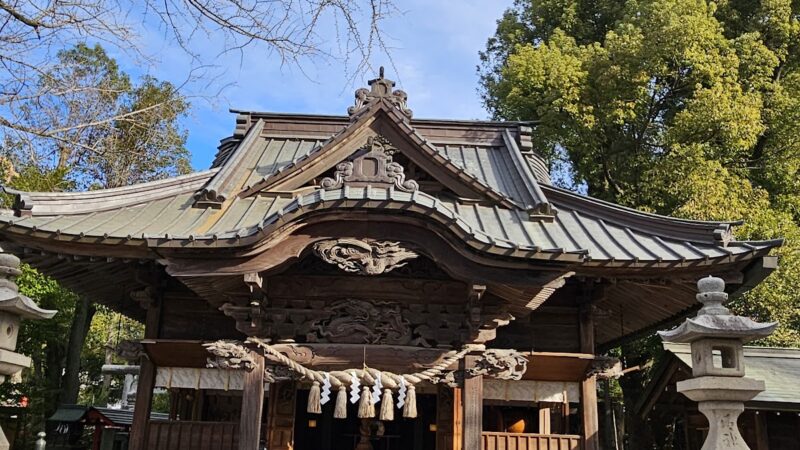
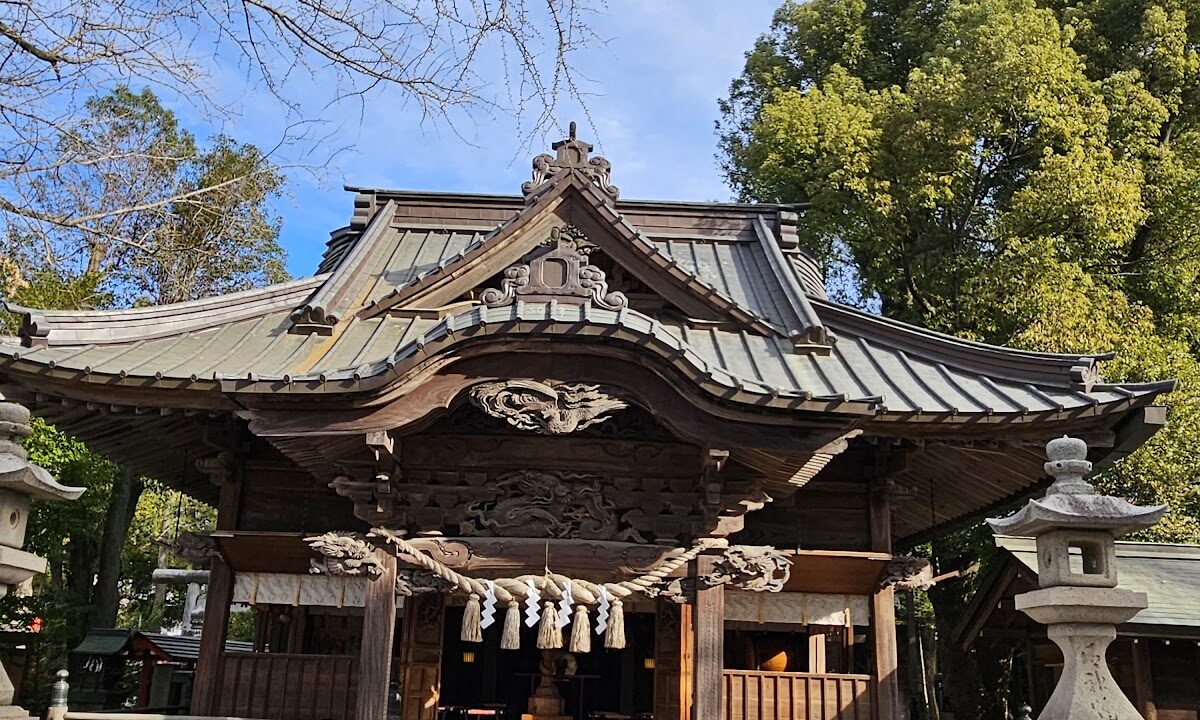
The worship hall, built in 1875 (Meiji 8), is one of Tanashi Shrine’s architectural highlights. The hall features exquisite carvings by shrine sculptors from the Edo to Meiji periods, captivating visitors with designs of dragons, lions, flowers, and birds.
Particularly noteworthy is the dragon carving on the front of the worship hall. Symbolizing the belief in the Five Dragon Gods, the powerful and dynamic dragon is a must-see, showcasing the high level of craftsmanship.
Subsidiary Shrines and Auxiliary Shrines
In addition to the main hall, several subsidiary shrines are located within the grounds of Tanashi Shrine.
Tsushima Shrine: Dedicated to Susanoo-no-Mikoto, known as the god of protection against epidemics.
Inari Shrine: Dedicated to Ukanomitama-no-Kami, the god of business prosperity and abundant harvests.
Ootori Shrine: Worshipped as the god of good fortune and prosperity.
Visiting these subsidiary shrines along with the main shrine will allow you to receive a wider range of blessings.
Sacred Trees and Nature
The shrine grounds contain sacred trees said to be several hundred years old, and their sacred atmosphere provides peace to visitors. Especially during the cherry blossom season in spring and the autumn foliage season, the grounds are beautifully colored, attracting many visitors in conjunction with seasonal events.
Goshuin (Shrine Seals) of Tanashi Shrine
Types of Goshuin (More than 10 types)
Tanashi Shrine is known as one of the shrines in Tokyo that offers a wide variety of goshuin. In addition to the regular goshuin (temple/shrine stamp), over 10 types of goshuin are available, including goshuin for each of the Five Dragon Gods and seasonal limited-edition goshuin.
Regular Goshuin: This is the basic goshuin of Tanashi Shrine, with the shrine name and date of visit written in ink.
Five Dragon Gods Goshuin: There are goshuin for each of the Golden Dragon God, Black Dragon God, Blue Dragon God, Red Dragon God, and White Dragon God, each featuring a distinctive design characteristic of that dragon god.
Seasonal Limited-Edition Goshuin: Limited-edition goshuin with designs tailored to seasonal events such as New Year’s, Setsubun (bean-throwing festival), and summer pilgrimages are offered.
Monthly Goshuin: There are also goshuin with designs that change every month, making them popular among collectors.
Paper-Cut Goshuin (Color)
Among the goshuin at Tanashi Shrine, the paper-cut goshuin is particularly popular. These goshuin (temple/shrine stamps) feature delicate paper-cut designs of dragons and seasonal flowers, vividly colored and possessing high artistic value.
Paper-cut goshuin are often given out in limited quantities, and particularly popular designs may sell out early. To ensure you receive one, it is recommended to visit early in the morning.
Goshuin Reception Hours and Location
Goshuin are given out at the shrine office.
Reception Hours: 9:00 AM to 5:00 PM (may vary depending on the season and events)
Offering Fee: Regular goshuin are 500 yen, special goshuin and paper-cut goshuin are 1,000 yen and up (varies depending on the type)
Weekends, holidays, and days with special events are expected to be crowded. If you wish to have your goshuin directly inscribed in your goshuin book, it is recommended to visit with plenty of time to spare. Pre-printed goshuin are also available, which can be chosen during busy times.
Information on Prayer Services
Types and Contents of Prayer Services
Tanashi Shrine offers various prayer services to address different milestones in life and personal wishes.
Exorcism/Protection from Misfortune: This prayer is for those in their unlucky year or those concerned about directions due to moving.
Family Safety/Business Prosperity: This prayer is for the health of the family and the development of the business.
Prayer for Success/Academic Achievement: This is popular with students taking exams and those wishing for academic improvement.
Prayer for Safe Childbirth/First Shrine Visit: This prayer is for safe childbirth performed on the Day of the Dog in the fifth month of pregnancy, and for the healthy growth of the baby at the first shrine visit.
Shichi-Go-San: Held mainly in November, this prayer celebrates the growth of children and prays for their health.
Traffic Safety/Vehicle Blessing: This prayer is for traffic safety when purchasing a new car or for daily traffic safety.
Prayer for Recovery from Illness and Good Health: Prayers are offered for recovery from illness and the swift return to health.
Prayer for Finding a Good Partner: Prayers are offered for finding a good partner through the divine grace of Okuninushi-no-Mikoto.
Prayer Reception Hours and Reservations
Reception Hours: 9:00 AM – 4:30 PM (Last reception)
Duration: Approximately 20-30 minutes
Offering Fee: From 5,000 yen (Varies depending on the prayer content)
Prayers are not by reservation; on-the-day registration is the norm. However, for group prayers or special dates, it is recommended to inquire by phone in advance.
Prayer Procedure
- Reception: Fill out the prayer application form at the shrine office and pay the offering fee.
- Waiting: Wait in the waiting room. Waiting times may be longer depending on the season.
- Entering the Main Hall: You will be guided by a Shinto priest to the main hall.
- Prayer: A Shinto ritual will be performed, including the recitation of prayers and the offering of sacred branches by the priest.
- Receiving Gifts: You will receive gifts such as amulets and talismans.
Gifts (Amulets and Talismans)
Five Dragon Gods Amulets
At Tanashi Shrine, amulets are offered corresponding to the blessings of each of the Five Dragon Gods. You can choose an amulet that matches your wishes, such as financial luck, health, or career success.
Each dragon god’s amulet is designed with the color of that dragon god (gold, black, blue, red, white) as its motif, and is popular because you can feel the divine blessings just by carrying it.
Other Gifts
Good Fortune Amulet: An amulet for wishing for overall good fortune.
Matchmaking Amulet: Popular with those wishing for a good match or success in love.
Academic Success Amulet: For students taking exams or those aiming for academic improvement.
Traffic Safety Amulet: Types that can be attached to cars or bicycles are also available.
Health Amulet: Given to those wishing for good health, longevity, and recovery from illness.
Amulets: Various types of amulets for home altars are also available.
Office Hours
Opening Hours: 9:00 AM – 5:00 PM
Hours may be extended during seasonal events and the New Year’s visit period.
Annual Events and Festivals
Main Annual Events
Tanashi Shrine holds various festivals and events throughout the year.
January 1st-3rd: New Year’s Visit
The shrine grounds are bustling with New Year’s visitors. The New Year’s Day Festival and the New Year’s Day Ceremony are held.
February 3rd: Setsubun Festival
A bean-throwing ceremony is held to pray for protection against evil. April: Spring Grand Festival
A festival celebrating the arrival of spring and praying for a bountiful harvest.
July: Summer Pilgrimage
A ceremony praying for good health and protection from illness during the summer.
September: Autumn Grand Festival
One of the most important festivals at Tanashi Shrine, expressing gratitude for the harvest and praying for the prosperity of the region. A portable shrine procession and devotional performances are held, attracting many worshippers.
November: Shichi-Go-San Festival
Shichi-Go-San pilgrimages are held to celebrate the growth of children. Photo opportunities are provided, making it a lively event for families.
December 31st: Great Purification Ceremony and New Year’s Eve Festival
The Great Purification Ceremony, which cleanses away the impurities of the year, and the New Year’s Eve Festival are held.
Seasonal Highlights
Spring: The cherry blossoms in the shrine grounds are in full bloom, attracting visitors who come to enjoy the blossoms.
Summer: The fresh greenery is beautiful, and you can feel the refreshing presence of the Dragon God.
Autumn: The autumn leaves color the shrine grounds, and combined with the Autumn Grand Festival, it becomes the most lively time.
Winter: Preparations for the New Year’s visit are underway amidst a tranquil atmosphere.
Access and Transportation Information
Access by Train
Tanashi Shrine is easily accessible by public transportation.
Approximately 6 minutes on foot from the North Exit of Tanashi Station on the Seibu Shinjuku Line
Exit the North Exit of Tanashi Station and head west along Ome Kaido. Turn left at the intersection of Tanashi-cho 3-chome, and continue straight. You will see the torii gate of Tanashi Shrine on your right. There are also signs from the station, so even first-time visitors can arrive without getting lost.
Access by Bus
Seibu Bus: Buses to various destinations depart from the north exit of Tanashi Station. While some routes stop immediately at the “Tanashi Shrine” bus stop, the number of buses is limited, so walking is generally recommended.
Access by Car
Address: 3-7-4 Tanashi-cho, Nishitokyo-shi, Tokyo 188-0011
Car Navigation Setting: You can search using “Tanashi Shrine” or the address above.
Access from Major Roads:
- Located along Ome Kaido (Tokyo Metropolitan Road No. 5), making it relatively easy to access from central Tokyo.
- Approximately 20 minutes from the Kan-Etsu Expressway “Oizumi IC”
- Approximately 30 minutes from the Chuo Expressway “Chofu IC”
Parking Information
Tanashi Shrine has a parking lot for visitors.
Parking Capacity: Approximately 20 cars (Free)
Operating Hours: 9:00 AM – 5:00 PM
Notes:
- During peak seasons such as the New Year’s visit period (January 1st-3rd) and the annual festival, the parking lot may be full.
- There are coin-operated parking lots, including multi-story parking garages, in the surrounding area, but they fill up quickly during peak times, so we recommend using public transportation.
- The parking lot is for worshippers only. Please refrain from long-term parking or using it for purposes other than worship.
Nearby Multi-Story Parking Garages and Coin-Operated Parking
There are several paid parking lots around Tanashi Station.
- Several coin-operated parking lots around the north exit of Tanashi Station (within a 5-10 minute walk)
- Rates: From 200 yen for 30 minutes (varies depending on the parking lot)
- There are also several multi-story parking garages in front of Tanashi Station, which can be used regardless of the weather.
Manners and Precautions for Visiting a Shrine
Proper Way to Visit a Shrine
- Bow Before Passing Through the Torii Gate: Before entering the sacred area, bow before the torii gate.
- Purify at the Water Basin: Purify your left hand, then your right hand, then your mouth, and finally wash the handle of the ladle.
- Walk Along the Edge of the Path: The center of the path is considered the path of the gods, so walk along the edge.
- Worship at the Main Hall: Worship using the two bows, two claps, and one bow ritual.
- Visit the Shrines Within the Grounds: If time permits, visit the shrines within the grounds as well.
Precautions During Your Visit
- Photography: Photography is generally permitted on the shrine grounds, but please be considerate of the privacy of those inside the main hall during prayers and other worshippers.
- Dress Code: There are no strict regulations, but if you are receiving prayers, it is advisable to wear attire that is not too casual.
- Pet-Friendly: We recommend checking in advance regarding pet-friendly practices on the shrine grounds.
- Food and Drink: Please refrain from eating and drinking on the shrine grounds.
- Garbage: Please take your garbage home with you.
Latest Information and Announcements from Tanashi Shrine
How to Check Official Information
You can check the latest announcements and event schedules for Tanashi Shrine using the following methods:
Official Website: www.tanashijinja.or.jp (This site contains the latest event schedules, temporary changes, etc.)
SNS: The official SNS accounts also post seasonal information and information about Goshuin (shrine stamps).
Telephone Inquiries: TEL 042-461-4442 (Reception hours: 9:00 AM – 5:00 PM)
Advice for Visiting the Shrine by Time of Year
New Year’s Visit (January 1st – 3rd): It gets extremely crowded. Be prepared for long waits and dress warmly when visiting. Goshuin (temple/shrine stamps) may only be available as pre-printed copies.
Setsubun (February 3rd): The bean-throwing ceremony is popular, attracting many visitors.
Shichi-Go-San Season (November): Weekends are especially crowded. Weekday visits are recommended.
Annual Grand Festival (September): While there are many highlights, such as the portable shrine procession, the parking lot fills up early.
Weekdays: Visitors can generally enjoy a more relaxed experience, and it’s easier to get a handwritten goshuin.
Recommended Nearby Spots
There are several spots to visit around Tanashi Shrine in conjunction with your visit.
Around Tanashi Station
Asta Shopping Mall: A shopping center directly connected to Tanashi Station, featuring restaurants, bookstores, and general stores. Convenient for meals and breaks after visiting the shrine.
Tanashi Tower: A symbolic radio tower in Nishitokyo City, within walking distance of Tanashi Station.
Tourist Attractions in Nishitokyo City
Higashi-Fushimi Inari Shrine: Located at Higashi-Fushimi Station on the Seibu Shinjuku Line, it is one of the three major Inari shrines in the Kanto region. Many people visit it in conjunction with Tanashi Shrine.
Tama Rokuto Science Museum: A popular science museum for families, it also features a planetarium.
Benefits and Divine Virtues of Tanashi Shrine
Overall Benefits
Tanashi Shrine is believed to offer a wide range of benefits due to the combination of its main deity and the Five Dragon Gods.
- Good Fortune and Prosperity: The power of the Five Dragon Gods is expected to improve overall luck.
- Business Prosperity and Financial Luck: The divine virtues of Okuninushi-no-Mikoto and the Golden Dragon God allow for prayers for business development and increased wealth.
- Matchmaking and Good Relationships: Okuninushi-no-Mikoto is famous as the god of matchmaking, and many people visit to pray for success in love and good relationships.
- Health and Longevity, Recovery from Illness: Due to the Black Dragon God and Okuninushi-no-Mikoto’s role as gods of medicine, this shrine is believed to be effective for praying for good health.
- Protection from Evil and Misfortune: The power of the wind god is believed to blow away evil and ward off misfortune.
- Academic Success and Passing Exams: The Blue Dragon God’s blessings for improving skills make this shrine popular among students taking exams.
- Good Fortune and Luck in Competitions: Due to the Red Dragon God’s divine virtues, many people visit this shrine before competitions or important decisions.
Recommendation for the Five Dragon God Pilgrimage
The “Five Dragon God Pilgrimage,” which involves visiting all five dragon gods within the shrine grounds, is popular for balancing the five elements and enhancing overall luck. It is believed that by joining your hands in prayer before each dragon god and conveying your wishes, you can receive even more powerful divine blessings.
If you have the time, please try visiting all five dragon gods.
Summary
Tanashi Shrine, located in Nishitokyo City, Tokyo, is a historic shrine with a history dating back to the Kamakura period. It boasts a unique characteristic: the worship of the Five Dragon Gods. Due to its diverse blessings, including financial fortune, health, matchmaking, and academic success, it attracts many worshippers not only from the local area but also from far away.
The shrine offers over 10 different types of goshuin (shrine stamps), and the particularly popular paper-cut goshuin are a must-see for goshuin collectors. Various prayers are also performed with care; consider receiving a prayer at Tanashi Shrine during life’s milestones or when making a wish.
Access is convenient, approximately a 6-minute walk from Tanashi Station on the Seibu Shinjuku Line, and parking is available. However, during peak seasons such as New Year’s Day and the annual festival, using public transportation is recommended.
When visiting, be sure to explore not only the main hall but also the Five Dragon Gods enshrined throughout the grounds to fully experience the unique divine blessings of Tanashi Shrine. The changing scenery of the shrine grounds with each season is also one of the pleasures of a visit. Please visit Tanashi Shrine, a shrine in Tokyo that combines history and the allure of a power spot.
Basic Information
Shrine Name: Tanashi Shrine
Address: 3-7-4 Tanashi-cho, Nishitokyo-shi, Tokyo 188-0011
Phone: 042-461-4442
Visiting Hours: Grounds are open freely (Shrine office is open from 9:00 AM to 5:00 PM)
Access: Approximately 6 minutes on foot from the North Exit of Tanashi Station on the Seibu Shinjuku Line
Parking: Available (approximately 20 spaces, free)
Official Website: www.tanashijinja.or.jp
Main Deities: Shinatsuhiko-no-Mikoto, Shinatobe-no-Mikoto, Okuninushi-no-Mikoto
Main Blessings: Good fortune, business prosperity, matchmaking, health and longevity, academic success, protection from evil