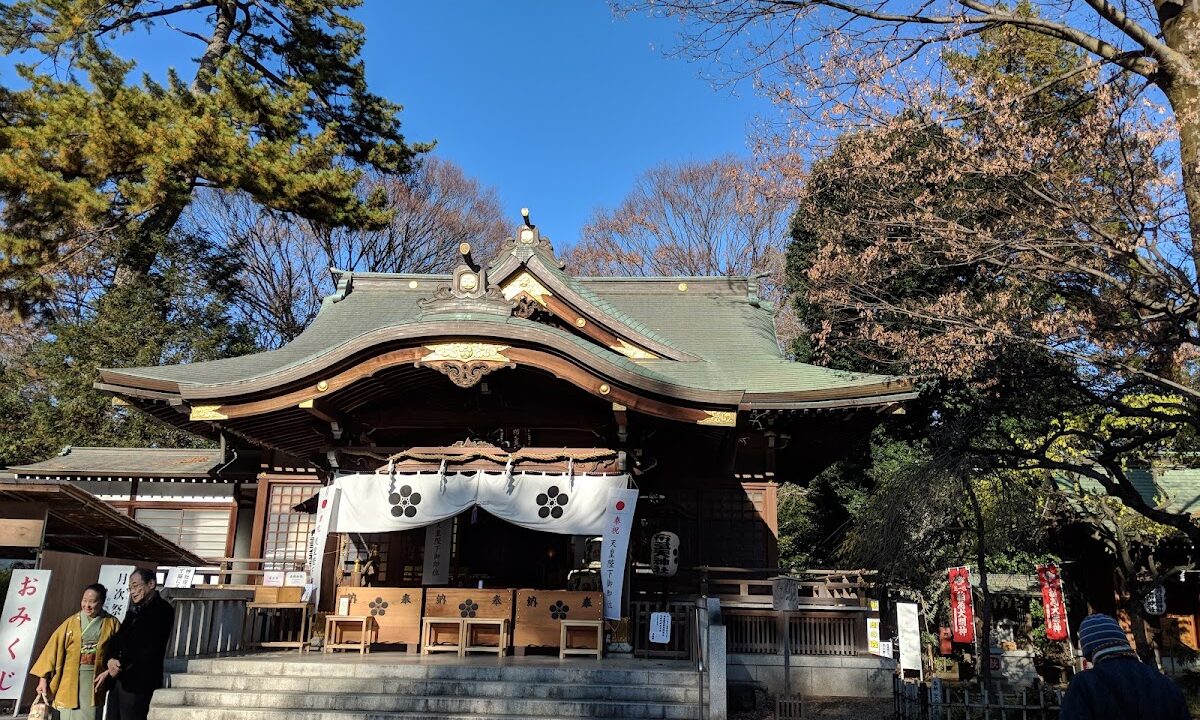
Complete Guide to Fudatenjin Shrine (Chofu City, Tokyo) | The Guardian Shrine of Chofu with Approximately 2000 Years of History
Fudatenjin Shrine, located in Chofu City, Tokyo, is a venerable shrine with a history of approximately 2000 years. As a shrine listed in the Engishiki (an ancient Japanese legal code), it enjoys high status and has been cherished by the local people as the guardian shrine of Chofu. It enshrines Sugawara no Michizane, known as the god of learning, and Sukunahikona-no-Mikoto, attracting many worshippers seeking blessings for academic success and protection from evil.
This article provides a detailed explanation of everything you need to know before visiting Fudatenjin Shrine, including its history, blessings, highlights within the grounds, information on goshuin (shrine stamps) and amulets, and access methods.
History of Futa Tenjin Shrine | An Ancient Shrine with a History of Approximately 2000 Years
Origin of Founding and Status as an Engishiki-Listed Shrine
According to tradition, Futa Tenjin Shrine was founded during the reign of Emperor Suinin, the 11th emperor, approximately 1940 years ago. Because the founding date is so ancient, precise records do not remain. However, it is listed as one of the eight shrines in Tama District, Musashi Province, in the “Engishiki Jinmyocho” (a list of shrines compiled in 927 AD), confirming its status as an ancient shrine with the status of an Engishiki-listed shrine.
An Engishiki-listed shrine is a historically significant shrine recognized by the imperial court during the mid-Heian period. Only a limited number of shrines in Tokyo hold this title. Futa Tenjin Shrine is one such shrine, and has been a center of local faith throughout its long history.
History of Relocation Due to Tama River Floods
A significant turning point in the history of Futa Tenjin Shrine was its relocation in 1477 AD. Originally located south of its current site, near the Tama River, the shrine was moved to its present location in Chofu-ga-oka to avoid repeated flooding of the Tama River.
At the time of this relocation, Sugawara no Michizane, revered as the god of learning, was enshrined alongside the main deity, and since then, the shrine has been widely worshipped as “Tenjin Shrine.” Sugawara no Michizane was a scholar and politician of the Heian period and is revered throughout Japan as the god of learning and literature.
The Guardian Shrine of the Five Post Towns of Fuda: “Goshiku Tenjin”
During the Edo period, the five post towns of Fuda (Kami-Fuda, Shimo-Fuda, Kami-Ishihara, Shimo-Ishihara, and Kokuryo) flourished along the Koshu Kaido road. Fuda Tenjin Shrine, as the guardian shrine of these five post towns, was also known as “Goshiku Tenjin” and attracted the faith of travelers passing along the road and local residents.
Even today, it plays a central role in local festivals and annual events as the guardian shrine of Chofu.
Deities and Benefits
Main Deity: Sukunahikona-no-Mikoto
The main deity of Futa Tenjin Shrine is Sukunahikona-no-Mikoto. Sukunahikona-no-Mikoto is known as a god who, along with Okuninushi-no-Mikoto, built the country, and is worshipped as the god of medicine, hot springs, and incantations.
Despite his small stature, Sukunahikona-no-Mikoto was exceptionally wise and is said to have taught people the art of curing illnesses and cultivating grains. Therefore, he is believed to grant blessings for good health, protection from illness, and longevity.
Enshrined Deity: Sugawara no Michizane
Sugawara no Michizane, enshrined together with the main deity during the relocation in 1477, is widely known as the god of learning. A distinguished scholar and politician of the Heian period, he came to be revered as “Tenjin-sama” due to his scholarship and integrity.
Especially during exam season, many students and their parents visit to pray for academic success. Within the temple grounds is a statue of a cow called the “Sacred Cow,” and it is believed that stroking it will bestow wisdom upon one.
Benefits of Futa Tenjin Shrine
Futa Tenjin Shrine is believed to offer the following benefits:
- Academic Success and Passing Exams: Many worshippers visit the shrine to pray for success in exams and improved academic performance, thanks to the divine virtues of Sugawara no Michizane.
- Good Health and Longevity: You can pray for good health through the power of Sukunahikona-no-Mikoto, the god of medicine.
- Business Prosperity: As the guardian shrine of the region, it protects the prosperity of local businesses.
- Family Safety: You can pray for the peace and happiness of your family.
- Protection from Misfortune: It wards off misfortune at important junctures in life and protects you from disaster.
Highlights and Cultural Assets on the Shrine Grounds
Main Hall, Worship Hall, and Covering Hall
The main hall of Futa Tenjin Shrine was built in 1706 (Hoei 3), making it a valuable building with a history of over 300 years. The main hall (Oiden) was constructed in 1965, and the offering hall, worship hall, and front porch were built in 1985, preserving the beauty of traditional shrine architecture.
A magnificent shimenawa (sacred rope) hangs in front of the worship hall, creating a solemn atmosphere. When visiting, first perform the ritual of two bows, two claps, and one bow at the worship hall.
Sacred Ox (Nade-ushi)
Within the shrine grounds is a sacred ox associated with Sugawara no Michizane. Due to Michizane’s deep connection with oxen, statues of oxen are almost always found at Tenjin shrines.
This sacred ox is affectionately known as the “Nade-ushi” (stroking ox), and there is a belief that stroking the same part of the ox as the part of one’s own body that is ailing will cure the illness. It is also said that stroking its head will bestow wisdom, and so many worshippers stroke it that its surface is polished smooth.
Kitaro’s Forest and a Place Associated with Shigeru Mizuki
Within the grounds of Futa Tenjin Shrine lies a lush, sacred area known as “Kitaro’s Forest.” This name originates from the fact that manga artist Shigeru Mizuki lived in Chofu City for many years, and it is named after his representative work, “GeGeGe no Kitaro.”
Chofu City is known as a place associated with Shigeru Mizuki, and statues of Kitaro and other yokai characters are scattered around the station. Futa Tenjin Shrine is also part of this, and is affectionately known as the shrine where Kitaro resides.
Large trees flourish within the forest, creating a tranquil space that makes you forget the hustle and bustle of the city. Please take a stroll through it when you visit the shrine.
Subsidiary Shrines and Shrines within the Precincts
Within the grounds of Futa Tenjin Shrine, there are several subsidiary shrines, each offering different blessings:
- Kotohira Shrine: God of maritime safety and traffic safety
- Inari Shrine: God of business prosperity and abundant harvests
- Itsukushima Shrine: God of performing arts and financial fortune
By visiting these subsidiary shrines as well, you can receive a wider variety of blessings.
Shrine Office and Assembly Hall
The shrine office within the grounds offers Goshuin (shrine stamps), amulets, and ema (votive tablets). The assembly hall is where Shinto rituals such as weddings and prayers are performed.
Annual Festivals, Rituals, and Events
Grand Festival (September 25th)
The most important festival of Futa Tenjin Shrine is the Grand Festival, held annually on September 25th. This festival, held on the anniversary of the death of Sugawara no Michizane, features a portable shrine procession and sacred dance performances, attracting many parishioners and worshippers.
The local shopping district also participates in the festival, creating a lively atmosphere with numerous stalls. It’s a beloved autumn tradition in Chofu, cherished by local residents.
Monthly Festival (25th of each month)
Futa Tenjin Shrine holds its monthly festival on the 25th of each month. A market is held on the shrine grounds on this day, drawing many worshippers. Especially noteworthy is the occasional performance of sacred dance, offering a rare opportunity to appreciate traditional performing arts up close.
On the day of the monthly festival, you can enjoy an even more vibrant atmosphere on the shrine grounds than usual.
Antique Market (2nd Sunday of each month)
Futa Tenjin Shrine holds an antique market on the second Sunday of each month. 20 to 30 antique dealers set up stalls, offering antique art, old tools, and vintage goods.
This event is popular not only with antique enthusiasts but also with general visitors, offering the enjoyment of searching for hidden treasures and engaging in conversations with shopkeepers. Many people arrive early in the morning, filling the temple grounds with activity.
New Year’s Visit and Events
For the first shrine visit of the new year, many worshippers visit the temple, which serves as the guardian shrine of Chofu. The temple grounds are bustling with people praying for a safe year and the well-being of their families.
The first three days of the New Year are particularly crowded, but there are relatively less busy times, such as early morning and evening on New Year’s Day.
Other Annual Events
- Setsubun Festival (February 3rd): Bean-throwing ceremony and prayers for protection against evil.
- Summer Purification Ceremony (June 30th): A Shinto ritual to purify oneself of the impurities accumulated over the past six months.
- Shichi-Go-San (November): A visit to celebrate the growth of children.
- Year-End Purification Ceremony (December 31st): A ceremony to purify oneself of the impurities accumulated over the year and prepare for the New Year.
Goshuin (Shrine Seal) and Goshuincho (Shrine Seal Book) Information
Types and Designs of Goshuin
At Futa Tenjin Shrine, you can receive a standard goshuin. The goshuin features the calligraphy of “Futa Tenjin Shrine” and the shrine’s seal, serving as a memento of your visit.
While there may be slight variations depending on the calligrapher, the goshuin, written with powerful and beautiful brushstrokes, are valuable as a collection item in a goshuincho.
Original Goshuincho (Stamp Book)
Futa Tenjin Shrine offers original goshuincho (stamp books). The designs reflect the shrine’s history and characteristics, making them popular as souvenirs of your visit.
The goshuincho can be purchased at the shrine office, and you can receive your first goshuin (stamp) on the spot.
Goshuin Issuance Hours and Location
Goshuin (stamps) are available at the shrine office within the grounds. Issuance hours are generally from 9:00 AM to 5:00 PM, but may vary depending on religious ceremonies and events.
Especially during busy periods such as festivals and New Year’s, there may be a waiting time. It is recommended to allow ample time for your visit.
Amulets and Items
Amulets for Academic Success
At Futa Tenjin Shrine, which enshrines Sugawara no Michizane, the god of learning, amulets for academic success and passing exams are particularly popular. Various types are available, including amulets for passing exams and amulets for academic achievement.
Many ema (votive tablets) are inscribed with prayers for academic success, and numerous ema are offered during exam season.
Amulets for Protection from Evil and Health
Amulets for protection from illness and evil are also available. Due to the divine virtues of Sukunahikona-no-Mikoto as the god of medicine, these are popular among worshippers praying for health and longevity.
Other Items Available
- Traffic Safety Amulet: Protects the safety of cars and bicycles
- Family Safety Amulet: Prays for the peace and well-being of the family
- Business Prosperity Amulet: Prays for the development of business
- Ema: Write your wish and offer it
- Omikuji: Fortune telling
These items can be obtained at the shrine office. Each amulet contains the blessings of the gods, so please carry it with you carefully.
Access and Visiting Information
Access by Train
The nearest station to Futa Tenjin Shrine is Chofu Station on the Keio Line and Keio Sagamihara Line.
Access from Chofu Station:
- Approximately 5-8 minutes on foot from the north exit of Chofu Station
- Distance: Approximately 600-700 meters
After exiting the station, head towards the north exit and proceed west along the old Koshu Kaido road. You will see the torii gate of Futa Tenjin Shrine on your right. The path goes through a shopping street, with restaurants and shops along the way.
Access by Car and Parking
Access by Car:
- Approximately 10 minutes from the Chuo Expressway “Chofu IC”
- Head north from the “Chofu Station Entrance” intersection on Koshu Kaido (National Route 20)
Parking Information:
Futa Tenjin Shrine has a parking lot for visitors, but spaces are limited. Especially on festival days, New Year’s Day, and antique market days, crowds are expected, so we recommend using public transportation.
There are also several coin-operated parking lots nearby, so you can use those if the shrine’s parking lot is full.
Visiting Hours
While you can generally visit the shrine grounds freely, the shrine office is generally open from 9:00 to 17:00. If you wish to receive a Goshuin (shrine stamp) or amulet, please visit within these hours.
Early mornings and late evenings are quieter times for worship and are recommended for those who wish to pray at their own pace.
Basic Information
- Location: 1-8-1 Chofugaoka, Chofu City, Tokyo
- Phone Number: 042-489-0022
- Shrine Office Hours: 9:00 AM – 5:00 PM (approx.)
- Official Website: Yes (Please search for details)
Nearby Attractions and Tourist Spots
Shopping Streets around Chofu Station
A lively shopping street stretches from Futa Tenjin Shrine to Chofu Station. It includes “Chofu Ginza Shopping Street” and “Chofu North Exit Shopping Street,” lined with restaurants and general stores.
You can enjoy meals and shopping before or after visiting the shrine.
Jindaiji Temple
Within Chofu City is Jindaiji Temple, the second oldest temple in Tokyo after Senso-ji Temple. It’s about a 10-minute drive from Futa Tenjin Shrine, and also accessible by bus.
The area around Jindaiji Temple, famous for its Jindaiji soba noodles, is also a popular spot for nature walks.
Jindai Botanical Garden
Located next to Jindaiji Temple, Jindai Botanical Garden is one of Tokyo’s leading botanical gardens, boasting approximately 4,800 species and 100,000 plants. Visitors can enjoy flowers throughout the seasons.
Kitaro-related Spots
Around Chofu Station, statues of yokai characters from Shigeru Mizuki’s works are scattered about. Enjoy a stroll through the town while searching for various characters such as “Kitaro,” “Medama Oyaji,” and “Nezumi Otoko.”
Manners and Etiquette for Visiting Shrines
How to Pass Through a Torii Gate
The torii gate of a shrine is the entrance to the sacred area. Before passing through the torii gate, bow and compose yourself before entering the grounds. Since the center of the path is considered the path of the gods, it is polite to walk along the side.
How to Purify Yourself at the Water Basin
- Hold the ladle in your right hand and purify your left hand.
- Switch the ladle to your left hand and purify your right hand.
- Switch the ladle back to your right hand, receive water in your left hand, and rinse your mouth (do not put your mouth directly on the ladle).
- Purify your left hand once more.
- Stand the ladle upright and let water flow over the handle to purify it.
- Return the ladle to its original place.
How to Worship at the Main Hall
- Stand in front of the offering box and bow slightly.
- Gently place your offering in the box.
- If there is a bell, ring it.
- Bow twice (bowing deeply twice).
- Clap your hands twice.
- With your hands clasped together, silently recite your wish.
- Bow once (bowing deeply once).
This “two bows, two claps, one bow” is the basic etiquette for visiting a shrine.
The Charm of Futa Tenjin Shrine and a Recommendation for Visiting
Futa Tenjin Shrine boasts a history of approximately 2000 years, combining the prestige of being an Engishiki-listed shrine with the familiarity of a local guardian shrine of Chofu.
It enshrines two deities: Sugawara no Michizane, the god of learning, and Sukunahikona-no-Mikoto, the god of medicine, offering a wide range of blessings from academic success to health and longevity. The lush grounds offer a peaceful space for worship, allowing visitors to forget the hustle and bustle of the city.
It also functions as a place for interaction with the local community, hosting monthly antique markets and festivals, offering new discoveries with each visit. Its convenient location within walking distance of Chofu Station is another attractive feature.
Futa Tenjin Shrine is visited by people with various wishes, including students preparing for exams, those praying for good health, and those reaching milestones in their lives. Why not visit it at least once?
Summary
Futa Tenjin Shrine (Chofu City, Tokyo) is a venerable shrine with a history of approximately 2000 years, and has long been revered by the local community as the guardian shrine of Chofu. It enshrines Sugawara no Michizane, the god of learning, and Sukunahikona-no-Mikoto, and is believed to bring blessings for academic success, good health, and business prosperity.
The shrine grounds offer many attractions, including the main hall with over 300 years of history, a sacred ox, and Kitaro’s Forest. Regular events are also held, such as an antique market on the second Sunday of each month and a monthly festival on the 25th.
It is easily accessible, about a 5-8 minute walk from Chofu Station on the Keio Line. After visiting the shrine, you can enjoy strolling through Chofu’s shopping streets or visiting Jindaiji Temple. It’s a shrine worth visiting not only during exam season, but also at important milestones in life.