Kasumine Shrine (Chofu City, Tokyo) Complete Guide | A Shrine Dedicated to the God of Agriculture, Situated on a Burial Mound
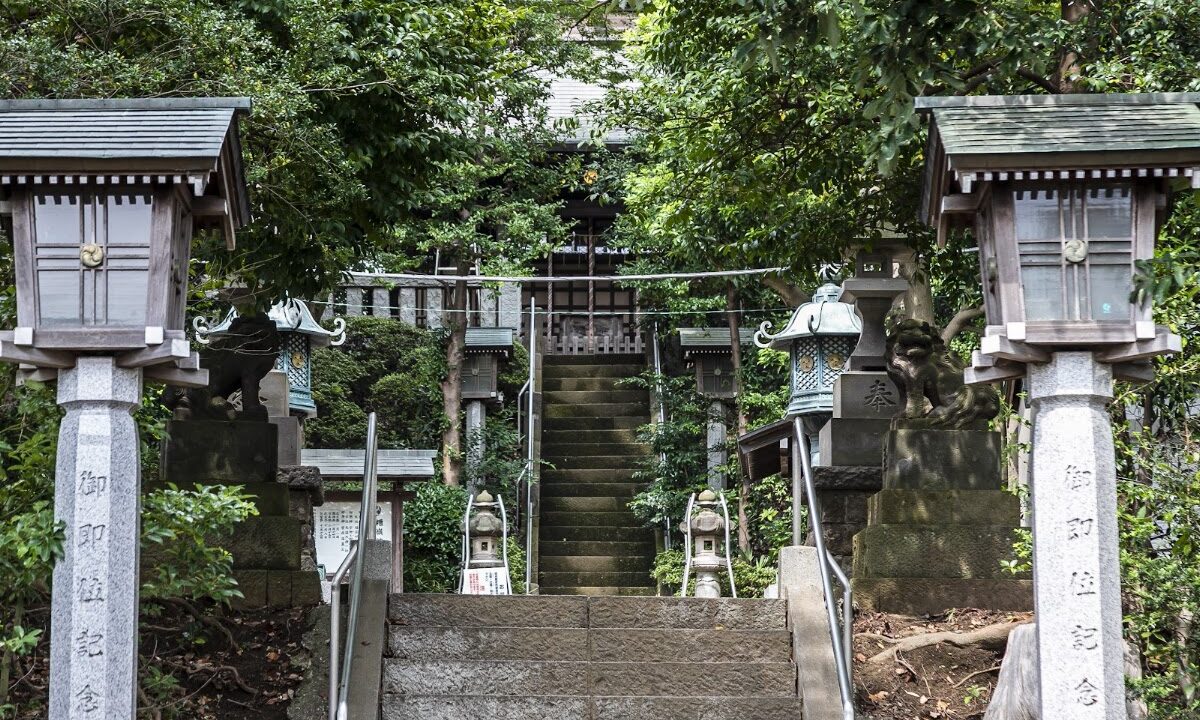
Kasumine Shrine, located in Iruma-cho, Chofu City, Tokyo, is known as a rare shrine with its main hall built on top of a burial mound. It enshrines Kasumine-no-Okami, the god of agriculture, and has long been revered by the local people. This article provides a detailed introduction to Kasumine Shrine, including its history, enshrined deities, highlights of the grounds, and access information.
Basic Information about Kasumine Shrine
Shrine Name: Kasumine Shrine
Location: 2-19-3 (or 2-19-13) Iruma-cho, Chofu City, Tokyo 182-0004
Deity Enshrined: Kasumine-no-Okami
Shrine Rank: Former Village Shrine
Annual Festival Date: October 8th
Managing Shrine: Kokuryo Shrine (Main Shrine)
Telephone Number: 042-482-5207 (Kokuryo Shrine)
Kasumine Shrine is managed by the same priest who serves Kokuryo Shrine. Inquiries regarding worship and prayers should be directed to Kokuryo Shrine (Business Hours: 9:00 AM – 12:00 PM, 1:00 PM – 4:00 PM).
Deity and Divine Virtues of Kasumine Shrine
Kasumine-no-Okami
The deity enshrined at Kasumine Shrine is Kasumine-no-Okami. This deity has been revered by the local people since ancient times as the god of agriculture. While detailed historical records are scarce and many aspects remain unclear, judging from the place name and shrine name, it is believed that this deity was deeply involved in the development and agriculture of this region.
For those engaged in agriculture, this deity is an important object of worship for praying for abundant harvests and bountiful crops, and even today, it receives fervent devotion from local agricultural workers and residents.
Divine Virtues
- Abundant Harvest: Prayers for a bountiful harvest of crops
- Industrial Prosperity: Development of agriculture and other industries
- Regional Protection: Peace and prosperity for the Iruma-cho area
History and Origins of Kasumine Shrine
Founding Date Unknown
The founding date of Kasumine Shrine is unknown, as there are no clear records. However, given that the shrine grounds are located on a burial mound and based on local traditions, it is presumed to have been an object of worship since ancient times.
One of the Four Major Burial Mounds of Tama County
The site where Kasumine Shrine is located is a burial mound said to be one of the four major burial mounds of Tama County. This mound boasts a height of 2 ken 1 shaku (approximately 3.81 meters) and a circumference of over 70 ken (approximately 127 meters).
This burial mound, believed to have been constructed during the Kofun period, is highly likely to have been the tomb of a powerful figure who ruled this region at the time. Later, a shrine was built on top of it, making it a valuable historical site that tells the story of Japanese Shinto worship.
Relocation in the 8th Year of the Hōreki Era
According to tradition, Kasumine Shrine was originally located at the foot of the burial mound. However, it is said to have been relocated to its current location on top of the mound in the 8th year of the Hōreki Era (1758).
While there are no clear records of the reason for this relocation, possible explanations include improvements to the sacred area, changes in religious practices, or measures against natural disasters such as floods. Relocating to the high ground of the burial mound may have enhanced its sanctity and strengthened its role as a guardian deity overlooking the surrounding area.
Ranking as a Village Shrine in the Meiji Era
With the establishment of a modern shrine system during the Meiji era, Kasumine Shrine was ranked as a village shrine in December 1873 (Meiji 6). This meant that, under the shrine ranking system of the time, it was officially recognized as the guardian shrine of the village.
This ranking established Kasumine Shrine’s position as a shrine responsible for the public religious ceremonies of the region, and it has functioned as a central religious facility in Iruma Village (present-day Iruma-cho, Chofu City).
Modern Management System
Currently, Kasumine Shrine is a concurrently managed shrine (administered by) Kokuryo Shrine, a prominent shrine in Chofu City. The chief priest of Kokuryo Shrine also performs the rituals at Kasumine Shrine, and annual events, including the annual festival, continue to be held.
Highlights of the Shrine Grounds
Shrine on a Burial Mound
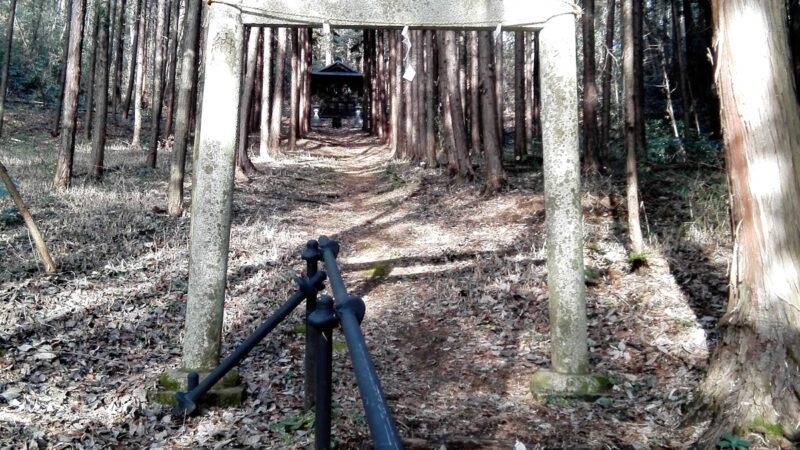
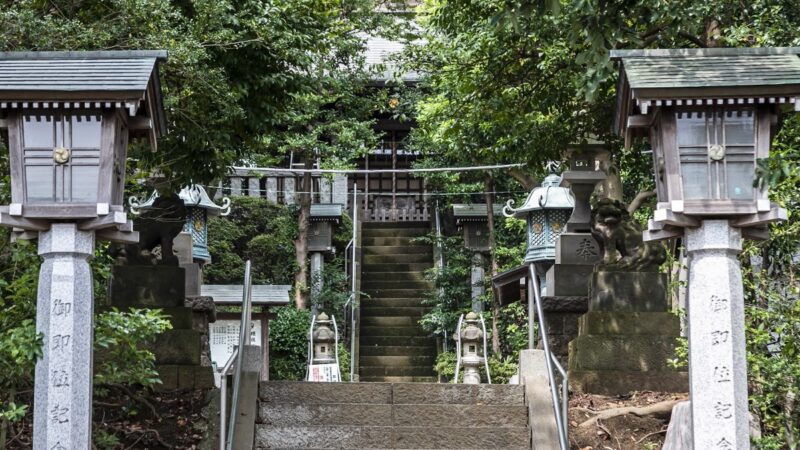
The most distinctive feature of Kasumine Shrine is undoubtedly that the shrine is built on top of a burial mound. Climbing the stone steps leading up the burial mound, a small shrine appears. Located on a hill, it offers panoramic views of the surrounding landscape, allowing one to feel the atmosphere of a sacred site where a powerful clan once ruled this land.
The landscape, where the burial mound and shrine are integrated, is a valuable cultural heritage that demonstrates the historical layering of Japanese faith.
Estimated 500-Year-Old Japanese Black Pine
Near the torii gate in front of the shrine stands a magnificent ancient Japanese black pine tree, estimated to be around 500 years old. This giant tree is a living witness that has watched over Kasumine Shrine for many years, telling the story of the shrine’s profound history.
Its beautiful form makes it a beloved sacred tree welcoming visitors. This ancient tree, which displays different expressions depending on the season, is also a popular spot for photography.
Subsidiary Shrines (Shrine within the Precincts)
Several subsidiary shrines are enshrined within the grounds of Kasumine Shrine.
Inari Shrines (2 shrines)
There are two shrines dedicated to Inari, the god of business prosperity and abundant harvests. They are characterized by their vermilion torii gates and attract worshippers from local businesses and industries.
Tenjin Shrine
There is also a Tenjin Shrine dedicated to Sugawara no Michizane, the god of learning. It is visited by students taking exams and those praying for academic success.
Akiba Shrine
The Akiba Shrine, known as the god of fire prevention, is also enshrined within the grounds (descriptions may vary depending on the source).
These subsidiary shrines, along with the main deity Kasumine-no-Okami, have met the diverse religious needs of the local residents.
Relationship with Myoshoin Temple
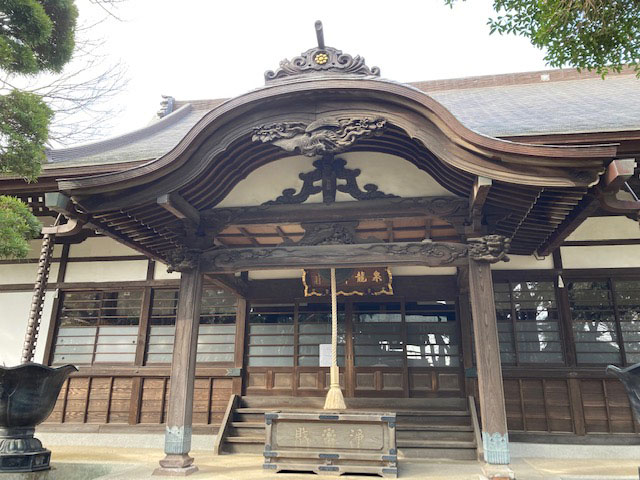
To the south of Kasumine Shrine are stone steps leading down to Myoshoin Temple, a Tendai Buddhist temple. Meishoin Temple is an ancient temple founded in the mid-16th century (late Muromachi period) and is also known as the temple that enshrines Benzaiten, one of the Seven Lucky Gods of Chofu.
The temple grounds are divided into two parts by the burial mound: Kasumine Shrine is located on the higher ground, and Meishoin Temple on the lower ground, creating a unique landscape surrounded by ancient trees. This adjacent arrangement of Shinto and Buddhism is said to be a remnant of the syncretism of Shinto and Buddhism from the Edo period and earlier.
Meishoin Temple is located at 2-19-12 Iruma-cho, Chofu City, Tokyo, and many people visit both Kasumine Shrine and Meishoin Temple together.
Annual Festivals and Events
Grand Festival (October 8th)
The most important festival of Kasumine Shrine is the Grand Festival, held annually on October 8th. On this day, the chief priest of Kokuryo Shrine visits Kasumine Shrine, and a solemn ceremony is held.
The annual festival is held to pray for a bountiful harvest and the safety of the community, with parishioners and local residents in attendance. Because it takes place during the autumn harvest season, it is a festival with a strong emphasis on expressing gratitude to the god of agriculture.
Other Festivals
In addition to the annual festival, Kasumine Shrine holds various festivals throughout the year, including a New Year’s prayer ceremony. For details, please contact Kokuryo Shrine, the main shrine of the shrine.
Access Information
We will guide you on how to access Kasumine Shrine.
Access by Train and Bus
From Keio Line “Tsutsujigaoka Station”
- Walking: Approximately 14-17 minutes
- Head southwest from the south exit of the station, towards Iruma-cho.
From Keio Line “Sengawa Station”
- Walking: Approximately 16 minutes
- Bus: Approximately 5 minutes
From Keio Line “Chofu Station”
- Take the [N04] bus bound for Seijo Gakuen-mae Station West Exit from the Chofu Station South Exit Bus Terminal.
- Get off at the “Meishoin-mae” or “Meishoin” bus stop, then walk 2-3 minutes.
If using the bus, the “Meishoin” bus stop is the closest. Kasumine Shrine is a few minutes’ walk from the bus stop.
Access by Car
From the Takaido Interchange on the Metropolitan Expressway Route 4 Shinjuku Line
- Distance: Approximately 4km
- Travel Time: Approximately 10-15 minutes (depending on traffic conditions)
Parking
Kasumine Shrine itself does not have a dedicated parking lot. We recommend using nearby coin-operated parking lots or accessing the shrine by public transport.
Map of the Surrounding Area
Kasumine Shrine is located in a residential area of Iruma-cho, Chofu City, adjacent to Meishoin Temple. It is located almost midway between Tsutsujigaoka Station and Sengawa Station, and is within walking distance from either station.
Points and Precautions for Visiting
Visiting Hours
Kasumine Shrine is generally open for worship all day, but since the shrine office functions are handled by the main shrine, Kokuryo Shrine, please inquire during Kokuryo Shrine’s business hours (9:00-12:00, 13:00-16:00) if you wish to receive a Goshuin (shrine stamp) or prayers.
About Goshuin (Shrine Seals)
If you wish to obtain a Goshuin from Kasumine Shrine, please go to the main shrine, Kokuryo Shrine (1-7-1 Kokuryo-cho, Chofu City). We recommend confirming by phone (042-482-5207) in advance.
Visiting Etiquette
- As the shrine is built on top of an ancient burial mound, please be very careful when ascending and descending the stone steps.
- As it is located in a residential area, please refrain from loud conversations and noise.
- The shrine grounds are a sacred place. Please be sure to take your trash with you.
- Photography is permitted, but please be considerate of other visitors.
Nearby Attractions
When visiting Kasumine Shrine, why not also visit the following nearby spots?
Meishoin Temple
A Tendai sect temple located just south of Kasumine Shrine. It enshrines Benzaiten, one of the Chofu Seven Lucky Gods, and you can visit its historic main hall and gardens.
Kokuryo Shrine
The main shrine of Kasumine Shrine. Located in Kokuryo-cho, Chofu City, it boasts a larger shrine building and grounds. You can also obtain a Goshuin (shrine stamp) here.
Chofu City Local History Museum
A museum where you can learn about the history and culture of Chofu City. It exhibits artifacts from the Kofun period, deepening your understanding of the burial mound on which Kasumine Shrine stands.
The Charm and Value of Kasumine Shrine
The Fusion of Burial Mound and Shrine
The greatest charm of Kasumine Shrine lies in its unique location: a shrine built on top of a burial mound. This place, where the remains of the Kofun period and Shinto beliefs are integrated, is a valuable example for considering the religious and cultural history of Japan.
The fact that the burial mound is not merely preserved as a historical site, but continues to live on as an object of worship, demonstrates the continuity of Japanese faith.
Conveying Local History
Kasumine Shrine embodies the history of Iruma-cho itself. This shrine has walked hand in hand with the development of the local community, which is centered on agriculture, and serves as a cornerstone of the local residents’ identity.
Its designation as a village shrine during the Meiji period demonstrates that traditional local beliefs were respected even amidst modernization, showing that Kasumine Shrine was an indispensable presence in the community.
A Quiet Space for Prayer
Despite being located in a residential area, the shrine grounds, surrounded by ancient trees, maintain a tranquil atmosphere. Away from the hustle and bustle of the city, it is a valuable place of solace not only for local residents but also for visitors to Chofu City, offering a space for peaceful worship.
The experience of praying in the shrine grounds, watched over by a black pine estimated to be 500 years old, while reflecting on the history of faith that has continued since ancient times, will bring valuable spiritual fulfillment to modern people.
Summary
Kasumine Shrine, located in Iruma-cho, Chofu City, Tokyo, is a shrine of high historical and cultural value as a rare shrine built on top of an ancient burial mound. This shrine, dedicated to Kasumine-no-Okami, the god of agriculture, has long been revered by the local people.
While the exact founding date is unknown, it was moved to its current location in 1758 (Hōreki 8) and designated a village shrine in 1873 (Meiji 6), making it a historically significant shrine. Currently managed by Kokuryō Shrine, it holds annual festivals, including the grand festival on October 8th.
Highlights include a black pine tree estimated to be 500 years old and the syncretic Shinto-Buddhist landscape with the adjacent Myōshō-in Temple. Within walking distance of Tsutsujigaoka and Sengawa stations on the Keio Line, and accessible by bus from Chōfu Station, it’s a rare shrine in Tokyo where one can enjoy a peaceful visit.
When visiting Chōfu City, be sure to visit Kasumine Shrine and experience its history of faith dating back to the Kofun period and the prayers offered to the god of agriculture.