Nagane Hachiman Shrine (Tokyo) Complete Guide | History, Benefits, Access, and Goshuin Information
Nagane Hachiman Shrine, located in Ota Ward, Tokyo, is a historic shrine cherished by the local community. This article provides detailed information useful for visitors, including the shrine’s history, benefits, highlights within the grounds, goshuin (shrine stamps), and access methods.
About Nagane Hachiman Shrine
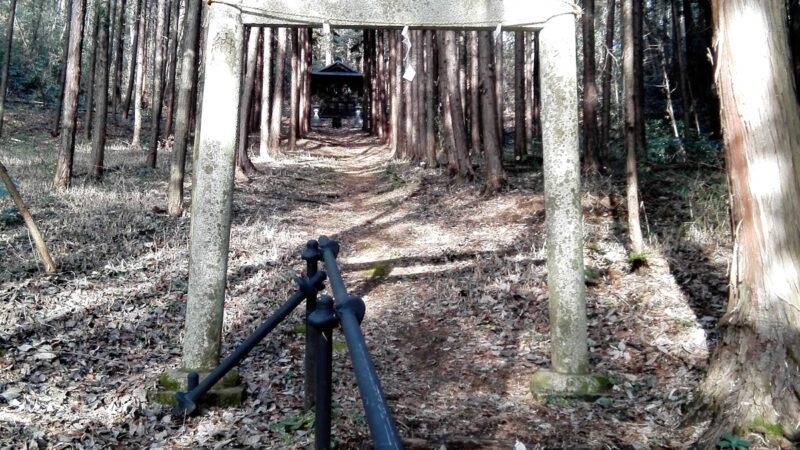
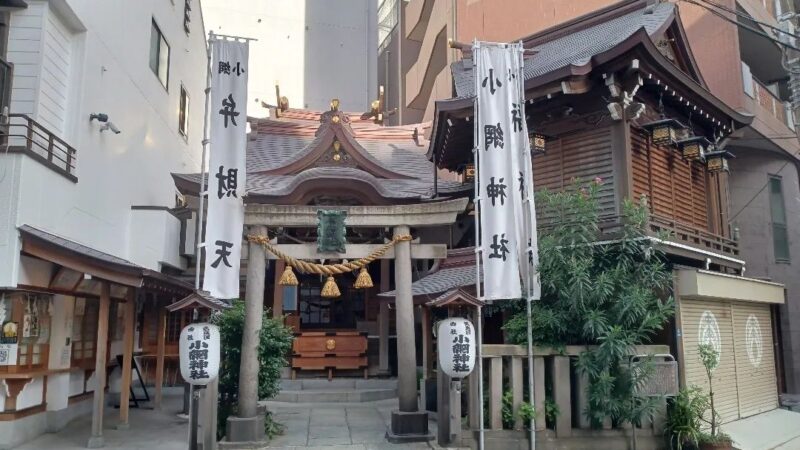
Nagane Hachiman Shrine is a shrine located in Higashi-Yukigaya, Ota Ward, Tokyo, and has long been revered as the local guardian deity. The shrine grounds, quietly nestled in a residential area, offer a tranquil atmosphere that allows visitors to forget the hustle and bustle of the city.
Basic Information
Location: 2-25-1 Higashi-Yukigaya, Ota-ku, Tokyo
Main Deity: Hondawake-no-Mikoto (Emperor Ojin)
Shrine Rank: Former Village Shrine
Annual Festival Date: Around September 15th
History and Origins of Nagane Hachiman Shrine
History of Founding
The founding of Nagane Hachiman Shrine is said to date back to before the Edo period. This area has long been called “Nagane,” and is believed to have been named after its geographical feature of a long, extending plateau. Hachiman worship was widely practiced among the samurai class as the tutelary deity of the Minamoto clan, and many Hachiman shrines were established in the Kanto region.
Nagane Hachiman Shrine, along with the development and cultivation of this region, has served as the village’s guardian shrine and a spiritual anchor for the local residents. It has been cherished across generations as a place where agricultural workers prayed for abundant harvests, as well as for military success and family safety.
History Since the Meiji Era
Due to the reforms of the shrine system during the Meiji era, Nagane Hachiman Shrine was ranked as a village shrine. While many shrines were consolidated during this period, Nagane Hachiman Shrine maintained its position as a central shrine in the region.
Even after the war damage of the Showa era and the urbanization of the high-growth economic period, the shrine was preserved thanks to the fervent faith and protection of the local residents. It is still carefully maintained and managed by parishioners and devotees today.
Deities and Benefits
Main Deity: Homudawake-no-Mikoto (Emperor Ojin)
The main deity of Nagane Hachiman Shrine is Homudawake-no-Mikoto, also known as Emperor Ojin, the 15th emperor. Emperor Ojin is enshrined as Hachiman-sama in Hachiman shrines throughout Japan, possessing characteristics of both a god of war and a god of culture and industry.
Expected Benefits
The main benefits you can expect at Nagane Hachiman Shrine are as follows:
Victory and Long-Lasting Military Fortune: Hachiman has been worshipped as a god of war since ancient times, and is believed to grant strength to face challenges and difficulties. People facing various “competitions,” such as entrance exams, job hunting, and sports matches, visit the shrine.
Protection from Misfortune and Disaster: As a guardian deity of the region, Hachiman is believed to have the power to protect people from various calamities.
Family Safety: Many families worship Hachiman as a god who protects the health and peace of their families.
Child-Rearing and Safe Childbirth: Based on the legend of Empress Jingu, the mother of Emperor Ojin, Hachiman is also worshipped as a guardian deity of safe childbirth and child-rearing.
Abundant Harvest and Business Prosperity: As a god of industry, Hachiman is also worshipped by people praying for prosperity in agriculture and commerce.
Highlights of the Shrine Grounds
Shrine Buildings
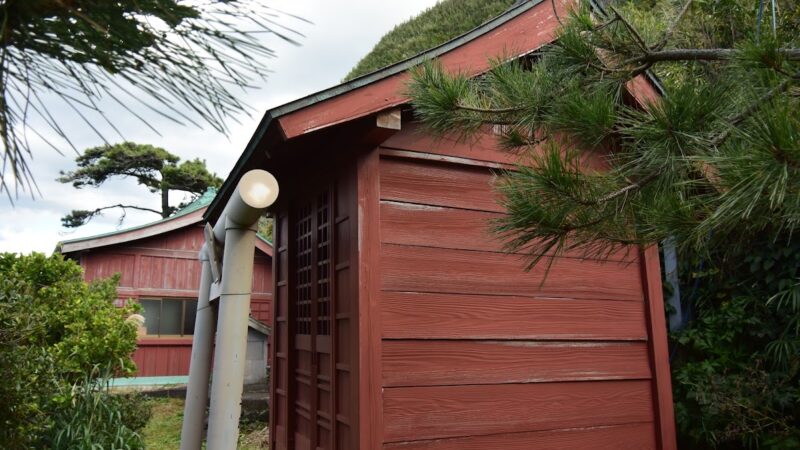
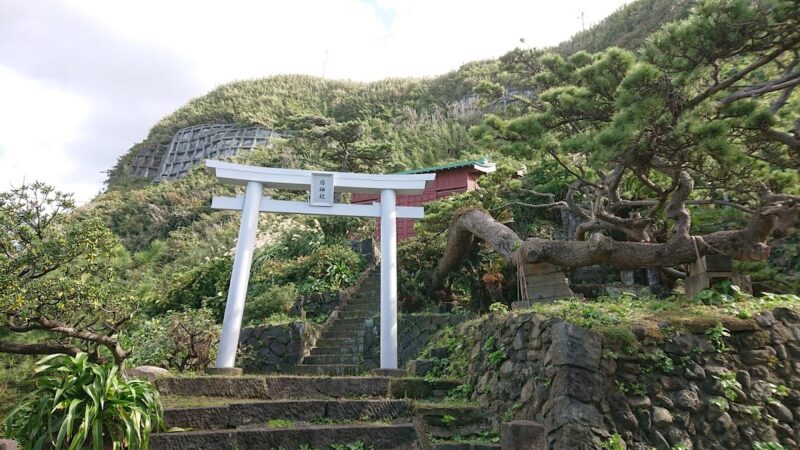
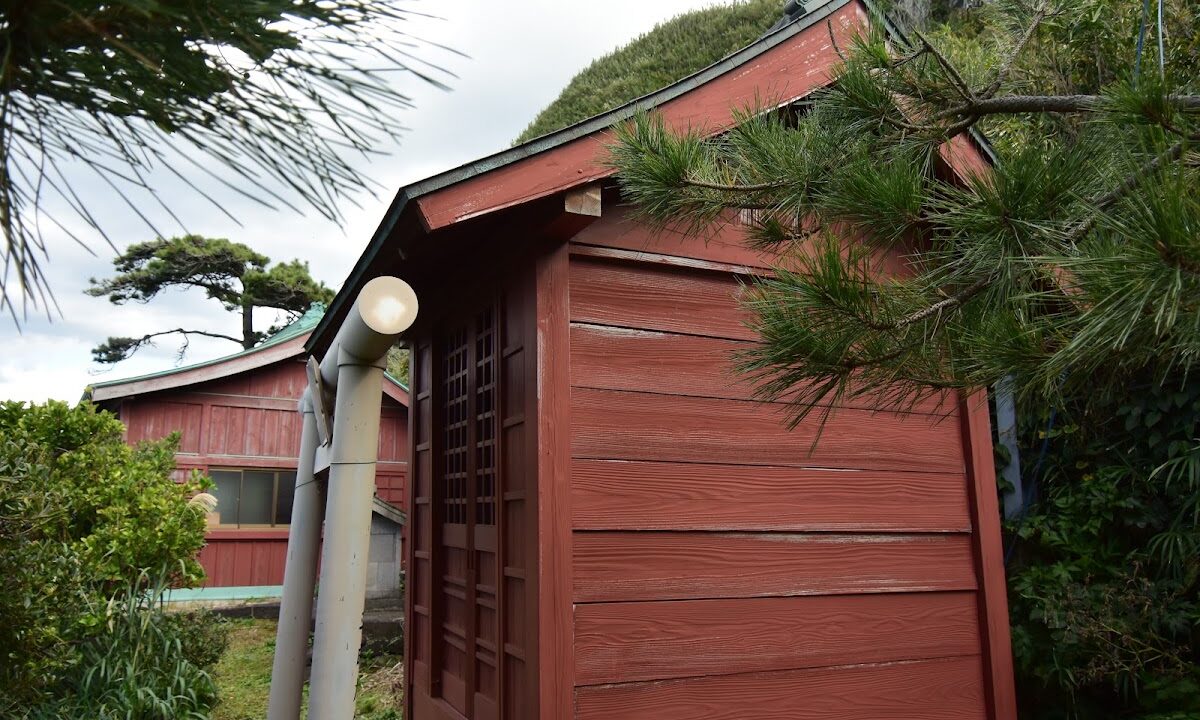
The shrine buildings of Nagane Hachiman Shrine maintain a traditional shrine architectural style while possessing a friendly atmosphere. The main hall, though simple, is meticulously maintained, reflecting the deep faith of the local people.
Water Basin
As you proceed along the approach to the shrine, you will find a water basin for purifying your body and mind before praying. When visiting, be sure to purify your hands and mouth using the correct etiquette before praying.
Atmosphere of the Shrine Grounds
Despite being located in a residential area, a tranquil atmosphere permeates the shrine grounds. Surrounded by large trees, the grounds display different expressions with each season, offering solace to visitors. Especially during the seasons of fresh greenery and autumn leaves, it becomes a peaceful oasis in the city.
Annual Events and Grand Festival
Grand Festival
The Grand Festival of Nagane Hachiman Shrine is held annually around September 15th. This day marks the most important festival for the shrine, where local people gather to express gratitude to the gods and pray for their continued protection.
During the annual festival, the portable shrine (mikoshi) is sometimes paraded through the community, playing a vital role in uniting the local area. Amidst the energetic shouts of children, you can witness the tradition being passed down to the next generation.
First Shrine Visit of the New Year
Many people from the community visit the shrine for their first shrine visit of the new year. While not as crowded as large shrines, there’s a warm atmosphere as locals exchange New Year’s greetings while praying.
Other Annual Events
- Setsubun Festival (February): Bean-throwing and other rituals may be held.
- Summer Purification Ceremony (End of June): A Shinto ritual to purify oneself of impurities accumulated over the past six months.
- Shichi-Go-San Festival (November): A pilgrimage to celebrate the growth of children.
About Goshuin (Shrine Seals)
Issuance of Goshuin
At Nagane Hachiman Shrine, it may be possible to receive a goshuin, but since there may not always be a resident priest, we recommend checking in advance. Smaller shrines often have priests from other shrines managing them, and the issuance hours may be limited.
Precautions When Receiving a Goshuin
A goshuin is proof of your visit, not a stamp rally. Always complete your visit first, bring your goshuin book, and politely request a goshuin.
- Requests to make after visiting the shrine
- Prepare a Goshuincho (stamp book) (avoid notebooks or colored paper)
- Prepare a donation (generally around 300-500 yen)
- Don’t forget to express your gratitude to the Shinto priest
Access Methods
Access by Train
The Tokyu Ikegami Line is the most convenient way to reach Nagane Hachiman Shrine.
Nearest Stations: Tokyu Ikegami Line “Senzokuike Station” or “Ishikawadai Station”
- From Senzokuike Station: Approximately 10-12 minutes on foot
- From Ishikawadai Station: Approximately 12-15 minutes on foot
Both stations lead through residential areas. Checking the route from the station to the shrine using a map app beforehand will make your journey smoother.
Access by Bus
While the nearest bus stop is within walking distance, the number of buses and routes are limited, so access by train is more reliable.
Access by Car and Parking
If you are visiting by car, please note that the shrine likely does not have a dedicated parking lot, or has very limited parking. Therefore, we recommend using public transportation. If you absolutely must visit by car, please use a nearby coin-operated parking lot and drive considerately, as it is a residential area.
Landmarks in the Surrounding Area
The shrine is located in a residential area of Higashi-Yukigaya, Ota Ward, surrounded by typical houses. It is also relatively close to Senzokuike Park, so you can visit it in conjunction with a stroll around Senzokuike.
Manners and Etiquette for Visiting a Shrine
Basic Etiquette for Visiting a Shrine
When visiting a shrine, please observe the following basic etiquette:
- Bow before passing through the torii gate: This is a greeting when entering the sacred area.
- Walk along the edge of the path: The center is considered the path of the gods.
- Purify yourself at the water basin:
- Hold the ladle in your right hand and purify your left hand.
- Switch the ladle to your left hand and purify your right hand.
- Switch the ladle back to your right hand, receive water in your left hand, and rinse your mouth.
- Purify your left hand once more.
- Hold the ladle upright and purify the handle.
- Worship at the main hall:
- Quietly place your offering in the offering box.
- Ring the bell if there is one.
- Two bows, two claps, one bow (bowing deeply twice, clapping twice, bowing deeply once).
- Bow again at the torii gate on your way out: With gratitude.
Attire for Visiting the Shrine
Unless you are receiving a special prayer, everyday clothes are acceptable, but it is desirable to dress appropriately as it is a sacred place. Avoid overly revealing clothing or overly casual attire such as sandals.
Nearby Tourist Attractions
Senzokuike Park
Senzokuike Park, within walking distance of Nagane Hachiman Shrine, is a representative recreational area of Ota Ward. This park, centered around a vast pond, is also known as a famous cherry blossom viewing spot. In spring, approximately 200 cherry trees bloom, attracting many visitors.
You can enjoy the changing seasons by strolling along the pond or taking a boat ride. There are also historical sites such as the graves of Katsu Kaishu and his wife, and Myofuku-ji Temple, associated with Nichiren Shonin, making it a great place for historical exploration.
Ikegami Honmon-ji Temple
A short distance away is Ikegami Honmon-ji Temple, the head temple of the Nichiren sect. The vast grounds of Nagane Hachiman Shrine boast many attractions, including a five-story pagoda designated as an Important Cultural Property and stone steps donated by Kato Kiyomasa.
The Charm of Nagane Hachiman Shrine
Warmth Rooted in the Community
The greatest charm of Nagane Hachiman Shrine lies in its warm, community-rooted atmosphere. Unlike large-scale tourist shrines, it quietly but surely watches over the community as a place of daily faith for local people.
Tranquility in the City
Despite being located in the metropolis of Tokyo, stepping onto the shrine grounds allows you to escape the hustle and bustle of the city and enjoy a peaceful time. It is worth visiting as a place to calm your mind and escape from the busy daily routine.
Inheritance of History
Despite being a small shrine, Nagane Hachiman Shrine has a long history and has been carefully preserved by the local people. Its presence evokes the origins of the relationship between Japanese local communities and shrines.
Points to Note When Visiting
Consideration for the Residential Area
Nagane Hachiman Shrine is located in a residential area, so consideration for the surrounding residents is necessary when visiting. Please refrain from loud conversations and illegal parking, and pray quietly.
Shrine Office Opening Hours
Since there may not be a resident priest, it is recommended to contact the shrine in advance to confirm if you wish to receive a Goshuin (shrine stamp) or prayer. The shrine office is more likely to be open on special days such as the annual festival.
Photography
Photography is generally permitted on the shrine grounds, but please be considerate of other visitors and refrain from taking pictures in areas where photography is prohibited, such as inside the main hall.
Finding Peace of Mind at Nagane Hachiman Shrine
In modern society, we are often so busy that it is difficult to maintain peace of mind. Small local shrines like Nagane Hachiman Shrine offer us an opportunity to find peace of mind.
Visiting a shrine is not just about making wishes; it is also a time to reflect on oneself and renew one’s gratitude. When you visit Nagane Hachiman Shrine, take your time to stroll through the grounds and enjoy some peaceful time.
Summary
Nagane Hachiman Shrine is a historic shrine located in Higashi-Yukigaya, Ota-ku, Tokyo. It enshrines Emperor Ojin (Homudawake-no-Mikoto) and is believed to bring good fortune, protection from evil, family safety, and safe childbirth.
Despite being located in a residential area, it maintains a tranquil atmosphere and is a shrine cherished by the local community, making it well worth a visit. It is accessible on foot from either Senzokuike Station or Ishikawadai Station on the Tokyu Ikegami Line, and can be visited in conjunction with the nearby Senzokuike Park.
Unlike large-scale tourist shrines, Nagane Hachiman Shrine is charming for its warm, community-rooted atmosphere. When you want to escape the hustle and bustle of the city and find peace of mind, please visit. A special space where the history of the region and the faith of its people breathe awaits you.