Complete Guide to Koami Shrine (Tokyo): A Thorough Explanation of the Benefits of Good Fortune, Protection from Evil, and Money-Washing Benzaiten, as well as History and Access
Koami Shrine, located in Koamicho, Nihonbashi, Chuo-ku, Tokyo, is one of Tokyo’s leading power spots, known for its blessings of good fortune, protection from evil, and increased wealth, despite being in the heart of the city surrounded by skyscrapers. Many visitors come for reasons such as the shrine buildings miraculously surviving the destruction of World War II and the Manpuku Funanori Benzaiten, worshipped as Tokyo’s Money-Washing Benzaiten.
This article comprehensively introduces all the information you need to know before visiting Koami Shrine, including its history, enshrined deities, benefits, access methods, and information on Goshuin (shrine stamps).
History of Koami Shrine: From its Founding in Bunsho 1 to the Present
Founding and History
Koami Shrine is said to have been founded in Bunsho 1 (1466). During the mid-Muromachi period, it is believed that the shrine originated as the Inari shrine of the wealthy local lord, Manpuku Choja. Later, during an epidemic, prayers were offered to Inari Okami (the Inari deity), and the plague subsided. Since then, the shrine has been deeply revered as the guardian deity of the region.
During the Edo period, it was the guardian shrine of Koami-cho, attracting the faith of local residents, and was formerly ranked as a village shrine. Following the Meiji Restoration and the separation of Shinto and Buddhism, the previously syncretic Buddhist elements and Shinto were separated, but the worship of Benzaiten (the goddess of fortune) continues to this day.
Construction of the Current Shrine and Cultural Property Designation
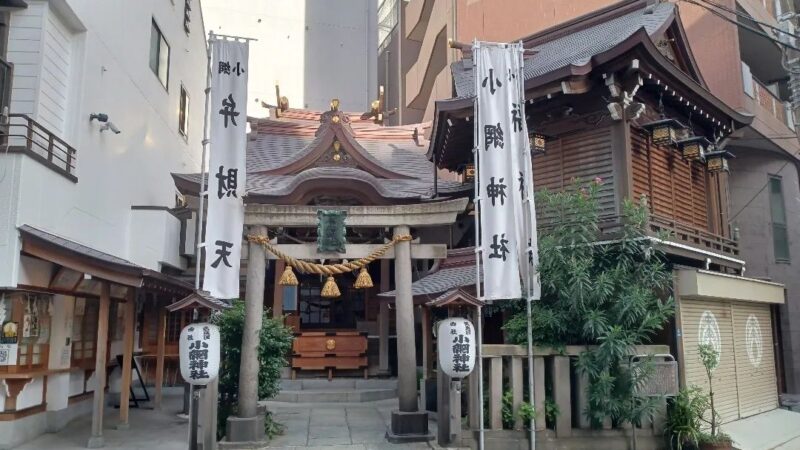
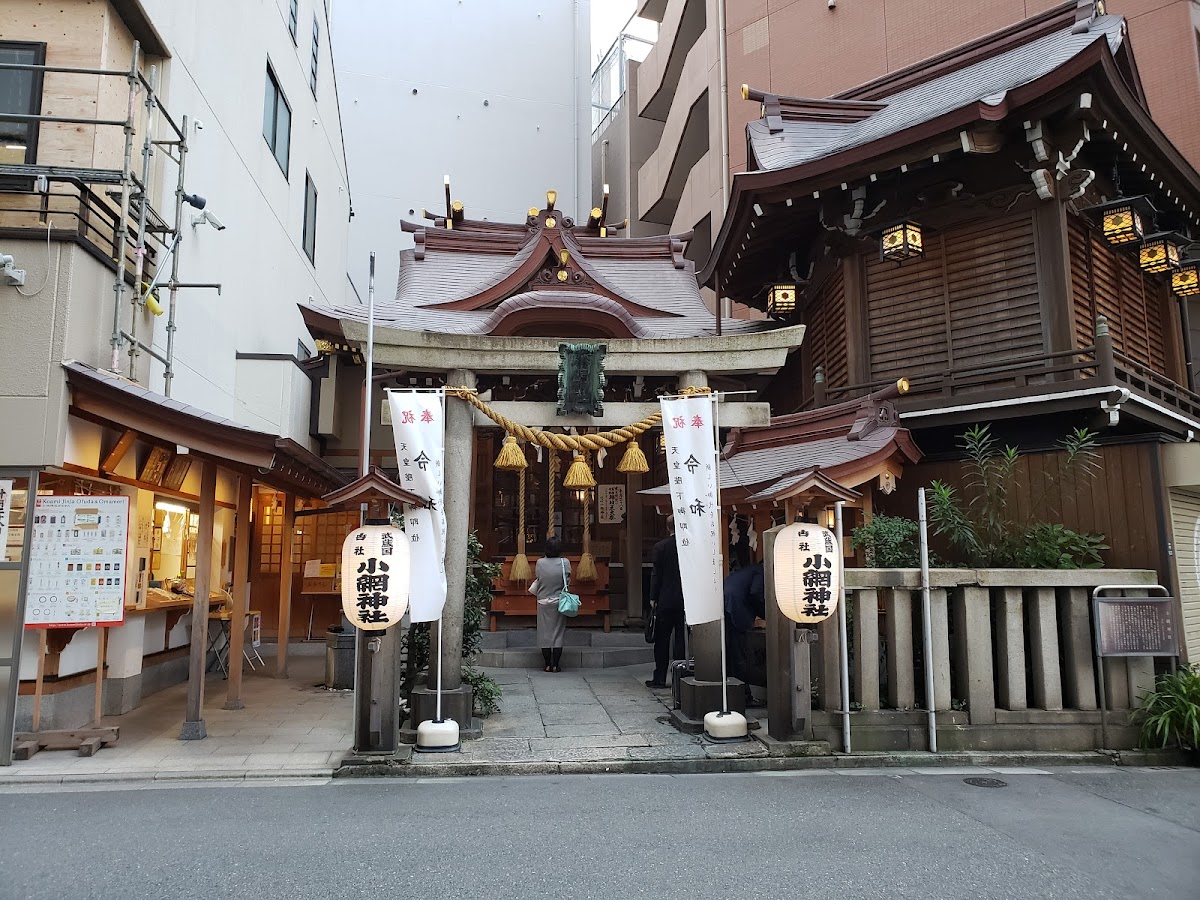
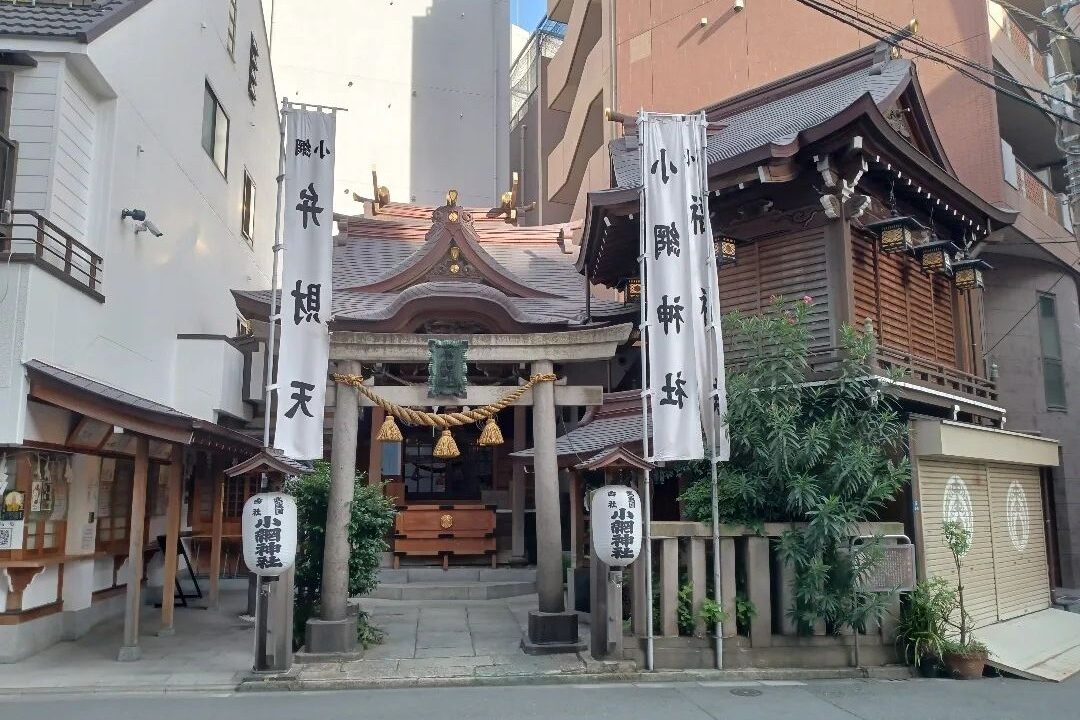
The current shrine building was completed in 1929 (Showa 4), during the reconstruction period after the Great Kanto Earthquake. This elegant cypress wood building features intricate carvings of dragons and ascending dragons, and is highly regarded for its architectural style.
On April 1, 1991 (Heisei 3), the “Koami Shrine Main Hall and Kagura Hall with Ridgepole Inscription and Construction-Related Materials” were designated as a Tangible Cultural Property of Chuo Ward. This recognized its valuable historical significance as a shrine building from the early Showa period.
In 2016 (Heisei 28), the shrine celebrated its 550th anniversary, and as a commemorative project, the copper roofing of the main hall and Kagura hall was replaced, maintaining its beautiful appearance to this day.
A Miraculous History of Surviving War Damage
The main reason Koami Shrine became widely known as a “god of good fortune and protection against evil” lies in its numerous miraculous episodes.
On March 10, 1945 (Showa 20), the Tokyo air raids caused devastating damage to the downtown area of Tokyo, leaving almost the entire area a burnt-out wasteland. However, the buildings within the grounds of Koami Shrine, including the main hall, miraculously escaped war damage. This fact is passed down as proof of the shrine’s miraculous power.
Even more surprisingly, there is an anecdote that all the soldiers from the Koami Shrine’s parish who received amulets from the shrine returned safely during World War II. Furthermore, during the Great Kanto Earthquake, while many who took refuge at Shin-Ohashi Bridge perished, records show that all those who took refuge at Koami Shrine remained safe.
Due to these numerous stories of good fortune, Koami Shrine became widely known as a “god of good fortune and protection against evil,” and even today, many worshippers visit to pray for protection from misfortune and good luck.
Deities and Benefits: Good Fortune, Protection from Misfortune, and Increased Financial Luck
Main Deity
The following deities are enshrined at Koami Shrine:
Ukanomitama-no-kami
Ukanomitama-no-kami, the main deity, is the god of food and grains, known as Inari-sama. Believed to bring blessings of abundant harvests and business prosperity, this deity has been particularly revered in Nihonbashi, a town that flourished as a merchant district since the Edo period.
Ichikishima-hime no Kami
A goddess often identified with Benzaiten, she is worshipped as the goddess of wealth, performing arts, and wisdom. At Koami Shrine, she is enshrined as Manpuku Funanori Benzaiten and is particularly known as “Tokyo Money-Washing Benzaiten” for her blessings of increased wealth.
Fukurokuju
Fukurokuju, enshrined as one of the Seven Lucky Gods of Nihonbashi, is a god who bestows the three virtues of happiness (fuku), prosperity (roku), and longevity (ju). He is often depicted with a long head and beard, holding a staff and a sutra scroll.
Blessings of Good Fortune and Protection from Evil
Due to its history of escaping war damage and the numerous miraculous episodes, such as the survival of all soldiers who received amulets, Koami Shrine is particularly famous for its blessings of “good fortune and protection from evil.”
Many people visit this shrine not only to pray for protection against bad luck during their unlucky years, but also during life-changing moments or when making important decisions. Business professionals, students, and people from all walks of life visit to pray for good fortune. It is especially believed that visiting during crucial moments will grant good luck.
Tokyo Money-Washing Benzaiten and Increased Financial Fortune
Within the grounds of Koami Shrine, there is a shrine dedicated to Manpuku Funanori Benzaiten, where the “money-washing” ritual is practiced.
Money-washing is a belief that washing money in Benzaiten’s pure water will multiply it many times over. While the Zeniarai Benzaiten Ugafuku Shrine in Kamakura is famous, Koami Shrine is known as “Tokyo Money-Washing Benzaiten” within Tokyo.
Visitors place coins and banknotes in a basket provided on the shrine grounds and wash them in Benzaiten’s sacred water. It is said that washing money and using it carefully will improve one’s financial luck, and many worshippers experience this money-washing ritual.
Other Benefits
- Business Prosperity: Through the divine virtues of Ukanomitama-no-kami, business development and prosperity.
- Academic Success: Through the wisdom of Benzaiten, academic improvement is achieved.
- Improvement in Performing Arts: Benzaiten is also the goddess of performing arts, leading to improvement in artistic skills.
- Health and Longevity: Through the blessings of Fukurokuju, health and longevity are achieved.
- Matchmaking: Through the divine virtues of Benzaiten, good fortune in relationships is achieved.
Highlights of the Shrine Grounds
Dragon Sculptures on the Shrine
The shrine building, completed in 1929 (Showa 4), features magnificent dragon sculptures. The front of the building and the transoms are intricately carved with ascending and descending dragons, and their high artistic quality is one of the reasons why it has been designated a tangible cultural property of Chuo Ward.
Dragons are revered as divine beasts that control water, and as symbols of success and good fortune. This dragon sculpture itself is attracting attention as a power spot. When you visit, be sure to take in this beautiful sculpture.
Kagura Hall
The Kagura Hall, designated as a cultural property along with the main shrine, is a building where Kagura and dance performances are offered during festivals. It is an elegant cypress wood structure, harmonizing beautifully with the main shrine.
Manpuku Funanori Benzaiten
The Benzaiten shrine within the grounds enshrines the deity of Manpuku Funanori Benzaiten. The image of Benzaiten riding on a treasure ship is revered as a symbol of wealth and good fortune, attracting many worshippers along with those who practice money-washing.
Mayu-dama
Koami Shrine offers a unique item called “Mayu-dama.” This is a lucky charm shaped like a silkworm cocoon, symbolizing the spinning of good fortune and relationships, just as a silkworm spins beautiful silk threads from its cocoon. There are pink “owls” and green “crows,” each believed to offer different blessings. Their small, cute shape makes them popular as amulets, and many people carry them around.
Doburoku Festival and Annual Events
Doburoku Festival (Niiname-sai)
One of the most important festivals at Koami Shrine is the “Doburoku Festival,” held annually on November 28th. Formally called Niiname-sai, it is a festival of gratitude for the year’s harvest.
A unique feature of this festival is the offering of “doburoku” (unrefined sake) to the gods. Doburoku is a type of sake made from fermented rice, considered the prototype of Japanese sake, and has been used in Shinto rituals since ancient times. Doburoku is also offered to worshippers (in limited quantities), as they give thanks for a safe year and pray for happiness in the coming year.
This shrine in the heart of Tokyo offers a rare opportunity to enjoy doburoku (unrefined sake), attracting many visitors every year.
Other Major Annual Events
- New Year’s Day Festival (January 1st): Celebrating the New Year and praying for peace throughout the year
- Setsubun Festival (around February 3rd): Bean-throwing ceremony to ward off evil and invite good fortune
- Annual Grand Festival (May 28th): The most important festival of Koami Shrine
- Great Purification Ceremony (June 30th & December 31st): A Shinto ritual to cleanse away the sins and impurities accumulated over the past six months
Nihonbashi Seven Lucky Gods Pilgrimage
Koami Shrine is one of the shrines on the “Nihonbashi Seven Lucky Gods Pilgrimage,” enshrining Fukurokuju.
The Nihonbashi Seven Lucky Gods Pilgrimage is a popular pilgrimage to the Seven Lucky Gods, visiting eight shrines scattered throughout the Nihonbashi area of Chuo Ward, Tokyo. During the New Year period (January 1st to 7th), many worshippers visit the shrines, collecting Goshuin (shrine stamps) on special paper or treasure ships.
Composition of the Nihonbashi Seven Lucky Gods
- Koami Shrine (Fukurokuju)
- Chanoki Shrine (Hotei)
- Suitengu Shrine (Benzaiten)
- Matsushima Shrine (Daikokujin)
- Suehiro Shrine (Bishamonten)
- Kasama Inari Shrine (Jurojin)
- Sugimori Shrine (Ebisu)
- Takada Ebisu Shrine (Ebisu)
Koami Shrine is a particularly popular shrine among the Nihonbashi Seven Lucky Gods pilgrimage, attracting many worshippers throughout the year seeking good fortune, protection from evil, and the blessings of Benzaiten for washing money.
Goshuin Information
Regular Goshuin
Koami Shrine offers beautiful goshuin (shrine stamps). The shrine’s name, “Koami Shrine,” and the date of visit are written in ink, followed by a red seal. Characterized by its elegant calligraphy and powerful red seal, it’s popular among goshuin collectors.
The offering fee is usually 500 yen.
Special Goshuin
Koami Shrine sometimes offers special goshuin in accordance with the season or commemorative events.
Kiri-e Goshuin (Paper-Cut Goshuin)
Particularly popular are the “Kiri-e Goshuin.” These beautiful goshuin feature delicate paper-cut designs, often using motifs such as dragons and Benzaiten (a goddess). Their high artistic quality sets them apart from regular goshuin, making them popular among collectors.
Kiri-e Goshuin are limited in quantity and often only offered on specific days, so it’s recommended to check the shrine’s official information beforehand.
Goshuin (Shrine Seal) of the Nihonbashi Seven Lucky Gods
During the Nihonbashi Seven Lucky Gods pilgrimage period (January 1st to 7th), you can receive a Goshuin of Fukurokuju (one of the Seven Lucky Gods) on a special shikishi (decorative paper board) or treasure ship.
Goshuin Reception Hours
Goshuin reception hours are generally from 9:00 AM to 5:00 PM, but may vary depending on festival days and crowd levels. Especially during the New Year period and on weekends, crowds are expected, so it is recommended to allow ample time for your visit.
Access and Visiting Information
Access by Train
Koami Shrine is located in the city center and is within walking distance of several stations.
Nearest Stations
- Tokyo Metro Hibiya Line “Ningyocho Station”
- Approximately 5 minutes on foot from Exit A2 (closest)
- Proceed towards Amazake Yokocho and turn right at the Koamicho intersection
- Tokyo Metro Hanzomon Line “Suitengumae Station”
- Approximately 10 minutes on foot from Exit 8
- Proceed west along Shin-Ohashi Street towards Koamicho
- Toei Subway Asakusa Line “Ningyocho Station”
- Approximately 7 minutes on foot from Exit A5
- Tokyo Metro Tozai Line “Kayabacho Station”
- Approximately 15 minutes on foot from Exit 10
Access from Nihonbashi Station
If you are coming from Tokyo Station or Otemachi, you can also use Nihonbashi Station.
- Tokyo Metro Ginza Line/Tozai Line “Nihonbashi Station”
- Approximately 15 minutes on foot from Exit D2
- Head south along Showa-dori towards Koamicho
Access by Car and Parking
Koami Shrine does not have its own parking lot. If you are visiting by car, you will need to use nearby coin-operated parking lots.
The Nihonbashi area has heavy traffic on both weekdays and weekends, and parking lots tend to be crowded. We strongly recommend using public transportation.
Address and Basic Information
- Address: 16-23 Nihonbashi Koamicho, Chuo-ku, Tokyo 103-0016
- Phone: 03-3668-1080
- Visiting Hours: Open 24 hours (Shrine office generally open 9:00-17:00)
- Admission Fee: Free
- Official Website: Available (Checking the official website for the latest information is recommended)
Points to Note When Visiting
- Small Grounds: As it is a shrine in the city center, the grounds are relatively compact. Please be considerate of others when visiting during busy times.
- Photography: Photography is generally permitted on the grounds, but please be considerate of other visitors.
- Money Washing: When washing money, please use the provided sieve and be careful not to splash water.
- New Year’s Period: The Nihonbashi Seven Lucky Gods pilgrimage period from January 1st to 7th is especially crowded. Visiting early in the morning or on weekdays is recommended.
Nearby Attractions
Amazake Yokocho
Located about a 3-minute walk from Koami Shrine, Amazake Yokocho is a shopping street that retains the atmosphere of the Edo period. It features a row of long-established Japanese confectionery shops, rice cracker shops, and restaurants, making it perfect for a stroll after visiting the shrine.
Ningyocho Shopping Street
Around Ningyocho Station, you can enjoy the atmosphere of old Tokyo with many long-established restaurants and traditional craft shops. There are also several famous shops selling Ningyo-yaki (doll-shaped cakes), making it a great place to buy souvenirs.
Suiten-gu Shrine
Suiten-gu Shrine, within walking distance, is a famous shrine known for its blessings of safe childbirth and fertility. It is also included in the Nihonbashi Seven Lucky Gods pilgrimage, and many people visit it in conjunction with the pilgrimage.
Nihonbashi
Nihonbashi, which flourished as the starting point of the five major highways during the Edo period, is an area where historical buildings, long-established department stores, and modern commercial facilities coexist. It’s about a 15-minute walk from Koami Shrine, making it easily accessible for sightseeing.
Visitor Voices and Reputation
Koami Shrine is supported by many visitors due to its high level of blessings.
Experiencing the Effects of Good Fortune and Protection from Evil
Many visitors have reported experiencing the benefits of good fortune and protection from evil, such as, “After visiting before an important business negotiation, the deal was closed surprisingly smoothly,” and “After visiting before an exam, I passed my first-choice school.”
The Financial Luck Benefit of Zeniarai Benten
Many visitors have reported experiencing increased financial luck, such as, “After washing money, I received unexpected extra income,” and “My business started to take off.”
An Oasis in the City Center
Some visitors have commented, “Although it’s a small shrine in the middle of a business district, entering the grounds brings a strange sense of calm,” and “It’s a precious space where you can forget the hustle and bustle of the city.” Regarding Crowds
On the other hand, some people report that it gets extremely crowded on weekends and during the New Year’s holiday, and that the lines for receiving Goshuin (temple/shrine stamps) are long. If you want to avoid crowds, visiting early in the morning on a weekday is recommended.
Summary: Koami Shrine is one of Tokyo’s leading power spots for good fortune
Koami Shrine is a historic shrine that has attracted worshippers in Nihonbashi for over 550 years since its founding in 1466.
With numerous stories of good fortune, such as the miraculous survival from war and the return of all soldiers who received amulets, it is widely known as a “god of good fortune and protection against evil,” and many worshippers still visit today. It also boasts many attractions, including its blessings for increased wealth as Tokyo’s Money-Washing Benzaiten, its presence as one of the Seven Lucky Gods of Nihonbashi, and its beautiful shrine building adorned with dragon carvings.
Its convenient location in the city center makes it easy to visit during work breaks or while sightseeing. When you’re facing a turning point in your life or an important decision, when you’re hoping for increased wealth, or when you simply want to experience the history and culture of Nihonbashi, be sure to visit Koami Shrine.
The shrine grounds are not particularly large, but a profound spiritual power and the strength of faith cultivated over a long history breathe within them. It is one of Tokyo’s leading power spots, where you can receive good fortune and wealth, and be guided in a better direction in your life.