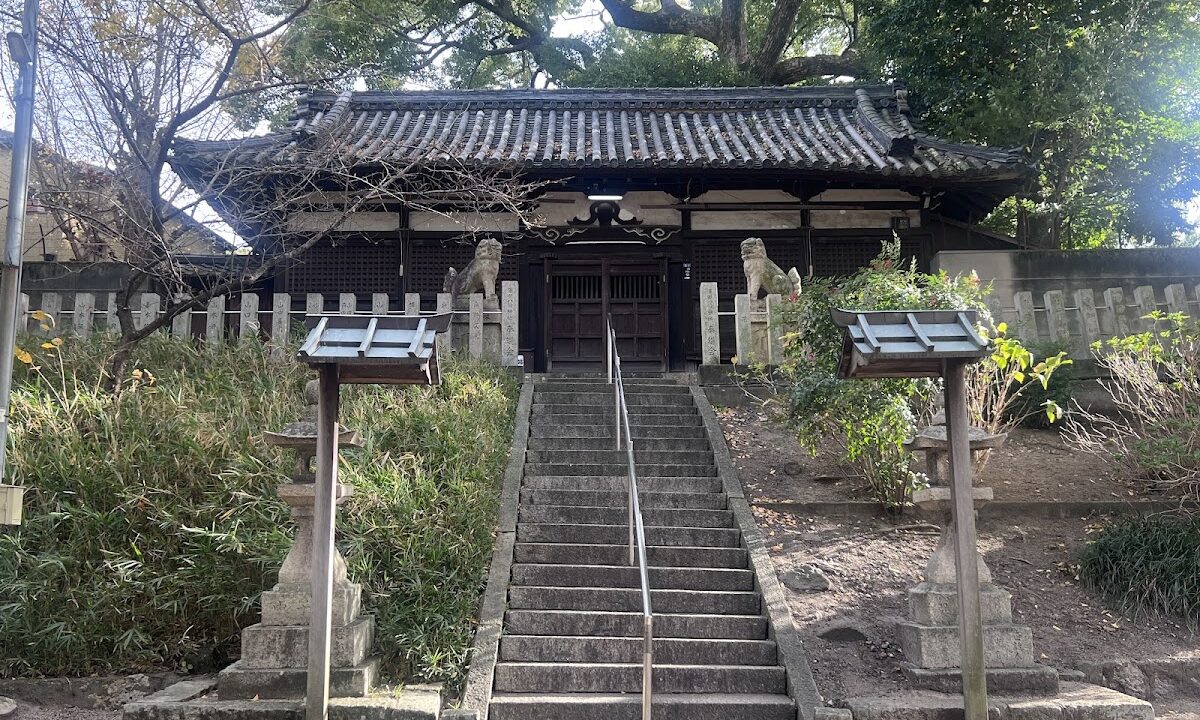
Complete Guide to Sawada Hachiman Shrine (Fujiidera City, Osaka Prefecture) | History and Access to a Unique Shrine with a Train Running Through Its Grounds
Sawada Hachiman Shrine, located in Sawada, Fujiidera City, Osaka Prefecture, is known as a shrine with unique characteristics, rare even nationwide. The Kintetsu Minami-Osaka Line tracks cross the shrine grounds, and a level crossing is located on the approach to the shrine—a sight rarely seen elsewhere. Situated in a corner of the World Cultural Heritage site “Mozu-Furuichi Kofun Group,” and with the Nakatsuhime-no-Mikoto Mausoleum Kofun behind it, it is a historically significant shrine.
Basic Information on Sawada Hachiman Shrine
Sawada Hachiman Shrine is the local guardian shrine located at 4-2-3 Sawada, Fujiidera City, Osaka Prefecture. It is approximately a 5-6 minute walk from Hajinosato Station on the Kintetsu Minami-Osaka Line, situated midway between Fujiidera Station and Hajinosato Station.
Location: 4-2-3 Sawada, Fujiidera City, Osaka Prefecture
Main Deity: Hondawake-no-mikoto (Emperor Ojin)
Nearest Station: Approximately 5-6 minutes on foot from Hajinosato Station on the Kintetsu Minami-Osaka Line
Parking: None (Paid parking available nearby)
History and Origins of Sawada Hachiman Shrine
Established in the Early Edo Period
It is said that Sawada Hachiman Shrine was established in the early Edo period by inviting the deity from Konda Hachimangu Shrine. Konda Hachimangu Shrine is a historically significant shrine located near the tomb of Emperor Ojin and was the center of Hachiman worship in this region.
During the Taiko land survey, Sawada Village was designated as the sacred territory of Konda Hachimangu Shrine. Later, the sacred territory was transferred to the neighboring Komuro Village, but it is said that the residents of Sawada Village, with strong determination, invited the Hachiman deity to this location. This history speaks to the deep faith of the local residents.
About the Deity
The main deity, Hondawake-no-Mikoto, refers to Emperor Ojin, the 15th emperor of Japan. Emperor Ojin is worshipped nationwide as Hachiman-sama and is revered as a god of military fortune and national protection. This area is home to the Furuichi Kofun Group, including the tomb of Emperor Ojin (Homuda Gobyoyama Kofun), and has a deep connection to the Imperial family since ancient times.
Kintetsu Minami-Osaka Line Crossing the Shrine Grounds | The Reason for This Unusual Sight
The Reason for a Level Crossing Within the Shrine Grounds
The most distinctive feature of Sawada Hachiman Shrine is that the Kintetsu Minami-Osaka Line crosses the shrine grounds, and a level crossing is installed on the approach to the shrine. The history of the railway’s opening lies behind this unusual sight.
In April 1922 (Taisho 11), the Osaka Railway (the predecessor of the current Kintetsu Minami-Osaka Line) opened the section between Nunose Station and Domyoji Station. At this time, the railway line crossed the Sawada Hachiman Shrine, which was situated on the slope leading to the embankment of the Nakahime-no-Mikoto Mausoleum Kofun.
Level Crossing and Train Passage within the Shrine Grounds
As you proceed along the approach to the shrine, you will encounter a level crossing before entering the shrine grounds. Only after crossing this level crossing can you reach the main hall. The Kintetsu Minami-Osaka Line is a major line with express trains, so trains pass frequently during the day. The sight of modern trains speeding through the tranquil atmosphere of the shrine is truly a scene that symbolizes the contrast of eras.
The sound of passing trains echoes within the shrine grounds, creating a unique space where the shrine and railway coexist. Many railway enthusiasts and shrine-visiting aficionados come to witness this unusual sight.
Highlights and Atmosphere of the Shrine Grounds
Natural Environment of the Shrine Grounds
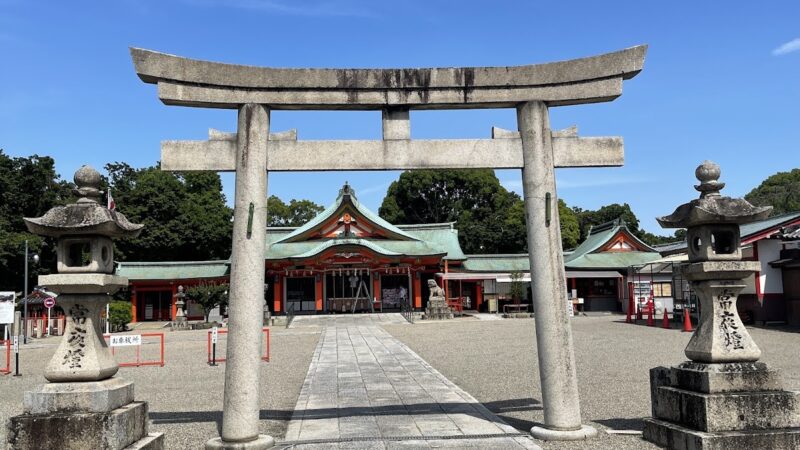
After crossing the level crossing and entering the shrine grounds, a majestic space surrounded by tall cedar trees unfolds. The particularly large cedar trees serve as landmarks even from afar, evoking a sense of long history. Despite its urban location, the shrine grounds maintain a quiet and peaceful atmosphere, offering solace to visitors.
Main Hall and Worship Hall
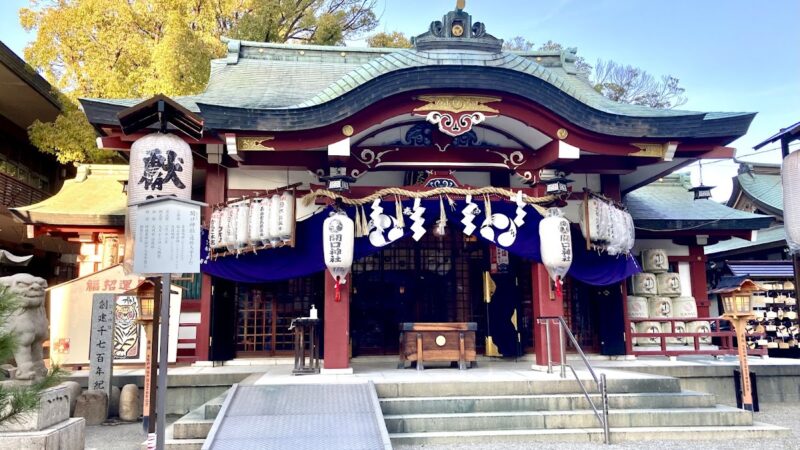
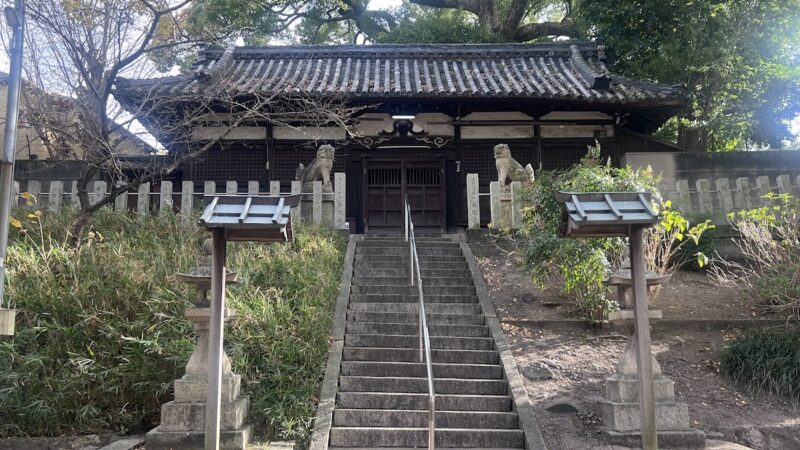
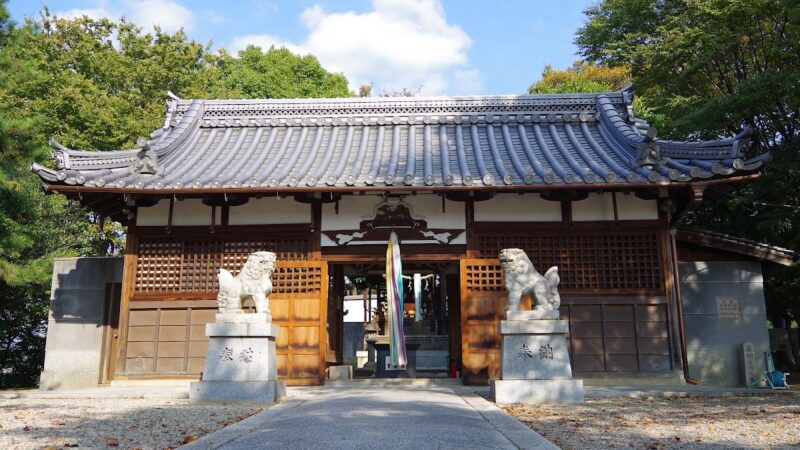
The main hall is built in a traditional shrine architectural style, possessing the dignity befitting a local guardian deity. A donation box for worshippers is placed in front of the worship hall, supporting the daily faith of local residents.
The shrine grounds are not particularly large, but they are meticulously maintained, conveying the deep care and respect the local community has for the place.
Surrounding Burial Mounds and Historical Environment
Nakatsuhime-no-Mikoto Mausoleum (Nakatsuhime-no-Mikoto Burial Mound)
Behind Sawada Hachiman Shrine lies the Nakatsuhime-no-Mikoto Mausoleum (Nakatsuhime-no-Mikoto Mausoleum), the second largest burial mound in the Furuichi Burial Mound Group. This burial mound is a keyhole-shaped mound approximately 290 meters long and is believed to be the mausoleum of Nakatsuhime-no-Mikoto, the empress of Emperor Ojin.
From the shrine, one can view the moat surrounding the burial mound, creating a location where one can feel the ancient history up close. The path along the moat surrounding the burial mound, leading to the shrine, is a popular route for historical walks.
World Cultural Heritage Site: Mozu-Furuichi Kofun Group
Located in a corner of the Mozu-Furuichi Kofun Group, registered as a World Cultural Heritage site in 2019, the area around Sawada Hachiman Shrine is a valuable area that conveys the history of ancient Japan. The Furuichi Kofun Group, stretching across Fujiidera City and Habikino City, contains many large burial mounds, including the tomb of Emperor Ojin (Homuda Gobyoyama Kofun).
By enjoying a tour of the burial mounds in conjunction with a visit to the shrine, you can gain a deeper understanding of the historical value of this region.
Access and Surrounding Information
Access by Train
Approximately 5-6 minutes on foot from Kintetsu Minami-Osaka Line “Hajinosato Station”
From the exit of Hajinosato Station, head north and pass through the residential area to reach Sawada Hachiman Shrine. It is close to the station and easily accessible.
Approximately 15 minutes on foot from Kintetsu Minami-Osaka Line “Fujiidera Station”
While it’s within walking distance from Fujiidera Station, Hajinosato Station is closer and more convenient.
Access by Car
There is no dedicated parking lot for the shrine, so if you are visiting by car, you will need to use a nearby paid parking lot. Since it is located in a residential area, please avoid street parking.
Nearby Attractions
Homuda Hachimangu Shrine
A historic shrine located next to the tomb of Emperor Ojin. It is the original shrine of Sawada Hachimangu Shrine, and visiting both is recommended.
Domyoji Tenmangu Shrine
A shrine dedicated to Sugawara no Michizane, the god of learning. It is also famous for its plum blossoms, and is bustling with visitors in spring.
Fujiidera Temple
An ancient temple that gave its name to Fujiidera City. It is known as the fifth temple of the Saigoku Thirty-Three Kannon Pilgrimage.
Manners and Precautions for Visiting the Shrine
Precautions When Crossing the Railroad Crossing
To enter the shrine grounds, you must cross the railroad crossing. Always stop completely when a train is passing and cross only after confirming it is safe. Especially if you are with small children, hold their hands and cross carefully.
Regarding Photography
The unusual sight of a train running through the shrine grounds is a popular photo spot, but entering the tracks is strictly prohibited. Also, please be considerate of other visitors.
Visiting Hours
The shrine is generally open 24 hours a day, but the surrounding area becomes dark at night, and crossing the railroad crossing is dangerous. Visiting during daylight hours is recommended.
Role as the Local Guardian Deity
Sawada Hachiman Shrine is the guardian deity of the Sawada area of Fujiidera City, and is revered by the local residents. It plays a central role in local festivals and events, supporting the community bonds of the residents.
The cleaning and maintenance of the shrine grounds are carried out by local residents, demonstrating their deep affection and faith in the shrine. ## Summary of the Charms of Sawada Hachiman Shrine
Sawada Hachiman Shrine is a unique shrine with a nationally rare feature: the Kintetsu Minami-Osaka Line railway tracks run through its grounds. Its history, dating back to the early Edo period, its location surrounded by a World Heritage site of ancient burial mounds, and its distinctive landscape coexisting with a modern railway, are major attractions of this shrine.
The tranquil grounds and the sound of passing trains create a不思議な (mysterious/unusual) atmosphere that leaves a lasting impression on visitors. The coexistence of an ancient place of worship and a railway, a symbol of modernization, can be said to symbolize the multifaceted nature of Japanese history.
When visiting Fujiidera City, be sure to visit Sawada Hachiman Shrine. Visiting it in conjunction with a stroll through the burial mounds will allow you to experience the rich history and culture of this region more deeply.
Combining Visits to Nearby Shrines and Temples
Sawada Hachiman Shrine is surrounded by many historical shrines and temples. If you have time, enjoying a “shrine pilgrimage” by visiting several shrines is highly recommended.
Along the Kintetsu Minami-Osaka Line, there are many pilgrimage sites within walking distance or a few train stops, including Hōda Hachimangu Shrine, Dōmyōji Tenmangu Shrine, and Fujiidera Temple. Each shrine and temple has its own unique history and characteristics, so spending a day leisurely visiting them will allow you to truly appreciate the depth of this region’s history.
Sawada Hachimangu Shrine in Every Season
Sawada Hachimangu Shrine displays different facets throughout the four seasons.
Spring is beautiful with fresh greenery, and the trees in the shrine grounds display their vibrant life.
Summer is enveloped in deep green, and the shade of the trees provides coolness.
Autumn is colored by autumn leaves, allowing for a tranquil atmosphere for worship.
Winter is crisp and solemn, with a quiet and dignified atmosphere.
No matter which season you visit, you can feel the unique charm of this shrine.
Sawada Hachiman Shrine and the Future of the Region
Sawada Hachiman Shrine, with its long history dating back to ancient times, has followed a unique path of coexisting with the railway amidst the waves of modernization. This unusual characteristic has become part of the region’s identity and is increasing its value as a tourist resource.
With the registration of the “Mozu-Furuichi Kofun Group” as a World Cultural Heritage site, interest in the region is growing both domestically and internationally, and Sawada Hachiman Shrine is also attracting attention as a symbolic place where history and modernity intersect.
While maintaining its role as a place of worship for local residents, Sawada Hachiman Shrine will continue to be an important presence as a place that conveys the history and culture of the region to many people.
When you visit Fujiidera City, Osaka Prefecture, be sure to stop by this unique shrine and experience the distinctive space where history and modernity intersect. The sound of trains running through the shrine grounds and the quietly standing presence of the shrine will surely create lasting memories.