Complete Guide to Tsukuno Hachiman Shrine | A Thorough Explanation of History, Deities, Blessings, and Visiting Information
Tsukuno Hachiman Shrine is a historical shrine that attracts the faith of the local community. This article provides detailed information you should know before visiting, including the history of Tsukuno Hachiman Shrine, its enshrined deities, blessings, highlights of the grounds, and access methods.
What is Tsukuno Hachiman Shrine?
Tsukuno Hachiman Shrine is a shrine based on Hachiman worship and has been cherished for many years as a spiritual center for local residents. The shrine’s name, derived from the place name “Tsukuno,” is deeply connected to the history of this region.
Hachiman shrines exist in large numbers throughout Japan and are known as shrines that enshrine Emperor Ojin, the god of war, as their main deity. Tsukuno Hachiman Shrine is also part of this lineage and is revered as a guardian deity of the region.
About Hachiman Worship
Hachiman worship is one of Japan’s representative Shinto beliefs, and it enshrines Hachiman, the deified form of Emperor Ōjin (the 15th Emperor). It was particularly devoutly worshipped in samurai society and is also known as the tutelary deity of the Minamoto clan.
The head shrine of all Hachiman shrines nationwide is Usa Shrine in Ōita Prefecture, and it is famous as one of the “Three Great Hachiman Shrines” along with Iwashimizu Hachiman Shrine in Kyoto and Tsurugaoka Hachiman Shrine in Kanagawa.
History and Origins of Kutsuo Hachiman Shrine
The founding date and detailed history of Kutsuo Hachiman Shrine are based on local oral traditions and records. Like many local Hachiman shrines, it was protected by influential figures and residents from the medieval to the early modern period.
The Origins of the Shrine
Local Hachiman shrines are often founded through the following circumstances:
- Founded by Invitation: Founded by receiving a divided spirit from a famous Hachiman shrine.
- Guardian of the Region: Built by local residents as the guardian shrine of the village.
- Samurai Faith: Worshipped as the tutelary deity by local samurai groups.
The Kutsuo Hachiman Shrine was also founded with the hope of peace and prosperity for the region, and its faith has been passed down through generations.
Changes Through the Ages
Shrines have experienced various changes throughout their long history:
- Edo Period: Played a central role in the local community as the guardian shrine of the village
- Meiji Period: Influenced by the separation of Shinto and Buddhism and the introduction of the shrine ranking system
- Post-War Period: Continued as a spiritual pillar of the local community
- Modern Era: Maintained and managed by parishioners and local residents
Deities and Divine Virtues
Main Deity
Following the tradition of Hachiman shrines, the main deities enshrined at Kutsuo Hachiman Shrine are believed to be the following gods:
Emperor Ojin
- A historical figure who actually existed as the 15th Emperor
- The main deity who was deified as Hachiman-shin
- God of military fortune and national protection
Himegami
- A goddess enshrined in association with Hachiman-shin
- Often identified as the Munakata Three Goddesses
Empress Jingu
- Mother of Emperor Ojin
- Worshipped as the goddess of safe childbirth and child-rearing
Divine Blessings and Virtues
Main blessings that can be prayed for at Kutsuo Hachiman Shrine:
Prayers for Victory and Success
- Success in competitions due to her nature as a god of war
- Prayers for passing exams, finding employment, etc.
Protection from Misfortune and Good Fortune
- Warding off disasters and inviting good fortune
- Family safety and business prosperity
Safe Childbirth and Child-rearing
- Prayers for safe childbirth through the divine virtues of Empress Jingu
- Healthy growth of children
Abundant Harvest and Industrial Development
- Prosperity of local agriculture and industry
- Prayers for a bountiful harvest
Highlights of the Shrine Grounds
Shrine Building
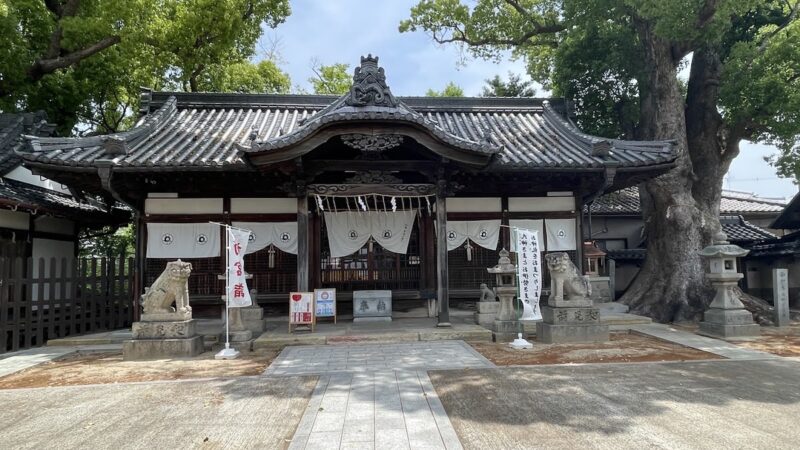
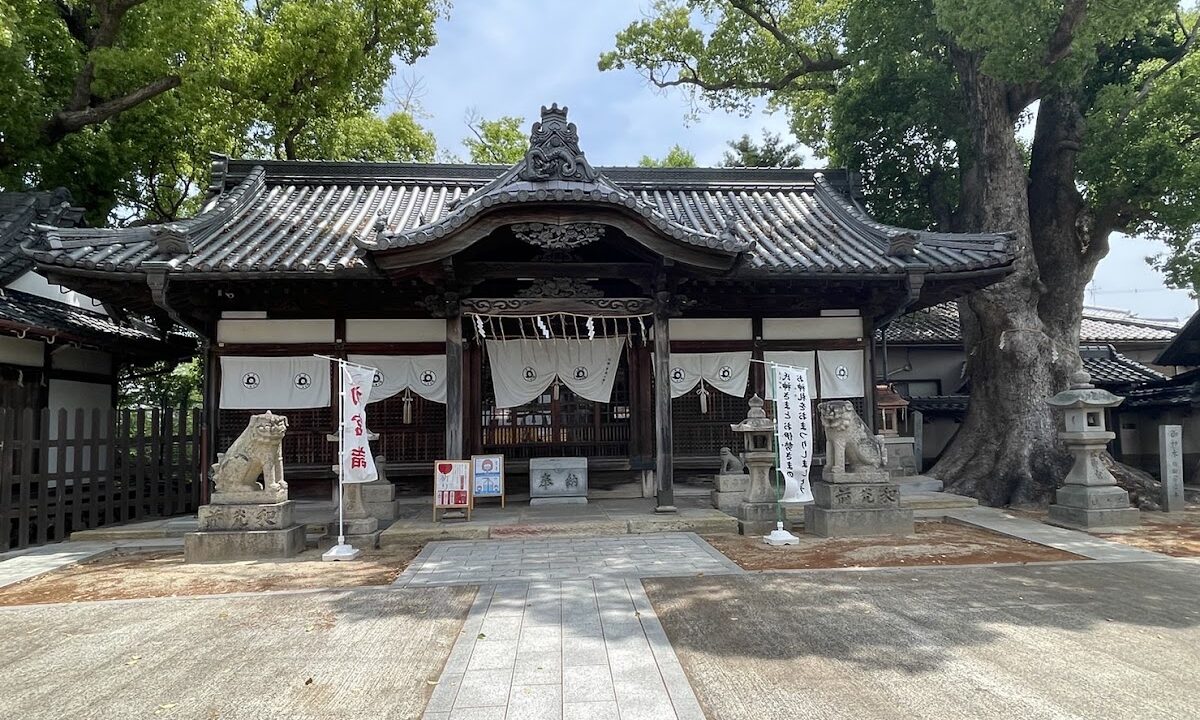
The shrine building of Kutsuo Hachiman Shrine preserves the style of traditional shrine architecture. The shrine is of an appropriate size for a local shrine and is carefully maintained.
Main Hall
- The most sacred building where the enshrined deity is worshipped
- Traditional architectural style
Worship Hall
- Where worshippers perform their prayers
- Where Shinto rituals are performed during festivals
Shrine Facilities
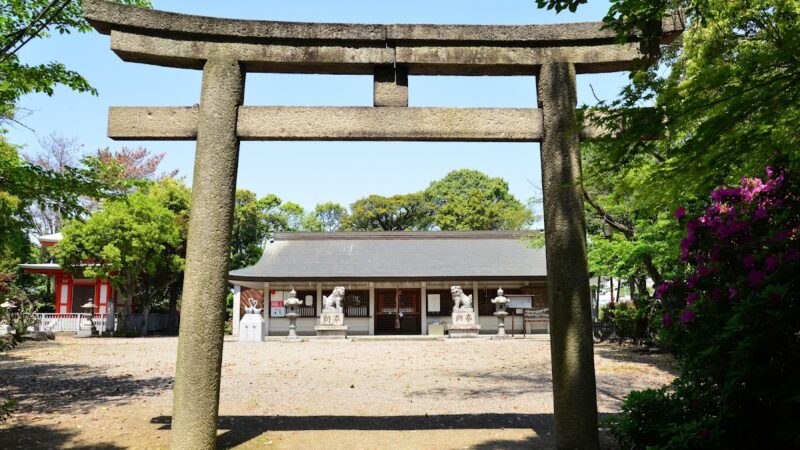
Torii Gate
- A symbol indicating the entrance to the sacred area
- Marks the beginning of the approach to the shrine
Water Basin
- A place to purify oneself before worship
- Purify oneself with the correct etiquette
Komainu (Guardian Dogs)
- Mythical creatures guarding the sacred area
- Arranged in pairs (A-un)
Shrine Office
- The building where the shrine is managed and operated
- Where you can sometimes receive Goshuin (shrine stamps) and other items
Nature on the Shrine Grounds
Shrine grounds often have sacred trees and seasonal plants, allowing you to experience the changing seasons.
- Sacred Tree: A large tree that has watched over the shrine for many years
- Seasonal Flowers: Cherry blossoms in spring, autumn leaves, etc.
- Tranquil Space: A sacred atmosphere away from everyday life
Annual Events and Festivals
Main Annual Events
The shrine holds various festivals and events throughout the year:
January
- Hatsumode: A visit to the shrine in the new year to pray for safety throughout the year
- Saitansai: A festival held on New Year’s Day
February
- Setsubunsai: A festival to ward off evil spirits by scattering beans
- Kinensai: A spring festival praying for a bountiful harvest
Autumn
- Reitaisai: The shrine’s most important annual festival
- Harvest Thanksgiving: A festival to give thanks for the harvest
November
- Shichi-Go-San: A festival celebrating the growth of children
December
- Great Purification Ceremony: Purifying and cleansing away the impurities of the past year
Characteristics of the Annual Grand Festival
Many shrines hold their annual grand festival in the autumn. While there are regional variations, generally:
- Portable Shrine Procession: The portable shrine parades through the community
- Offering Ceremonies: Offerings such as Kagura (sacred dance), dance, and sumo wrestling
- Stalls: Stalls line the shrine grounds and surrounding areas
- Community Interaction: An important opportunity for residents to gather
Etiquette and Manners for Worship
Basic Worship Etiquette
Knowing the correct etiquette for worshipping at a shrine will allow for a more heartfelt visit.
1. How to Pass Through the Torii Gate
- Bow once before the torii gate
- Walk along the edge of the path, as the center is the path for the gods.
2. How to Wash Your Hands
- Take the ladle with your right hand and wash your left hand.
- Switch the ladle to your left hand and wash your right hand.
- Switch the ladle back to your right hand, receive water in your left hand, and rinse your mouth.
- Wash your left hand once more.
- Hold the ladle upright, wash the handle, and return it to its original position.
3. How to Bow (Two Bows, Two Claps, One Bow)
- Gently place your offering in the offering box.
- Ring the bell if there is one.
- Bow deeply twice (Two Bows)
- Clasp your hands twice at chest height (Two Claps)
- Pray with your hands clasped together.
- Bow deeply once (One Bow)
4. Exiting
- Turn around and bow once after leaving the torii gate.
Attire and Manners for Visiting the Shrine
- Attire: Clean and understated clothing is preferred.
- Photography: Photography is permitted only in designated areas.
- Quietness: Please remain quiet within the shrine grounds.
- No Smoking: Smoking is prohibited within the shrine grounds.
- Pets: Bringing pets is generally discouraged.
Access Information
The specific access method to Kutsuo Hachiman Shrine varies depending on your location. When planning your visit, we recommend checking the following information in advance.
General Access Methods
Public Transportation
- Take a bus or taxi from the nearest station.
- Walk from the station if it’s within walking distance.
Car
- Enter the shrine name or address into your car’s navigation system.
- Check parking availability in advance.
Visiting Hours
- Shrine Grounds: Most shrines are open for worship all day.
- Shrine Office: Reception hours vary by shrine.
- During Festivals: Special hours may apply.
Inquiries
For detailed information:
- Contact your local tourism association.
- Check with your city/town’s cultural property department.
- Contact your local shrine association branch.
Goshuin (Shrine Seals) and Gifts
About Goshuin
Goshuin are ink seals given at shrines as proof of worship. The issuance of Goshuin at Kutsuo Hachiman Shrine varies depending on the size and system of the shrine.
Manners for Receiving a Goshuin (Shrine Stamp)
- Receive it after your visit
- Prepare your Goshuincho (stamp book)
- Prepare the offering fee (approximately 300-500 yen)
- Request using polite language
Items Offered
Shrines often offer various items:
- Amulets: Amulets for various blessings
- Talisman: To be placed on the household altar
- Demon-Repelling Arrow: A lucky charm given out during the New Year
- Ema (Votive Tablet): To write your wish and offer it
Connection with the Community
Parishioners and the Local Community
Kutsuo Hachiman Shrine is deeply connected to the local community as the local guardian shrine.
Role of the Parishioners
- Maintenance and management of the shrine
- Operation of festivals
- Preservation of traditions
Center of the Local Community
- Intergenerational exchange through festivals
- A place to strengthen community bonds
- A place for the preservation of traditional culture
Value as a Cultural Asset
Local shrines are valuable entities that convey the history and culture of the region:
- Historical Buildings: Preservation of traditional architectural styles
- Folk Materials: Festival tools and ancient documents
- Intangible Cultural Heritage: Kagura and traditional performing arts
- Local Memories: Preservation of oral traditions
Nearby Attractions
When visiting Kutsuo Hachiman Shrine, you can have a more fulfilling experience by also visiting nearby tourist spots.
Points to Explore in the Surrounding Area
- Historical Buildings: Temples and shrines in the surrounding area
- Natural Landscapes: Local parks and natural spots
- Local Specialties: Local products and restaurants
- Cultural Facilities: Local history museums and libraries
Best Season for Visiting
Seasonal Attractions
Spring (March-May)
- Particularly beautiful during cherry blossom season
- A refreshing season with lush greenery
- Spring festivals are sometimes held
Summer (June-August)
- Summer festival season
- Lush green grounds
- Comfortable for early morning visits
Autumn (September-November)
- Grand festival season
- Beautiful autumn foliage
- Pleasant weather, ideal for visiting
Winter (December-February)
- Bustling with New Year’s visitors
- A serene and sacred atmosphere
- Sometimes beautiful with snowscapes
Tips for Avoiding Crowds
- Weekday Visits: Quieter than weekends
- Early Morning Visits: Visit in the fresh air
- Avoiding Festival Days: For those who want to visit at a leisurely pace
The Significance of Shrine Visits
A Place to Find Peace of Mind
Shrine visits are not merely sightseeing, but an opportunity to find inner peace:
- Escape from Daily Life: Time to escape from busy days
- Self-Reflection: Introspection in silence
- Gratitude: Appreciation for daily blessings
- Making Wishes: Clarifying goals and wishes
Experiencing Traditional Culture
Through shrine visits, you can experience traditional Japanese culture:
- The Spirit of Shinto: The philosophy of nature worship and purity
- Architectural Beauty: Traditional architectural styles
- Festival Culture: Traditions of festivals rooted in the local community
- Mannerism: The basics of Japanese etiquette
Summary of Visiting Kutsuo Hachiman Shrine
Kutsuro Hachiman Shrine is a historical shrine deeply rooted in the community, attracting the faith of many people. Its divine blessings based on Hachiman faith, its deep connection to the local community, and the tranquil atmosphere of its grounds offer peace of mind to visitors.
When visiting, it is important to observe proper etiquette and manners while offering your prayers with sincerity. Various festivals are held throughout the year, so if you have the opportunity, please visit on a festival day. You will be able to feel the vitality of the region and its traditional culture firsthand.
We hope that your visit to Kutsuo Hachiman Shrine will be a enriching experience for you. Experience the world of traditional Japanese faith while immersing yourself in the history and culture of the region.
Checklist Before Visiting the Shrine
- □ Confirm access method
- □ Confirm visiting hours
- □ Prepare your attire (clean and subdued clothing)
- □ Prepare small change (for offerings and donations)
- □ Goshuincho (stamp book) (if you wish to receive a Goshuin stamp)
- □ Camera (only in areas where photography is permitted)
- □ Confirm proper worship etiquette
We hope that Kutsuo Hachiman Shrine will become a spiritual haven for everyone and be protected for generations to come as a treasure of the community.