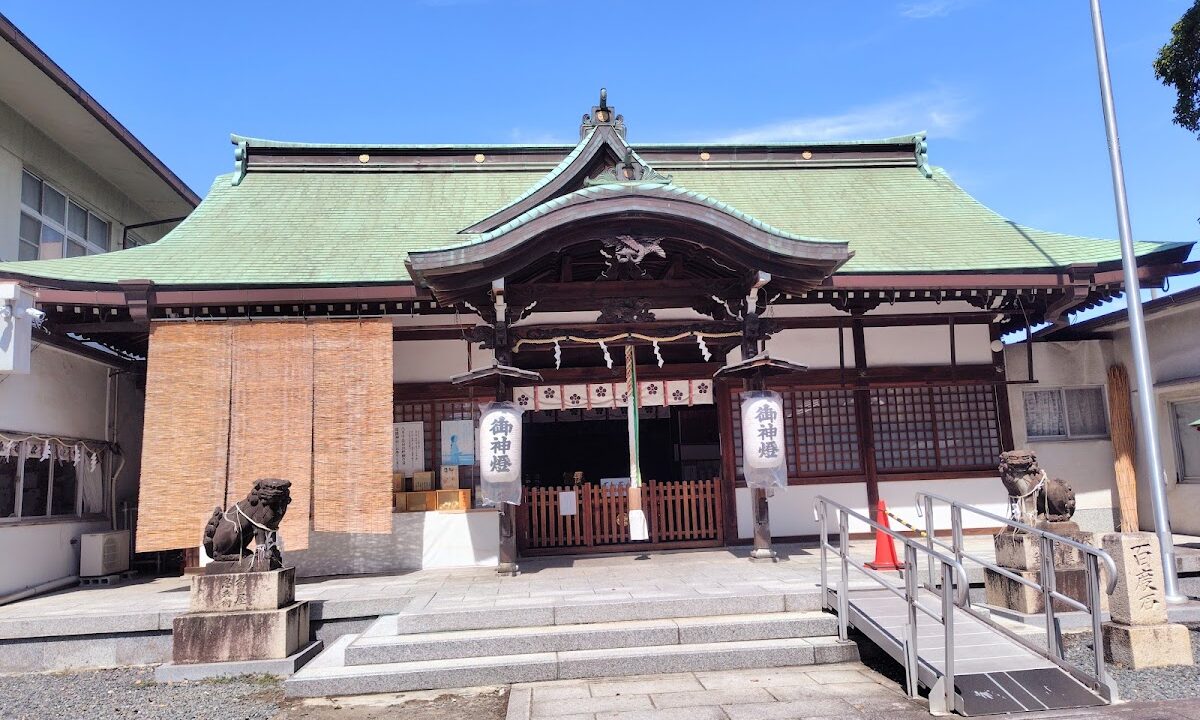
Complete Guide to Sukematsu Shrine | A 1200-Year-Old Shrine in Izumiotsu Where Natural Monument Chickens Roam Freely
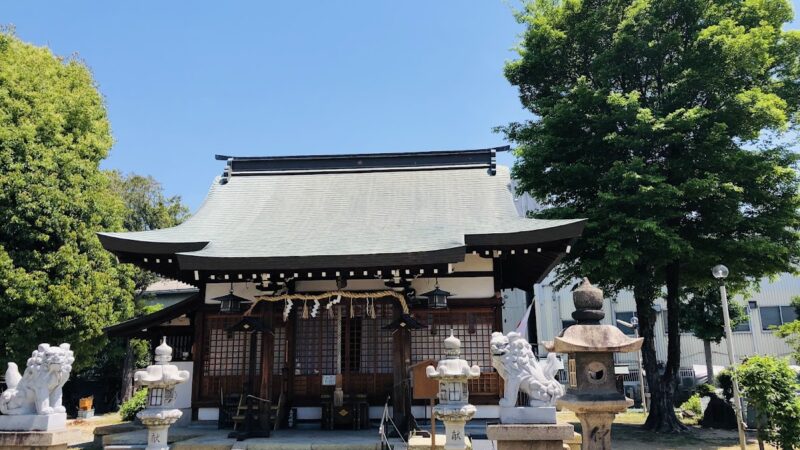
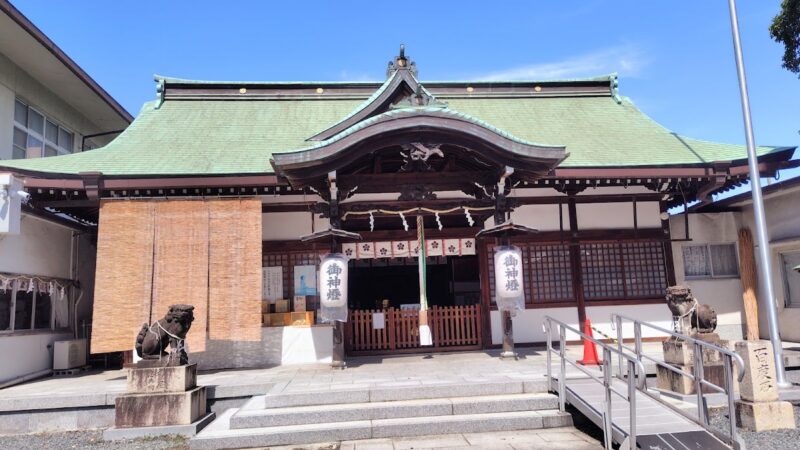
Sukematsu Shrine, located in front of Kita-Sukematsu Station in Izumiotsu City, Osaka Prefecture, is a venerable shrine boasting a history of approximately 1200 years. It is characterized by its natural monument chickens that roam freely within the grounds and its main hall with a rare architectural style, making it a beloved local guardian shrine. This article comprehensively introduces everything you need to know before visiting Sukematsu Shrine, from its history and blessings to its highlights and access methods.
Basic Information about Sukematsu Shrine
Location: 1-3-19 Sukematsu-cho, Izumiotsu City, Osaka Prefecture 595-0071
Phone Number: 0725-22-4706
Access: Approximately 1 minute walk from Kita-Sukematsu Station on the Nankai Main Line
Parking: Available (Several spaces on the shrine grounds)
Visiting Hours: Open all day (Please check the shrine office’s operating hours)
Sukematsu Shrine is located in a very easily accessible location, right in front of Kita-Sukematsu Station on the Nankai Main Line. Because it’s right there after getting off the train, even first-time visitors won’t get lost.
History and Origins of Sukematsu Shrine
Founded in the Nara Period
It is said that Sukematsu Shrine was founded approximately 1200 years ago, during the reign of Empress Shotoku (reigned 764-770) in the Nara period. This period corresponds to the late Nara period, a time when Buddhism and Shintoism merged. From its founding, it has served as a center of faith in this region, watching over the lives of the people.
Enshrinement of Sugawara no Michizane
During the Kanki era of the Kamakura period (1229-1232), Sugawara no Michizane, known as the god of learning, was enshrined here. As a result, Sukematsu Shrine became a place of worship for academic success and passing exams. The shrine’s crest features a plum blossom design, suggesting the possibility that it originally enshrined Tenjin (Sugawara no Michizane).
Reconstruction during the Yoshino Court Period
During the Yoshino Court period (Nanboku-cho period), a legend remains that descendants of a warrior who received protection from Sukematsu Shrine during a battle in the Izumi Plain later built a shrine as a token of gratitude. This history illustrates the spiritual support Sukematsu Shrine provided to the local people.
Deities and Benefits
Main Deities
The following deities are enshrined at Sukematsu Shrine:
Kasuga Okami (The Four Deities of Kasuga)
- Amenokoyane-no-Mikoto
- Takemikazuchi-no-Mikoto
- Futsunushi-no-Mikoto
- Himegami
Sugawara no Michizane
Known as Tenjin-sama, the god of learning
Main Benefits
Academic Success and Passing Exams: Because Sugawara no Michizane is enshrined here, many students and those preparing for exams visit the shrine. It is especially crowded with worshippers praying for success during exam season.
Protection from Evil and Good Fortune: The divine power of Kasuga Okami is believed to bring protection from evil and good fortune.
Prayer for Safe Childbirth: The water basin on the shrine grounds is associated with the belief in safe childbirth, and many worshippers visit to pray for a safe delivery.
Family Safety: As the local guardian deity, it is worshipped as a god that protects the health and safety of families.
Highlights of Sukematsu Shrine
Natural Monument Chickens
The most distinctive feature of Sukematsu Shrine is the natural monument chickens that roam freely on the shrine grounds.
Totenko Chicken
This breed is designated as a national natural monument, characterized by its beautiful feathers and magnificent physique. In the mornings, they let out a cheerful “cock-a-doodle-doo.” The Totenko chicken is a native Japanese breed that has been cherished since the Edo period, and its graceful appearance captivates many worshippers.
Shokoku Chicken
This is also a valuable breed designated as a natural monument. The sight of the Totenko chickens roaming the shrine grounds is a unique feature of Sukematsu Shrine.
These chickens are free-range and greet visitors. The combination of a shrine and chickens is unusual, making it a popular photo spot. However, it’s important to observe them gently so as not to stress them.
The Main Hall with a Unique Architectural Style
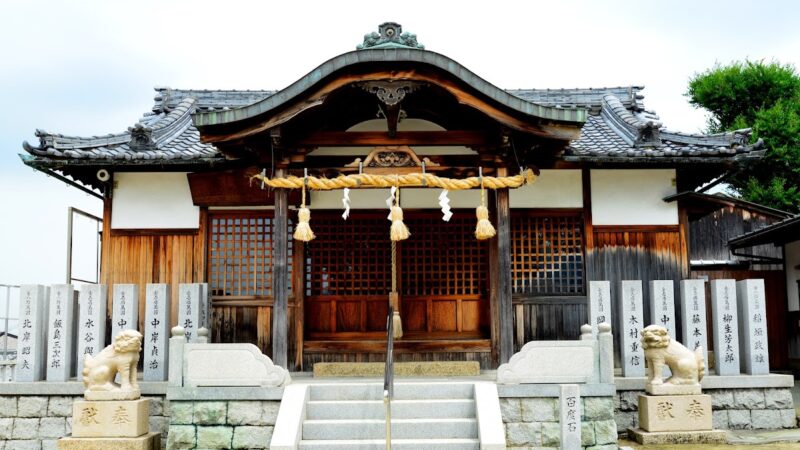
The main hall of Sukematsu Shrine is built in a rare architectural style called “Nikensha Nagare-zukuri,” which is uncommon throughout Japan.
Characteristics of Nikensha Nagare-zukuri
The number of spaces between pillars is always even, making it a very unique construction method. This style, which differs from typical shrine architecture, is considered highly valuable from an architectural history perspective.
Chamfered Square Pillars
The pillars of the main hall (moyabashira) are chamfered square pillars, demonstrating attention to detail. Those familiar with architecture will be amazed by the high level of craftsmanship.
Osaka Prefecture’s Oldest Hyakudo-ishi Stone
Within the shrine grounds is the oldest Hyakudo-ishi stone in Osaka Prefecture, erected in 1694 (Genroku 7). The Hyakudo-mairi is a religious practice where one walks back and forth between the main shrine and the Hyakudo-ishi stone 100 times while making a wish. This stone has watched over people’s wishes for over 300 years. It’s a historically valuable stone structure and a must-see.
Water Basin for Safe Childbirth Faith
The water basin on the shrine grounds has a history linked to the belief in safe childbirth. Since ancient times, women praying for safe childbirth have purified themselves at this basin and prayed for a safe delivery. Even today, many people visit to pray for safe childbirth, preserving a deeply rooted form of faith in the region.
Plum Blossom Crest
The crest of Sukematsu Shrine is a plum blossom design. This symbolizes the deep connection between Sugawara no Michizane and plum blossoms, and evokes Michizane’s famous waka poem: “When the east wind blows, send forth your fragrance, plum blossoms; do not forget spring, even though your master is gone.” The shrine’s crest also reflects the profound history of Tenjin worship.
Goshuin Information
Goshuin (shrine stamps) are available at Sukematsu Shrine.
Features of the Goshuin
The goshuin at Sukematsu Shrine features the shrine’s name and date of visit written in ink, along with the shrine’s seal. Its simple yet powerful calligraphy makes it popular among goshuin collectors.
Points to Note When Receiving a Goshuin (Shrine Stamp):
- The shrine office may be unattended, so it is recommended to call ahead to confirm.
- A Goshuin is proof of your visit, so be sure to pray before receiving it.
- Bringing your Goshuincho (stamp book) is recommended.
- Prepare a donation (whatever you feel is appropriate).
When receiving a Goshuin, it is important to show respect to the shrine and make your request politely.
Annual Events and Night Markets
Night Markets on the 6th, 16th, and 26th of Every Month
A distinctive event at Sukematsu Shrine is the opening of night markets on the 6th, 16th, and 26th of every month. Local people gather, and the shrine grounds are filled with a lively atmosphere. The nostalgic atmosphere of the night markets makes it a place of relaxation for the community, enjoyed by children and adults alike.
Main Annual Events
Hatsumode (First Shrine Visit of the New Year): Many worshippers visit the shrine in the new year to pray for safety and happiness throughout the year.
Main Annual Events **Tenjin Festival**: As this shrine enshrines Sugawara no Michizane, events related to the Tenjin Festival are held.
Annual Grand Festival: As the local guardian shrine, the annual grand festival is held in the autumn.
For detailed dates of these events, we recommend contacting the shrine directly or checking local information.
Access
Access by Train
Approximately 1 minute walk from Kita-Sukematsu Station on the Nankai Main Line
Sukematsu Shrine is located right in front of Kita-Sukematsu Station. It’s extremely close to the station and easily accessible.
Travel Time from Major Stations
- From Namba Station: Approximately 20 minutes by Nankai Main Line Express, alight at Kita-Tsukematsu Station.
- From Tennoji Station: Take the JR Hanwa Line to Sakai-shi Station, transfer to the Nankai Main Line, and alight at Kita-Tsukematsu Station (approximately 30 minutes).
- From Osaka Station: Take the JR Osaka Loop Line to Shin-Imamiya Station, transfer to the Nankai Main Line, and alight at Kita-Tsukematsu Station (approximately 40 minutes).
Access by Car
Approximately 5 minutes from the Hanshin Expressway Route 4 Wangan Line “Izumiotsu IC”
There are a few parking spaces on the temple grounds, but since the number is limited, we recommend using public transportation. There are also coin-operated parking lots nearby, so please consider using those as well.
Nearest Bus Stop
The nearest bus stop is the Nankai Bus “Kita-Tsukematsu Station” bus stop. It’s conveniently located in front of the station, making bus access easy.
Nearby Tourist Attractions
Izumiotsu City Textile and Knitting Museum (Oriam)
Izumiotsu City is known as a blanket production area, and at the Textile and Knitting Museum, you can learn about the history of the textile industry. It is within walking distance of Sukematsu Shrine, and visiting both is recommended.
Otsu Shrine
Another historical shrine located in Izumiotsu City, it is also a place of worship for the local community. Those visiting shrines should consider paying their respects here as well.
Izumiotsu Port
A port facing Osaka Bay, where you can enjoy the sea view. After visiting Sukematsu Shrine, a stroll around the port area would be pleasant.
Manners and Precautions for Visiting the Shrine
Basic Manners for Visiting the Shrine
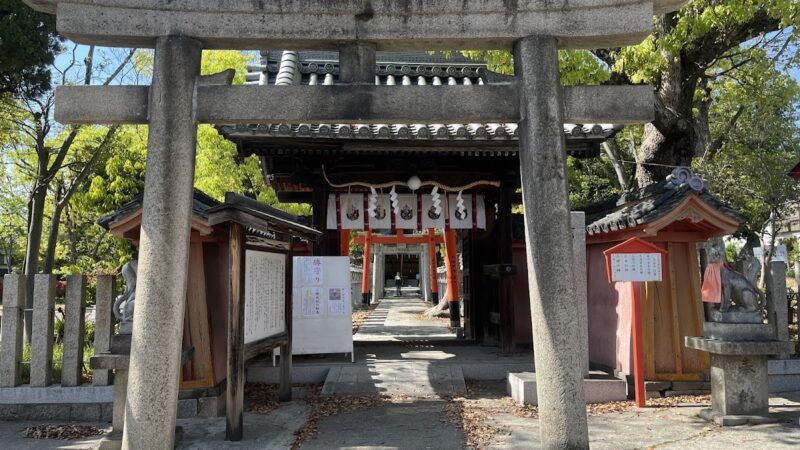
- When passing through the torii gate: Bow before entering the shrine grounds.
- Procedure for washing your hands: Cleanse your left hand, then your right hand, then your mouth, and finally cleanse the handle of the ladle.
- Procedure for worship: Two bows, two claps, and one bow are the basic rituals.
- Behavior within the shrine grounds: Worship quietly and with reverence.
Consideration for the Chickens
The chickens, designated as a natural monument, roam the shrine grounds and are an important part of Sukematsu Shrine. Please observe the following points:
- Do not chase or startle the chickens.
- Do not feed them without permission.
- Take photographs quietly and without stressing the chickens.
- Watch your step, as there may be chicken droppings.
Regarding Photography
Photography is generally permitted within the shrine grounds, but please observe the following points.
- Please be considerate of other worshippers.
- Photography inside the main hall may require permission.
- Please obtain permission in advance for commercial photography.
Summary of the Charms of Sukematsu Shrine
Sukematsu Shrine boasts three major attractions: its 1200-year history, its natural monument chickens, and its unique architectural style. As it enshrines Sugawara no Michizane, the god of learning, it attracts many students and those preparing for exams, and is cherished as the local guardian shrine.
Despite its convenient location near the station, the shrine grounds offer a quiet and peaceful atmosphere, a healing space that allows you to forget the hustle and bustle of everyday life. The sight of chickens freely roaming the grounds is a unique scene not seen at other shrines, and it soothes the hearts of visitors.
This shrine can be enjoyed by a variety of people, from history buffs and shrine enthusiasts to those collecting Goshuin (shrine stamps), students preparing for exams, and those who simply want to see the unusual chickens. When you visit Osaka, be sure to stop by Sukematsu Shrine.
Located in Izumiotsu City, a little distance from the heart of Osaka, Sukematsu Shrine boasts a rich history and tradition that has been preserved precisely because of its remote location. Easily accessible via the Nankai Main Line, Sukematsu Shrine offers a chance to experience Japanese shrine culture and encounter its natural monument chickens.
Through your visit, we hope you will experience the charm of Sukematsu Shrine, which has been cherished by the local community for 1200 years. Please offer your prayers with sincerity, offering your wishes for academic success, family safety, protection from misfortune, and good fortune.