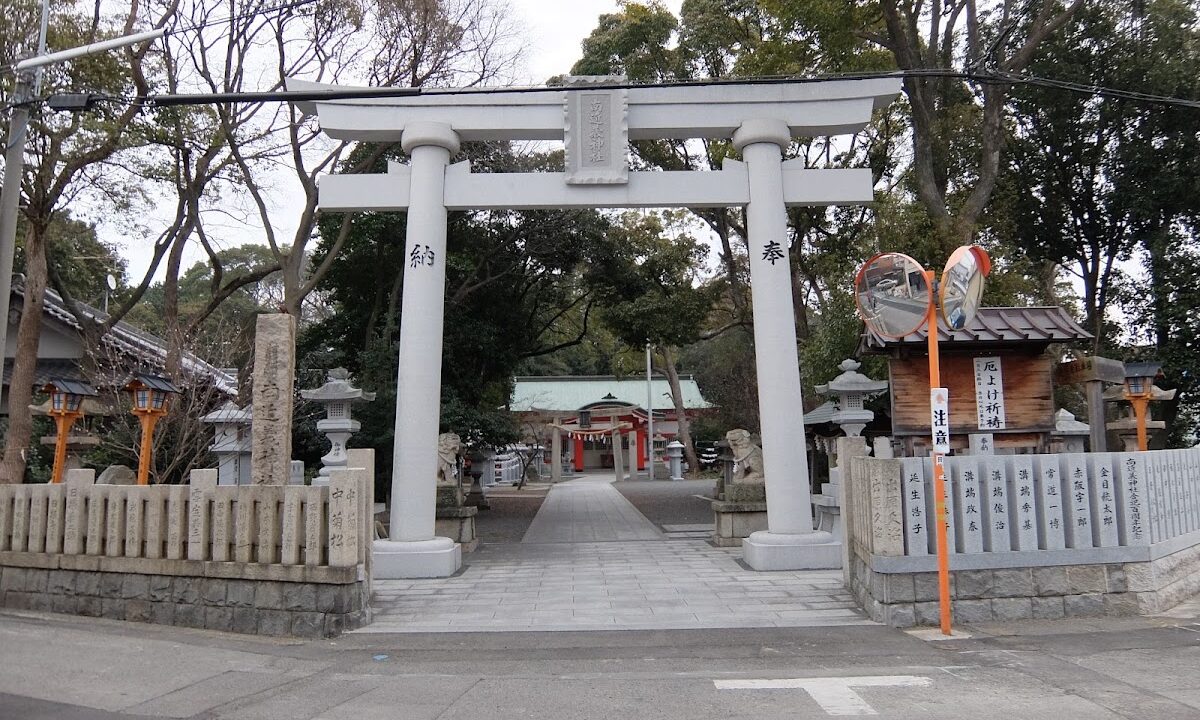
Complete Guide to Minamikogi Shrine: A Thorough Explanation of the History, Deities, and Blessings of the Engishiki-Listed Shrine in Kaizuka City
What is Minamikogi Shrine?
Minamikogi Shrine is a historical shrine located at 1195 Oji, Kaizuka City, Osaka Prefecture. It is considered a candidate for the Kakita Shrine listed in the Engishiki Jinmyocho (a list of shrines compiled in the Heian period), and has been revered by the local people as a former village shrine.
This shrine is unique in the number of deities it enshrines, including the principal deity Mitsuhanome-no-kami and 36 other deities, including Niutsuhime-no-kami. Since ancient times, it has been deeply revered as a god of water, a god of rainmaking, and a god of safe childbirth, and has been deeply intertwined with the lives of the local people.
History and Origins of Minami Chikayoshi Shrine
Circumstances of Founding
The exact founding date of Minami Chikayoshi Shrine is unknown, but its origins lie in a branch shrine of Niu Shrine in Yoshino. Originally called “Niu Shrine,” it was a shrine deeply connected to the Koyasan faith.
It is said that in 1284 (Kōan 7), when Chikayoshi Manor was donated to Niu-Tsuhime Shrine, the guardian shrine of Koyasan, a divided spirit was invited to this shrine. Due to this historical background, Minami Chikayoshi Shrine became an important center of faith in the region as the Koyasan faith spread.
Changes in Shrine Name
Minami Chikayoshi Shrine has had several names throughout its long history.
- Niu Shrine Era: From its founding to the Edo period, it was called “Niu Shrine” as a branch shrine of Niu Shrine in Yoshino.
- Amano Myojin: For a time, it was also called “Amano Myojin,” a name indicating its connection to Mount Koya.
- Minami Chikayoshi Shrine: In May 1909 (Meiji 42), when several surrounding shrines were merged, the shrine’s name was changed to its current name, “Minami Chikayoshi Shrine,” which it remains today.
Positioning as an Engishiki Shrine
Minami Chikayoshi Shrine is considered one of the candidate shrines for “Kashita Shrine,” listed in the Engishiki Jinmyocho (a list of shrines compiled in the Heian period, specifically in 927 AD). The Engishiki Jinmyocho is an important historical document compiling major shrines throughout Japan.
As a Shikinaisha (shrine listed in the Engishiki) belonging to Hine District, Izumi Province, Minami Chikayoshi Shrine appears to have been an important center of faith in the region since ancient times. This historical value remains an important element in conveying the shrine’s status and history even today.
Deities and Divine Characteristics
Main Deity: Mizuhanome-no-Kami
Mizuhanome-no-Kami, the main deity of Minami Chikayoshi Shrine, is the goddess of water. In Japanese mythology, she is said to have been born from the urine excreted by Izanami-no-Mikoto to heal the burns she sustained while giving birth to Kagutsuchi, the god of fire. She symbolizes the blessings and purity of water.
The divine attributes of Mizuha-no-me-no-kami are as follows:
- Water Goddess: Presides over water essential to people’s lives, such as irrigation and domestic water.
- Rain-making Goddess: Revered as a goddess who brings the rain necessary for agriculture.
- Purity Goddess: Symbolizes the purifying power of water and possesses the power to ward off defilement.
Niu-tsuhime-no-kami and Koyasan Faith
Niu-tsuhime-no-kami is a goddess worshipped mainly in Kii Province (present-day Wakayama Prefecture) and is known as the tutelary deity of Koyasan. There is a legend that when Kukai (Kobo Daishi) founded Koyasan, he was guided by Niu-tsuhime-no-kami and her child, Koya-no-miko-no-kami (Kariba-myojin).
The fact that Niu-tsuhime-no-kami is enshrined at Minami-Chikayoshi Shrine indicates a deep historical connection between this region and Koyasan. The history of the enshrinement of a divided spirit when Kinoki Manor became part of the Koyasan territory is a valuable example that conveys the aspects of the medieval manorial system and the syncretism of Shinto and Buddhism.
Thirty-Six Deities
One of the characteristics of Minami Kinoki Shrine is that it enshrines thirty-six deities, including the main deities Mizuha-no-me-no-kami and Niu-tsuhime-no-kami. This is a result of the shrine consolidation policy of 1909 (Meiji 42), which merged several surrounding shrines.
This consolidation strengthened Minami Kinoki Shrine’s character as the guardian shrine of the region, and it has developed as a shrine that bestows diverse blessings. The large number of thirty-six deities speaks to the diversity of beliefs in this region and the role that the shrine has played as the center of the local community.
Blessings and Faith
Faith as a God of Rainmaking
Minami Kinoki Shrine has attracted particularly fervent devotion as a god of rainmaking since ancient times. Because the main deity enshrined here, Mizuhanome-no-kami, is the goddess of water, this shrine was an important place for agricultural people to pray for rain during droughts.
Records from the Edo period show that when droughts continued, villagers would perform “Sendo-mairi” (a thousand-time pilgrimage) while ringing bells and drums. Sendo-mairi is a religious practice of repeatedly visiting the same shrine, representing a strong prayer to the gods. This traditional rain-making custom demonstrates the close connection between Minami Chikayoshi Shrine and the lives of the local people.
Benefits as a God of Safe Childbirth
Another important aspect of the worship at Minami Chikayoshi Shrine is prayers for safe childbirth. Mizuhanome-no-kami, the goddess of water, is associated with water, the source of life, and has therefore been revered as a god of safe childbirth and fertility.
Water is believed to nurture and purify life, and was thought to play a crucial role in the birth of new life. Therefore, since ancient times, women praying for safe childbirth have visited Minami Chikayoshi Shrine and prayed for a safe delivery.
Other Benefits
Minami Chikayoshi Shrine, which enshrines 36 deities, is said to bestow a variety of benefits, including the following:
- Abundant Harvest: As the god of agriculture, prayers are offered for abundant harvests.
- Family Safety: As the guardian deity of the region, protection of family safety and peace is offered.
- Protection from Evil: Purification and protection from evil through the pure power of water.
- Healing from Illness: Purification of mind and body and prayers for good health through the power of pure water.
Highlights of the Shrine Grounds
Shrine Architecture
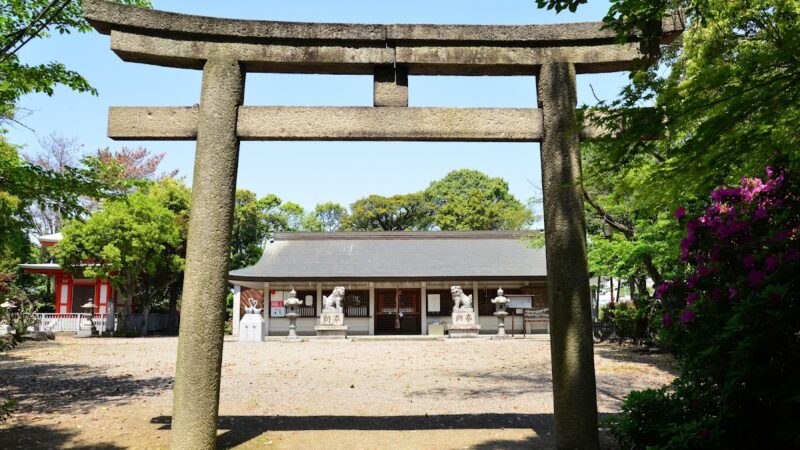
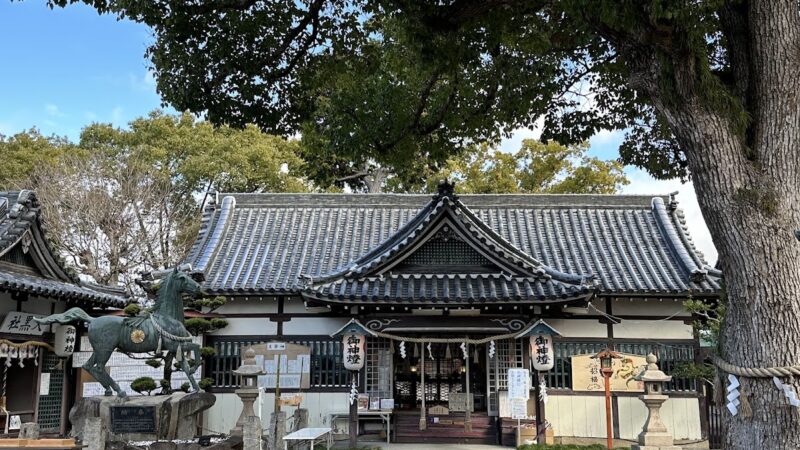
The shrine buildings of Minami Chikayoshi Shrine retain the characteristics of traditional shrine architecture in the region. The main hall is protected by a protective structure, conveying a sacred space that has stood for a long time.
The worship hall is a place where worshippers offer prayers and is cherished by the local people. The entire shrine grounds are enveloped in a tranquil atmosphere, maintaining its ancient religious significance even in today’s increasingly urbanized world.
Komainu and Stone Sculptures
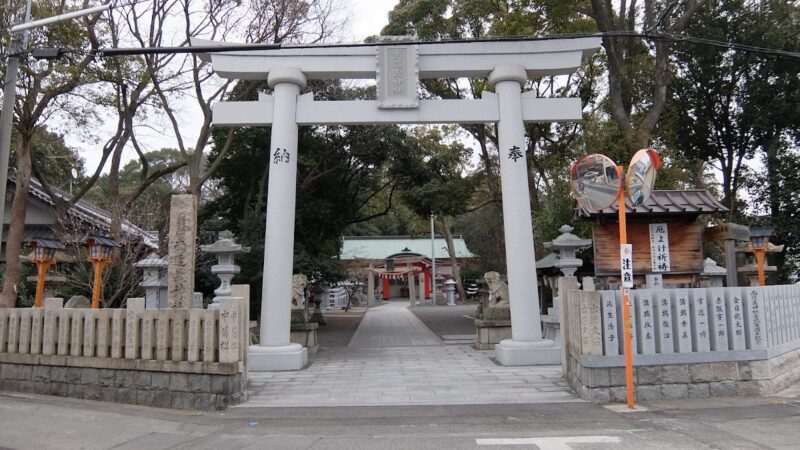
Within the grounds of Minami Chikayoshi Shrine, stone sculptures such as komainu (guardian lion-dogs) and stone lanterns are placed, evoking a sense of history. These offerings are valuable cultural assets that convey the state of worship in different eras and are important elements that tell the story of the shrine’s history.
The komainu, as sacred beasts protecting the shrine, are placed along the approach to the shrine and in front of the main hall, welcoming worshippers. Their form and style reveal the characteristics of the era and region in which they were offered.
Natural Environment of the Shrine Grounds
The grounds of Minami Chikayoshi Shrine are situated in a quiet environment surrounded by lush greenery. Ancient trees and shrubs form a sacred space, creating a sense of harmony with nature despite being in an urban area.
The changing nature of the shrine grounds with each season allows worshippers to feel the passage of the seasons, embodying the traditional Japanese view of nature and the spirit of Shinto.
Annual Events and Festivals
Annual Festival
At Minami Chikayoshi Shrine, various Shinto rituals and festivals are held throughout the year. The annual festival is the most important festival for the shrine, where gratitude is offered to the enshrined deity and prayers are made for peace and prosperity in the community.
Local parishioners and devotees attend, and traditional Shinto rituals are solemnly performed. These annual events are important opportunities to deepen the bonds of the local community and pass on traditional culture to future generations.
New Year’s Visit and Milestone Visits
At the start of the new year, many worshippers visit Minami Chikayoshi Shrine to pray for safety throughout the year and the health of their families. Visits are also made at milestones in life, such as Shichi-Go-San (a traditional rite of passage for children), exorcism during unlucky years, and prayers for safe childbirth.
These traditional worship customs remain deeply rooted in the lives of local people even today, demonstrating that Minami Chikayoshi Shrine functions as a spiritual center for the community.
Access and Visiting Information
Basic Information
- Location: 1195 Oji, Kaizuka City, Osaka Prefecture
- Phone Number: 072-423-5258
- Shrine Rank: Former Village Shrine, Candidate for Engishiki-listed Shrine (Kashita Shrine)
- Deities Enshrined: Mizuha-no-me-no-kami and 35 other deities (36 in total)
Access by Train
The nearest station to Minami Chikayoshi Shrine is Izumi-Hashimoto Station on the JR Hanwa Line.
- From Izumi-Hashimoto Station: Approximately 9-10 minutes on foot (approximately 800 meters)
Izumi-Hashimoto Station is easily accessible from Osaka city, about 30 minutes by rapid train from Tennoji Station. The route from the station to the shrine is relatively flat, passing through a residential area.
Access by Car
If you are visiting by car, the nearest interchange is the Kaizuka IC on the Hanwa Expressway. It takes approximately 10 minutes from the Kaizuka IC.
Regarding parking, it is recommended to check before your visit. Since the surrounding area is residential, please avoid street parking and use appropriate parking spaces.
Precautions During Your Visit
- Visiting Hours: Visiting during the daytime is generally recommended.
- Attire: Please dress appropriately for visiting a shrine.
- Manners: The shrine grounds are a sacred place. Please pray quietly and be considerate of other visitors.
- Photography: Photography is restricted in some areas, such as inside the main hall, so please be careful.
Nearby Attractions
Historical Spots in Kaizuka City
Kaizuka City, where Minami Chikayoshi Shrine is located, has many other historical spots.
- Gansenji Temple: A Jodo Shinshu Buddhist temple, an important temple known as Kaizuka Gobo.
- Kaizuka Terauchi-machi: A historical townscape that retains the layout of a medieval temple town.
- Mizuma-dera Temple: An ancient temple known as the Kannon of厄除け (yakuyoke – protection against misfortune).
Visiting these spots together will allow you to gain a deeper understanding of Kaizuka City’s rich history and culture.
Natural Environment
Kaizuka City is located on Osaka Bay and is blessed with both sea and mountainous natural beauty. Near Minami Chikayoshi Shrine, at the foot of the Izumi Mountains, there are hiking trails and nature parks where you can enjoy the changing seasons.
Cultural Value of Minami Chikayoshi Shrine
As a Center of Local Faith
Minami Chikayoshi Shrine is not merely a historical building, but a living cultural asset that still functions as a center of faith for the local people. Traditional forms of faith and community bonds are maintained through local festivals and annual events.
History of the Manor System and Shinto-Buddhist Syncretism
The historical fact of the donation of Chikagi Manor to Mount Koya in 1284 (Kōan 7) is a valuable example illustrating the reality of the manor system and Shinto-Buddhist syncretism in medieval Japan. The event of inviting a divided spirit of Niutsuhime-no-kami illustrates the relationship between religious policy and land control at the time.
Inheritance of Folk Beliefs
Folk beliefs such as the thousand-time pilgrimage for rain and prayers for safe childbirth convey Japan’s traditional religious views and lifestyle culture to the present day. These beliefs and customs embody the values that form the core of Japanese culture: coexistence with nature and reverence for life.
Summary
Minami Chikagi Shrine, located in Kaizuka City, Osaka Prefecture, is a candidate for an Engishiki-listed shrine and a venerable shrine with a history of over 1000 years. It enshrines 36 deities, including the main deity Mizuha-no-me-no-kami, and has been deeply revered by the local people, especially as a god of rain and safe childbirth. Originating as a branch shrine of the Niu Shrine in Yoshino, Minami Chikayoshi Shrine has developed through deep ties with the Koyasan faith. It is a valuable site that conveys the history of the medieval manorial system and the syncretism of Shinto and Buddhism. The Edo-period tradition of praying for rain with a thousand pilgrimages and the continuing faith in safe childbirth demonstrate the shrine’s role closely intertwined with the lives of the local people.
Conveniently located about a 10-minute walk from Izumi-Hashimoto Station on the JR Hanwa Line, the tranquil grounds offer a sacred space far removed from the hustle and bustle of the city. When visiting Kaizuka City, be sure to visit Minami Chikayoshi Shrine and experience its history and faith. As the god of water and the god of safe childbirth, it will surely hear your wishes.
Minami Chikayoshi Shrine is not merely a tourist spot; it is a place where the history, culture, and faith of the region still thrive. By understanding its value and visiting with respect, you will have a valuable experience of touching upon traditional Japanese spiritual culture.