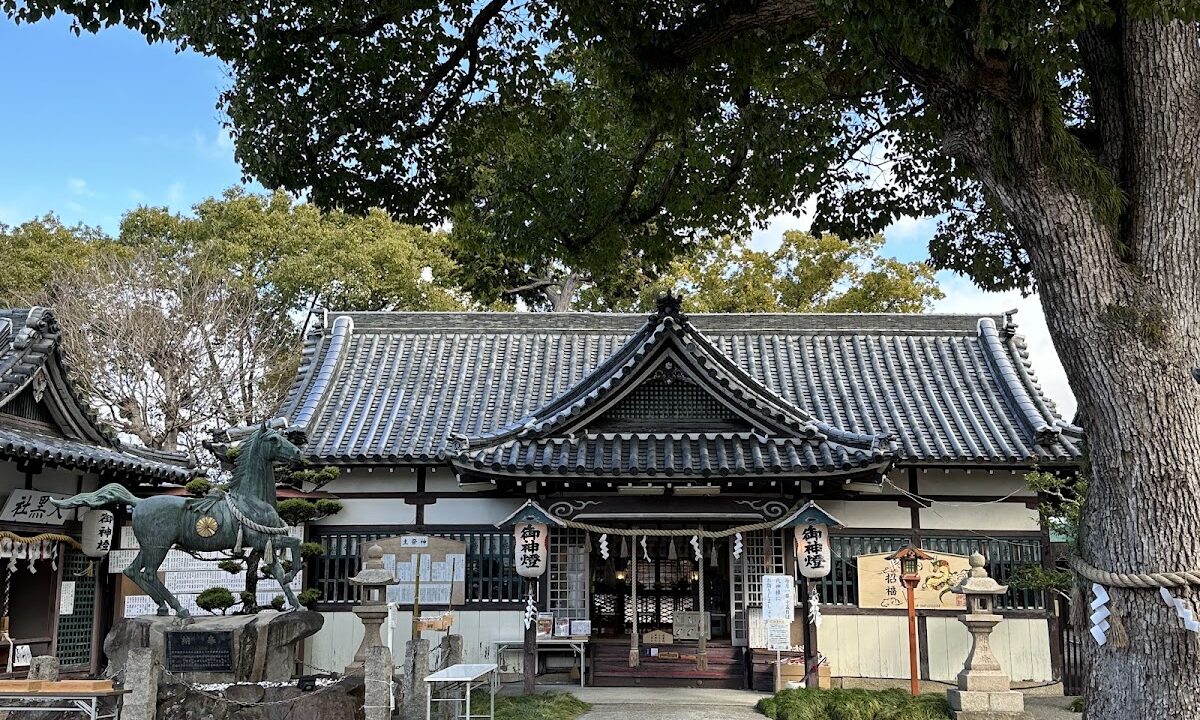
Kashita Shrine (Izumisano City, Osaka Prefecture) Complete Guide | History, Goshuin (Shrine Seals), Access, and the Charm of a Nationally Registered Tangible Cultural Property
Kashita Shrine, located in Tsuruhara, Izumisano City, Osaka Prefecture, is a venerable shrine with a history of over 1200 years. In 2024, the main hall, worship hall, offering hall, and sacred offering hall (Gon-honden) were designated as Nationally Registered Tangible Cultural Properties, further highlighting their historical value. This article comprehensively introduces everything you need to know before visiting Kashita Shrine, from detailed information to goshuin (shrine seals), access methods, highlights, and surrounding spots.
Basic Information about Kashita Shrine
Location and Access
Address: 1834-2 Tsuruhara, Izumisano City, Osaka Prefecture 598-0071
Phone Number: 072-462-1506
Nearest Station: Approximately 5 minutes on foot from Tsuruhara Station on the Nankai Main Line
Access by Car: Immediately off the “Kashita Shrine East” intersection on National Route 26
Kashita Shrine is easily accessible from Tsuruhara Station, arriving in about 5 minutes on foot. Located along National Route 26, it’s also convenient for those visiting by car. Parking is available on the shrine grounds, making visits by private vehicle possible.
Visiting Hours and the Shrine Office
Shrine Grounds Visiting: Free (24 hours)
Shrine Office: 9:00 AM – 5:00 PM (Staff may be absent)
If you wish to purchase a Goshuin (shrine stamp) or amulet, it is recommended to visit during the shrine office’s opening hours. However, since the shrine staff may be absent, it is advisable to call ahead to confirm if you wish to receive a Goshuin.
History and Origins of Kashita Shrine
Status as a Shikinaisha (Shrine Listed in the Engishiki)
Kashita Shrine is a Shikinaisha, listed in the Engishiki Jinmyocho (a list of shrines compiled in the 8th century) as one of the “62 shrines of Izumi Province.” A Shikinaisha refers to a historically significant shrine recognized by the imperial court during the Heian period, indicating that it was revered as an important shrine from that time.
While the exact founding date is unclear, it is believed to have a history of over 1200 years and has long been cherished by the local people as a center of faith in this region.
History of the Shrine’s Transformation and Relocation
The history of Kashita Shrine is fascinating. The current location was originally the site of Ichikishima Shrine. Kashita Shrine, as a Shikinaisha (a shrine listed in the Engishiki), was originally located southeast of its current location, but is believed to have been later relocated to its present site.
Due to this relocation, the current Kashita Shrine enshrines Ichikishimahime-no-Mikoto as one of its deities, resulting in a form of combined enshrinement of multiple gods. This historical background is a valuable example that illustrates the evolution of local beliefs.
Aspects as Kashita Hachiman Shrine
Kashita Shrine is also known as “Kashita Hachiman Shrine.” This stems from the fact that its main deity is Hondawake-no-Mikoto, or Emperor Ojin. Hachiman worship was particularly devout in samurai society and spread throughout the country. Kashita Shrine also followed this tradition and has been revered as a guardian deity of the region.
Deities and Blessings
Three Deities
The following three deities are enshrined at Kashita Shrine:
Honda-wake no Mikoto
Known as Emperor Ojin, he is a deity worshipped throughout Japan as Hachiman. He is believed to bring blessings for military success, victory in competitions, national peace and security, and industrial prosperity.
Ichikishima-hime no Mikoto
One of the three Munakata goddesses, she is known as the goddess of beauty and water. She is believed to bring blessings for improvement in performing arts, business prosperity, traffic safety, and matchmaking. She is the deity originally enshrined at Ichikishima Shrine, which was located in this area.
Amenokoyane no Mikoto
Known as the ancestral deity of the Fujiwara clan, he is believed to bring blessings for academic success, wisdom, politics, and career advancement.
The Faith of Ebisu
At Kashita Shrine, Ebisu (Hiruko-no-kami or Kotoshironushi-no-kami) is also enshrined. As the god of business prosperity, abundant harvests, and protection of fisheries, he is deeply revered by local merchants and fishermen. The worship of Ebisu is particularly strong in the Kansai region, and this tradition is carried on at Kashita Shrine.
Nationally Registered Tangible Cultural Property Buildings
Cultural Property Designation in 2024
In 2024, the following buildings at Kashita Shrine were designated as Nationally Registered Tangible Cultural Properties:
- Main Hall
- Worship Hall and Offering Hall
- Offering Hall (Gon-Honden)
These buildings retain many characteristics of shrine architecture from the Edo period to the modern era and are valued as precious cultural heritage that conveys the history of the region.
Architectural Style of the Main Shrine
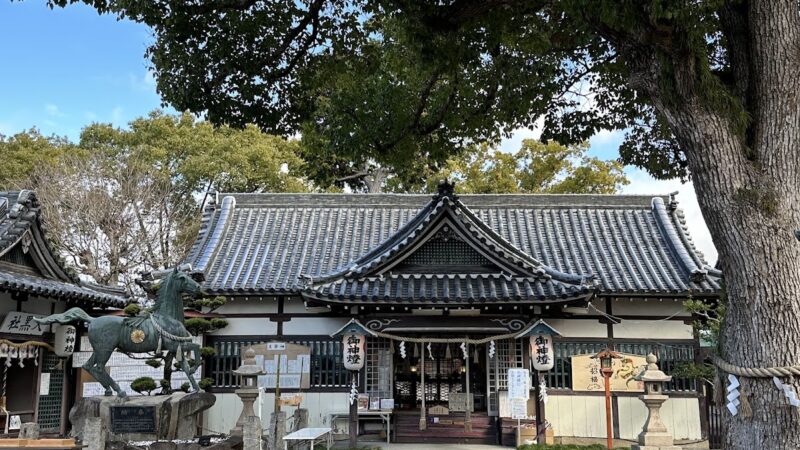
The main shrine of Kashita Shrine is a valuable structure that preserves the traditional style of shrine architecture. There are many points of interest in the detailed carvings and decorations, so please take the time to appreciate the architectural beauty when you visit. The skill of the craftsmen can be seen throughout, from the curves of the roof to the woodworking techniques and the beauty of the colors.
Worship Hall and Offering Hall
The worship hall is where worshippers offer their prayers, and the offering hall is a sacred space where offerings (heihaku) are made to the gods. The worship hall and offering hall at Kashita Shrine have a unified structure, creating a solemn atmosphere.
Shinsenjo (Provisional Main Shrine)
The Shinsenjo is where the food offered to the gods is prepared. The Shinsenjo at Kashita Shrine is also called the Provisional Main Shrine, and it is possible that it once served as the main shrine. Such structures with historical changes are important witnesses to the history of the shrine.
Goshuin Information
Goshuin Design and Features
Goshuin (temple/shrine stamps) are available at Kashita Shrine. The goshuin features the shrine’s name, “Kashita Shrine” or “Kashita Hachiman Shrine,” written in ink, and stamped with the shrine’s seal. It features a simple yet powerful calligraphy style and is popular with many visitors as a memento of their visit.
Goshuin can be obtained at the shrine’s office. Opening hours are 9:00 AM to 5:00 PM, but since priests may not always be present, it is recommended to call ahead to confirm availability if you wish to obtain a goshuin.
Goshuin Notebook and Offering Fee
The offering fee for a goshuin is usually around 300 to 500 yen (this may change, so please confirm during your visit). Original goshuin notebooks may also be available; it’s a good idea to inquire at the office.
Goshuin are not merely stamps; they are a token of your visit and a way to connect with the deities. After offering your respectful prayers, please express your gratitude.
Annual Events and the Annual Festival
Annual Festival (October 9th)
The annual festival of Kashita Shrine is held every year on October 9th. This is the most important festival for the shrine, where gratitude for the past year is offered to the gods, and prayers are offered for peace and prosperity in the community.
On the day of the annual festival, Shinto rituals are solemnly performed, and many local parishioners and devotees attend. Traditional Kagura (sacred dance) and dedication ceremonies are sometimes held, making it a valuable opportunity to experience local culture.
Other Annual Events
In addition to the annual festival, Kashita Shrine also holds the following annual events:
- Hatsumode (January 1st-3rd): The shrine is bustling with worshippers praying for happiness and health in the new year.
- Setsubun Festival (around February 3rd): Traditional events such as bean-throwing are held.
- Natsukoshi no Oharae (June 30th): A Shinto ritual to purify oneself of sins and impurities accumulated over the past six months.
- Toka Ebisu (January 9th-11th): A festival of Ebisu, where people pray for business prosperity.
- Toshikoshi no Oharae (December 31st): A ritual to purify oneself of sins and impurities accumulated over the year and prepare for the new year.
Please note that details and dates of events may change from year to year, so it is recommended to check with the shrine in advance.
Highlights of the Shrine Grounds
Torii Gate and Approach
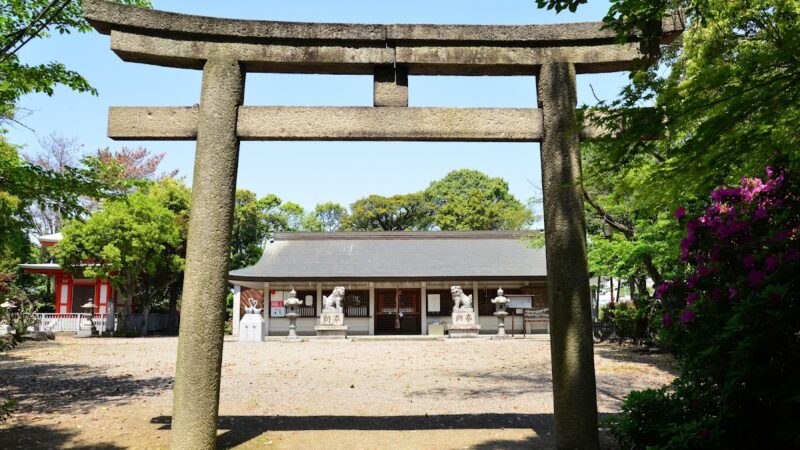
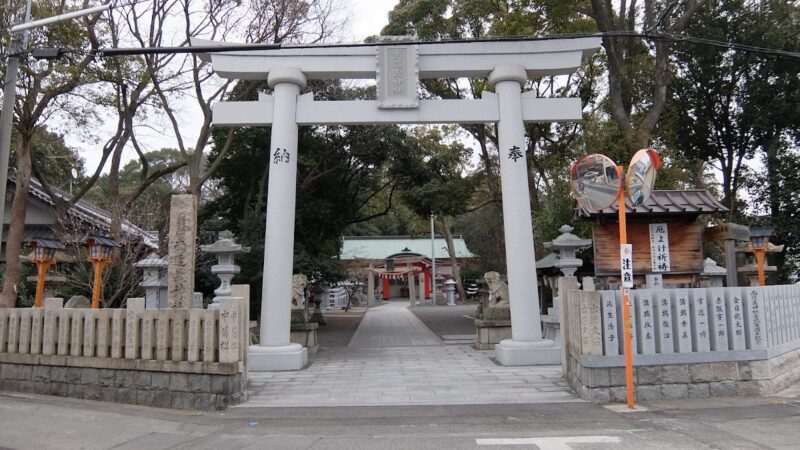
Upon entering the grounds of Kashita Shrine, a magnificent torii gate greets worshippers. The torii gate marks the entrance to the sacred area, and the proper etiquette is to bow before passing through it. The approach to the shrine is meticulously cleaned, allowing for a peaceful and serene atmosphere during worship.
Water Basin
As you proceed along the approach to the shrine, you will find a water basin. It is fundamental to worship at a shrine to purify your hands and mouth here before praying. Scoop water with the ladle, purify your left hand, then your right hand, then your mouth, and finally rinse the handle of the ladle.
Guardian Dogs
A pair of guardian dogs (komainu) sit in front of the main hall. Komainu are sacred beasts that protect shrines, and they are depicted in an A-un (open-mouthed, closed-mouthed) form. The guardian dogs at Kakita Shrine also possess a dignified, historical presence, quietly watching over worshippers.
Shrine Precincts
Several subsidiary shrines (sessha and massha) are enshrined around the main hall. Each enshrines a different deity, allowing worshippers to seek various blessings. By respectfully visiting not only the main shrine but also these smaller shrines within the grounds, you can have a deeper religious experience.
Shrine Office and Gift Shop
Within the shrine grounds, there is a shrine office and gift shop where you can receive goshuin (shrine stamps), amulets, ema (votive tablets), and other items. There are also seasonal amulets and items available for special events, so you may discover something new each time you visit.
Nearby Spots and Tourist Information
Shrines and Temples Around Tsuruhara Station
Around Tsuruhara Station, the nearest station to Kashita Shrine, there are many other historical shrines and temples.
Kosenji Temple
This temple is within walking distance of Tsuruhara Station and is a beloved center of local Buddhist faith. Many people visit it in conjunction with Kashita Shrine, allowing you to feel the tradition of Shinto-Buddhist syncretism.
In addition, there are many other shrines and temples in Izumisano City, where you can enjoy historical walks.
Tourist Spots in Izumisano City
Kansai International Airport
Located offshore from Izumisano City, it is one of Japan’s leading international airports. Enjoy the views from the observation deck and the shopping and dining options within the airport.
Rinku Town
A waterfront area across from Kansai International Airport, offering shopping, dining, and leisure activities, including the large commercial complex “Rinku Premium Outlets.”
Inunaki Mountain
Known as a sacred site for Shugendo (mountain asceticism), this mountain offers abundant nature and hot springs. Hiking trails are also available, making it popular with nature lovers.
Izumisano Fisheries Cooperative Open-Air Market (Izumisano Fishing Port)
A market where you can purchase fresh seafood and enjoy local delicacies. It’s bustling from early morning and a popular spot for tourists.
Nearby Gourmet Information
Izumisano City is blessed with both sea and mountains, offering dishes made with fresh seafood and local vegetables. Restaurants utilizing local ingredients are scattered around Tsuruhara Station and along National Route 26.
Enjoying local cuisine after visiting the shrine is one of the highlights of your trip. Dishes using local specialties from the Senshu region, such as Izumi octopus and Mizu eggplant, are especially recommended.
Manners and Etiquette for Visiting Shrines
Basic Etiquette for Visiting Shrines
There are basic manners to follow when visiting a shrine. Please refer to the following steps.
- Bow before the torii gate: Bow before entering the sacred area.
- Walk along the edge of the path: The center of the path is considered the path of the gods, so walk along the edge.
- Purify yourself at the water basin: Purify your left hand, right hand, mouth, and the handle of the ladle in that order.
- Worship in front of the main hall: Quietly place your offering, ring the bell, and worship using the two bows, two claps, and one bow ritual.
- Bow upon leaving: Turn around and bow before leaving the torii gate.
Clothing and belongings
There are no specific dress code requirements for visiting a shrine, but be mindful that you are in the presence of the gods and dress cleanly and modestly. It is best to avoid revealing or overly flashy clothing.
If you wish to receive a goshuin (shrine stamp), bring your goshuincho (stamp book). If you wish to take photographs, bring your camera or smartphone. However, some places prohibit photography, so check the signs and follow the instructions of the shrine staff. ### Points to Note When Visiting
- Please be quiet within the shrine grounds and avoid disturbing other visitors.
- Regulations regarding bringing pets vary by shrine, so please check beforehand.
- Please refrain from smoking or eating outside of designated areas.
- Please take your trash home with you or dispose of it in the designated trash cans.
- Please do not harm the plants or animals within the shrine grounds.
The Charm and Recommended Points of Kashita Shrine
A Space Where You Can Feel History and Culture
The greatest charm of Kashita Shrine lies in its dignified atmosphere as an ancient shrine with over 1200 years of history, and its valuable buildings designated as National Registered Tangible Cultural Properties. Away from the hustle and bustle of the city, you can find peace of mind while feeling the weight of history in the quiet grounds.
Easy Access
Its convenient location, just a 5-minute walk from Tsuruhara Station, makes it easily accessible from Osaka city and Kansai International Airport. You can easily stop by during sightseeing or travel.
A Faith Rooted in the Community
Kashita Shrine is a shrine that has been loved and protected by the local people. The shrine also plays a central role in the community, with local parishioners participating in cleaning activities and organizing festivals. This deeply rooted form of faith is a valuable cultural heritage in the modern age.
Seasonal Scenery
The shrine grounds display different expressions with each season. You can enjoy the changing seasons: fresh greenery in spring, deep green in summer, vibrant autumn leaves, and a tranquil atmosphere in winter. It’s a shrine where you can discover something new with every visit.
History of Izumisano City and Kashita Shrine
Origins of Izumisano City
Izumisano City is located in the southern part of Osaka Prefecture, in the Sennan region. Historically, it flourished as part of Izumi Province, a rich region blessed with both sea and mountains. In the Middle Ages, it developed as a post town on the Kumano Kaido road, and in modern times, industries such as textile manufacturing prospered.
Currently, as a city across from Kansai International Airport, it also plays a role as an international gateway.
Importance as a Shikinaisha Shrine
Izumi Province had 62 Shikinaisha shrines listed in the Engishiki Jinmyocho (a list of shrines compiled in the Heian period), and Kashita Shrine was one of them, serving as a center of local faith since ancient times. The status of a Shikinaisha shrine indicates that it was a historically significant shrine recognized by the imperial court, providing important clues for understanding the region’s history.
Preservation of Local Culture
At Kashita Shrine, local traditional culture is preserved through annual events, including the annual festival. Not only tangible cultural assets, such as Kagura (sacred dance), festival rituals, and the maintenance of the shrine architecture, but also intangible cultural heritage is carefully preserved.
Detailed Access Information to Kashita Shrine
Access by Train
From Osaka City
- Approximately 40 minutes from Nankai Main Line “Namba Station” to “Tsuruhara Station” (using the express train)
- Approximately 5 minutes on foot after alighting at “Tsuruhara Station”
From Kansai International Airport
- Approximately 15 minutes from Nankai Main Line “Kansai Airport Station” to “Tsuruhara Station”
- Approximately 5 minutes on foot after alighting at “Tsuruhara Station”
From Wakayama Area
- Approximately 30 minutes from Nankai Main Line “Wakayama-shi Station” to “Tsuruhara Station”
- Approximately 5 minutes on foot after alighting at “Tsuruhara Station”
Access by Car
Using Hanshin Expressway/Hanwa Expressway
- Approximately 10 minutes from Hanwa Expressway “Izumisano IC”
- Use the “Kashita Shrine East” intersection on National Route 26 as a landmark
Parking
Parking is available on the shrine grounds. However, since parking is limited, we recommend using nearby paid parking lots or public transportation during peak hours.
Access by Bus
A community bus also operates within Izumisano City. Detailed routes and timetables can be found on the Izumisano City website.
Frequently Asked Questions (FAQ)
Q1: Can I get a Goshuin (temple/shrine stamp) at Kashita Shrine anytime?
A1: You can get a Goshuin during the shrine’s opening hours (9:00 AM to 5:00 PM), but the shrine priest may not always be present. If you want to be sure to get a Goshuin, we recommend calling in advance (072-462-1506). Please note that priests are especially likely to be absent on weekdays and during early mornings and evenings.
Q2: Is Kashita Shrine pronounced “Kashita Jinja”?
A2: Yes, officially, it is pronounced “Kashita Jinja”. It is also known as “Kashita Hachiman Shrine.” Locally, it is sometimes affectionately called “Kashita-san.”
Q3: Is there parking available?
A3: There is parking space on the shrine grounds, but the number of spaces is limited. During events such as festivals, congestion is expected, so we recommend using public transportation. It is conveniently located a 5-minute walk from Tsuruhara Station, making it easy to visit by train.
Q4: Can I have a wedding ceremony or prayers at Kashita Shrine?
A4: For Shinto wedding ceremonies and various prayers (such as first shrine visits for newborns, Shichi-Go-San, exorcism, and safety prayers), you need to consult with the shrine by phone in advance. Please confirm the details, including dates, costs, and necessary preparations, before applying.
Q5: When was Kashita Shrine founded?
A5: The exact founding date is unclear, but since it is listed in the Engishiki Jinmyocho (completed in 927), it is believed to have existed at least since the early Heian period. According to tradition, it has a history of over 1200 years, making it a very old shrine.
Q6: What is the designation of a Nationally Registered Tangible Cultural Property?
A6: Nationally Registered Tangible Cultural Properties are registered historical buildings that are over 50 years old and deemed to have a certain value. The regulations are less stringent than those for Important Cultural Properties, and the aim is to support the voluntary preservation of owners. At Kashita Shrine, the main hall, worship hall, offering hall, and sacred food preparation area were registered in 2024.
Q7: What are the benefits of visiting Kashita Shrine?
A7: The main deity enshrined here is Emperor Ojin (Homudawake-no-Mikoto), who is believed to grant blessings for military success, victory in competitions, and national peace; Ichikishimahime-no-Mikoto, who grants blessings for improvement in performing arts, business prosperity, and matchmaking; and Amenokoyane-no-Mikoto, who grants blessings for academic success and career advancement. Ebisu is also enshrined here, so many visitors come to pray for business prosperity.
Q8: Is photography allowed?
A8: Photography is generally permitted on the shrine grounds, but there are areas where photography is prohibited, such as inside the main hall. Photography may also be discouraged during festivals or prayers. When taking photos, please be considerate of other visitors and ask a Shinto priest if you have any questions.
Q9: Is it possible to visit with a pet?
A9: It is recommended to check with the shrine beforehand regarding bringing pets. Generally, shrines value purity, and therefore may restrict pet entry. Even if dogs are allowed, please keep them on a leash and observe proper pet-owning etiquette, such as cleaning up after them.
Q10: Are there any recommended tourist spots around Kashita Shrine?
A10: Kansai International Airport, Rinku Town, Inunakiyama Onsen, and Izumisano Fisheries Cooperative Open-Air Market are recommended. Many people visit the shrine before or after using the airport, making it an ideal location to pray for safe travels. There are also temples such as Kosenji Temple around Tsuruhara Station, allowing you to enjoy historical walks.
Summary
Kashita Shrine is a Shikinaisha (a shrine listed in the Engishiki, an ancient Japanese legal code) located in Tsuruhara, Izumisano City, Osaka Prefecture, with a history of over 1200 years. In 2024, the main hall, worship hall, offering hall, and sacred food preparation area were designated as registered tangible cultural properties of Japan, further highlighting its historical value.
It enshrines three deities: Homutawake-no-Mikoto, Ichikishimahime-no-Mikoto, and Amenokoyane-no-Mikoto, and is believed to offer various blessings, including military success, business prosperity, and academic success. Located just a 5-minute walk from Tsuruhara Station, and easily accessible from Kansai International Airport, Kakita Shrine is a popular choice for a casual visit during sightseeing.
It boasts numerous attractions, including its Goshuin (temple/shrine stamps), annual events, and buildings designated as nationally registered tangible cultural properties. Nearby, you’ll find other temples such as Kosenji, as well as tourist spots like Rinku Town and Inunaki Mountain, allowing you to enjoy the history and culture of Izumisano City for a full day.
Why not take a moment to appreciate the tranquil atmosphere of the shrine grounds and find peace of mind? Kakita Shrine quietly conveys to us, living in the modern age, the beauty of traditional Japanese culture, and the importance of faith.