Himejima Shrine (Osaka Prefecture) Complete Guide | Thorough Explanation of Goshuin (Shrine Seal), Access, Benefits, and History
Himejima Shrine, located in Nishiyodogawa Ward, Osaka City, is a historic shrine that has long been revered as a guardian deity for women. Its main deity is Akaruhime-no-Mikoto, and it is believed to offer particularly comforting blessings for women, including matchmaking, safe childbirth, and women’s health. This article provides detailed information you should know before visiting Himejima Shrine, including its history, benefits, goshuin (shrine seal), access methods, and highlights within the shrine grounds.
Basic Information about Himejima Shrine
Official Name: Himejima Shrine
Location: 4-14-2 Himejima, Nishiyodogawa-ku, Osaka City, Osaka Prefecture 555-0033
Main Deity: Akaruhime-no-Mikoto
Founding: Believed to be during the reign of Empress Suiko (around 593 AD)
Shrine Rank: Former Village Shrine
Telephone: 06-6471-5230
Visiting Hours: Grounds are freely accessible (Shrine office is generally open from 9:00 AM to 5:00 PM)
Parking: Available (several spaces)
History and Origins of Himejima Shrine
A Place of Worship from Ancient Times
Himejima Shrine is an ancient shrine with a history of over 1400 years, dating back to the reign of Empress Suiko (late 6th to early 7th century). This area was once an island called “Himejima,” located near the mouth of the Yodo River.
According to shrine tradition, Akaruhime-no-Mikoto was a goddess who played an active role during Empress Jingu’s conquest of the Three Kingdoms of Korea, and the shrine’s origin lies in her enshrinement in this location. She has long been worshipped as a deity of safe voyages and protection from maritime disasters.
The Shrine that Originated the Place Name
The current place name “Himejima” originates from this Himejima Shrine. Because there was a shrine dedicated to a goddess on what was once a sandbar in the Yodo River, it came to be called “Himejima,” and eventually became the name of the entire surrounding area.
During the Edo period, it was the guardian shrine of the village, receiving deep devotion from the local residents, and in the Meiji era, it was designated a village shrine. Although the surrounding environment has changed significantly due to post-war urbanization, it remains a cherished spiritual pillar of the community.
Deities and Benefits
Main Deity: Akaruhime-no-Mikoto
Akaruhime-no-Mikoto, the main deity of Himejima Shrine, is also known as “Akaruhime-no-Mikoto” and is known as a goddess who protects women. Legend says she accompanied Empress Jingu on her conquest of the Three Kingdoms of Korea and was enshrined as a goddess for her achievements.
The name “Akaru” means “bright” or “to illuminate,” and she has been worshipped as a goddess who brightly illuminates and guides women’s lives.
Main Benefits
Himejima Shrine is believed to offer the following benefits:
Protection of Women: Protection from women’s specific health concerns and worries
Matchmaking: Benefits for finding a good partner
Prayer for Safe Childbirth: Safe childbirth and the health of mother and child
Fertility: Benefits for being blessed with children
Exorcism: Especially for women during their unlucky years
Safe Voyages: Belief in the shrine as a water deity since ancient times
Family Safety: Peace and prosperity in the home
Many visitors come to pray at important milestones in women’s lives, and the shrine is popular for family events such as prayers for safe childbirth, first shrine visits for newborns, and Shichi-Go-San (a traditional Japanese rite of passage for children).
Highlights of the Shrine Grounds
Main Hall and Worship Hall
The main hall of Himejima Shrine is built in the traditional shrine architectural style, creating a tranquil atmosphere. The worship hall is a place where worshippers offer their prayers, and it is a carefully maintained and pure space.
Shrine Precincts
In addition to the main shrine, several smaller shrines are enshrined within the grounds, each offering unique blessings. We recommend visiting these smaller shrines as well during your visit.
Sacred Tree and Nature
A magnificent sacred tree stands within the grounds, evoking the long history of the shrine that has watched over this land. Despite its urban location, the grounds are surrounded by greenery, creating a tranquil space where visitors can find peace of mind during their visit.
Water Basin
A water basin is provided for purification before worship. Please cleanse your hands and mouth using the correct etiquette before proceeding to the main shrine.
Goshuin (Shrine Seal) Information
Features of the Goshuin
At Himejima Shrine, you can receive a goshuin as proof of your visit. The goshuin features the shrine’s name and the date of your visit written in ink, followed by a red seal. The simple yet powerful calligraphy is characteristic, conveying an elegant beauty befitting a shrine dedicated to a female guardian deity.
Goshuin (Shrine Stamp) Reception
Reception Location: Shrine Office
Reception Hours: Approximately 9:00 AM to 5:00 PM (Subject to change due to events, etc.)
Offering Fee: Approximately 300-500 yen (Subject to change)
Notes:
- Bringing your own goshuincho (stamp book) is recommended.
- The shrine may be unattended, so if you wish to be sure of receiving a goshuin, we recommend calling ahead.
- Pre-printed goshuin may be available.
Goshuincho
Please check with the shrine office upon your visit regarding the availability of Himejima Shrine’s original goshuincho.
Annual Events and Festivals
Annual Festivals
Himejima Shrine holds various Shinto rituals and festivals throughout the year.
Spring Festival: An important festival held in spring.
Autumn Festival: A festival to give thanks for the autumn harvest.
New Year’s Day Festival: A first shrine visit of the year to celebrate the new year.
During these festivals, local residents gather, and the shrine becomes especially lively.
First Shrine Visit of the Year
Many worshippers visit the shrine for their first shrine visit of the year. As the shrine is dedicated to the guardian deity of women, many female worshippers pray for health and happiness in the new year.
Other Festivals
Traditional Japanese Shinto rituals, such as the Setsubun Festival and the Summer Purification Ceremony, are held throughout the year. Please contact the shrine directly for detailed dates.
Access
Access by Train
Himejima Shrine is easily accessible by public transportation.
Nearest Stations:
- Hanshin Electric Railway Main Line “Himejima Station”: Approximately 5 minutes on foot (closest)
- JR Tozai Line “Mitejima Station”: Approximately 15 minutes on foot
- Hanshin Namba Line “Himejima Station”: Approximately 5 minutes on foot
Directions from Himejima Station
Exit Himejima Station and head northeast. Walk straight through the residential area, and you will arrive at Himejima Shrine. Because it’s close to the station, even first-time visitors should be able to find it without getting lost.
Access by Bus
Osaka City Bus routes are also available. The nearest bus stop is a few minutes’ walk away.
Access by Car
Hanshin Expressway:
- Approximately 10 minutes from the Nakajima Exit of the Hanshin Expressway Route 5 Wangan Line
- Approximately 15 minutes from the Fukushima Exit of the Hanshin Expressway Route 1 Loop Line
Parking: There are a few parking spaces on the shrine grounds, but the number is limited, so we recommend using public transportation whenever possible.
Address (for car navigation): 4-14-2 Himejima, Nishiyodogawa-ku, Osaka City, Osaka Prefecture
Access from Surrounding Areas
- From Umeda: Approximately 15 minutes by Hanshin Electric Railway
- From Namba: Approximately 20 minutes by Hanshin Namba Line
- From Kobe: Direct access available by Hanshin Electric Railway
Manners and Etiquette for Visiting a Shrine
Basic Etiquette for Visiting a Shrine
Please observe the basic etiquette for visiting a shrine and offer your prayers with sincerity.
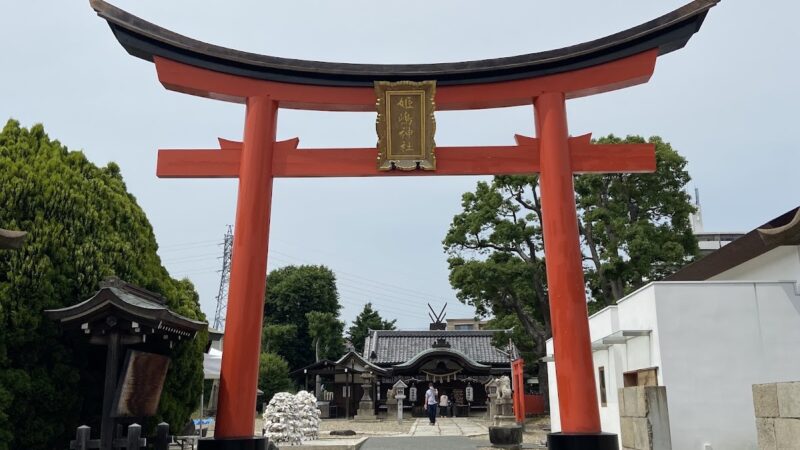
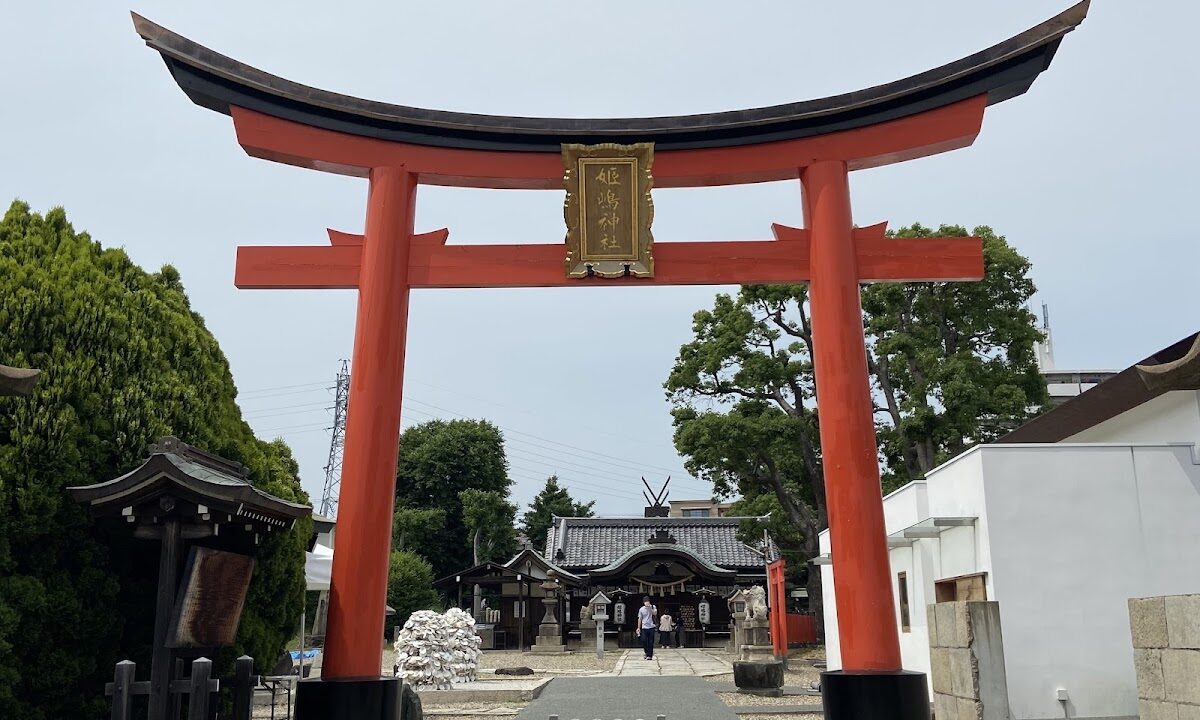
1. Bowing at the Torii Gate: Bow before passing through the torii gate.
2. How to Walk Along the Path: Walk along the sides of the path, as the center is considered the path of the gods.
3. How to Wash Your Hands:
- Take the ladle with your right hand and wash your left hand.
- Switch the ladle to your left hand and wash your right hand.
- Switch the ladle back to your right hand, receive water in your left hand, and rinse your mouth.
- Finally, stand the ladle upright and wash the handle.
4. Worship at the Main Hall:
- Quietly place your offering in the offering box.
- Ring the bell if there is one.
- Perform the two bows, two claps, one bow (two deep bows, two claps, one deep bow).
Regarding Attire:
Everyday clothes are acceptable, but clean and presentable attire is preferred as it is a sacred place. Especially if you are receiving a prayer, try to dress appropriately and not too casually.
Regarding Photography
Photography is generally permitted within the shrine grounds, but there may be restrictions, such as inside the main hall or during festivals. If unsure, please check with the shrine office. Also, please be considerate of other visitors.
Prayers and Offerings
Regarding Prayers
Himejima Shrine accepts various types of prayers.
Main Prayers:
- Safe Childbirth
- First Shrine Visit for a Newborn
- Shichi-Go-San (7-5-3 Festival)
- Protection from Evil
- Family Safety
- Business Prosperity
- Traffic Safety
Prayer Application: We recommend making a reservation by phone in advance. Same-day reservations may be possible, but this may not be possible depending on Shinto rituals and other reservations.
Offering Fee: Varies depending on the type of prayer. Please contact the shrine for details.
Items Offered
The shrine office offers the following items:
- Amulets: Various types for matchmaking, safe childbirth, protection from evil, etc.
- Ema (votive tablets): For writing wishes and offering them.
- Goshinfuda (amulets): For enshrining on the household altar.
- Omikuji (fortune slips): Messages from the gods.
There is a particularly wide selection of amulets for women, including some with cute designs.
Nearby Tourist Attractions
Himejima Area
The Himejima area of Nishiyodogawa Ward, where Himejima Shrine is located, is a residential area that retains the atmosphere of old Tokyo. A stroll around the area before or after visiting the shrine is recommended.
Yodogawa Riverbank
A short walk from the shrine will take you to the Yodogawa Riverbank. The spacious riverbank is perfect for walking or jogging, and you can enjoy seasonal flowers.
Umeda/Osaka Station Area
The Umeda area, about 15 minutes away by Hanshin Electric Railway, boasts numerous shopping and dining facilities, including Grand Front Osaka, Hankyu Department Store, and Yodobashi Camera. You can enjoy sightseeing in the city center after visiting the shrine.
How to Enjoy Visiting Himejima Shrine
At Milestones in a Woman’s Life
Himejima Shrine, as a guardian deity for women, is worth visiting at various milestones in a woman’s life.
- Prayer for Finding a Partner: For single women seeking a good match
- Prayer for Safe Childbirth: On the Day of the Dog in the fifth month of pregnancy
- First Shrine Visit: Reporting the birth of a baby to the gods
- Shichi-Go-San: Expressing gratitude for a child’s growth
- Yakudoshi: Protection from misfortune during a woman’s unlucky years (19, 33, 37 years old)
Spending a Quiet Time
The shrine grounds, slightly removed from the hustle and bustle of the city, are an ideal place to calm your mind. You can escape the hustle and bustle of everyday life and have time to reflect on yourself.
Experiencing Local History
Himejima Shrine, with a history of over 1400 years, is a witness to Osaka’s history. It’s interesting to imagine how this land, once an island, has changed as you visit.
Points to Note When Visiting
Shrine Office Opening Hours
If you wish to receive a Goshuin (shrine stamp) or other items, you need to visit during the shrine office’s opening hours. Generally, it’s from 9:00 to 17:00, but staff may be absent due to religious ceremonies or events. If you want to be sure of receiving assistance, it is recommended to call in advance.
Crowds on Festival Days
The shrine is more crowded than usual during festivals and New Year’s visits. If you want to visit at a leisurely pace, weekdays or early mornings are recommended.
Consideration of Weather
Since the shrine grounds are outdoors, an umbrella is necessary in case of rain. Also, the sun is strong in the summer, so it is recommended to bring a hat, parasol, and water.
Accessibility Information
If you wish to visit the shrine using a wheelchair or stroller, please contact the shrine in advance to inquire about any steps or stairs within the grounds.
Summary of Himejima Shrine’s Charms
Himejima Shrine, located in Osaka City, is a quiet and peaceful shrine revered as a guardian deity for women. With a history of over 1400 years, it has been cherished by the local community.
Main Charms of Himejima Shrine:
- Special blessings as a guardian deity for women
- Blessings for women, such as matchmaking, safe childbirth, and fertility
- Convenient access, just a 5-minute walk from the station
- A quiet and healing space in the city
- A warm, community-rooted atmosphere
- Carefully presented Goshuin (shrine stamps)
Please visit Himejima Shrine to express your gratitude at important milestones in your life or to convey your daily thanks. Akaruhime-no-Mikoto, the guardian deity of women, will surely illuminate your life.
Contact Information
Himejima Shrine
- Address: 4-14-2 Himejima, Nishiyodogawa-ku, Osaka City, Osaka Prefecture 555-0033
- Phone: 06-6471-5230
- Visiting Hours: Grounds are freely accessible (Shrine office is generally open from 9:00 to 17:00)
For the latest information before visiting, or to make a reservation for prayers, please contact the above phone number.
—
Himejima Shrine is a shrine that offers strong support for women. It is worth visiting at various stages of life, such as for matchmaking, safe childbirth, and women’s health. When sightseeing in Osaka or at important milestones in your life, please be sure to visit this historic shrine. The gentle divine virtues of Akaruhime-no-Mikoto are sure to bring bright light into your life.