Hyotan-yama Inari Shrine (Osaka Prefecture) Complete Guide | History, Blessings, and Visiting Information for One of Japan’s Three Great Inari Shrines
Hyotan-yama Inari Shrine, located in Higashi-Osaka City, Osaka Prefecture, is a historically significant shrine said to have been established by Toyotomi Hideyoshi when he built Osaka Castle. It is counted as one of Japan’s three great Inari shrines and is widely known as the head shrine of Tsujiura (fortune-telling). This guide provides a detailed introduction to this shrine, which boasts a unique location built on top of an ancient burial mound and a warm atmosphere that has been cherished by locals for many years.
About Hyotan-yama Inari Shrine
Hyotan-yama Inari Shrine is an Inari shrine located at 8-1 Hyotan-yama-cho, Higashi-Osaka City, Osaka Prefecture. It is conveniently located about a 5-minute walk from Hyotan-yama Station on the Kintetsu Nara Line, attracting many visitors from both the local area and further afield.
The most distinctive feature of the shrine is that its main hall is built on the western slope of the Hyotan-yama Kofun, a double-circular burial mound constructed in the first half of the 6th century. This burial mound is the westernmost and largest of the Yamahata Kofun Group. It is said that the name “Hyotan-yama” (Gourd Mountain) was given because the shape of the burial mound resembles a gourd lying on its side or the side of a gourd buried in the ground.
Status as one of Japan’s Three Inari Shrines
Hyotan-yama Inari Shrine is sometimes counted as one of Japan’s “Three Inari Shrines.” While there are various theories about which shrines are Japan’s Three Inari Shrines, there is no doubt that Hyotan-yama Inari Shrine is one of the representative Inari shrines in the Kansai area. As a center of Inari worship, it has attracted the faith of people praying for business prosperity and abundant harvests.
History as the Head Shrine of Tsujiura (Fortune Telling)
Another important aspect of Hyotan-yama Inari Shrine is its position as the “Head Shrine of Tsujiura.” Tsujiura, a form of divination that even appears in the Manyoshu (an ancient collection of Japanese poetry), was one of the most popular forms of fortune-telling in ancient Japan. It involved standing at a crossroads and interpreting the conversations and behaviors of passersby to predict good or bad fortune. Even today, Tsujiura is actively practiced at Hyotan-yama Inari Shrine, attracting many visitors seeking to have their fortunes told.
History and Origins of Hyotan-yama Inari Shrine
Circumstances of Founding and Relationship with Toyotomi Hideyoshi
Hyotan-yama Inari Shrine is believed to have been founded in 1583 (Tensho 11). This coincides with the time when Toyotomi Hideyoshi began construction of Osaka Castle. According to tradition, when Hashiba Hideyoshi (later Toyotomi Hideyoshi) built Osaka Castle, he had the shrine established as a guardian deity three ri (approximately 2 km) southeast of the castle.
It is said that Hideyoshi invited the “Fukube Inari” from Fushimi Castle, and since “Fukube” is similar to “Hyotan” (gourd), this is one of the origins of the name Hyotan-yama Inari Shrine. Its position as the guardian deity of Osaka Castle speaks to the high status of this shrine.
Changes in the Shrine Building
The current main hall was rebuilt in 1866 (Keio 2). As a valuable building that conveys the architectural style of the late Edo period, it is a historical asset of the region. The shrine building is built facing west at the constricted part of the Hyotan-yama Kofun (ancient burial mound), forming a unique landscape where the burial mound and the shrine are integrated.
Connection to the Former Shijo Village
The location where Hyotan-yama Inari Shrine is situated was formerly known as Otsuka, Shijo Village. This area is located on a corner of the Higashi Koya Kaido (Eastern Koya Road) and has flourished as a transportation hub since ancient times. The shrine has long been revered as the guardian deity of the region and as a protector of the safety of travelers along the highway.
Deities and Blessings
Main Deity: Ukemochi-no-Okami
The main deity of Hyotan-yama Inari Shrine is Ukemochi-no-Okami. Ukemochi-no-Okami is a representative Inari deity, known as the goddess who presides over food. An ancient deity appearing in the Kojiki and Nihon Shoki, she is widely worshipped as a god of abundant harvests and business prosperity.
Originally, Inari was an agricultural deity protecting rice growth and bountiful harvests, but over time, she also came to be revered as a god of business prosperity and industrial development. This is the background behind Hyotan-yama Inari Shrine’s popularity among merchants and business owners in the commercial city of Osaka.
Main Benefits
Hyotan-yama Inari Shrine is believed to offer the following benefits:
Business Prosperity: This is a representative benefit of Inari. Many business owners and merchants visit the shrine to pray for business development and prosperity.
Matchmaking (Good Relationships): The shrine is believed to bring good relationships, and many people visit to pray for success in love and good relationships.
Family Safety: Many visitors come to pray for the health and peace of their families and for harmony in their homes.
Overall Fortune Improvement: As the head shrine of Tsujiura (a type of fortune-telling), it serves as a guide when facing crossroads in life, and one can pray for overall fortune improvement.
Abundant Harvest: Prayers for a bountiful harvest, which is the foundation of the original Inari faith, are also offered.
About Hyotan-yama Kofun
A Rare Double-Circular Mound
Hyotan-yama Kofun is a double-circular mound constructed in the first half of the 6th century. A double-circular mound is a type of burial mound where two circular mounds are connected, a rare form nationwide. This mound is the largest in the Yamahata Kofun Group and is believed to have been the tomb of a powerful local figure.
The name “Hyotan-yama” (Gourd Mountain) originated from the mound’s resemblance to a gourd, and this name also became the name of the shrine. The construction of a shrine on top of a burial mound is rare nationwide, making it a fascinating case from both an archaeological and religious perspective.
Coexistence of Burial Mound and Shrine
The small hill behind the main shrine building is the Hyotan-yama Kofun itself. The shrine building is constructed on the constricted part of the mound, creating a unique landscape where an ancient ruin and a shrine are integrated. This arrangement reflects the wisdom of our ancestors who respected the burial mounds as sacred places while attempting to connect their power with the spiritual efficacy of Shinto shrines.
Positioning within the Yamahata Burial Mound Group
The Hyotan-yama Burial Mound is the westernmost burial mound in the Yamahata Burial Mound Group, which was built in clusters at the foot of the mountain. This group of burial mounds was constructed in the late Kofun period (6th century) and is believed to have been the burial ground of powerful local families at the time. The fact that the Hyotan-yama Burial Mound is the largest among them suggests that the person buried there was the most influential figure in the region.
About Tsujiura (Street Divination)
What is Tsujiura?
Tsujiura is an ancient Japanese form of divination that even appears in the Manyoshu (an ancient collection of Japanese poetry). “Tsuji” refers to a road crossroads, and divination involved observing the conversations and demeanor of people passing by, the gender and age of the first person encountered, and the direction they passed to predict good or bad fortune.
In ancient times, crossroads (tsuji) were considered to possess special spiritual power, serving as boundaries to other realms and places where various information and people intersected. Information obtained there was believed to reveal the will of the gods and was used as a basis for making important decisions.
Crossroads Divination at Hyotan-yama Inari Shrine
Hyotan-yama Inari Shrine, known as the “head shrine of crossroads divination,” still actively practices this practice today. The shrine preserves its own unique method of divination, and many worshippers visit seeking it when facing crossroads in life or making important decisions.
Crossroads divination is not merely fortune-telling; it is considered a sacred act of receiving messages from the gods. Worshippers sincerely inquire of the gods and use the results as guidance for their lives.
The Significance of Crossroads Divination in Modern Times
Even in modern society, seeking guidance when making important life decisions is common. The crossroads divination at Hyotan-yama Inari Shrine, using a traditional method passed down from ancient times, offers a valuable opportunity to discern the will of the gods and is supported by many people.
Highlights of the Shrine Grounds
Main Hall
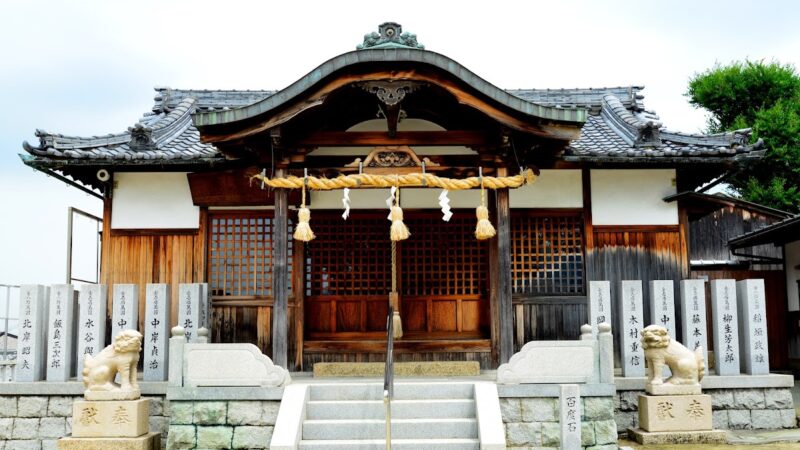
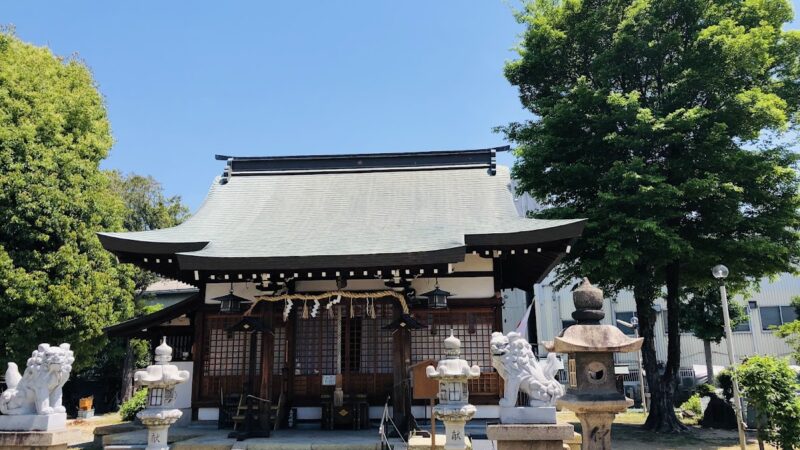
Rebuilt in 1866 (Keio 2), the main hall is a valuable structure that preserves the architectural style of the late Edo period. It is built facing west on the western slope of the Hyotan-yama Kofun (ancient burial mound), giving it a unique layout. The beautiful vermilion-painted shrine combines the splendor and solemnity characteristic of Inari shrines.
Fox Statues
Fox statues, symbols of Inari shrines, are placed throughout the grounds. Considered messengers of the Inari god, the fox is revered as a watchful presence for worshippers and an intermediary for their wishes.
Shrine Office
The shrine office offers Goshuin (stamped seals), amulets, and fortune slips. Opening hours are 8:00 AM to 4:30 PM. Goshuin are popular as souvenirs of visits and are carefully written.
Atmosphere of the Shrine Grounds
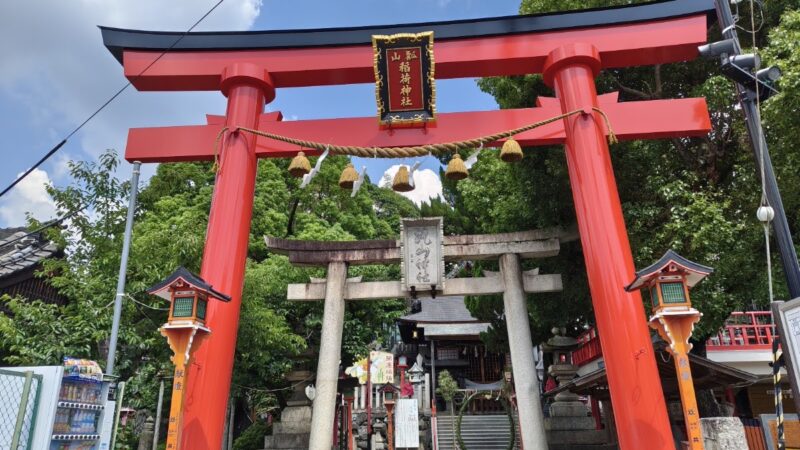
Despite being in the heart of the city, the grounds of Hyotan-yama Inari Shrine are enveloped in a tranquil atmosphere. Its unique location atop an ancient burial mound creates a distinctive, sacred ambiance. It’s a warm and welcoming space where the familiarity of locals who visit daily coexists with the dignity of a prestigious shrine.
Annual Events and Festivals
Annual Festival (Summer Festival)
The annual festival of Hyotan-yama Inari Shrine is a summer festival held every year on July 17th and 18th. These two days see the shrine grounds bustling with many worshippers, making it an important annual event for the community. Stalls line the grounds, creating a lively atmosphere with locals and visitors from neighboring areas.
New Year’s Visit
Many worshippers visit the shrine for their first shrine visit of the new year. The grounds are filled with people praying for business prosperity, family safety, good fortune in relationships, and other wishes for the new year. The shrine is especially crowded from New Year’s Day through the third day of the year, so we recommend visiting with plenty of time to spare.
Other Annual Events
Various seasonal events are held, such as the Setsubun Festival and the Autumn Festival. Detailed schedules can be found on the shrine’s official website or at the shrine office.
Visiting Information
Basic Information
Name: Hyotanyama Inari Shrine
Address: 8-1 Hyotanyama-cho, Higashi-Osaka City, Osaka Prefecture 579-8051
Phone Number: Please contact the shrine directly
Visiting Hours: Grounds are freely accessible (24-hour visitation possible)
Shrine Office Hours: 8:00 AM – 4:30 PM
Closed Days: None
Admission Fee: Free
Access Methods
Access by Train
- Get off at Hyotanyama Station on the Kintetsu Nara Line, and walk south for approximately 5 minutes (approximately 150 meters).
- The route through the shopping street from the station is easy to understand and recommended.
Access by Car
- Approximately 10 minutes from the Mizuhashi Exit of the Hanshin Expressway Route 13 Higashi-Osaka Line.
- Approximately 15 minutes from the Ichibu Interchange on the Daini-Hanna Expressway.
Parking
For information regarding the shrine’s dedicated parking lot, please inquire with the shrine in advance. While there are coin-operated parking lots nearby, during busy periods such as New Year’s Day and annual festivals, we recommend using public transportation.
Etiquette for Visiting Shrines
Please observe basic shrine etiquette when visiting a shrine.
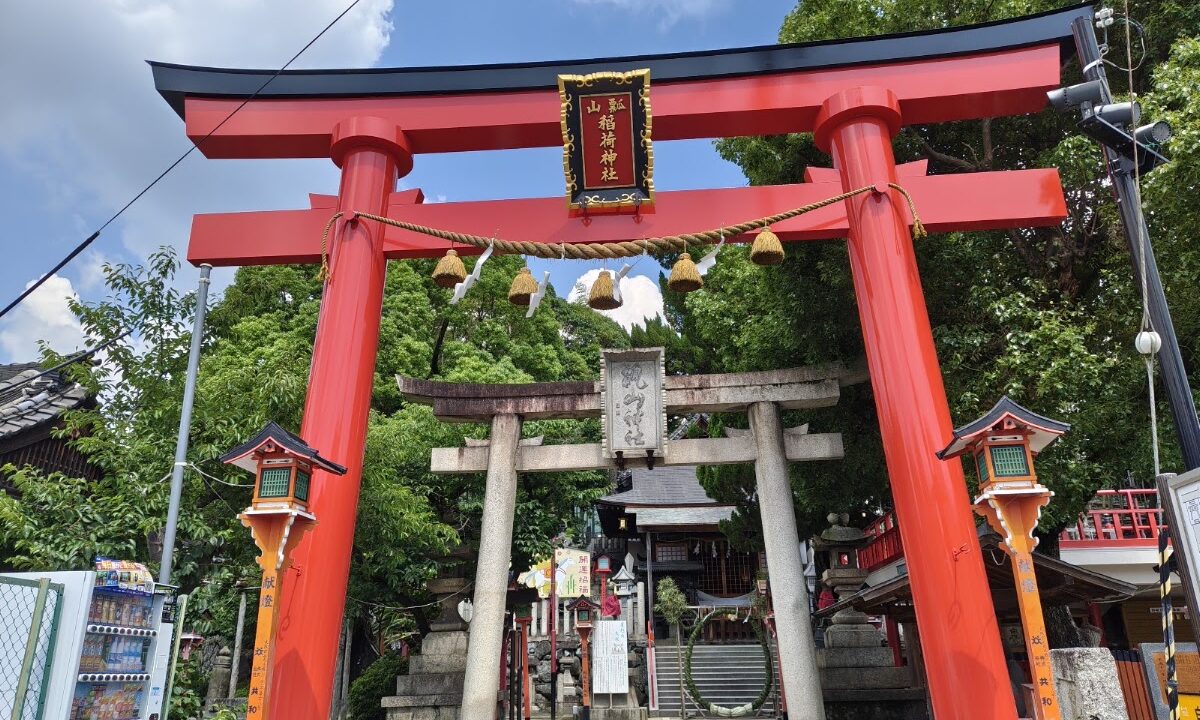
- Bow before passing through the torii gate.
- Purify your body and mind at the water basin.
- Walk along the edge of the path, as the center is the path for the gods.
- At the main hall, perform the “two bows, two claps, one bow” ritual.
- Be quiet within the shrine grounds and be considerate of other visitors.
About Goshuin (Shrine Seals)
Goshuin (shrine seals) are available at Hyotan-yama Inari Shrine. They will be carefully written for you if you visit during the shrine office’s business hours (8:00 AM to 4:30 PM). A Goshuin (temple/shrine stamp) is proof of your visit and a tangible record of your connection with the gods.
While it’s common to bring your own Goshuincho (stamp book), you may be able to purchase one at the shrine if you don’t have one. When receiving a Goshuin, it’s considered good manners to complete your prayers first before visiting the shrine office.
Nearby Tourist Attractions
Higashi-Koya Kaido Road
Hyotan-yama Inari Shrine is located along the Higashi-Koya Kaido Road. This road is a historic route that flourished as a pilgrimage route to Mount Koya, and the surrounding area retains old townscapes and historical sites. A stroll along the road allows you to feel the atmosphere of history.
Hyotan-yama Shopping Street
The shopping street on the way from Hyotan-yama Station to the shrine is a lively area that supports the lives of local people. Traditional independent shops and restaurants line the street, offering a warm, old-town atmosphere. It’s also recommended to stop by before or after your visit to enjoy local cuisine.
Ishikiri Tsurugiya Shrine
Located about a 10-minute drive from Hyotan-yama Inari Shrine, Ishikiri Tsurugiya Shrine is famous as the “god of boils and tumors.” The approach to the shrine is lined with many fortune-telling shops, creating a unique atmosphere.
Shiba Ryotaro Memorial Museum
Nearby is the memorial museum for Shiba Ryotaro, a writer from Higashi-Osaka City. Visitors can tour Shiba Ryotaro’s study and book collection, making it a must-see spot for literature fans.
Cuisine around Hyotan-yama Inari Shrine
Restaurants in the Shopping Street
Hyotan-yama Shopping Street boasts numerous restaurants beloved by locals. You can enjoy a variety of cuisines, from long-established Japanese confectionery shops and traditional set meal restaurants to popular ramen shops.
A Relaxation After Visiting the Shrine
After visiting the shrine, we recommend taking a break at one of the cafes or coffee shops in the shopping district. You can enjoy a relaxing time while soaking up the local atmosphere.
The Role of Hyotan-yama Inari Shrine in the Community
As the Local Guardian Deity
Hyotan-yama Inari Shrine has long been revered by local people as the guardian deity of the region. The sight of locals regularly visiting the shrine demonstrates its central role in the community.
Relationship with the Shopping District
Hyotan-yama Shopping District and the shrine have a close relationship. During the annual festival, the entire shopping district is enveloped in a festive atmosphere, and the community comes together to make the festival a success. The shrine’s presence contributes to the revitalization of the shopping district.
As a Cultural Asset of Higashi-Osaka City
Hyotan-yama Inari Shrine is positioned as an important cultural asset and tourist resource of Higashi-Osaka City. The unique landscape, where a burial mound and a shrine are integrated, is a valuable reminder of the region’s history.
Visitor Feedback
Visitors to Hyotan-yama Inari Shrine have shared the following comments:
- “It’s close to the station and easy to visit. The warm atmosphere, loved by the locals, is wonderful.”
- “A rare shrine built on top of a burial mound. A place where you can feel history.”
- “I regularly visit seeking blessings for business prosperity. Thanks to this, my business is going well.”
- “The fortune-telling at the shrine gave me the encouragement I needed when I was at a crossroads in my life.”
- “A quiet and peaceful atmosphere. A healing space where you can forget the hustle and bustle of the city.”
Points to Consider When Visiting Hyotan-yama Inari Shrine
Recommended Time to Visit
Hyotan-yama Inari Shrine can be visited throughout the year, but there is a particularly recommended time.
- Spring (March-May): The weather is mild, making it a pleasant season for visiting the shrine.
- Autumn (September-November): The weather is pleasant, making it ideal for strolling around.
- Annual Festival (July 17th & 18th): The shrine is at its busiest. Enjoy the festive atmosphere.
- New Year’s Visit (January 1st-3rd): Perfect for visiting to make wishes for the new year.
Estimated Time Required
- Visiting the shrine only: Approximately 20-30 minutes
- Receiving a Goshuin (shrine stamp): Approximately 30-40 minutes
- Including a stroll around the area: 1-2 hours
Clothing and Items to Bring
No special clothing is required, but please wear clean clothing appropriate for visiting a shrine. In summer, the sun is strong, so a hat or parasol is useful. If you plan to receive a Goshuin, don’t forget to bring your Goshuincho (stamp book).
Summary
Hyotan-yama Inari Shrine is a prestigious shrine with a history associated with Toyotomi Hideyoshi, and is one of Japan’s three most important Inari shrines. Yet, it maintains a warm and welcoming atmosphere, beloved by locals. It boasts many attractions, including its unusual location built on a 6th-century burial mound, its tradition as the head shrine of Tsujiura (fortune-telling), its blessings for business prosperity, matchmaking, and family safety, and its convenient access—just a 5-minute walk from Kintetsu Hyotan-yama Station.
When visiting Higashi-Osaka City, Osaka Prefecture, be sure to visit Hyotan-yama Inari Shrine. By quietly praying while feeling the history and tradition, you may gain new insights and strength. You can also enjoy strolling through the shopping streets and trying local cuisine, making for a fulfilling experience.
Frequently Asked Questions (FAQ)
Q1: What are the visiting hours for Hyotan-yama Inari Shrine?
A1: The shrine grounds are open for worship 24 hours a day. However, the shrine office is open from 8:00 to 16:30, and the issuance of Goshuin (shrine stamps) and amulets is limited to these hours.
Q2: Is there parking?
A2: Please contact the shrine directly regarding its dedicated parking lot. There are coin-operated parking lots nearby, but during busy periods such as New Year’s visits and annual festivals, we recommend walking from Kintetsu Hyotan-yama Station.
Q3: Can I get a Goshuin (shrine stamp)?
A3: Yes, you can get a Goshuin during the shrine office’s operating hours (8:00 to 16:30). It is considered good manners to visit the shrine office after completing your prayers.
Q4: How can I receive a Tsujiura (fortune telling)?
A4: Please inquire at the shrine office for detailed instructions on how to receive a Tsujiura. As the head shrine of Tsujiura, traditional fortune-telling methods are passed down here.
Q5: When is the annual festival held?
A5: The annual summer festival is held on July 17th and 18th. During this period, the shrine is bustling with many visitors, and stalls and vendors are set up.
Q6: Is it possible to bring pets to the shrine?
A6: Policies regarding bringing pets to the shrine may vary depending on the shrine. We recommend checking with the shrine in advance.
Q7: How is it accessible from the nearest station?
A7: It’s about a 5-minute walk (approximately 150 meters) south from Hyotan-yama Station on the Kintetsu Nara Line. The route through the shopping street from the station is easy to follow and recommended.
Q8: Do you accept wedding ceremonies and prayers?
A8: Please inquire at the shrine office regarding various prayers. Prayers for business prosperity, family safety, good relationships, and more are available.
Q9: Can I visit the Hyotan-yama Kofun (ancient burial mound)?
A9: Since the shrine is built on top of the Hyotan-yama Kofun (ancient burial mound), you can feel the atmosphere of the burial mound by visiting the shrine. There are no tours of the inside of the burial mound itself.
Q10: Are there any places to eat nearby?
A10: There are many restaurants in the Hyotan-yama shopping street. There are various types of restaurants, including Japanese, Western, and cafes, so you can enjoy a meal or a break before or after visiting the shrine.