Yao Tenmangu Shrine (Osaka Prefecture) Complete Guide | History, Goshuin (Shrine Seals), Access, and Benefits Explained in Detail
Yao Tenmangu Shrine, located in Honmachi, Yao City, Osaka Prefecture, is a historic shrine dedicated to Sugawara no Michizane, known as the god of learning. Affectionately known locally as “Yao no Tenjin-san,” it has a long history as the guardian shrine of Yao Terauchi-cho. This article thoroughly explains everything you need to know before visiting Yao Tenmangu Shrine, including its history, enshrined deities, benefits, highlights of the grounds, goshuin information, its relationship with the neighboring Yao Ebisu Shrine, and access methods.
History and Origins of Yao Tenmangu Shrine
Founding Circumstances and Two Theories
Regarding the founding date of Yao Tenmangu Shrine, according to official records, there are two theories. One theory places it during the Bun’ei era (1264-1275), and the other during the Keicho era (1596-1615). Because no definitive records remain, the exact founding date is unknown, but it is undoubtedly an ancient shrine with a history of several hundred years.
While records indicate that the development of the former Yao-cho district took place during the Keicho era, leading to the Keicho-era theory being considered the most likely, it has also been suggested that the shrine may have existed in some form even before that time.
As the Guardian Shrine of Yao Terauchi-cho
Yao Tenmangu Shrine has served as the guardian shrine of Yao Terauchi-cho, playing a central role in local faith. A Terauchi-cho is a self-governing town formed around temples of the Jodo Shinshu sect, and Yao saw the development of Terauchi-cho centered around temples such as Daishinji and Kenshoji.
Within this Terauchi-cho, Yao Tenmangu Shrine has fulfilled its role as a shrine, continuing to attract worshippers to this day as a spiritual pillar for local residents and a place of prayer for academic success and business prosperity.
Development Since the Modern Era
Yao Tenmangu Shrine has been maintained as an important local shrine since the Meiji era, and has reached its current form after the post-war reconstruction period. The shrine grounds have been maintained and the shrine buildings have been preserved and repaired, while traditional festivals and annual events have been passed down.
Deities and Benefits
Main Deities: Sugawara no Michizane and Ame no Hohi no Mikoto
The deities enshrined at Yao Tenmangu Shrine are Sugawara no Michizane and Ame no Hohi no Mikoto.
Sugawara no Michizane was a nobleman, scholar, and politician of the Heian period, known for his outstanding learning and literary talent. After his death, he was deified as Tenman Daijizai Tenjin and is worshipped as the god of learning at Tenmangu shrines throughout Japan. Along with Osaka Tenmangu Shrine in Kita Ward, Osaka, Kitano Tenmangu Shrine in Kyoto, and Dazaifu Tenmangu Shrine in Fukuoka Prefecture, Yao Tenmangu Shrine is one of the important shrines dedicated to Sugawara no Michizane.
Ame-no-hohi-no-mikoto is a deity considered to be a child of Amaterasu Omikami and is known as the ancestral deity of the Izumo no Kuni no Miyatsuko (provincial governor of Izumo Province). He is considered a symbol of sincerity and loyalty and is also associated with the ancestral deity of the Sugawara clan.
Main Benefits
The main benefits you can pray for at Yao Tenmangu Shrine are as follows:
- Academic Success/Prayers for Passing Exams: Because Sugawara no Michizane is worshipped as the god of learning, many students and people praying for academic improvement visit the shrine.
- Academic Achievement: Popular not only with students but also with working adults preparing for qualification exams or promotion exams.
- Protection from Evil and Good Fortune: General prayers for protection from evil and improved luck.
- Family Safety: Many visitors pray for the health and peace of their families.
- Prayers for Safe Childbirth: Prayers for safe childbirth are also accepted on the shrine grounds.
- Business Prosperity: Particularly due to its connection with the adjacent Yao Ebisu Shrine, it is also a popular destination for local shop owners praying for business prosperity.
Highlights of the Shrine Grounds
Layout of the Shrine and Grounds
The grounds of Yao Tenmangu Shrine cover approximately 1,142 tsubo (approximately 3,775 square meters) and feature authentic shrine architecture.
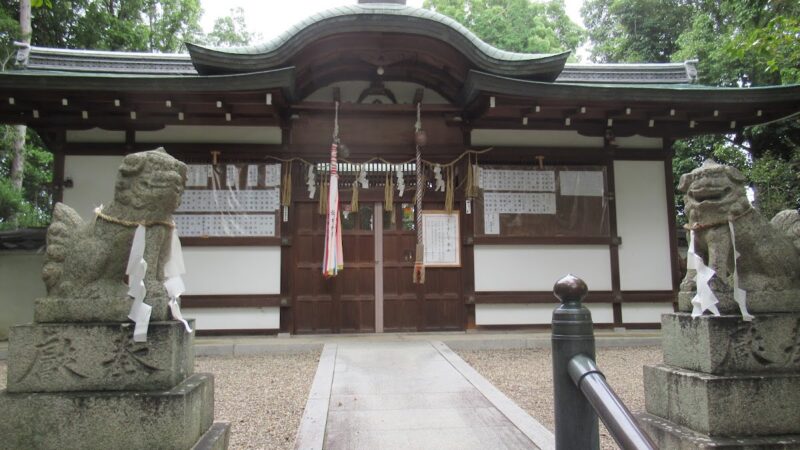
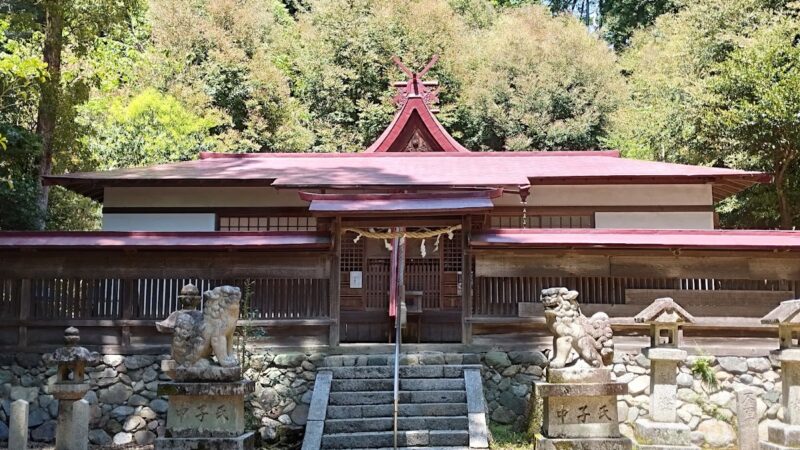
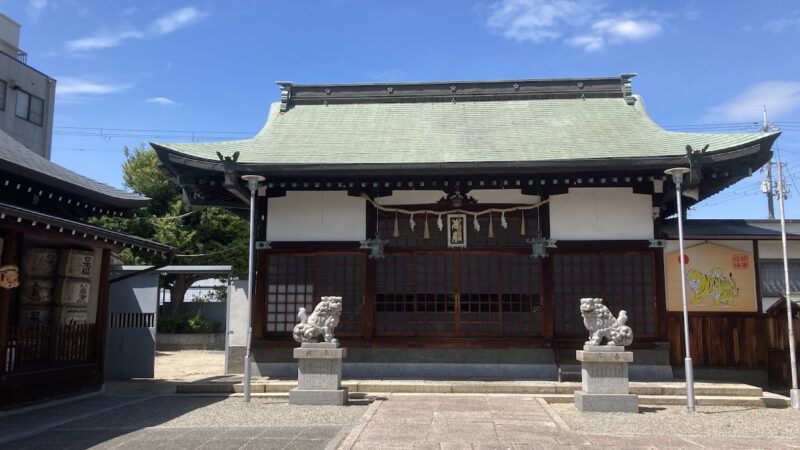
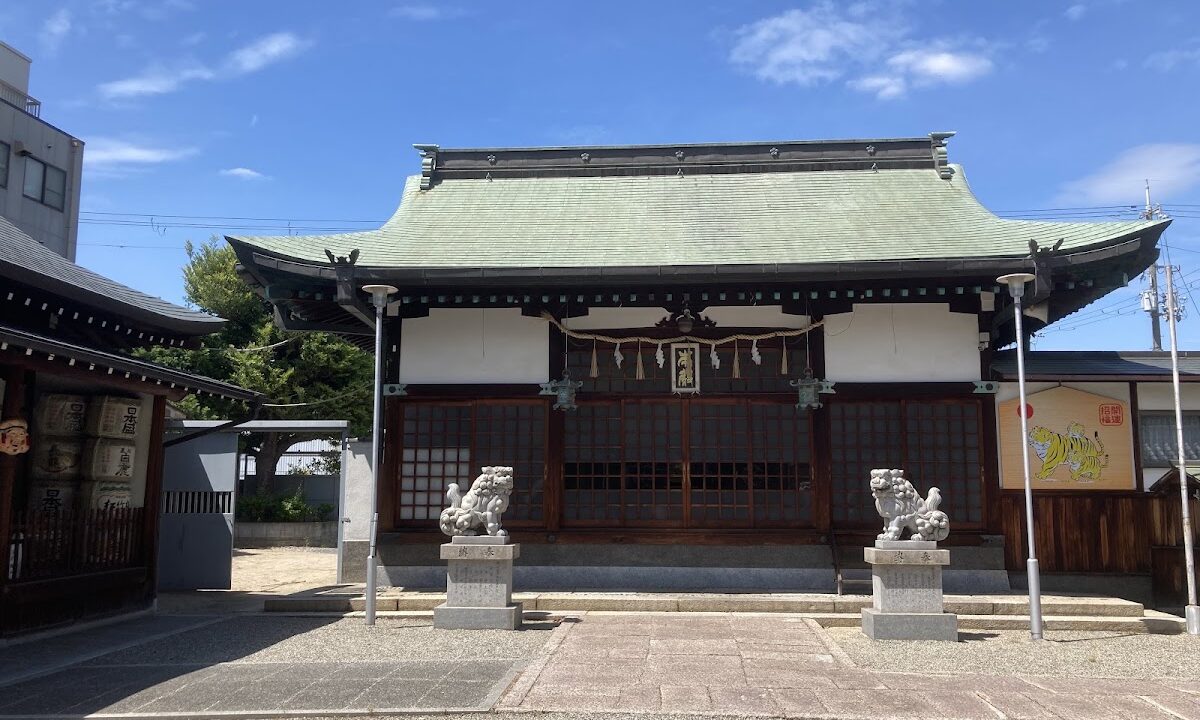
Main Hall, Offering Hall, and Worship Hall: These are the central buildings of the shrine. The main hall enshrines the deity. The offering hall connects the main hall and the worship hall, and the worship hall is where worshippers offer their prayers.
Middle Gate: This gate serves as the entrance to the shrine grounds and is an important structure marking the entrance to the sacred area.
Water Basin: This facility is for purifying the body and mind before worship. Be sure to purify your hands and mouth before praying.
Remote Worship Place: This is a place for worshipping the deity from afar, and is positioned considering the layout of the shrine grounds.
Torii Gate Facing the Shopping Street
One of the distinctive features of Yao Tenmangu Shrine is its torii gate facing Family Road, a shopping street that extends from Kintetsu Yao Station. The torii gate that suddenly appears while walking through the shopping street is a unique sight of urban shrines, symbolizing the boundary between everyday life and the sacred realm.
Its location, easily accessible to shoppers and passersby, speaks to its role as a shrine deeply rooted in the community.
Subsidiary Shrines: Inari Shrine, Kotohira Shrine, and Sansha Shrine
In addition to the main shrine, several subsidiary shrines are located within the grounds:
Inari Shrine: Dedicated to the god of business prosperity and abundant harvests
Kotohira Shrine: Dedicated to the god of maritime safety and traffic safety
Sansha Shrine: A shrine where multiple deities are enshrined together
These subsidiary shrines also attract local faith, and visitors can pray according to their respective wishes.
Relationship with Yao Ebisu Shrine
Two Shrines Located on the Same Grounds
A major characteristic of Yao Tenmangu Shrine is that Yao Ebisu Shrine is located next to it on the same grounds. The fact that both Tenmangu Shrine and Ebisu Shrine are located on the same grounds is a rare configuration even within Osaka Prefecture.
Yao Ebisu Shrine is dedicated to Ebisu-sama, the god of business prosperity, and is revered by local shop owners and businesspeople.
Yao Ebisu Festival (Toka Ebisu)
Every year on January 7th and 8th, the Yao Ebisu Festival is held with great fanfare. As part of the “Toka Ebisu” festival widely celebrated in the Kansai region, it attracts many worshippers during this time.
At the Yao Ebisu Festival, lucky charms such as “Fukuzasa” (lucky bamboo branches) and “Kumade” (bamboo rakes) are given out, and the shrine grounds are filled with stalls, creating a festive atmosphere. It is a beloved New Year’s tradition in Yao, enjoyed by many citizens.
The Advantage of Visiting Two Shrines at Once
A major attraction of Yao Tenmangu Shrine and Yao Ebisu Shrine is that you can visit both Sugawara no Michizane, the god of learning, and Ebisu, the god of business prosperity, in a single visit. You can pray for multiple wishes at the same time, such as passing exams and finding a job, or achieving academic success and business prosperity.
Goshuin (Shrine Seal) Information
Goshuin of Yao Tenmangu Shrine
Yao Tenmangu Shrine offers goshuin. Goshuin are popular among many visitors as proof of worship and as a tangible representation of their connection with the shrine.
The goshuin features the calligraphy of “Yao Tenmangu” and the shrine’s seal, creating a simple yet dignified design. Bring your goshuincho (seal book) and request one at the shrine office.
Goshuin Issuance Time and Location
Goshuin are issued at the shrine office. The hours for receiving the Goshuin (temple/shrine stamp) are the same as the shrine’s opening hours, but they may not be available during festivals or events. Therefore, if you want to be sure to receive one, it is recommended to call ahead to confirm.
Phone Number: 072-922-3558
The offering fee is approximately 300 to 500 yen, similar to most shrines. It’s best to prepare the exact amount to avoid needing change.
Goshuin of Yao Ebisu Shrine
The Goshuin of Yao Ebisu Shrine is also available at the same shrine office. Since you can receive both the Tenmangu and Ebisu shrine stamps, it’s a valuable opportunity for Goshuin collectors to obtain two stamps at once.
Annual Events and Festivals
Main Annual Events
Yao Tenmangu Shrine holds various festivals and events throughout the year:
January 1st-3rd: Hatsumode (First Shrine Visit of the Year)
The shrine is bustling with New Year’s worshippers, with people visiting to pray for success in exams and family safety.
January 7th-8th: Yao Ebisu Festival (Toka Ebisu)
As mentioned above, this is a major festival praying for business prosperity.
February: Setsubun Festival
Setsubun events such as bean-throwing are held.
Around February 25th: Baika Festival
A festival commemorating the death anniversary of Sugawara no Michizane. This is an important festival at Tenmangu Shrine.
Summer: Natsukoshi no Oharae (Summer Purification Ceremony)
A Shinto ritual to purify oneself of the impurities accumulated over the past six months and pray for good health and protection from illness for the remaining half of the year.
Exam Season: Prayer Ceremony for Success
A special prayer ceremony will be held for students taking exams.
Prayer Application
Yao Tenmangu Shrine accepts various types of prayers:
- Prayer for academic success and passing exams
- Prayer for safe childbirth
- First shrine visit for a newborn
- Shichi-Go-San (7-5-3) ceremony
- Prayer for protection against misfortune
- Family safety
- Business prosperity
If you wish to have a prayer ceremony, it is recommended to make a reservation by phone in advance. Prayer fees vary depending on the type of prayer, so please confirm when applying.
Access and Transportation Information
Basic Information
Address: 4-2-45 Honmachi, Yao City, Osaka Prefecture 581-0003
Phone Number: 072-922-3558
Official Website: http://www.yao-tenmangu.com/
Access by Train
From Kintetsu Yao Station on the Kintetsu Osaka Line
The nearest station is Kintetsu Yao Station on the Kintetsu Osaka Line.
- Approximately 8-10 minutes on foot from the west exit of Kintetsu Yao Station
- Distance: Approximately 650-700 meters
Directions:
- Exit the west exit of Kintetsu Yao Station
- Enter Family Road Shopping Street
- Proceed straight west along the shopping street
- You will see the torii gate of Yao Tenmangu Shrine along the shopping street
This is a convenient route where you can enjoy shopping and dining, as you will be walking through the shopping street and are unlikely to get lost. ### Access by Car and Parking
Access by Car
- Approximately 10 minutes from the Hanshin Expressway “Yao Exit”
- Approximately 15 minutes from the Nishimeihan Expressway “Fujiidera IC”
Parking Information
Yao Tenmangu Shrine has its own parking lot, but the number of spaces is limited, and it may be full during New Year’s visits and festivals. There are also coin-operated parking lots nearby, so please consider using those as well.
The shrine is conveniently located for public transportation, so we recommend visiting by train whenever possible.
Nearby Tourist Attractions
Nearby attractions to visit when you come to Yao Tenmangu Shrine:
Daishinji Temple/Kenshoji Temple: These are central temples in Yao’s temple town, and historical buildings remain.
Jiganji Temple: A historical temple in Yao City.
Yao City Historical and Folk Museum: A facility where you can learn about the history and culture of Yao.
Domyoji Tenmangu Shrine: A short trip will take you to Domyoji Tenmangu Shrine in Fujiidera City.
Furuichi Kofun Group: A group of ancient burial mounds, registered as a World Heritage Site, is also located nearby.
Manners and Precautions for Visiting a Shrine
Basic Worship Etiquette
- Bow before passing through the torii gate: This is a courtesy when entering the sacred area.
- Purify yourself at the water basin: Purify in the following order: left hand → right hand → mouth → handle of the ladle in your left hand.
- Walk along the edge of the path: The center is considered the path of the gods.
- Etiquette at the main hall: Two bows, two claps, one bow is the basic procedure.
- Place your offering
- Bow deeply twice
- Clap your hands twice
- Pray with sincerity
- Bow deeply once
Regarding Photography
Photography is generally permitted on the shrine grounds, but please note the following:
- Photography of the interior of the main hall or the sacred object is prohibited.
- Be considerate of the privacy of those receiving prayers and other worshippers.
- Refrain from using flash photography.
- Avoid using tripods during crowded times.
Regarding Attire
While casual attire is acceptable for visiting the shrine, please keep the following in mind if you are receiving a prayer:
- Wear clean and presentable clothing
- Avoid revealing clothing
- Shoes are preferable to sandals
- Remove your hat before passing through the torii gate
Reviews and Reputation
Visitor Feedback
The following are some comments from people who have visited Yao Tenmangu Shrine:
“An Atmosphere that evokes a sense of history”
Many visitors appreciate the calm atmosphere and sense of history within the shrine grounds. The tranquil atmosphere maintained despite its urban location is highly praised.
“Convenient Access from the Shopping Street”
Many visitors appreciate that the shrine is easily accessible from the station via the shopping street, making it convenient to stop by while shopping. It is a beloved shrine integrated into the local community.
“You can visit both Tenmangu and Ebisu shrines”
Many appreciate being able to visit two shrines in one visit, especially students and their families who appreciate being able to pray for both academic success and job hunting. “The lively atmosphere of the Toka Ebisu Festival is wonderful.”
Visitors to the Yao Ebisu Festival have commented on the vibrant atmosphere of the region and the charm of the traditional event.
Positioning in the Region
Yao Tenmangu Shrine is a beloved landmark for the residents of Yao, known as “Yao’s Tenjin-san.” During exam season, many students visit to pray for success, the shrine is bustling with New Year’s visitors, and during the Toka Ebisu festival, shopkeepers pray for business prosperity.
As a shrine that has walked hand in hand with the history of Terauchi-cho, it forms a part of Yao’s identity and continues to play a spiritual pillar of the local community.
Summary: The Value of Visiting Yao Tenmangu Shrine
Yao Tenmangu Shrine is a venerable shrine with a history spanning several hundred years, dedicated to Sugawara no Michizane, the god of learning. As the guardian shrine of Terauchi-cho in Yao City, Osaka Prefecture, it has attracted the faith of the local community.
The shrine grounds feature dignified buildings, including the main hall and worship hall, and together with the adjacent Yao Ebisu Shrine, it is a precious place where one can pray for both academic success and business prosperity. Its convenient location within walking distance of Kintetsu Yao Station and its accessibility through the shopping street are also appealing.
This shrine is worth visiting for a wide range of people, from students preparing for exams and working professionals taking qualification exams to business owners hoping for success, and those interested in the history and culture of Yao.
Goshuin (shrine stamps) are also available, making it a great choice for those on a shrine-hopping spree. Various festivals are held throughout the year, so be sure to visit, especially during the Yao Ebisu Festival in January and during exam season.
Yao Tenmangu Shrine, second only to Osaka Tenmangu Shrine in Kita Ward, is a prominent Tenmangu shrine in Osaka. Why not pray for your wishes at this community-rooted “Tenjin-san of Yao”?
Basic Information Summary
- Address: 4-2-45 Honmachi, Yao City, Osaka Prefecture
- Phone: 072-922-3558
- Access: Approximately 8-10 minutes on foot from Kintetsu Yao Station West Exit
- Main Blessings: Academic success, passing exams, business prosperity, family safety
- Features: Adjacent to Yao Ebisu Shrine, torii gate facing the shopping street
- Main Events: Yao Ebisu Festival (January 7th & 8th), Plum Blossom Festival (February)
May your visit to Yao Tenmangu Shrine be fruitful.