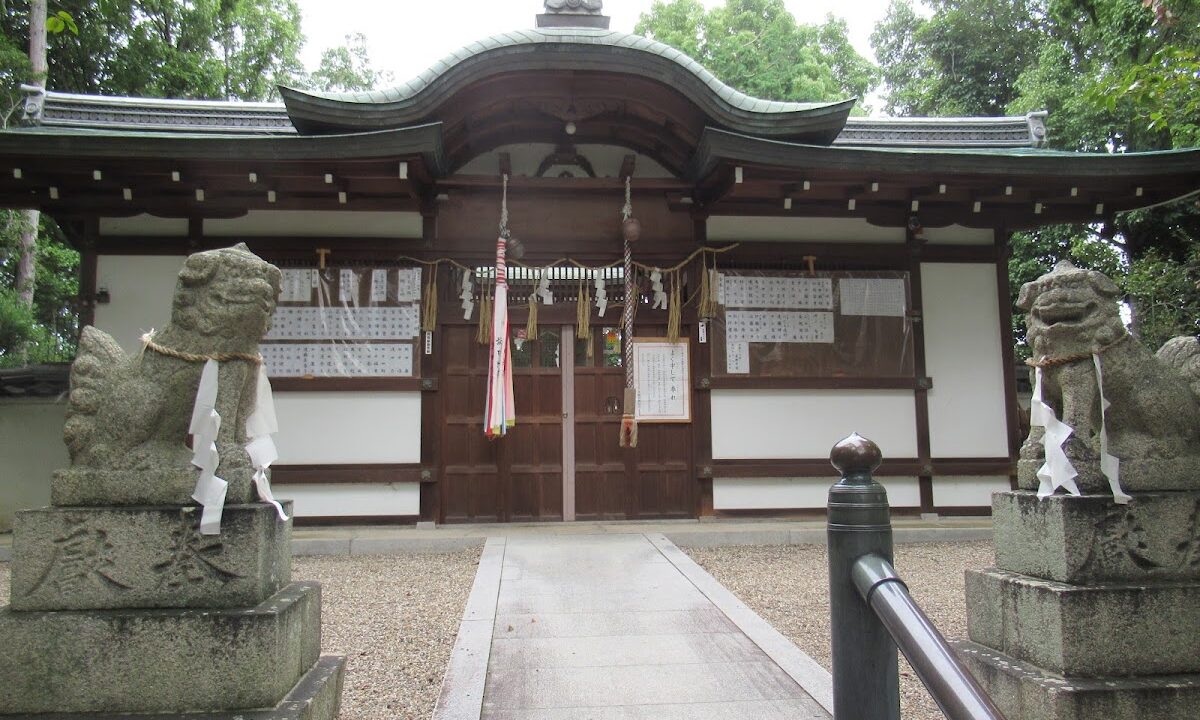
Nonoue Hachiman Shrine (Habikino City, Osaka Prefecture): An ancient shrine with a thousand-year history as the guardian shrine of Nonaka-dera Temple
Nonoue Hachiman Shrine, located in Nonoue, Habikino City, Osaka Prefecture, is a shrine with a long history as the guardian shrine of Nonaka-dera Temple, known as an ancient temple. Having quietly witnessed the changes in Japanese history, including its destruction by fire during the Nanboku-cho period, its reconstruction during the Edo period, and the Meiji-era separation of Shinto and Buddhism, it is an ancient shrine that attracts the faith of the local community.
Basic Information on Nonoue Hachiman Shrine
Location: 622 Nonoue, Habikino City, Osaka Prefecture
Main Deity: Hachiman Daibosatsu (Emperor Ojin)
Former Shrine Rank: Village Shrine
Annual Festival Date: October 8th (Autumn Festival)
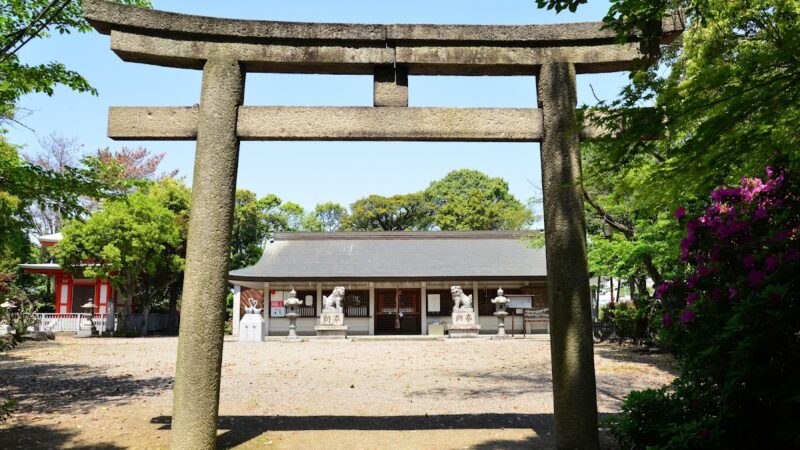
Nonoue Hachiman Shrine is located west of the adjacent Nonaka-dera Temple, and is a tranquil shrine nestled quietly in a residential area. Passing through the torii gate, a staircase leads to the main shrine. The grounds are lush with greenery, and especially in summer, the shade of the trees provides a cool and relaxing space.
History and Origins of Nonogami Hachiman Shrine
Origins of its Founding and the Early Heian Period
The exact founding date of Nonogami Hachiman Shrine is unknown, but it is believed to have been established in the early Heian period. The adjacent Nonaka-dera Temple is an ancient temple said to have been founded during the Asuka period, the time of Prince Shotoku, and flourished from the Nara period to the Heian period. Nonogami Hachiman Shrine served as the guardian shrine of Nonaka-dera Temple, playing a role in protecting the temple.
Hachiman worship, with Emperor Ojin as its principal deity, spread throughout Japan from the Nara period to the Heian period. In particular, syncretism with Buddhism progressed, and Hachiman became a symbolic figure of Shinto-Buddhist syncretism as “Hachiman Daibosatsu” (Great Bodhisattva Hachiman). Nonogami Hachiman Shrine, as the guardian shrine of the ancient Nonaka-dera temple, embodied this syncretic form of Shinto-Buddhist belief.
Destruction during the Nanboku-cho period
The most significant turning point in the history of Nonogami Hachiman Shrine was its destruction by fire during the Nanboku-cho period. During the Nanboku-cho period in the 14th century, this region became the stage for fierce battles. Nonogami Hachiman Shrine, along with Nonaka-dera temple, was destroyed by fire and remained in a state of ruin for a long time.
During this period, Kawachi Province was a battleground where the forces of the Southern and Northern Courts were evenly matched, and many temples and shrines were caught in the fighting. It is said that a battle known as the Battle of Nonaka took place in the Nonogami area, and the entire region became a battlefield.
Reconstruction in the Edo Period: Restoration during the Kanbun Era
Approximately 300 years after its destruction by fire, during the Kanbun era (1661-1673) of the Edo period, Nonaka-dera Temple was rebuilt by the monks Kakuei and Emo. At this time, the Nonogami Hachiman Shrine, the guardian shrine of Nonaka-dera Temple, was also rebuilt.
Through this Edo-period reconstruction, Nonogami Hachiman Shrine regained its function as the guardian shrine of Nonaka-dera Temple and was restored as a center of local faith. This reconstruction forms the foundation of the current Nonogami Hachiman Shrine.
Separation of Shinto and Buddhism in the Meiji Era and Ranking as a Village Shrine
With the arrival of the Meiji era, the Meiji government issued the Separation of Shinto and Buddhism Order, clearly separating shrines and temples throughout the country. Nonogami Hachiman Shrine, which had previously been integrated as the guardian shrine of Nonaka-dera Temple, was separated as an independent shrine under this policy.
During this period, Nonogami Hachiman Shrine was ranked as a village shrine, officially establishing its position as a local shrine. Following the separation of Shinto and Buddhism, while the Buddhist designation “Hachiman Daibosatsu” remained, the shrine established its own unique identity.
Even after the Meiji Restoration, Nonogami Hachiman Shrine continued to stand in its current location, attracting the faith of local residents to this day.
Deities and Faith
The main deity enshrined at Nonogami Hachiman Shrine is Hachiman Daibosatsu, also known as Emperor Ojin. Hachiman worship combines the characteristics of a god of war and victory with those of a god of agriculture and child-rearing, attracting a wide range of followers.
Founded as the guardian shrine of Nonaka-dera Temple, Nonogami Hachiman Shrine was revered as a protector of the temple and was also an object of faith deeply intertwined with the lives of local residents. Especially since its reconstruction in the Edo period, prayers for abundant harvests, family safety, and protection from evil have been offered.
Even today, the Autumn Festival is held annually on October 8th, bringing together local people and continuing the traditional festival.
Shrine Grounds and Highlights
Torii Gate and Approach
A torii gate stands at the entrance to Nonogami Hachiman Shrine, from which a stone staircase leads. Despite being located in a residential area, passing through the torii gate reveals a tranquil space, allowing you to feel the atmosphere of a sacred place, far removed from the hustle and bustle of everyday life.
The steps of the approach have a moderate number of steps, making them relatively easy to climb even for the elderly. Upon reaching the top of the stairs, the main shrine comes into view.
Main Shrine and Greenery
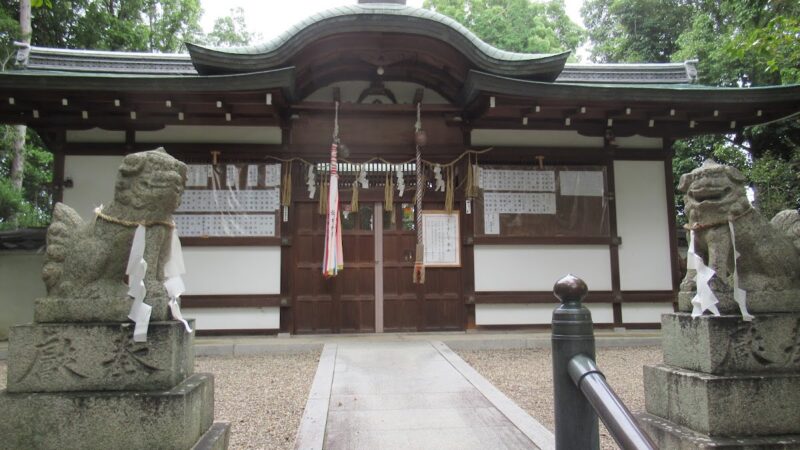
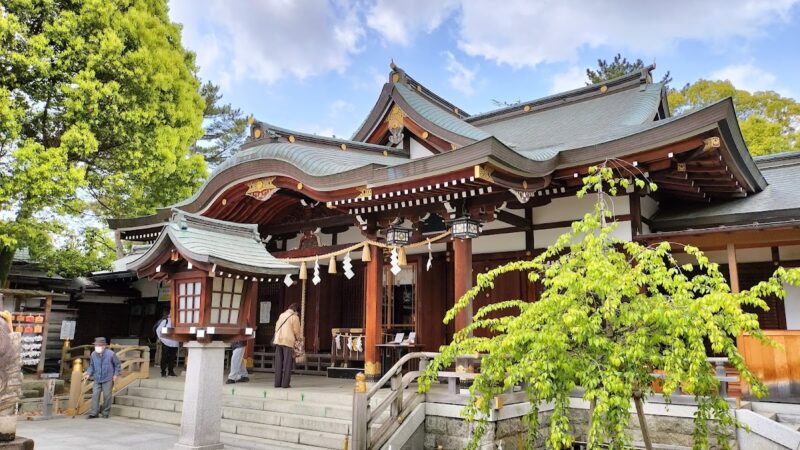
The main shrine retains the architectural style from its reconstruction in the Edo period, possessing a simple yet dignified presence. The shrine grounds are surrounded by lush greenery, and especially in summer, the shade of the trees provides a pleasant coolness.
The trees on the grounds include ancient trees that reflect a long history, displaying different expressions throughout the seasons. From the fresh green of spring, the deep green of summer, the vibrant autumn leaves, to the serene scenery of winter, each time you visit offers a different charm.
Location in relation to Nonaka-dera Temple
Nonogami Hachiman Shrine is located adjacent to Nonaka-dera Temple on its west side, and the two are about a one-minute walk apart. When visiting Nonaka-dera Temple, we highly recommend also visiting Nonogami Hachiman Shrine.
Nonaka-dera Temple is known as a temple founded by Prince Shotoku and houses valuable cultural assets, including a gilded bronze statue of Maitreya Bodhisattva (an Important Cultural Property) from the Asuka period. Visiting both the shrine and the temple will allow you to more deeply appreciate the history and faith of this region.
Access Methods
Access by Train
Nearest Station: Kintetsu Minami-Osaka Line “Fujiidera Station” or “Furuichi Station”
- From Fujiidera Station: Approximately 20 minutes on foot, or by bus
- From Furuichi Station: Approximately 25 minutes on foot, or by bus
Access by Bus
If using Kintetsu Bus, get off at the “Nonogami” bus stop or “Nonakaji” bus stop and walk for approximately 3-5 minutes.
Access by Car
- Hanshin Expressway: Approximately 10 minutes from the “Miyake Exit” on the Matsubara Line
- Nishi-Meihan Expressway: Approximately 15 minutes from the “Fujiidera IC”
Parking: There is no dedicated parking lot, but you may be able to use the Nonakaji Temple parking lot. However, since space for visitors is limited, we recommend using public transportation.
Nearby Spots
When visiting Nonogami Hachiman Shrine, you can have a more fulfilling sightseeing experience by also visiting the nearby historical spots.
Nonaka-ji Temple
Distance: 1 minute walk (adjacent)
This ancient temple, said to have been founded by Prince Shotoku, is officially called “Seiryuzan Nonaka-ji.” Known as an ancient temple founded during the Asuka period, it houses a gilded bronze statue of Maitreya Bodhisattva in a half-seated pose, a designated Important Cultural Property. This statue, dating from the Asuka period, is an extremely important work in the history of Japanese Buddhist art.
The temple grounds also contain many other cultural properties, making it a must-see spot for history buffs.
Konda Hachiman-gu Shrine
Distance: Approximately 5 minutes by car, approximately 15 minutes on foot
This ancient shrine, located south of Emperor Ojin’s tomb, is said to have been founded during the reign of Emperor Kinmei. This shrine is considered one of the oldest Hachiman shrines in Japan and holds a high status. It is known for its traditional Yabusame (mounted archery) ritual held during the autumn festival.
Emperor Ojin’s Mausoleum (Homuda Gobyoyama Kofun)
Distance: Approximately 5 minutes by car, approximately 20 minutes on foot
This massive keyhole-shaped burial mound, approximately 425 meters long, is the second largest in Japan. Managed by the Imperial Household Agency as Emperor Ojin’s mausoleum, visitors can stroll around its perimeter. It’s a historical spot where you can experience the magnificent scale of the Kofun period.
Domyoji Tenmangu Shrine
Distance: Approximately 10 minutes by car
This Tenmangu shrine, dedicated to Sugawara no Michizane, is known for its beautiful plum blossoms. During the plum blossom season from February to March, approximately 800 plum trees of about 80 varieties bloom on the grounds, attracting many visitors.
Habikino City Buried Cultural Properties and Kofun Learning Center
Distance: Approximately 10 minutes by car
This facility allows you to learn about the Kofun culture of Habikino City, exhibiting artifacts and reconstructed models from the Kofun period. It is worth visiting to gain a deeper understanding of the history of this region.
Points and Precautions for Visiting
Visiting Etiquette
Nonogami Hachiman Shrine is a small but dignified shrine. Please observe the following manners when visiting a shrine:
- Bow before the torii gate: Bow before entering the sacred area.
- Walk along the edge of the path: The center of the path is considered the path of the gods.
- Purify yourself at the water basin: If there is a water basin, purify your hands and mouth.
- Two bows, two claps, one bow: This is the basic way to pray in front of the main shrine.
Regarding Photography
Photography is generally permitted on the shrine grounds, but please refrain from taking photos inside the main shrine or during Shinto rituals, or obtain permission beforehand. Also, please be considerate of other worshippers.
Best Time to Visit
Nonogami Hachiman Shrine is open year-round, but the best times to visit are:
- Spring (March-May): Beautiful fresh greenery and mild weather
- Autumn (September-November): The annual festival on October 8th and the beautiful autumn foliage
- Summer (June-August): Lush greenery in the shrine grounds and a cool, refreshing atmosphere
Winter offers a peaceful and tranquil atmosphere for worship.
Cultural Value of Nonogami Hachiman Shrine
Nonogami Hachiman Shrine is not a large shrine, but it holds significant importance in the history of Japanese religion.
Historical Witness to Shinto-Buddhist Syncretism
Founded as the guardian shrine of Nonaka-dera Temple, Nonogami Hachiman Shrine, which was long worshipped as one entity, is a living witness to Japan’s unique syncretic culture of Shinto and Buddhism. Although formally separated by the Meiji-era Shinto-Buddhist Separation Order, its adjacent location still speaks to its former unity.
A Memory Device of Local History
The history of this shrine, marked by its destruction during the Nanboku-cho period and subsequent reconstruction during the Edo period, symbolizes the history of war and recovery experienced by this region. The shrine, still standing quietly on the site of the fierce Battle of Nonaka, seems to speak of the preciousness of peace.
Local Belief as a Village Shrine
Nonogami Hachiman Shrine, designated a village shrine during the Meiji period, has served as a spiritual pillar for the local community. Even today, it is maintained by local residents, and traditional events such as the autumn festival are passed down.
The Relationship Between Nonogami Hachiman Shrine and Nonaka-dera Temple
Understanding the relationship between Nonogami Hachiman Shrine and Nonaka-dera Temple is essential.
Role as a Guardian Shrine
From ancient to medieval times, it was common for temples in Japan to have guardian shrines. This was based on the syncretic belief that Shinto deities protected Buddhist temples. Nonogami Hachiman Shrine is a prime example of this, having played a role in protecting Nonaka-dera Temple. ### Simultaneous Destruction and Reconstruction
Both Nonaka-dera Temple and Nonogami Hachiman Shrine shared the same fate, being destroyed by fire during the Nanboku-cho period and rebuilt during the Edo period. This demonstrates their inseparable relationship.
Relationship in Modern Times
Even after the Meiji Restoration’s separation of Shinto and Buddhism, Nonogami Hachiman Shrine and Nonaka-dera Temple continue to exist side by side. Visiting both allows one to experience the multifaceted nature of Japanese religious culture and the historical transition from syncretism of Shinto and Buddhism to its separation.
Summary: An Ancient Shrine Quietly Telling History
Nonogami Hachiman Shrine, though unassuming, boasts a deep history spanning over a thousand years. Founded as the guardian shrine of Nonaka-dera Temple, it survived the wars of the Nanboku-cho period, was rebuilt during the Edo period, and has quietly witnessed the changes in Japanese history, from the Meiji Restoration’s separation of Shinto and Buddhism to the present day.
Nestled quietly within a residential area, this small shrine offers visitors tranquility and peace. Visiting both Nonogami Hachiman Shrine and the adjacent Nonaka-dera Temple will allow you to gain a deeper understanding of the rich history and culture of this region.
When you visit Habikino City, be sure to stop by Nonogami Hachiman Shrine and reflect on its long history amidst its tranquil atmosphere. Surrounded by the greenery of the shrine grounds, you’ll feel the presence of a place of worship that has continued since ancient times.