Complete Guide to Chihaya Shrine (Osaka Prefecture) | A Shrine Associated with Kusunoki Masashige, Located on the Site of Chihaya Castle’s Main Enclosure
About Chihaya Shrine
Chihaya Shrine is a Shinto shrine located in Chihaya, Chihayaakasaka Village, Minamikawachi District, Osaka Prefecture. It is commonly known as “Nansha” or “Nankō-san” and is beloved by local residents. Formerly a prefectural shrine, it is currently affiliated with the Osaka Prefectural Shrine Association.
Its most distinctive feature is its location on the site of the main enclosure of Chihaya Castle, built by Kusunoki Masashige, a renowned general of the Nanboku-chō period. As a shrine where historical value and natural beauty are fused, it attracts attention from history enthusiasts and hikers alike.
Basic Information about Chihaya Shrine
- Location: 1228 Chihaya-Shiroyama, Chihaya-Akasaka-mura, Minamikawachi-gun, Osaka 585-0051
- Phone Number: 0721-74-0234 (or 0721-72-0081)
- Former Shrine Rank: Prefectural Shrine
- Annual Festival: October 17th, May 25th
- Goshuin (Shrine Seal): Available (Both the shrine’s goshuin and the Chihaya Castle’s goshuin can be obtained)
History of Chihaya Shrine
Circumstances of Founding
The founding of Chihaya Shrine dates back to 1332 (Genkō 2nd year / Shōkei 1st year) during the early Nanboku-chō period. In that year, Kusunoki Masashige, under orders from Emperor Go-Daigo, built Chihaya Castle as a base for his campaign against the Kamakura Shogunate. At that time, the enshrinement of Hachiman Daibosatsu as the guardian deity in the castle’s main keep is considered the origin of Chihaya Shrine.
Hachiman Daibosatsu is known as a god of war and was widely worshipped as the guardian deity of samurai families. The fact that Kusunoki Masashige enshrined him to pray for the protection of the castle and victory in battle is an important example illustrating the nature of faith in samurai society at that time.
Kusunoki Masashige and Chihaya Castle
Kusunoki Masashige was a samurai who was active from the late Kamakura period to the Nanboku-cho period and is known as a loyal retainer of Emperor Go-Daigo. Chihaya Castle is one of the mountain castles built by Masashige, and a legend remains that in 1333 (Genkō 3rd year / Shōkei 2nd year), he withstood a siege against a large army of the shogunate forces for several months with only a small force.
The Battle of Chihaya Castle is etched in Japanese history as a prime example of Kusunoki Masashige’s strategic brilliance and tactical skill.
Enshrinement of Kusunoki Masashige and Masatsura
Initially, Chihaya Shrine was the castle’s guardian shrine, enshrining only Hachiman Daibosatsu. Later, Kusunoki Masashige and his eldest son, Kusunoki Masatsura, were enshrined together. Masatsura, following in his father’s footsteps, fought on the side of the Southern Court and is known as a loyal retainer who died in the Battle of Shijōnawate in 1348 (Shōhei 3rd year/Jōwa 4th year).
This enshrinement transformed Chihaya Shrine from a mere castle guardian shrine into a shrine honoring the loyalty of the Kusunoki family. This is how the common name “Kusunoki Shrine” came about.
Reconstruction and Establishment of the Shrine Name in the Meiji Era
After the Edo period, Chihaya Shrine underwent a major transformation in the Meiji era. The shrine building was rebuilt in 1874 (Meiji 7), and in 1879 (Meiji 12), an additional shrine was erected, officially establishing the name “Chihaya Shrine.”
This period was a time when the Meiji government was working to improve the shrine system, and Chihaya Shrine also took on the appearance of a modern shrine. Under the old shrine ranking system, it was ranked as a prefectural shrine, and came to be positioned as an important shrine within Osaka Prefecture.
Deities Enshrined
The following deities are enshrined at Chihaya Shrine:
Main Deities
- Hachiman Daibosatsu: A war god whose principal deity is Emperor Ojin. This is the oldest enshrined deity, having been worshipped since the founding of Chihaya Castle.
- Kusunoki Masashige: A samurai from the late Kamakura period to the Nanboku-cho period. Known as a loyal retainer who served Emperor Go-Daigo, he is also called “Dainanko” (Great Kusunoki).
- Kusunoki Masatsura: The eldest son of Kusunoki Masashige. He fought on the Southern Court’s side, carrying on his father’s will, and is known as “Shonanko” (Little Kusunoki).
- Hisako Toji: The wife of Kusunoki Masashige. She is enshrined here as the woman who supported her husband and son.
These enshrined deities symbolize traditional Japanese values such as loyalty, courage, and family bonds, and continue to attract the reverence of many worshippers today.
Highlights of the Shrine Grounds
Chihaya Castle Main Enclosure Site
The grounds of Chihaya Shrine itself are located on the site of the main enclosure of Chihaya Castle. Traces of earthworks and baileys can still be seen today, making it a valuable historical site for castle enthusiasts. Chihaya Castle is designated as number 55 of “Japan’s Top 100 Castles,” and it’s noteworthy that the shrine offers castle stamps.
From the site of the main keep, you can overlook the surrounding mountains, giving you a real sense of why Kusunoki Masashige chose this location as a fortress.
Worship Hall and Corridor
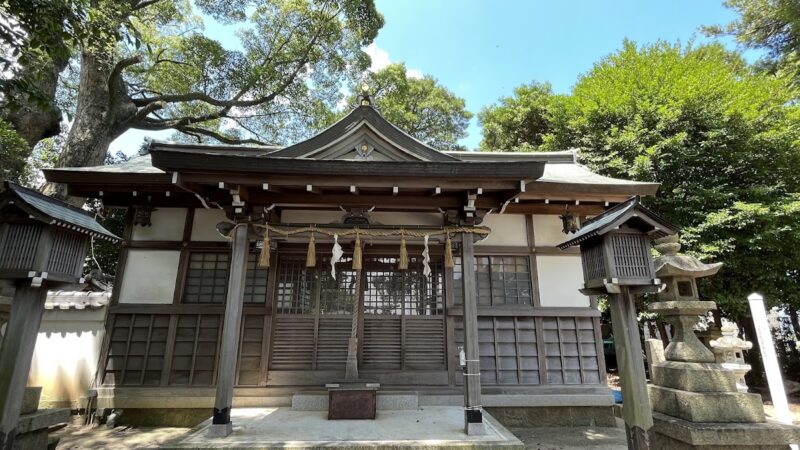
The worship hall and corridor of Chihaya Shrine are designated as a National Registered Tangible Cultural Property. Although rebuilt during the Meiji era, they are valuable cultural assets that preserve the traditional style of shrine architecture.
The worship hall has a hipped roof and possesses a calm atmosphere that evokes the warmth of wood. The corridor connects the worship hall and the main sanctuary, embodying the functional beauty of shrine architecture.
Shrine Building Layout
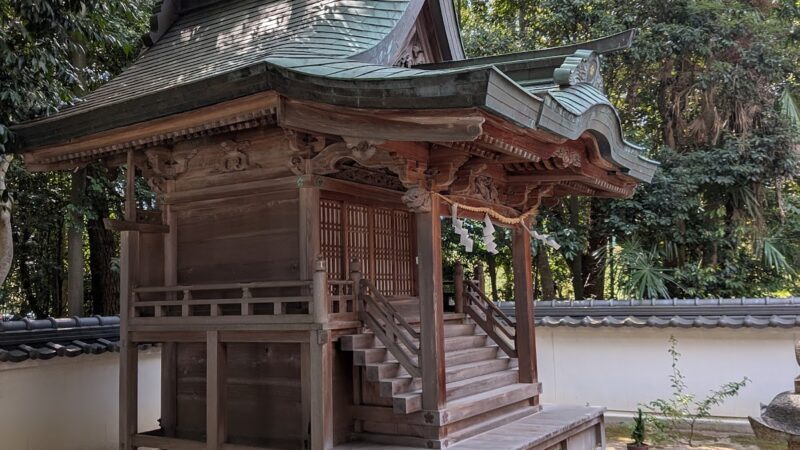
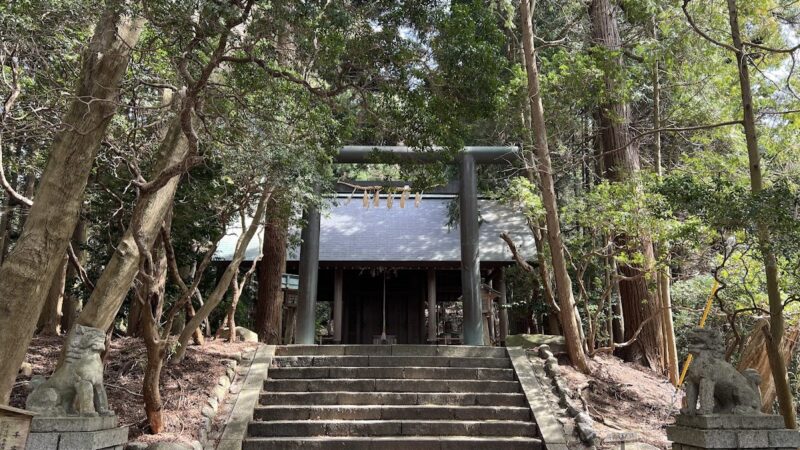
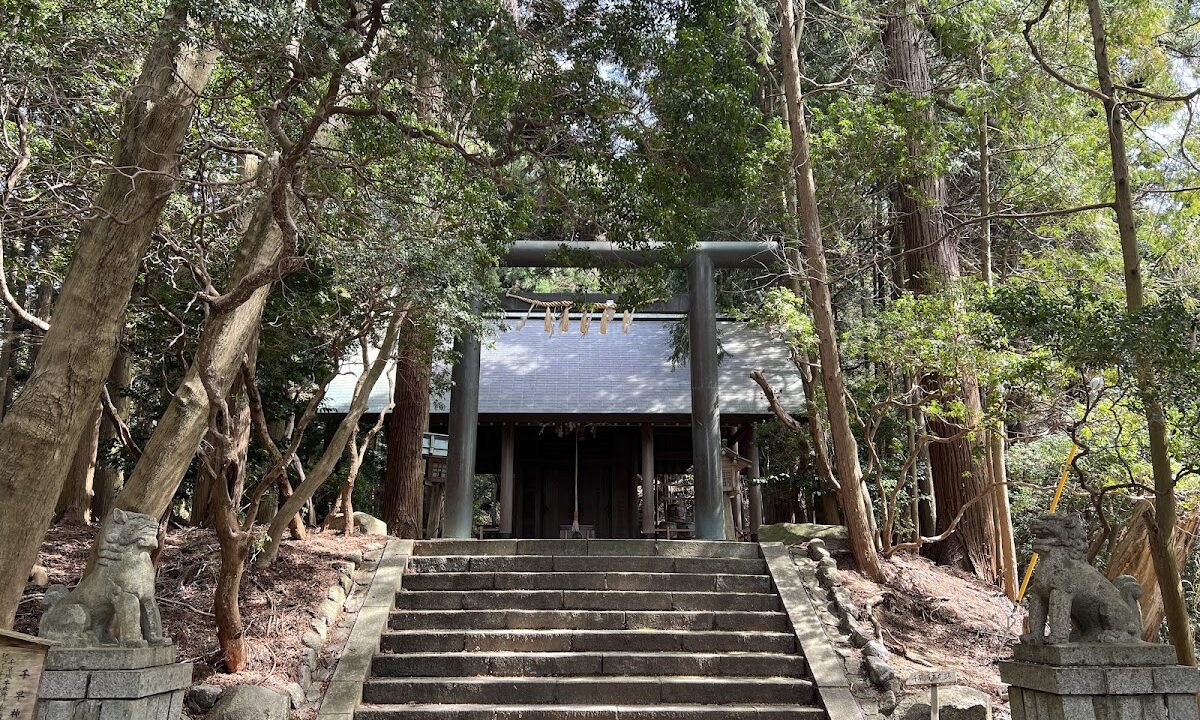
The shrine buildings of Chihaya Shrine are laid out to take advantage of the mountainous terrain. While it follows a typical shrine structure—climbing the approach to the worship hall, with the main sanctuary beyond—its location as the main keep of a mountain castle gives it a unique atmosphere unlike other shrines.
The shrine grounds feature stone monuments and explanatory plaques related to Kusunoki Masashige, creating an environment where visitors can learn about history while paying their respects.
Access Methods
Access by Public Transportation
Access to Chihaya Shrine requires a combination of public transportation and walking.
Nearest Stations: Kintetsu Nagano Line “Tondabayashi Station” or Nankai Koya Line “Kawachinagano Station”
Bus:
- Take the Kongo Bus from Tondabayashi Station and get off at the “Kongo Tozanguchi” bus stop (approximately 30 minutes).
- The Kongo Bus is also available from Kawachinagano Station.
Walking:
Approximately 15-30 minutes on foot from the Kongo Tozanguchi bus stop to Chihaya Shrine. Since the route involves climbing a mountain trail, comfortable walking shoes are recommended. Due to the elevation difference, it’s important to allow ample time depending on your physical condition.
Access by Private Car
If you are traveling by private car, there is parking available near the Kongo trailhead, but expect congestion on weekends and during the autumn foliage season. Access to the shrine from the parking lot is on foot.
During winter, snow and icy roads are possible, so winter tires or carrying snow chains are recommended.
Points to Note When Accessing
- Since you will be walking on a mountain trail, comfortable walking shoes such as sneakers or trekking shoes are essential.
- Don’t forget insect repellent in summer and warm clothing in winter.
- It is recommended to prepare drinking water in advance.
- Be aware that cell phone reception may be unstable in some areas.
Kongo Mountain Climbing and Chihaya Shrine
As a Starting Point of the Climbing Route
Chihaya Shrine is located along the climbing route to Kongo Mountain (elevation 1,125m). Many climbers stop by Chihaya Shrine when climbing Kongo Mountain to pray for a safe climb.
Main Hiking Routes:
- Chihaya Main Route: The most common route from the Kongo trailhead, via Chihaya Shrine, to the summit of Mt. Kongo.
- Nenbutsuzaka Route: A slightly steeper but shortest route to the summit.
- Seto Valley Route: A scenic route along the valley.
Reasons for Popularity Among Hikers
Chihaya Shrine is attractive to hikers for the following reasons:
- Rest Point: Located at a reasonable distance from the Kongo trailhead, making it ideal for a rest.
- Historical Learning: Enjoy hiking and historical exploration at the same time.
- Goshuin Stamp Collection: Receive a Goshuin stamp as a memento of your hike.
- Scenery: The view from the main castle ruins is magnificent.
Hiking Season and Clothing
Mt. Kongo can be hiked throughout the year, but appropriate preparation is necessary depending on the season:
Spring (March-May): Beautiful fresh greenery and mild weather. Light clothing is sufficient for hiking, but it can get chilly in the mornings and evenings. Summer (June-August): Heat protection and hydration are crucial. Insect repellent is also essential.
Autumn (September-November): The most popular season, with stunning autumn foliage. Expect crowds.
Winter (December-February): Snow and ice may be present, requiring equipment such as crampons. Prepare winter mountain gear.
Goshuin and Gojoin (Castle Seals)
Goshuin of Chihaya Shrine
Chihaya Shrine offers standard shrine goshuin. It’s a simple yet dignified goshuin, inscribed with “Chihaya Shrine” in ink and stamped with the shrine’s seal. As a shrine associated with Kusunoki Masashige, it’s a historically valuable goshuin popular among goshuin collectors.
Gojoin of Chihaya Castle
Chihaya Shrine also offers a gojoin for Chihaya Castle, one of Japan’s 100 Famous Castles. This initiative, which takes advantage of the rare location where a shrine and castle ruins are situated in the same place, will be a valuable memento for castle enthusiasts.
The castle stamp features illustrations of Chihaya Castle and designs related to Kusunoki Masashige, making it a highly collectible item.
Issuance Hours and Precautions
Goshuin (shrine stamps) and castle stamps are only available during the shrine office’s opening hours. While they are generally available during the climbing season and weekends, they may be absent on weekdays, early mornings, and evenings, so it is recommended to call ahead to confirm.
Whether you bring your own goshuincho (stamp book) or receive a pre-printed goshuin depends on the situation on the day.
Annual Festivals and Events
Spring Festival (May 25th)
The Spring Festival, held on May 25th, is one of Chihaya Shrine’s important annual events. Held during the beautiful season of fresh greenery, it commemorates the loyalty of Kusunoki Masashige and his son Masayuki, and prays for peace and prosperity in the region.
Autumn Festival (October 17th)
The Autumn Festival on October 17th is the most important festival of the year. It is a time to give thanks for the harvest, pray for a bountiful harvest in the coming year, and honor the achievements of the Kusunoki family. Because it coincides with the autumn foliage season, it attracts many worshippers.
Other Events
In addition to the annual festival, monthly festivals and New Year’s festivals are held according to the shrine’s calendar. The shrine has strong ties to the local community, and many local people visit.
Nearby Attractions
Historical Sites of Chihayaakasaka Village
Chihayaakasaka Village, where Chihaya Shrine is located, is the only village in Osaka Prefecture and is known as the birthplace of Kusunoki Masashige.
Birthplace of Kusunoki Masashige: There is a place in the village believed to be Masashige’s birthplace, and a stone monument has been erected there.
Shimoakasaka Castle Ruins: Another castle ruin built by Kusunoki Masashige, and an important historical site along with Chihaya Castle.
Takemikumari Shrine: An ancient shrine with a national treasure main hall, and one of the representative shrines of Chihayaakasaka Village.
Nature around Mt. Kongo
The Mt. Kongo area is designated as the Kongo-Ikoma-Kisen Quasi-National Park, and a rich natural environment is preserved.
Mt. Kongo Summit: At the summit, 1,125m above sea level, stands Katsuragi Shrine, offering panoramic views of the Osaka Plain.
Chihaya Park: A campsite near the summit, complete with accommodation facilities.
Katora Valley: A valley beautiful in fresh greenery and autumn foliage, popular as a hiking course.
Nearby Shrines
Nearby shrines are scattered throughout Chihayaakasaka Village and the surrounding area.
Kinpu Shrine: A shrine known as a sacred site of Shugendo (mountain asceticism).
Yasaka Shrine: A shrine worshipped as the local guardian deity.
Sakamoto Shrine: A shrine located in a different district within the village.
Visiting these shrines is one way to enjoy sightseeing in Chihayaakasaka Village.
Manners and Precautions for Worship
Basic Worship Etiquette
When visiting Chihaya Shrine, follow the general manners for visiting shrines.
- Bow before passing through the torii gate: This is a courtesy when entering the sacred area.
- Purify yourself at the water basin: Cleanse your hands and mouth before praying.
- Two bows, two claps, one bow: This is the basic etiquette in front of the main hall.
- Maintain silence: Be mindful that this is a sacred place.
Precautions for Hikers
Since Chihaya Shrine is located along a hiking trail, specific manners for hikers are also required.
- Place large luggage out of the way: When resting on the shrine grounds, please be considerate of other visitors.
- Take your trash home: For nature conservation and environmental beautification, please be sure to take your trash home.
- No open flames: The use of fire is strictly prohibited on the shrine grounds and surrounding areas.
- No collecting plants or animals: For nature conservation, please refrain from collecting plants or animals.
Considerations for Photography
Photography is generally permitted, but please note the following:
- Do not take photos in areas where photography is prohibited, such as inside the main hall.
- Be considerate of other visitors when taking photos.
- Use a tripod only if it does not obstruct other visitors.
- Commercial photography requires prior permission.
The Charm of Chihaya Shrine
A Location Where You Can Feel the Romance of History
The greatest charm of Chihaya Shrine is that you can stand on the stage of history from approximately 700 years ago. Its location on the site of the main keep of Chihaya Castle, built by Kusunoki Masashige, holds special significance for those interested in Japanese history.
Standing at the shrine and gazing at the surrounding mountains, one can imagine the tension of the time when Kusunoki Masashige confronted the shogunate forces in this very place. The moment when events read about in history books connect with the actual terrain will be an invaluable experience for history enthusiasts.
Harmony of Nature and History
Chihaya Shrine stands amidst a rich natural environment. You can enjoy the beauty of each season: the fresh green of spring, the deep green of summer, the vibrant autumn leaves, and the snowy landscape of winter.
The environment of a historical shrine nestled in nature is ideal for escaping the hustle and bustle of the city and finding peace of mind. Stopping by during a hike provides not only physical rest but also mental refreshment.
Multiple Ways to Enjoy
Chihaya Shrine offers a variety of ways to enjoy yourself, beyond simply visiting a shrine.
- Historical Exploration: Learn about the history of Kusunoki Masashige and Chihaya Castle
- Hiking: A stopover point for climbing Mt. Kongo
- Goshuin Stamp Collecting: Receive stamps from both the shrine and the castle
- Nature Observation: Enjoy the changing seasons and the natural beauty of the mountains
- Photography: Photograph historical buildings and natural landscapes
These elements combine to create a place where you can discover something new every time you visit.
About Chihayaakasaka Village
The Only Village in Osaka Prefecture
Chihayaakasaka Village, where Chihaya Shrine is located, is the only “village” in Osaka Prefecture. Although a small municipality with a population of approximately 5,000, it is a historically important area as the birthplace of Kusunoki Masashige.
Most of the village’s area is covered by forests, preserving abundant nature despite being within Osaka Prefecture. Surrounded by mountains including Mt. Kongo, you can enjoy beautiful scenery throughout the seasons.
Connection to Kusunoki Masashige
Chihayaakasaka Village has a deep connection to Kusunoki Masashige. Within the village is a place believed to be Masashige’s birthplace, and the ruins of two castles he built, Chihaya Castle and Shimoakasaka Castle, remain.
The village actively promotes activities honoring Kusunoki Masashige, and the “Kusunoki Festival” is held every May. Kusunoki Masashige holds an important position as a regional identity, and the camphor tree is used as the village’s symbol.
Access and Tourism
Located about an hour’s drive from Osaka city center and relatively easy to access by public transport, it maintains a quiet environment far removed from the hustle and bustle of the city.
It is a popular day-trip destination, attracting many tourists, especially during the hiking season and the autumn foliage season. The village also has restaurants and souvenir shops where you can enjoy dishes made with local ingredients.
Summary
Chihaya Shrine, located in Chihayaakasaka Village, Osaka Prefecture, is a fascinating shrine where history and nature blend seamlessly. It boasts many attractions, including its location on the site of the main keep of Chihaya Castle, built by Kusunoki Masashige; its history of enshrining Hachiman Daibosatsu and the Kusunoki family; and its shrine buildings, designated as a National Registered Tangible Cultural Property.
Located along the route to Mount Kongo, it’s also an important spot for hikers, and the fact that visitors can receive both the shrine’s goshuin (seal) and Chihaya Castle’s goshuin (castle seal) is another reason for its popularity.
Access requires a combination of public transport and walking, and appropriate hiking gear is recommended. However, this allows visitors to fully enjoy the charm of nature and history that cannot be experienced in urban areas.
Chihaya Shrine displays different expressions throughout the seasons: the fresh green of spring, the deep green of summer, the autumn foliage, and the snowy landscape of winter. As a rare spot in Osaka Prefecture where history and nature can be experienced simultaneously, it’s a place well worth visiting.
Chihaya Shrine offers something for everyone – history buffs, hikers, stamp collectors, and nature lovers alike – each finding their own way to enjoy it. Be sure to visit and experience this sacred space where 700 years of history breathes life into.