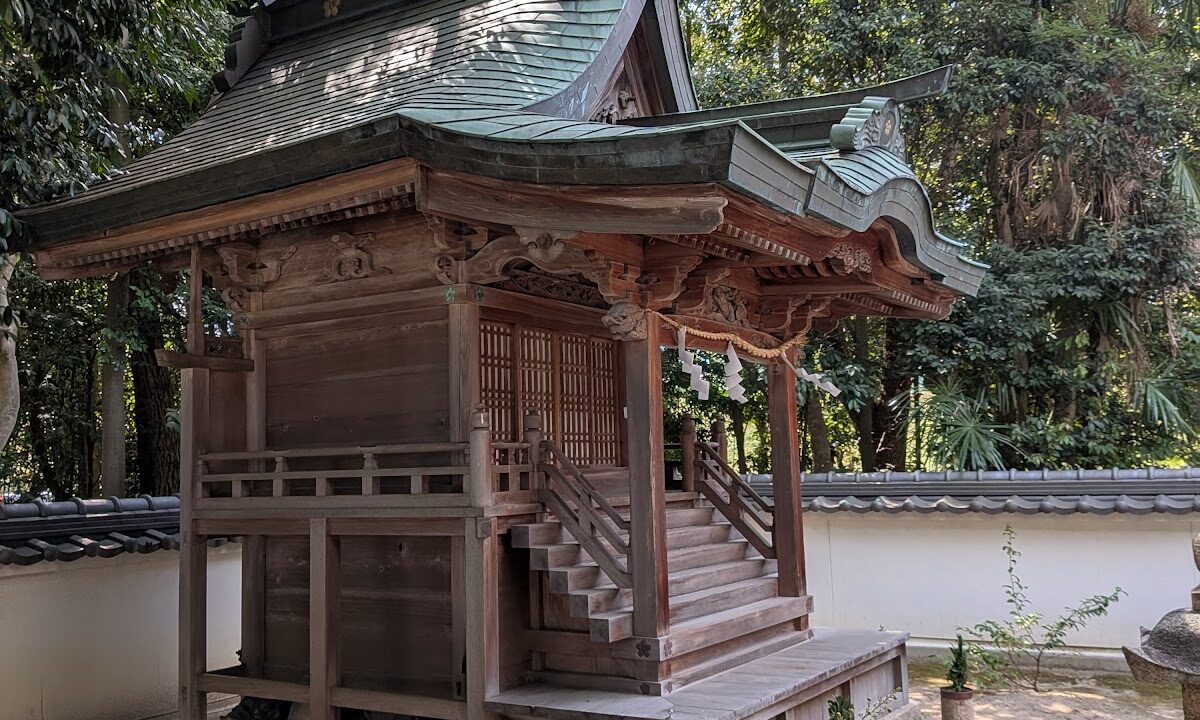
Awaji Shrine (Osaka Prefecture) Complete Guide | Historic Shrines and Local Beliefs in Higashiyodogawa Ward
The Awaji district in Higashiyodogawa Ward, Osaka City, Osaka Prefecture, has long been a center of faith, home to numerous shrines and temples. This article provides a detailed explanation of the shrines located in and around the Awaji district, from their historical background to their current state.
Overview of Shrines in the Awaji District
The Awaji district in Higashiyodogawa Ward, Osaka City, is centered around Awaji Station on the Hankyu Kyoto Line and Senri Line, and has flourished since ancient times due to water transport on the Kanzaki River and Yodo River. This area is home to several shrines that attract the faith of local residents, each with its own unique history and tradition.
Geographical Characteristics of the Awaji District
The name Awaji is said to originate from the fact that this area was once a sandbar in the Yodo River. Because it was a region surrounded by water, there was a deep faith in gods who protected against natural disasters such as floods and lightning strikes, and this forms the foundation of the shrine faith that continues to this day.
Atago Shrine (Awaji Area)
History and Origin
Atago Shrine is a relatively new shrine, established in 1919 (Taisho 8) by receiving a divided spirit from Atago Shrine in Kyoto. The background to its establishment was the frequent lightning strikes occurring in the area at the time. Local residents, revering the divine power of Atago Shrine, known as the god of fire prevention, invited a divided spirit from Kyoto’s Atago Shrine.
Deity and Divine Virtues
The main deity of Atago Shrine is Homusubi-no-kami, widely worshipped as the god of fire prevention and protection. Atago Shrine in Higashiyodogawa Ward, Osaka City, also inherits this tradition and is revered as the guardian deity of fire prevention and disaster preparedness in the region.
Stone Monument at the Site of the Tenmangu Shrine
Within the grounds of Atago Shrine, there remains a stone monument marking the site of the former Awaji Tenmangu Shrine. Awaji Tenmangu Shrine was built based on the legend that Sugawara no Michizane landed here on his way to exile in Dazaifu. However, in 1910 (Meiji 43), it was merged with Nakajima Sōsha Shrine, and now only the stone monument remains to commemorate its history.
Access and Location
Atago Shrine is located in the Awaji area, within walking distance of Hankyu Awaji Station. It is a quietly situated shrine in a residential area, cherished as the local guardian deity.
Nakajima Sōsha Shrine
History and Origins
Nakajima Sōsha Shrine is a shrine formed by the merger of several shrines within Higashiyodogawa Ward. Due to the Meiji-era shrine merger policy, Awaji Tenmangu Shrine and other small local shrines were merged into Nakajima Sōsha Shrine. The name “Sōsha” (斣社) reflects its character as a shrine that integrates multiple shrines.
Deities Enshrined
Nakajima Sōsha enshrines the deities of several shrines that were merged, and functions as the guardian shrine of the region. The beliefs held by each shrine before the merger are still carried on at Nakajima Sōsha.
Role in the Community
Nakajima Sōsha is the central shrine in Higashiyodogawa Ward, serving as a base for local festivals and religious activities. Many local residents visit the shrine for annual events such as the Autumn Festival.
Ōsumi Shrine
Ōsumi Shrine is one of the historical shrines located in Higashiyodogawa Ward. It has long been revered as the local tutelary deity, and an Autumn Festival is held every year.
Autumn Festival and Local Events
Ōsumi Shrine’s Autumn Festival is positioned as an important annual event in the region. Traditional festival rituals, such as the procession to the temporary shrine and the portable shrine procession, are preserved, playing a role in strengthening the bonds of the local community.
Omiya Shrine
Omiya Shrine is one of the representative shrines in Higashiyodogawa Ward. The name “Omiya” is an honorific title given to major shrines, indicating the important position this shrine held in the region.
Connections with the Community
Omiya Shrine has functioned as an object of daily faith for the surrounding residents and as the center of local festivals. It is a popular place of worship for life’s milestones, such as Hatsumode (first shrine visit of the year) and Shichi-Go-San (a traditional rite of passage for children).
Fushimi Inari Taisha Settsu-Awaji Branch
Spread of Inari Faith
The Fushimi Inari Taisha Settsu-Awaji Branch is a base established to spread the faith of Fushimi Inari Taisha in Kyoto to the Awaji area. Inari worship is widely practiced throughout Japan as a deity of business prosperity and abundant harvests, and it attracts many followers in Osaka’s commercial districts.
Characteristics and Activities
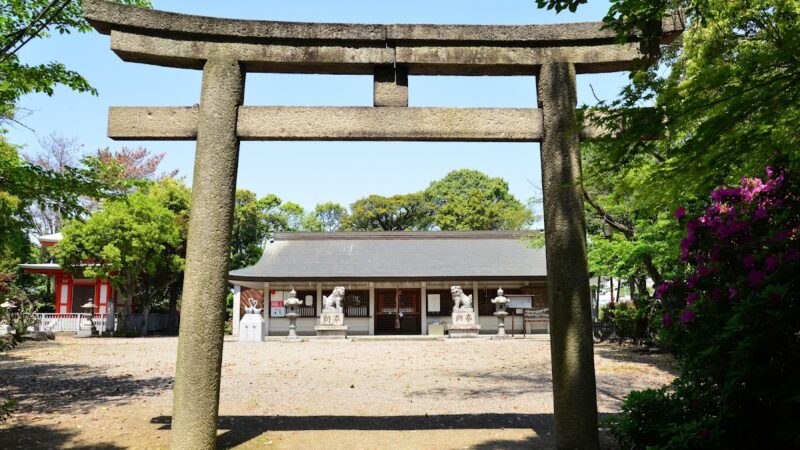
The Settsu-Awaji branch holds events in conjunction with the festivals of its main shrine, Fushimi Inari Taisha, and also conducts unique local religious activities. It boasts the distinctive scenery of an Inari shrine, with its vermilion torii gates and fox statues, and is popular with worshippers.
Other Shrines and Temples in Higashiyodogawa Ward
In addition to the above, there are numerous other shrines and temples in Higashiyodogawa Ward, including the Awaji area.
Shrines in the Itakano Area
The Itakano area has several shrines unique to the region, each attracting the faith of local residents. These shrines, like those in the Awaji area, are deeply intertwined with the history of the region.
Shrines in the Minami-Eguchi Area
The Minami-Eguchi area also has shrines that have protected the region since ancient times. In this region, which has strong ties to the Yodo River’s water transport, there is also a belief in water deities and gods of safe voyages.
Temples in the Awaji Area
In addition to shrines, there are several temples in the Awaji area.
Eishunji Temple
Eishunji Temple is a Buddhist temple located in the Awaji area, and has a long history supported by local parishioners.
Ganshoji Temple
Ganshoji Temple is another temple that attracts local faith, contributing to the community through memorial services and annual events.
Saikoji Temple
Saikoji Temple is a Jodo-style temple and serves as a spiritual center for local residents.
Myodoji Temple
Myodoji Temple is a Nichiren-style temple and develops its own unique religious activities.
Sennenji, Ryoenji, and Kakumeiji Temples
These temples also play important roles in supporting local Buddhist faith.
Annual Events at Shrines in Higashiyodogawa Ward
Autumn Festival
Many shrines in Higashiyodogawa Ward hold autumn festivals every year. These festivals are important celebrations to give thanks for a bountiful harvest and to pray for the peace and prosperity of the community. Traditional Shinto rituals, such as the procession of portable shrines and the visit to the temporary shrine, are performed.
New Year’s Visit
At the start of the new year, many local residents visit their local shrines for their first shrine visit of the year. Praying for safety and well-being throughout the year is a widely practiced custom even today.
Summer Festival
Summer festivals are held in the summer, bringing lively activity to the community with Bon Odori dances and festival stalls. These are also enjoyable events for children.
Setsubun Festival
Setsubun festivals are held in February, featuring traditional events such as bean-throwing.
Historical Background of the Awaji Area
Connection to Sugawara no Michizane
A legend persists in the Awaji area that Sugawara no Michizane landed here on his way to exile in Dazaifu. Based on this legend, Awaji Tenmangu Shrine was built, but it is now enshrined together with Nakajima Sōsha Shrine, and only a stone monument remains within the grounds of Atago Shrine.
Considering that the name Awaji does not suggest a connection to Awaji Island, but rather derives from its geographical feature as a sandbar in the Yodo River, this legend suggests the possibility that Michizane passed through this area using waterways.
Shrine Consolidation in the Meiji Era
The Meiji era’s policy of shrine consolidation had a significant impact on shrines in Higashiyodogawa Ward. Many small shrines were merged, forming consolidated shrines like Nakajima Sōsha Shrine. While some shrines were lost as a result of this policy, their faith is preserved at the shrines into which they were merged.
Development during the Taisho and Showa Periods
As symbolized by the founding of Atago Shrine in 1919 (Taisho 8), the Awaji region underwent urbanization from the Taisho to Showa periods, and new religious facilities were built. This period was also a transitional time, shifting from traditional rural faith to urban-style faith.
Manners and Etiquette for Visiting Shrines
Basic Etiquette for Visiting Shrines
When visiting a shrine, please observe the following basic etiquette:
- Bow before passing through the torii gate
- Cleanse your hands and mouth at the temizuya (water basin)
- Walk on the path, avoiding the center
- Bow twice, clap twice, and bow once in front of the main hall
- Bow once again at the torii gate on your way out
Clothing and Belongings
For everyday visits, special clothing is not necessary, but please dress neatly. For formal visits or prayers, formal attire is desirable.
Shrine Pilgrimage Around Awaji Station
Convenient Access
Hankyu Awaji Station is a major transportation hub where the Kyoto Line and Senri Line intersect. Several shrines are scattered within walking distance of the station, making it an ideal environment for shrine pilgrimage.
Recommended Pilgrimage Route
A recommended route starts from Awaji Station and includes visits to Atago Shrine, Nakajima Sōsha Shrine, and Ōmiya Shrine. Since the shrines are relatively close to each other, you can visit several in about half a day.
Local Communities and Shrines
Role of Parishioners’ Organizations
Shrines in Higashiyodogawa Ward are supported by parishioner organizations. Parishioners are involved in the maintenance and management of the shrines and the operation of festivals, playing an important role in passing on the region’s traditional culture to future generations.
Community Interaction Through Festivals
Festivals such as autumn and summer festivals provide valuable opportunities for local residents to gather and interact. Participating in festivals is an important experience for fostering a sense of belonging to the community, especially for younger generations and children.
Modern Challenges
Due to urbanization and changes in population structure, challenges such as an aging population of parishioners and a shortage of successors have arisen. However, many shrines, with the cooperation of local residents, continue their efforts to adapt to the new era while preserving tradition.
Cultural Properties and Historic Sites in Higashiyodogawa Ward, Osaka City
Cultural Properties of Shrines and Temples
Shrines and temples within Higashiyodogawa Ward retain buildings and cultural properties of historical value. These are valuable assets that tell the story of the region’s history.
Stone Monuments and Memorials
Stone monuments and memorials that convey past history remain in various locations throughout the ward, such as the stone monument at the site of the Tenmangu shrine within the grounds of Atago Shrine. These are important materials for the study of local history.
Relationship with Surrounding Shrines
Esaka Shrine (Susanoo-no-Mikoto Shrine)
Located in the Esaka area, relatively close to Awaji Station, is the Esaka Shrine, dedicated to Susanoo-no-Mikoto. This shrine is also revered as the local tutelary deity and plays a similar role to the shrines in the Awaji area.
Nozato Sumiyoshi Shrine
The Sumiyoshi Shrine in the Nozato area is also one of the important shrines in Higashiyodogawa Ward. Sumiyoshi worship is particularly popular in Osaka, and this shrine attracts many worshippers.
Differences from Shrines on Awaji Island
Similarity of Name
The name “Awaji” may lead to confusion with shrines on Awaji Island in Hyogo Prefecture, but these are completely separate from the shrines in the Awaji area of Higashiyodogawa Ward, Osaka City.
Major Shrines on Awaji Island
Awaji Island has numerous important shrines related to the creation myth, such as Izanagi Shrine and Onokoro-jima Shrine. These shrines are known nationwide as settings for Japanese mythology, but their history and characteristics differ from those of the shrines in the Awaji district of Higashiyodogawa Ward, Osaka City.
Useful Information for Visitors
About Goshuin (Shrine Seals)
Collecting Goshuin has become popular in recent years, but some shrines in the Awaji district may not have a resident priest. If you wish to receive a Goshuin, it is recommended to check in advance.
Parking Information
Since the shrines in the Awaji district are located in residential areas, they often do not have dedicated parking. Using public transportation is recommended.
Contact Information
For detailed information about the shrines, you can inquire at the Higashiyodogawa Ward Office in Osaka City or with the parishioners’ representatives of each shrine.
Summary
The shrines in the Awaji district of Higashiyodogawa Ward, Osaka City, Osaka Prefecture, each possess their own unique history and tradition, while being deeply rooted in the faith and lives of the local residents. The shrines in this region embody the history and culture of Osaka, from the fire-prevention beliefs of Atago Shrine and the history of the amalgamation of Nakajima Sōsha Shrine to the legends of Awaji Tenmangu Shrine.
Even in today’s increasingly urbanized world, these shrines continue to play a vital role as the heart of the local community. Through annual events such as the Autumn Festival, traditional culture is passed down to future generations, strengthening community bonds.
When visiting the area around Awaji Station, be sure to visit these shrines and experience the history and spirit of faith of the region. The time spent praying in the tranquil grounds will be a precious moment away from the hustle and bustle of everyday life.