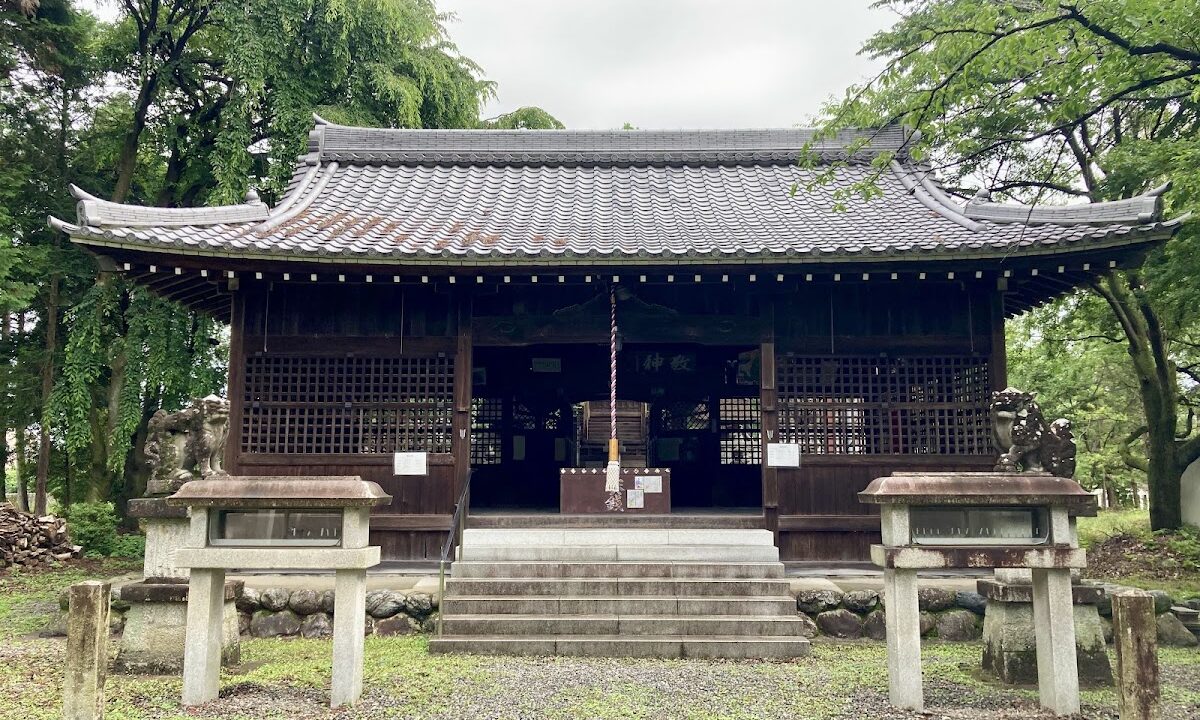
Wakae Shrine (Gifu City, Gifu Prefecture) | Complete Guide to the History, Deities, and Highlights of this Shikinaisha Shrine
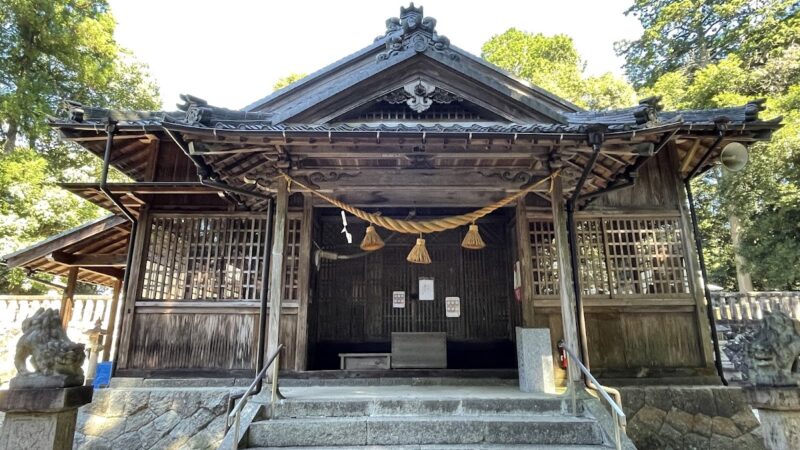
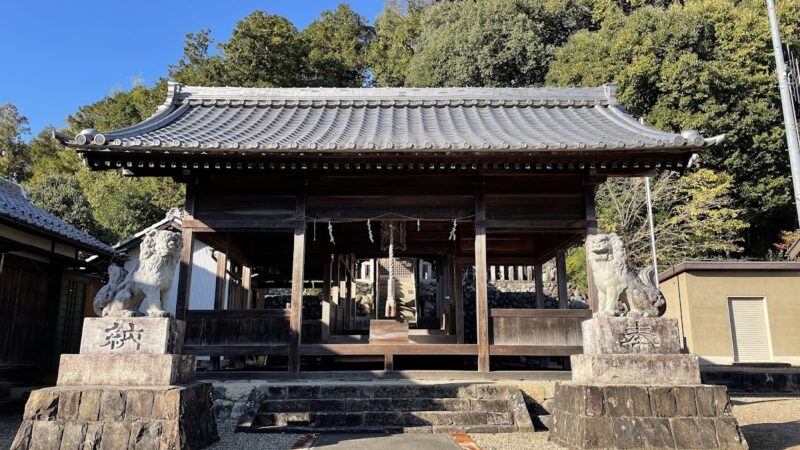
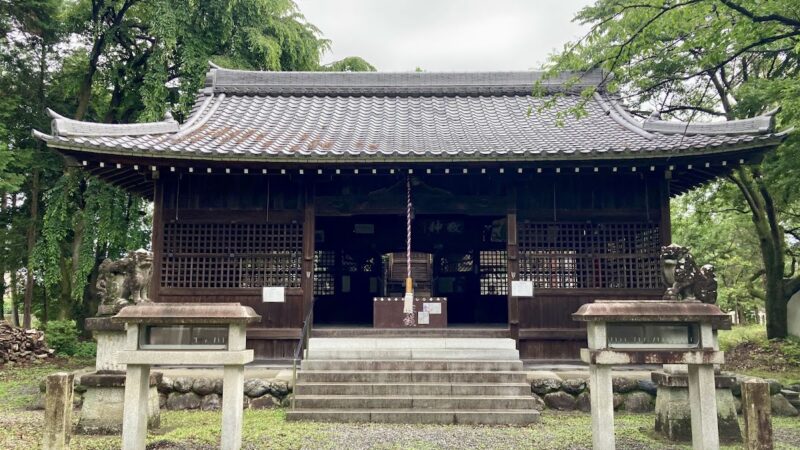
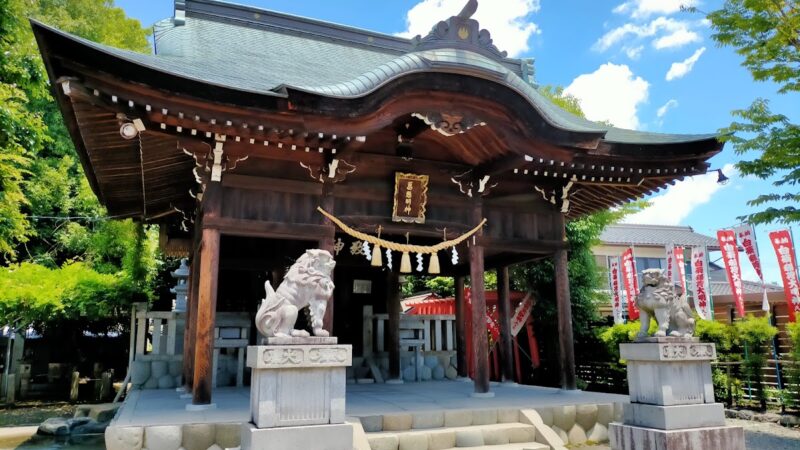
Wakae Shrine is a venerable shrine located in Nishikaiden Higashikaiden Iriaichi, Gifu City, Gifu Prefecture. It is a Shikinaisha shrine listed in the Engishiki Jinmyocho (a list of shrines compiled during the Heian period) for Kataagata District, Mino Province, and is known as a highly prestigious shrine with a history of over 1100 years.
This article comprehensively introduces all the information you need to know before visiting Wakae Shrine, including its detailed history, the origin of its deities, highlights of the grounds, and access methods.
Basic Information about Wakae Shrine
Location: 1 Kaibuchi, Iriaichi, Nishikaiden Higashikaiden, Gifu City, Gifu Prefecture (〒501-1159 or 〒501-1164)
Former Shrine Rank: Gosha (Village Shrine)
Deities Enshrined:
- Emperor Ojin
- Okinagatarashihime no Mikoto (Empress Jingu)
- Tamayorihime no Mikoto
Nearest Station: Approximately 1km north from Kitagata-Makuwa Station (now defunct) or Matamaru Station on the Meitetsu Ibi Line
Parking: Available (Large parking lot located northeast of the shrine grounds)
Visiting Hours: Open to visitors at any time
Restrooms: Yes
Wakae Shrine is located on the common land of Nishikaiden and Higashikaiden, and its sacred grounds boast an area of approximately 1.7 hectares (about 1.7 hectares). Ancient trees such as chinquapin and hackberry retain the atmosphere of the past, creating a tranquil shrine.
History and Origins of Wakae Shrine
Status as a Shikinaisha Shrine
Wakae Shrine is a Shikinaisha shrine listed in the “Engishiki Jinmyocho,” compiled during the reign of Emperor Daigo, the 60th emperor of the Heian period (Enchō 5, 927 AD), as “Wakae Shrine, Kataagata District, Mino Province.” There are 2,861 shrines listed in the Engishiki Jinmyocho nationwide, indicating that these were historically significant shrines recognized by the imperial court from that time.
As it is identified as a Shikinaisha shrine, its founding is certain to date back to before the Heian period, at least 1100 years ago. However, there are no historical records regarding the specific founding date or circumstances, so the details remain unknown.
Wakamiya Hachimangu Shrine in the Edo Period
During the Edo period, it was called “Wakamiya Hachimangu Shrine.” Wakamiya generally refers to Hachiman-sama (Emperor Ojin), indicating that Emperor Ojin was revered as the principal deity even at that time. With the reform of the shrine system during the Meiji era, it was restored to its original name as a Shikinaisha (a shrine listed in the Engishiki, an ancient Japanese legal code), “Wakae Shrine.”
Legend of Shrine Relocation Due to Flood
According to legend, Wakae Shrine was originally located about 1 km west of its current location, but was relocated to its present site due to flood damage. The western region of Gifu City is susceptible to the influence of the Nagara River and Neo River, indicating a long history of battling floods.
Shrine Ranking During the Meiji and Taisho Periods
Under the shrine ranking system of the Meiji era, Wakae Shrine was ranked as a “Gōsha” (village shrine). A “Gōsha” (village shrine) is a rank given to important shrines within a county, indicating that it was a central figure in local religious belief.
About the Deities Enshrined
Wakae Shrine enshrines three deities.
Emperor Ōjin
The 15th Emperor, he is a deity worshipped as Hachiman-sama at Hachiman shrines throughout Japan. He is said to have been in the womb of his mother, Empress Jingū, during her conquest of the Three Kingdoms of Korea, and was born in Tsukushi (present-day Fukuoka Prefecture) after her return. He is revered as a god of military fortune and national protection, and is also worshipped as a god of industrial development, having made significant contributions to the development of culture and industry.
Okinagatarashihime-no-Mikoto
Known as Empress Jingū, she is the mother of Emperor Ōjin. After the death of her husband, Emperor Chuai, she is a legendary empress who, while pregnant, accomplished the conquest of the Three Kingdoms of Korea. She is revered as a woman of exceptional bravery and wisdom. She is also worshipped as a goddess of safe childbirth and child-rearing.
Tamayorihime-no-Mikoto
She is the daughter of the sea god and the mother of Emperor Jimmu. She possesses characteristics of a water and sea goddess, and is also worshipped as a goddess of matchmaking, safe childbirth, and child-rearing. This may be related to the fact that Wakae Shrine is located in an area deeply connected to water.
The combination of these three enshrined deities reflects the character of Wakae Shrine, which, while based on Hachiman worship, has embraced diverse beliefs, including prayers for local water resources, safe childbirth, and child-rearing.
Highlights of the Shrine Grounds
Designated Ancient Trees
Within the grounds of Wakae Shrine are valuable trees designated as protected trees by Gifu City.
Ilex rotunda: A beautiful evergreen tree belonging to the holly family, bearing red berries. It is considered an auspicious tree due to a pun on its name, which sounds like “to become rich without hardship.”
Castanopsis sieboldii: An evergreen tree belonging to the beech family, it has been planted as a sacred tree at shrines since ancient times. The Castanopsis sieboldii at Wakae Shrine is estimated to be several hundred years old, contributing to the solemn atmosphere of the sacred grounds.
These ancient trees are evidence of Wakae Shrine’s long history of being protected by the local people, and are a valuable natural heritage that conveys the atmosphere of the past. An ancient hackberry tree also remains on the shrine grounds, leaving a deep impression on visitors.
Flower Water Basin
In recent years, the “flower water basin,” where seasonal flowers float in the water, has become popular at Wakae Shrine. Especially during the hydrangea season in June, the colorful hydrangeas adorn the water basin, attracting many worshippers and photography enthusiasts.
The flower-filled water basin is gaining attention as a new way to enjoy the shrine, allowing visitors to appreciate the beauty of the seasons while preserving the traditional ritual of washing hands. It’s also known as a photogenic spot for social media, and the number of younger worshippers is increasing.
A Tranquil Shrine Grounds
The vast shrine grounds, covering approximately 1.7 hectares, are a tranquil space surrounded by ancient trees such as chinquapin and hackberry. In the rapidly urbanizing city of Gifu, the grounds of Wakae Shrine remain a precious place where ancient nature is preserved. The environment is perfect for a peaceful visit while listening to the birdsong.
Access and Surrounding Information
Access by Public Transportation
Since the Meitetsu Ibi Line was discontinued in 2005, access by public transportation is currently somewhat inconvenient. Since it is a distance from the nearest bus stop, using a private car or taxi is recommended.
Nearest Station (Abandoned Line):
- Approximately 15 minutes on foot from Kitagata-Makuwa Station on the Meitetsu Ibi Line
- Approximately 1 km north from Matamaru Station on the Meitetsu Ibi Line
Access by Car
Address: 1 Kaibuchi, Iriaichi, Nishikaiden Higashikaiden, Gifu City, Gifu Prefecture
Car Navigation Setting: Search for “Wakae Shrine” or enter the above address.
Parking: There is a large free parking lot northeast of the shrine grounds. There is ample space for regular cars, making it convenient for visitors.
Nearby Tourist Attractions
Around Wakae Shrine, there are spots where you can experience the history and nature of the western Gifu City area.
- Nagara River: Known for its clear waters, the Nagara River is also famous for cormorant fishing. It is about a 15-minute drive from Wakae Shrine.
- Gifu Castle: Gifu Castle, towering atop Mount Kinka, is a famous castle associated with Oda Nobunaga. It’s about a 20-minute drive from Wakae Shrine.
- Other Shikinaisha Shrines in Gifu City: Mino Province has many Shikinaisha shrines, making it enjoyable to visit them.
Manners and Etiquette for Visiting Shrines
When visiting Wakae Shrine, please observe the following basic etiquette.
How to Pass Through the Torii Gate
The torii gate is the entrance to the sacred area. Bow before passing through the gate. Since the center of the path is considered the path of the gods, it is preferable to walk along the sides.
Proper Hand-Washing Etiquette
- Take the ladle with your right hand and wash your left hand.
- Switch the ladle to your left hand and wash your right hand.
- Switch the ladle back to your right hand, receive water in your left hand, and rinse your mouth.
- Wash your left hand once more.
- Hold the ladle upright and let water flow over the handle to cleanse it.
- Return the ladle to its original position.
If there is a flower-filled hand-washing area, be careful not to damage the flowers, and enjoy the sight while purifying your mind.
Worship at the Main Hall
- Stand up straight in front of the main hall.
- Gently place your offering in the offering box.
- If there is a bell, ring it.
- Worship using the two bows, two claps, one bow (two bows, two claps, one bow) method.
- Bow deeply twice.
- Clap your hands twice at chest height.
- Pray with all your heart.
- Bow deeply once.
Annual Events at Wakae Shrine
For specific festival dates, we recommend contacting the shrine directly, but the following are some of the general annual events at a shrine.
- New Year’s Day Festival (January 1st): A festival celebrating the New Year
- Spring Festival: A festival praying for a bountiful harvest
- Summer Purification Ceremony (around June 30th): A Shinto ritual to purify oneself of the impurities accumulated over the past six months
- Autumn Festival: A festival expressing gratitude for the harvest
- Shichi-Go-San Festival (November): A celebration of children’s growth
- Great Purification Ceremony (December 31st): A Shinto ritual to purify oneself of the impurities accumulated over the past year
About Goshuin (Shrine Seals)
Regarding the issuance of Goshuin at Wakae Shrine, since there may not be a resident Shinto priest, it is recommended to check with the Gifu Prefectural Shrine Association or a nearby shrine in advance. As it is a shrine of high status (a Shikinaisha), those wishing to receive a Goshuin should check the information before visiting.
The Charm and Significance of Visiting Wakae Shrine
Wakae Shrine, a Shikinaisha with a history of over 1100 years, has continued to be a central place of worship in the western region of Gifu City. Even in today’s increasingly urbanized world, the tranquil sacred grounds surrounded by ancient trees offer peace of mind to visitors.
The three enshrined deities—Emperor Ōjin, Empress Jingū, and Tamayorihime-no-Mikoto—possess diverse divine virtues closely related to people’s lives, including military fortune, safe childbirth, child-rearing, and the blessing of water. Many people visit to pray at important life events and to express their gratitude for daily blessings.
In recent years, the shrine has gained attention for its flower-filled water basin, attracting interest as a place where tradition and new charm harmonize. Especially during the hydrangea season in June, the colorful flower basin welcomes visitors, allowing them to feel the changing seasons.
When visiting Gifu City, be sure to visit Wakae Shrine. Its status as a Shikinaisha (a shrine listed in the Engishiki, an ancient Japanese legal text), the solemnity of its preserved trees, and its seasonal beauty will provide a memorable pilgrimage experience.
Summary
Wakae Shrine is a prestigious shrine boasting a history of over 1100 years, listed in the Engishiki Jinmyocho (a historical record of shrines) as a Shikinaisha (a shrine listed in the Engishiki) in Kataagata District, Mino Province. It is located in Nishikaiden Higashikaiden Iriaichi, Gifu City, Gifu Prefecture, and enshrines three deities: Emperor Ojin, Okinagatarashihime-no-Mikoto, and Tamayorihime-no-Mikoto.
The shrine grounds contain ancient trees designated as protected trees by Gifu City, such as Ilex rotunda and Castanopsis sieboldii, preserving the atmosphere of the past. In recent years, the flower-filled water basin has become popular, especially during the hydrangea season in June, attracting many visitors.
Access is convenient by car, with a free parking lot located northeast of the shrine grounds. The experience of calming your mind in the tranquil sacred space and offering prayers at this historic Shikinaisha will be a precious memory of your Gifu sightseeing.