Complete Guide to Sakurayama Hachimangu Shrine (Gifu Prefecture) | Thorough Explanation of Takayama Festival, Goshuin (Shrine Seals), Access, and History
Sakurayama Hachimangu Shrine, located in Takayama City, Gifu Prefecture, is a historic shrine known nationwide as the stage for the autumn Takayama Festival. Affectionately known as “Hachiman-sama” by locals as the guardian deity of Hida Takayama, it attracts many worshippers for life’s milestones such as first shrine visits, Shichi-Go-San (a traditional rite of passage for children), and exorcism. This article provides a detailed explanation of everything you need to know before visiting, from the history of Sakurayama Hachimangu Shrine to information on Goshuin (shrine seals), highlights within the grounds, and access methods.
Basic Information on Sakurayama Hachimangu Shrine
Sakurayama Hachimangu Shrine is located in Sakuramachi, Takayama City, Gifu Prefecture, and enshrines Emperor Ojin (Hachiman Okami) as its main deity.
Basic Data
- Location: 178 Sakuramachi, Takayama City, Gifu Prefecture
- Main Deity: Hachiman-Okami (Emperor Ojin)
- Enshrined Deities: Atsuta-Okami, Kashii-Okami
- Founded: During the reign of Emperor Nintoku (around 377 AD)
- Annual Festival Dates: October 9th and 10th (Autumn Takayama Festival/Hachiman Festival)
- Visiting Hours: Open all day
- Shrine Office Hours: 9:00 AM – 5:00 PM
- Phone Number: 0577-32-0240
- Parking: Free parking available (approx. 70 spaces)
- Official Website: http://www.hidahachimangu.jp/
Cultural Property Designation
The autumn Takayama Festival (Hachiman Festival), along with the spring Sanno Festival of Hie Shrine, is designated as a National Important Intangible Folk Cultural Property as the “Takayama Festival.” Furthermore, many of the floats pulled during the festival are designated as National Important Tangible Folk Cultural Properties, representing valuable cultural heritage that conveys the skills of Hida craftsmen to the present day.
History and Origins of Sakurayama Hachiman Shrine
Origin of Founding
Sakurayama Hachiman Shrine is said to have been founded around 377 AD during the reign of Emperor Nintoku. It is a shrine with a long history, even mentioned in the *Nihon Shoki* (Chronicles of Japan).
The circumstances of its founding begin when a bandit with two faces, known as “Ryomen Sukuna,” appeared in Hida Province, causing trouble for the imperial court. Emperor Nintoku dispatched Naniwa no Nekotakefurukuma no Mikoto, the ancestor of the Wani clan, as a general to subdue him. Naniwa Nekotakefurukuma no Mikoto entered Hida Province and, in the sacred precincts of Sakurayama, enshrined the spirit of his predecessor, Emperor Ojin, and prayed for victory in battle. This is considered the founding of Sakurayama Hachimangu Shrine. After the successful subjugation, it is said that a shrine was built on this site and Emperor Ojin was enshrined there.
Historical Changes
From the Heian period onward, Sakurayama Hachimangu Shrine was revered as the guardian shrine of Hida Province. In the Middle Ages, it received the patronage of the Hida lords, the Anekōji and Kanamori clans, and the shrine buildings were constructed and festivals were refined.
In the Edo period, under the protection of the Kanamori clan, lords of Takayama Castle, the prototype of the current Autumn Takayama Festival was formed. Magnificent floats were created, and a festival culture flourished, showcasing the skills of Hida’s artisans.
Following the Meiji-era decree separating Shinto and Buddhism, Sakurayama Hachimangu Shrine, which had previously been a syncretic Shinto-Buddhist shrine, became an independent Shinto shrine. In 1873 (Meiji 6), it was ranked as a local shrine, and in 1979 (Showa 54), it became a specially designated shrine.
The Legend of Ryomen Sukuna
Ryomen Sukuna, associated with the founding of Sakurayama Hachimangu Shrine, is a legendary figure from the Hida region. The *Nihon Shoki* (Chronicles of Japan) describes him as “a monstrous being with one body, two faces, and four arms and legs.”
While the imperial court records portray him as a “bandit,” different legends exist in the Hida region. Locally, he is revered as a hero who brought advanced culture and technology, and there are legends that he contributed to the construction of temples and the introduction of Buddhism. This duality is said to be the origin of the name Ryomen Sukuna.
In recent years, his appearance in the manga *Jujutsu Kaisen* has brought him attention from younger generations.
Autumn Takayama Festival (Hachiman Festival)
What is the Takayama Festival?
The Autumn Takayama Festival (Hachiman Festival), the annual festival of Sakurayama Hachiman Shrine, is one of Japan’s three most beautiful festivals, held every year on October 9th and 10th. Along with the Spring Sanno Festival (Hie Shrine), it is known as the “Takayama Festival” and is designated as a National Important Intangible Folk Cultural Property.
During the festival period, 11 floats parade through the old streets of Takayama, and a variety of events unfold, including the dedication of mechanical puppets and the night festival’s float procession. Hundreds of thousands of tourists visit every year, making it a major event that colors the autumn of Hida Takayama.
Characteristics of the Floats
The floats pulled in the Hachiman Festival are works of art created from the Edo period to the Meiji period. These floats, a culmination of the skills of Hida craftsmen, are lavishly decorated with intricate carvings, lacquer work, and metalwork. Of particular note are the floats equipped with mechanical puppets. The mechanical puppets on the Hotei float are skillfully manipulated by operators called “tsunakata” using multiple ropes, allowing the puppets to move freely. The high level of skill and precision of their manipulation amazes all who see it.
Festival Events
October 9th (Eve Festival)
- Mikoshi Procession
- Float Parade
- Night Festival (Floats illuminated with lanterns line up in a fantastical scene)
October 10th (Main Festival)
- Float Parade
- Mechanical Puppet Dedication
- Divine Procession
At the Night Festival, approximately 100 floats illuminated with lanterns line up, creating a fantastical scene. You can enjoy traditional performing arts in a different atmosphere from the daytime.
Takayama Festival Float Museum
Facility Overview
The Takayama Festival Float Museum is located within the grounds of Sakurayama Hachimangu Shrine. Here, you can view the floats actually used in the autumn Takayama Festival year-round. It’s a valuable facility where you can admire the magnificent floats up close, even outside of the festival season.
Exhibits
The museum permanently displays four of the eleven floats, with exhibits changing in March, July, and November. The floats are displayed life-size, allowing you to observe the intricate carvings and decorations up close.
Floats on display:
- Hotei Float (equipped with mechanical dolls)
- Kagura Float
- Hoo Float
- Daihachi Float
- Other floats, exhibits change seasonally
Sakurayama Nikko Museum
Adjacent to the Takayama Festival Float Museum is the Sakurayama Nikko Museum, which displays a 1/10 scale model of Nikko Toshogu Shrine. This model, crafted using the combined skills of Hida artisans, is meticulously reproduced down to the smallest detail and is truly impressive.
Opening Information
- Opening Hours: March to November 8:30 AM to 5:00 PM, December to February 9:00 AM to 4:30 PM
- Admission Fee: Adults 1,000 yen, High school students 600 yen, Elementary and junior high school students 500 yen (Entry to the grounds of Sakurayama Hachimangu Shrine is free)
- Closed Days: Open all year round
Highlights of the Shrine Grounds
Shrine Buildings
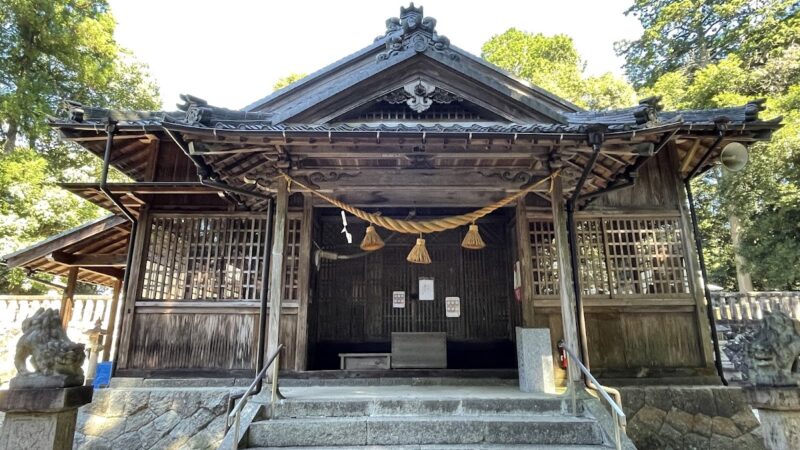
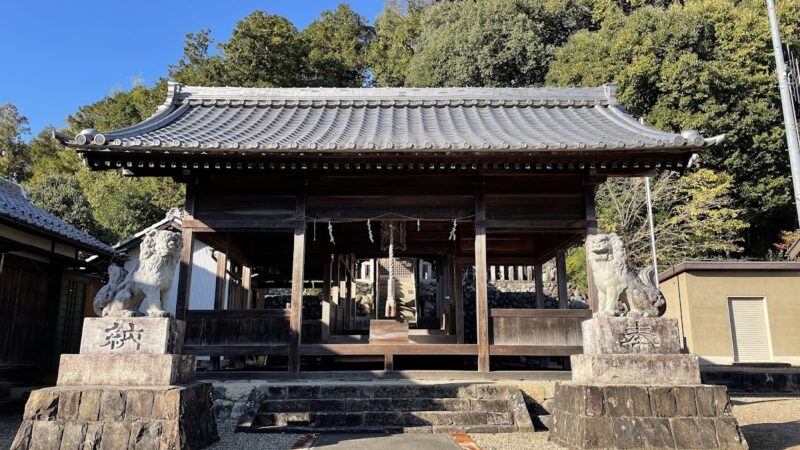
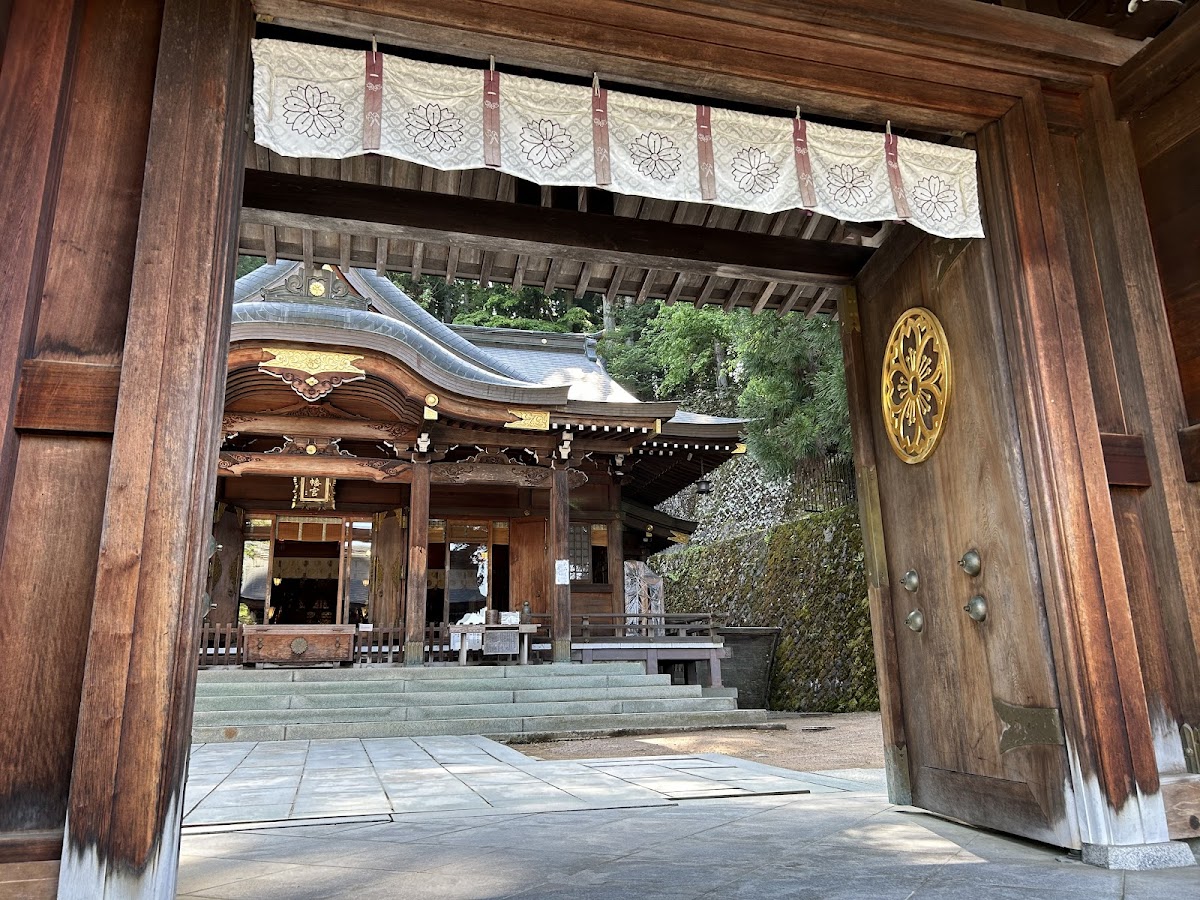
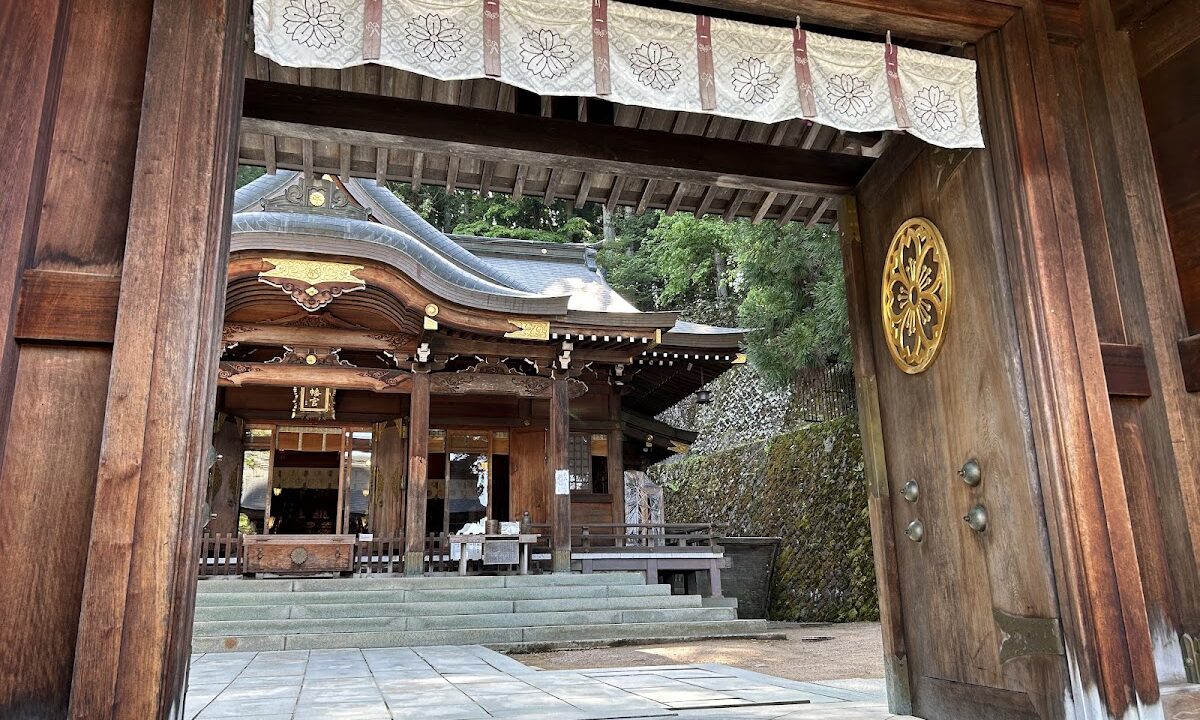
The main hall of Sakurayama Hachimangu Shrine is a magnificent building with architectural styles unique to the Hida region. The worship hall has a splendid structure welcoming visitors, allowing you to appreciate the beauty of traditional shrine architecture.
Grand Torii Gate
The grand torii gate, towering beyond the old townscape, is a symbol of Sakurayama Hachimangu Shrine. Passing through this torii gate and proceeding along the approach, you will be led to the shrine grounds. Stone lanterns line the path, creating a solemn atmosphere.
Subsidiary Shrines
Numerous subsidiary shrines are enshrined within the grounds.
Akiba Shrine
Revered as a god of fire prevention and protection, it is believed to offer protection against fire and conflagration. It is an important deity protecting the town of Takayama, which has many wooden buildings.
Tenman Shrine
Enshrining Sugawara no Michizane, this shrine is popular with students and those taking exams, as it is revered as a god of academic success and passing exams.
Terumae Shrine
Believed to offer blessings for matchmaking and marital harmony, it attracts worshippers seeking good relationships.
In addition, various other deities are enshrined here, including Inari Shrine and Kotohira Shrine, and you can visit and pay your respects while exploring the grounds.
Pilgrimage to the Sacred Jewels
Within the shrine grounds, there are sacred stones called “Shingyoku” (sacred jewels), and you can participate in a “Shingyoku Pilgrimage” by visiting them. Each Shingyoku is said to bring different blessings, and visiting them in order is believed to bring good fortune and prosperity.
Information on Goshuin (Shrine Seals) and Other Items
Goshuin (Shrine Seals)
At Sakurayama Hachimangu Shrine, in addition to the regular goshuin, special goshuin are available for seasonal and festival periods.
Regular Goshuin
The inscription “Sakurayama Hachimangu” is written in ink in the center, “Homage” is written in the upper right, and the date is written in the lower left. The shrine seal is the “Mitsudomoe” (three commas), the divine crest of Hachimangu Shrine.
Limited Edition Goshuin (Shrine Seals)
- New Year’s Limited Edition Goshuin (New Year’s Zodiac Design)
- Takayama Festival Limited Edition Goshuin (During the Autumn Festival)
- Monthly Goshuin (Featuring Seasonal Flowers and Events)
Goshuin are available at the shrine office in the assembly hall from 9:00 AM to 5:00 PM. The offering fee is usually 500 yen, and special goshuin are around 1,000 yen.
Goshuincho (Shrine Seal Book)
Several designs of original goshuincho are available. Popular goshuincho unique to Sakurayama Hachimangu Shrine include designs featuring Takayama Festival floats and cherry blossoms. The offering fee is around 2,000 yen.
Items Available
Amulets
- Traffic Safety Amulet
- Academic Success Amulet
- Matchmaking Amulet
- Protection from Evil Amulet
- Safe Childbirth Amulet
- Health Amulet
Ema (Votive Tablet)
Ema featuring Takayama Festival floats and cherry blossoms are popular. You can write down your wishes, such as prayers for passing exams or finding a good partner, and offer them at the shrine.
Zodiac Charms
During the first three days of the New Year, the first 2,000 visitors will receive a zodiac charm as a gift. The design changes every year, making it a popular item with many collectors.
Annual Events and Rituals
Sakurayama Hachimangu Shrine holds various rituals and ceremonies throughout the year.
Main Annual Events
January
- January 1st: Saitansai (New Year’s Day Festival)
- January 3rd: Genshisai (Beginning of the Year Festival)
- December 31st – January 3rd: Hatsumode (First Shrine Visit of the Year) (Approximately 20,000 visitors annually)
February
- Setsubunsai (Bean-Throwing Ceremony)
March
- Spring Annual Festival
June
- Oharai-shiki (Summer Purification Ceremony)
October
- October 9th & 10th: Autumn Grand Festival (Hachiman Festival & Takayama Festival)
November
- Shichi-Go-San Pilgrimage (Mid-October to Late November)
December
- December 31st: Joyasai (New Year’s Eve Festival), Oharai-shiki (Year-End Purification Ceremony)
First Shrine Visit and Shichi-Go-San Ceremony
Sakurayama Hachimangu Shrine plays an important role as a place for life’s rituals for the local community. During the first shrine visit and Shichi-Go-San seasons, it is bustling with many families.
The shrine office accepts reservations for prayers, allowing visitors to receive a respectful prayer service. During Shichi-Go-San season, many families can be seen taking commemorative photos on the shrine grounds.
Exorcism and Wedding Ceremonies
Prayers for exorcism and purification ceremonies for life’s milestones are accepted at any time. Furthermore, Shinto wedding ceremonies are held on the shrine grounds, allowing couples to celebrate the beginning of their lives in a traditional Shinto style.
Access and Parking Information
Access by Train
From JR Takayama Line “Takayama Station”
- Approximately 20 minutes on foot (approx. 1.5 km)
- Walking through the old townscape of Takayama is recommended.
By Bus
- Approximately 10 minutes by Nohi Bus “Sarubobo Bus” from Takayama Station
- Get off at “Takayama Jinya-mae” or “Sakurayama Hachimangu-mae” bus stop.
Access by Car
Tokai-Hokuriku Expressway
- Approximately 15 minutes (approx. 5 km) from “Takayama IC”
- Same from Chubu Jukan Expressway “Takayama IC”
Travel Time from Major Cities
- From Nagoya: Approximately 2 hours 30 minutes
- From Toyama: Approximately 1 hour 30 minutes
- From Kanazawa: Approximately 2 hours
Parking
Free Parking
Sakurayama Hachimangu Shrine has approximately 70 free parking spaces. The shrine is open free of charge all day during the first three days of the New Year.
Important Notes
- During the Takayama Festival (October 9th and 10th), traffic restrictions will be in place, and parking may be unavailable.
- During the festival, it is recommended to use temporary parking lots in the city and access by shuttle bus.
- During peak tourist season, it will be crowded, so using public transportation is recommended.
Combining with Nearby Sightseeing
Sakurayama Hachimangu Shrine is located in the heart of Takayama City, and there are many tourist attractions nearby.
Tourist Attractions within Walking Distance
- Old Town (Sanmachi Street): 10-minute walk
- Takayama Jinya (Fortified Residence): 15-minute walk
- Hie Shrine: 20-minute walk
- Miyagawa Morning Market: 15-minute walk
For efficient sightseeing, we recommend starting from Takayama Station, strolling through the old town to Sakurayama Hachimangu Shrine, visiting the Takayama Festival Float Museum, and then visiting Takayama Jinya and Hie Shrine.
Points and Manners for Visiting the Shrine
Visiting Etiquette
Basic visiting etiquette at Sakurayama Hachimangu Shrine is the same as at most shrines.
- Bow before passing through the torii gate.
- Walk away from the center of the path.
- Purify yourself at the water basin.
- Offer your donation in front of the main hall.
- Pray with two bows, two claps, and one bow.
- Visit the subsidiary shrines within the grounds.
Photography
Photography is generally permitted within the shrine grounds, but please refrain from taking photos inside the main hall or during prayers. Flash photography and the use of tripods may be restricted inside the Takayama Festival Float Museum.
Attire
No special attire is required for regular visits, but formal attire or equivalent is desirable if receiving prayers.
Benefits of Sakurayama Hachimangu Shrine
At Sakurayama Hachimangu Shrine, the following benefits are believed to be available through the divine virtues of the main deity, Emperor Ojin (Hachiman Okami):
Main Benefits
- Victory and Success: From prayers for victory in battle, which is the origin of the shrine’s founding, to prayers for success in competitions and examinations.
- National Peace and Protection of the Region: As the guardian shrine of Hida Province, it protects the region.
- Protection from Misfortune and Bringing Good Fortune: Protection from misfortune at important life events, and bringing good fortune.
- Family Safety: Protection of the health and safety of the family.
- Traffic Safety: Prayers for safe travels.
- Business Prosperity: Development of businesses and prosperity of trade.
Benefits of Subsidiary Shrines
Each subsidiary shrine within the grounds offers specialized benefits.
- Akiba Shrine: Fire prevention and protection, protection from fire
- Tenman Shrine: Academic success, prayers for passing exams
- Terumae Shrine: Matchmaking, marital harmony
- Inari Shrine: Business prosperity, abundant harvest
Nearby Gourmet & Souvenirs
Hida Takayama Gourmet
Around Sakurayama Hachimangu Shrine, there are many restaurants where you can enjoy Hida Takayama’s unique cuisine.
Hida Beef
A representative brand of beef from Hida Takayama. It can be enjoyed in various forms such as nigiri sushi, steak, and skewers.
Takayama Ramen
Takayama ramen, characterized by its light soy sauce-based soup, is popular with both locals and tourists.
Mitarashi Dango
Mitarashi dango, a specialty of Takayama, is a perfect snack after visiting the shrine.
Souvenirs
- Sarubobo: A popular folk toy from Hida Takayama, considered a lucky charm.
- Hida Local Sake: Takayama has many sake breweries, offering a wide variety of local sake.
- Hoba Miso: A traditional Hida condiment.
- Hida Beef Products: Products such as retort pouches and sweets that can be taken home.
Summary
Sakurayama Hachimangu Shrine is a venerable shrine with a history of over 1600 years, and is nationally known as the stage for the autumn Takayama Festival. As the guardian deity of Hida Takayama, it attracts the faith of local people and is a shrine that accompanies various milestones in life, from first shrine visits for newborns to Shichi-Go-San (a traditional rite of passage for children), exorcisms, and weddings.
The Takayama Festival Float Museum is located within the shrine grounds, allowing visitors to view the magnificent floats even outside of the festival period. There are also numerous subsidiary shrines and a pilgrimage to the sacred jewels, offering plenty to see. The shrine’s goshuin (stamped seals) and limited-edition souvenirs are popular and make great mementos of your visit.
Located just a 20-minute walk from JR Takayama Station, it boasts excellent accessibility and is easily combined with sightseeing in the surrounding area, such as the old town. When visiting Hida Takayama, be sure to include a visit to Sakurayama Hachimangu Shrine in your itinerary. This shrine, where history, culture, and the craftsmanship of Hida artisans converge, is sure to offer a soul-cleansing experience.
While the Takayama Festival attracts hundreds of thousands of visitors during its peak season, those who prefer a quieter visit are advised to visit on weekdays outside of the festival period. The shrine grounds, which display different expressions throughout the seasons, are beautiful at any time of year, providing a peaceful and tranquil space.