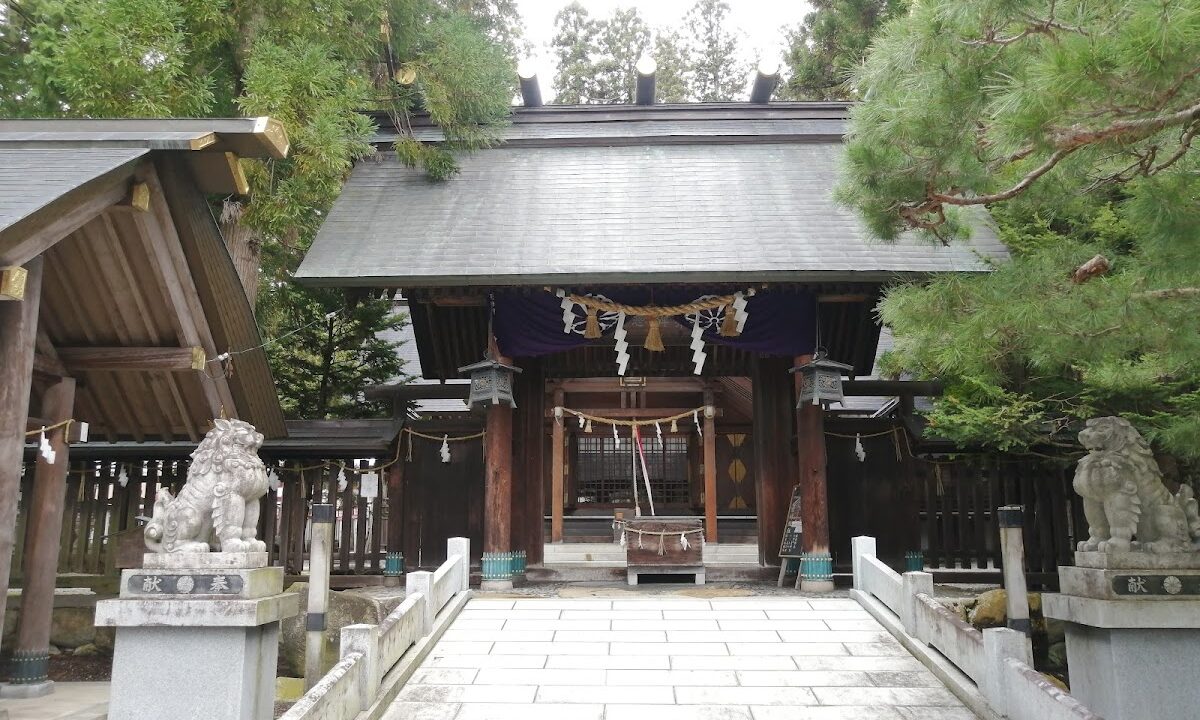
Hida Soja Shrine (Takayama City, Gifu Prefecture) Complete Guide | History, Goshuin (Shrine Seal), Access, and Festival Information
Hida Soja Shrine, located in Takayama City, Gifu Prefecture, is a historic shrine that has long been revered as the principal shrine of Hida Province. This shrine, which enshrines the deities of 18 shrines in the Hida region, is affectionately known locally as “Kensha” (Prefectural Shrine). This article provides a detailed introduction to Hida Soja Shrine, including its history, enshrined deities, festivals, goshuin information, access methods, and surrounding tourist spots.
What is Hida Soja Shrine? | The Role and Significance of the Principal Shrine of Hida Province
What is a Soja Shrine?
A Soja Shrine, under the Ritsuryo system, was a shrine where the provincial governor consolidated the main shrines within the province. It was established to save the governor the trouble of individually visiting all the shrines when taking up post or inspecting the province. Hida Sōsha Shrine, as the principal shrine of Hida Province, enshrines the deities of 18 shrines in total: eight listed in the Engishiki Jinmyōchō (three in Ōno District and five in Arakijō District) and ten shrines mentioned in the National History.
The First Prefectural Shrine in Hida
Under the Meiji-era shrine ranking system, Hida Sōsha Shrine was the first in the Hida region to be designated a Prefectural Shrine. Because of this, it is affectionately called “Kensha” by the locals, a name still used today. Its former rank was Prefectural Shrine, and it remains one of Takayama City’s representative shrines, serving as a center of regional faith.
The Benefits of Visiting 18 Shrines
The most distinctive feature of Hida Sōsha Shrine is that visiting it is believed to grant the same benefits as visiting all 18 shrines in the Hida region. This conveys the original meaning of a Sōsha shrine to the present day, making it a valuable place for visitors from afar to efficiently express their devotion to the deities of Hida.
History of Hida Sōsha Shrine | From its Founding in the Jōhei Era to the Present
Founding in the Jōhei Era
The founding of Hida Sōsha Shrine is said to date back to the Jōhei era (931-938). This was during the mid-Heian period, under the reign of Emperor Suzaku. It is believed that the shrine was established in Hida Province at that time for the purpose of overseeing the major shrines within the province, as determined by the provincial governor. From its inception, it played a crucial role as the religious center of Hida Province.
Decline in the Middle Ages and Renovation in the Edo Period
From the medieval period onward, Hida Sōsha Shrine gradually fell into disrepair due to wars and changes in social conditions. However, in the Edo period, a major renovation was carried out by Kanamori Izumo-no-kami, the lord of Takayama Domain, and the shrine buildings were restored. The Kanamori family is known as a daimyo who dedicated themselves to the promotion of Hida’s culture, and the protection of Hida Sōsha Shrine was part of this effort.
Restoration by a Disciple of Motoori Norinaga
Hida Sōsha Shrine declined again in the late Edo period, but in 1820 (Bunsei 3), it was restored by Tanaka Ōhide, a leading disciple of the scholar of Japanese classics, Motoori Norinaga, and others. Tanaka Ōhide was a scholar of Japanese classics from Hida who dedicated himself to the study of classical literature and the revival of Shinto. Through his efforts, Hida Sōsha Shrine underwent restoration of its shrine buildings and the revival of its rituals, leading to its current form.
Developments Since the Meiji Era
With the separation of Shinto and Buddhism and the introduction of the shrine ranking system during the Meiji era, Hida Sōsha Shrine was the first shrine in the Hida region to be ranked as a prefectural shrine. This officially recognized its status as a shrine and established its position as a center of regional faith. After World War II, it became a religious corporation and continues to be cherished by local people and tourists to this day.
Deities Enshrined and the 18 Shrines
Main Deity: Ōyahashi-no-Mikoto
The main deity enshrined at Hida Sōsha is Ōyahashi-no-Mikoto. This deity is considered to have been involved in the development of Hida Province and has been revered as a guardian deity of the region since ancient times.
Eight Shrines Listed in the Engishiki and Ten Shrines Listed in the National Histories
Hida Sōsha enshrines the deities of 18 shrines in total: eight shrines listed in the Engishiki Jinmyōchō (three in Ōno District and five in Arakijō District) and ten shrines listed in the national histories (the Six National Histories). These are major shrines within Hida Province, and each is a deity that has attracted local faith.
Engishiki shrines are high-ranking shrines listed in the Jinmyōchō of the Engishiki, a legal code from the Heian period. Eight such shrines are listed in Hida Province. Furthermore, “shrines mentioned in national histories” refers to shrines recorded in official histories such as the *Nihon Shoki* and *Shoku Nihongi*. Hida Sōsha, which enshrines these 18 shrines together, has the character of the head shrine of the gods of Hida Province.
Annual Festival (Sōsha Festival) | A Grand Festival in May
Overview of the Sōsha Festival
The annual festival of Hida Sōsha is the “Sōsha Festival,” held every year on May 4th and 5th. This festival is one of Takayama City’s representative spring festivals, attracting not only locals but also many tourists. Because it follows the spring Takayama Festival (Sannō Festival), it offers a valuable opportunity to experience Takayama’s festival culture.
Procession of a Thousand People
The highlight of the Sōsha Festival is the “Procession of a Thousand People.” The sight of parishioners and local residents dressed in period costumes parading through the city with the portable shrine is magnificent. Costumes from various periods, from the Heian to the Edo period, are recreated, creating a scene that feels like a time slip. The procession parades from the shrine through the city center, making it a major event that embodies the history and culture of Hida.
Parent-Child Lion Dance
Another highlight of the Soja Festival is the “Parent-Child Lion Dance.” Each lion is performed by a pair of dancers, and the sight of a total of 22 lions dancing in the shrine grounds and throughout the city is breathtaking. The synchronized dance of the parent and child lions symbolizes the continuation of the region’s traditional performing arts and captivates many spectators. The lion dance has meaning as a prayer for a bountiful harvest and good health, and is an important event that conveys the folk culture of the Hida region to the present day.
Significance of the Festival
The Soja Festival is not merely a tourist event; it plays an important role in confirming the unity of the local community and passing on the culture inherited from ancestors to the next generation. Through the preparation and operation of the festival, intergenerational exchanges are fostered, deepening community bonds.
Goshuin Information | A Memento of Your Visit
Issuance of Goshuin
Hida Sōsha Shrine offers goshuin (shrine stamps). Visiting hours are from 8:00 AM to 5:00 PM, and you can receive a goshuin at the shrine office during these hours. The Hida Sōsha goshuin features a simple yet dignified design with the calligraphy of “Hida Sōsha” and the shrine’s seal.
The Significance of Goshuin
Goshuin are not merely stamps; they are given as proof of visiting a shrine. Receiving the Hida Sōsha goshuin allows you to experience the unique significance of Hida Sōsha, which is said to bestow the blessings of visiting all 18 shrines. Bring your goshuin book and respectfully offer your prayers before receiving your goshuin.
Manners for Receiving a Goshuin (Temple/Shrine Stamp)
When receiving a Goshuin, it is customary to first visit the main hall before going to the shrine office. Open your Goshuin book and hand it over; wait quietly while they write it. Having the offering fee (usually around 300-500 yen) ready will make the process smoother.
Basic Information and Access
Location and Contact Information
Location: 2-114 Kanda-cho, Takayama City, Gifu Prefecture 506-0006
Phone Number: 0577-32-0687
Visiting Hours: 8:00 AM – 5:00 PM (Grounds are freely accessible, shrine office hours)
Closed: Open every day
Admission Fee: Free
Access by Train
Approximately 11 minutes on foot from JR Takayama Line “Takayama Station”. Takayama Station is a stop for the Limited Express Hida, and is accessible from Nagoya and Toyama. The path from the station to the shrine is flat, allowing you to enjoy the scenery of Takayama city as you walk.
Route from Takayama Station:
- Exit Takayama Station East Exit and head towards National Route 41.
- Proceed towards the city center and cross the Miyagawa River.
- Via Honmachi Street towards Kanda-machi.
- Follow the signs and walk for approximately 11 minutes.
Access by Car and Parking
From the Tokai-Hokuriku Expressway “Hida-Kiyomi IC”: Approximately 30 minutes
From the Chubu-Jukan Expressway “Takayama IC”: Approximately 15 minutes
There are a few parking spaces around the shrine, but they are limited, so during busy times, we recommend using public parking lots in Takayama city. There are municipal parking lots around Takayama Jinya and along the Miyagawa River, from which you can access the shrine on foot.
Access by Bus
You can also use the Takayama city sightseeing bus “Sarubobo Bus,” etc. Buses run from Takayama Station to various locations throughout the city, allowing for efficient sightseeing and pilgrimage.
Recommended Tourist Spots Around Hida Soja Shrine
Takayama Jinya (approx. 10-minute walk)
Located about a 10-minute walk from Hida Soja Shrine, Takayama Jinya was the political center of Hida Province, which was a direct territory of the Edo Shogunate. Designated as a national historical site, it is the only remaining building of a county magistrate’s office, offering insights into the administration and judicial system of the time. The Miyagawa River, where a morning market is held, is also nearby, allowing visitors to enjoy Hida’s local specialties.
Takayama Old Town (approx. 15-minute walk)
Takayama’s old town, known as “Little Kyoto of Hida,” is a tourist spot where merchant houses from the Edo and Meiji periods line the streets. Traditional townhouses are preserved, and you’ll find sake breweries, miso breweries, folk craft shops, cafes, and more. A stroll around Hida in conjunction with a visit to Hida Soja Shrine allows you to fully enjoy the history and culture of Hida in one day.
Sakurayama Hachimangu Shrine (approx. 20-minute walk)
Sakurayama Hachimangu Shrine, famous for the autumn Takayama Festival (Hachiman Festival), is within walking distance. The Takayama Festival Float Museum, where magnificent floats are displayed, is also located on the premises, allowing you to appreciate the beauty of the floats even outside of the festival season.
Hida Kokubunji Temple (approx. 15-minute walk)
Hida Kokubunji Temple, the oldest temple in the Hida region, boasts a large ginkgo tree over 1200 years old, making it one of Takayama’s symbols. The three-story pagoda is also beautiful, making it a spot where you can feel the Buddhist culture of Hida.
Recommended Gourmet around Hida Soja Shrine
Hida Beef Cuisine
There are many excellent restaurants in Takayama where you can savor Hida beef. Within walking distance of Hida Soja Shrine, you’ll find numerous restaurants serving Hida beef sushi, steak, sukiyaki, and more. Enjoying this premium wagyu beef before or after your visit is highly recommended.
Takayama Ramen
Takayama ramen is a local specialty characterized by its light, soy sauce-based broth and thin, curly noodles. Many long-established ramen shops in the city serve this dish, beloved by both locals and tourists.
Hoba Miso
This local dish involves grilling miso, vegetables, mushrooms, and Hida beef on a magnolia leaf (hooba). The aroma of the magnolia leaf is appetizing, allowing you to enjoy a unique Hida flavor.
Mitarashi Dango
In Takayama’s old town, you’ll find many shops selling mitarashi dango (rice dumplings with fragrant soy sauce glaze). Perfect for a stroll, freshly grilled dango are exquisite.
Points and How to Enjoy Visiting Hida Soja Shrine
Etiquette for Worship
The basic etiquette for visiting a shrine is to bow before passing through the torii gate, purify your hands and mouth at the water basin, and then proceed to the main hall. At the front of the worship hall, the basic ritual is “two bows, two claps, one bow.” Since Hida Soja Shrine enshrines 18 deities, please worship respectfully.
Seasonal Attractions
Spring (April-May): This is the time of the annual festival (Soja Festival), where you can see a procession of a thousand people and a parent-child lion dance. The fresh greenery is also beautiful, making it an ideal season for worship.
Summer (June-August): You can worship while enjoying the coolness of the lush green grounds. Since it avoids the Takayama Festival period, you can worship in relative peace and quiet.
Autumn (September-November): The autumn leaves are beautiful, and the trees on the grounds change color. Visiting in conjunction with the autumn Takayama Festival (Hachiman Festival) is also recommended.
Winter (December-March): The shrine amidst the snowy landscape is magical. Winter in Takayama sees fewer tourists, allowing for a peaceful visit.
Photography Tips
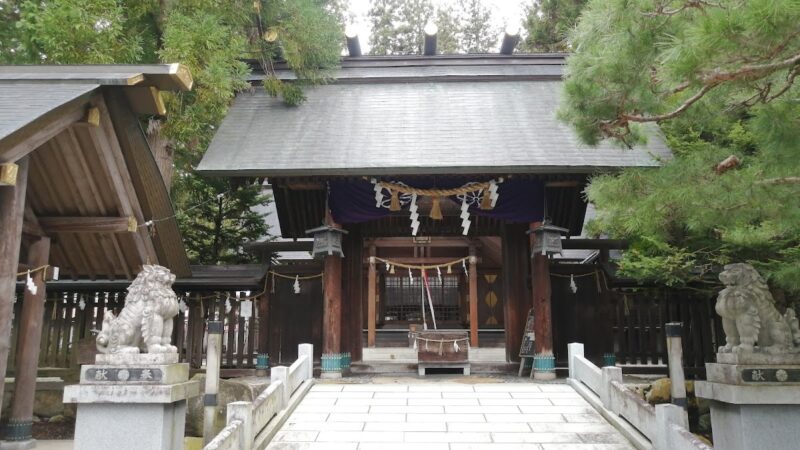
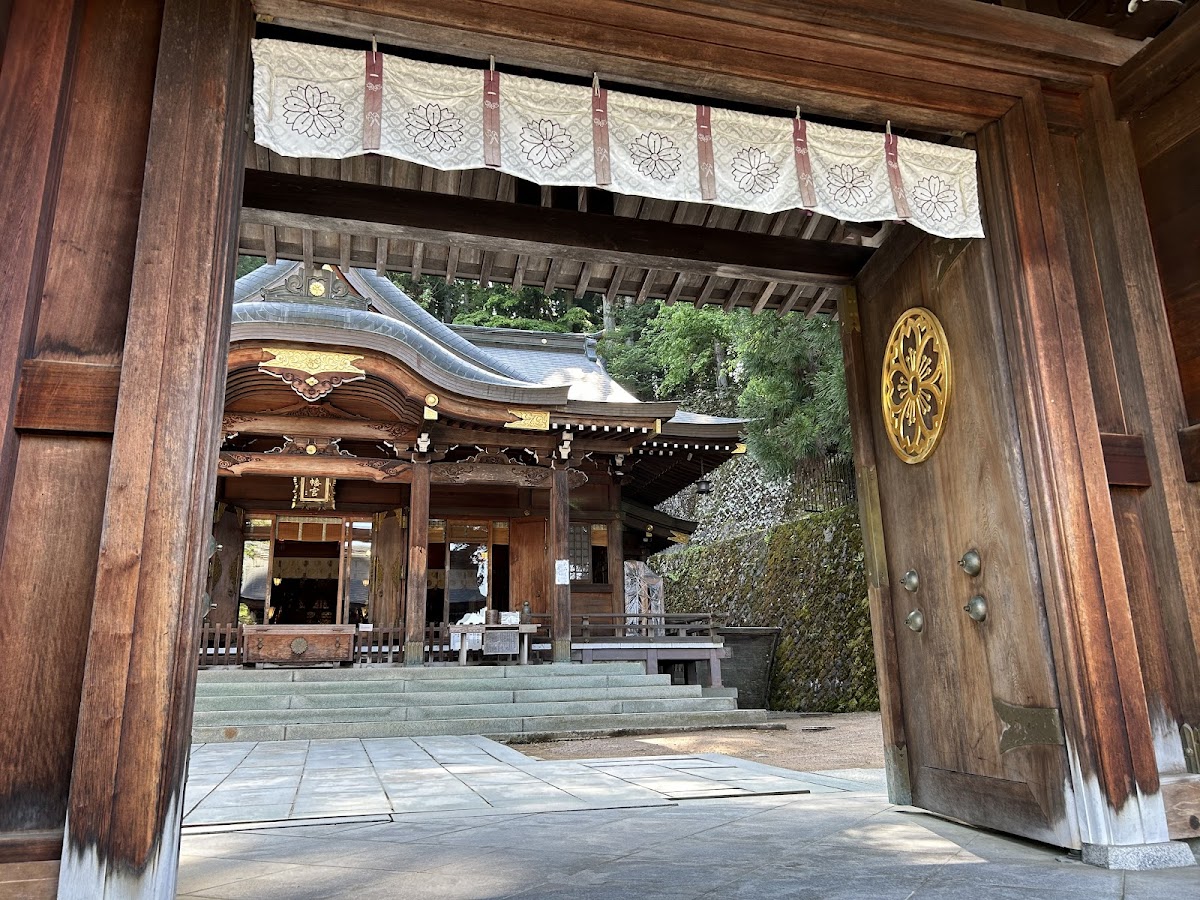
Photography is permitted within the shrine grounds, but please refrain from photographing inside the main hall or during rituals. Good photo spots include the main hall seen through the torii gate, the intricate carvings on the shrine buildings, and seasonal flowers. During the Soja Festival, you can capture impressive photos of the procession of a thousand people and the lion dance.
Cultural Properties and Architecture of Hida Soja Shrine
Shrine Architecture
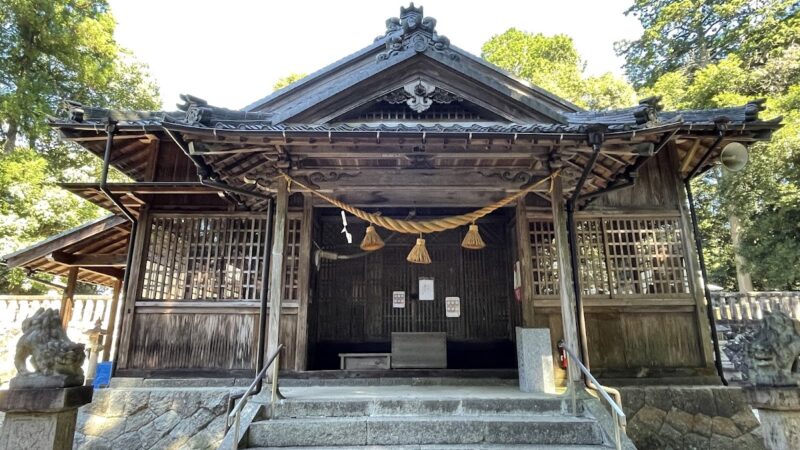
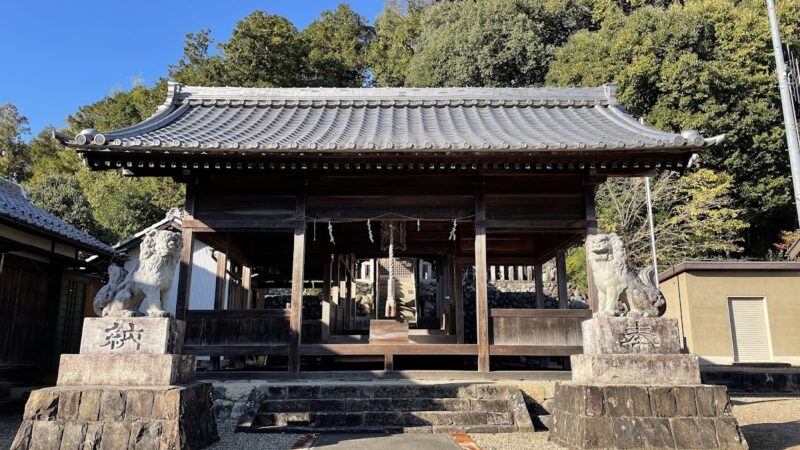
The current shrine buildings have been maintained through several restorations since their reconstruction in the Edo period. The craftsmanship of Hida artisans is evident throughout, showcasing the beauty of wooden architecture. Both the main hall and the worship hall maintain traditional shrine architectural styles while being adapted to the climate and environment of the Hida region.
The Craftsmanship of Hida
Hida has long been a region that has produced many skilled carpenters, known as “Hida no Takumi” (Hida Craftsmen). This craftsmanship is evident in the architecture of Hida Soja Shrine, showcasing the intricate carvings and joinery.
Points to Note When Visiting Hida Soja Shrine
Visiting Hours
While you can generally visit the shrine grounds freely, the shrine office is open from 8:00 AM to 5:00 PM. If you wish to receive a Goshuin (shrine stamp), please visit within these hours.
Attire and Items to Bring
Please dress appropriately for visiting a shrine. In summer, take precautions against the heat; in winter, take precautions against the cold. It’s a good idea to prepare a Goshuincho (stamp book), camera, and offering money.
Crowded Seasons
The shrine is extremely crowded during the annual festival (May 4th and 5th). If you wish to visit at a more relaxed pace, it is recommended to visit outside of the festival period. The spring and autumn tourist seasons are also relatively crowded.
Accommodation Information in Takayama City
When visiting Hida Soja Shrine, we recommend staying in Takayama City. There are various accommodations available around Takayama Station and the old town area, including ryokan (traditional Japanese inns), hotels, and guesthouses.
Hot Spring Ryokan
At ryokan in Hida Takayama Onsen, you can enjoy Hida beef cuisine and hot springs. Experience Hida hospitality in a traditional Japanese ryokan.
Business Hotels
There are many business hotels around Takayama Station, offering reasonably priced accommodations. It’s a convenient base for sightseeing.
Machiya Stay
At accommodations renovated from old townhouses, you can experience traditional Hida housing. Enjoy a charming stay.
Summary | Experiencing Hida’s History and Culture at Hida Soja Shrine
Hida Soja Shrine is a historic shrine that has attracted the faith of the region as the principal shrine of Hida Province since its founding during the Shohei era. Hida Soja Shrine is unique in that it enshrines the deities of 18 different shrines, and it is believed that visiting here grants the same blessings as visiting all the major shrines in Hida.
Restored by a disciple of Motoori Norinaga, designated as the first prefectural shrine in Hida, and still holding the Soja Festival in May, Hida Soja Shrine encapsulates the history and culture of Hida. The procession of a thousand people and the parent-child lion dance are valuable cultural heritage that convey the region’s traditions to the present day.
Its convenient location within walking distance of Takayama Station is also a major draw, making it a must-visit spot during Takayama sightseeing. Combining a visit to Hida Soja Shrine with other nearby attractions such as Takayama Jinya, the old town, and Hida Kokubunji Temple allows you to fully experience the charm of Hida Takayama.
Through a visit to Hida Soja Shrine, why not experience the deep history and rich culture of Hida, and the faith of the local people? The time spent calming your mind in the tranquil grounds and contemplating the deities of Hida will surely be a memorable experience.