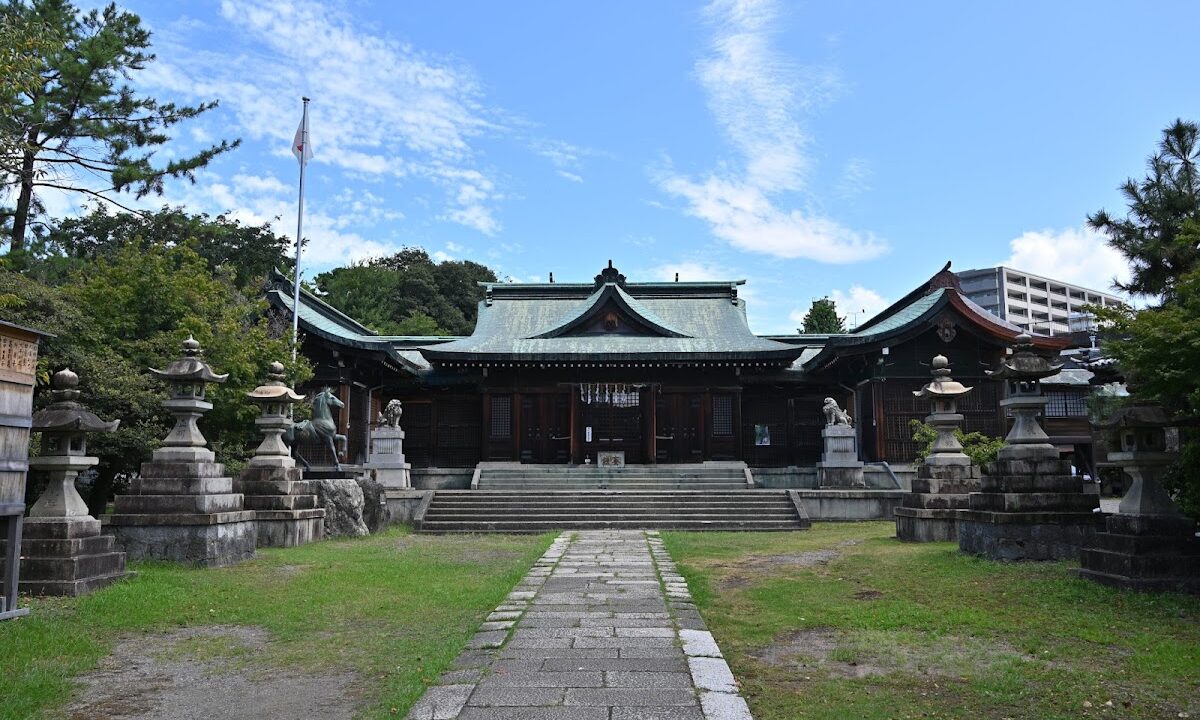
Complete Guide to Nohi Gokoku Shrine (Ogaki City, Gifu Prefecture) | History, Goshuin (Shrine Seal), and Access Information
Nohi Gokoku Shrine is a Gokoku Shrine located on the site of Ogaki Castle (Ogaki Park) in Ogaki City, Gifu Prefecture. It is known as one of Gifu Prefecture’s leading Gokoku Shrines, enshrining the spirits of 18,917 brave souls from the Seino and Hida regions who sacrificed their lives for the nation from the Meiji Restoration to the Greater East Asia War.
This article provides a detailed explanation of everything you need to know before visiting Nohi Gokoku Shrine, from its historical background to how to worship, information on Goshuin (shrine seals), and access methods.
Basic Information on Nohi Gokoku Shrine
Location and Contact Information
- Address: 2-55 Kuruwa-machi, Ogaki City, Gifu Prefecture 503-0887
- Phone Number: 0584-78-4048
- Nearest Station: Approximately 7 minutes on foot from the South Exit of Ogaki Station on the JR Tokaido Main Line
- Parking: Ogaki Park parking lot is available
Main Deity
The main deity of Nohi Gokoku Shrine is the “Heroic Spirits of the Nation.” Specifically, it enshrines the spirits of 18,917 war dead from the Boshin War of 1868 to the Greater East Asia War, who were from or had ties to the Seino region (the two cities and four counties of Seino, centered around Ogaki City) and the Hida region.
Shrine Rank and Designation
Nohi Gokoku Shrine is one of the three major Gokoku Shrines in Gifu Prefecture. The following Gokoku Shrines exist in Gifu Prefecture:
- Gifu Gokoku Shrine (Gifu City): Enshrines approximately 37,800 spirits of those who died in the Gifu, Chuno, and Tono regions.
- Nohi Gokoku Shrine (Ogaki City): Enshrines approximately 18,917 spirits of those who died in the Seino and Hida regions.
- Hida Gokoku Shrine (Takayama City): Enshrines the spirits of those who died in the Hida region.
These three shrines share the responsibility of enshrining the spirits of those who died in different regions of Gifu Prefecture.
History of Nohi Gokoku Shrine
Origin of Founding
The history of Nohi Gokoku Shrine dates back to the turbulent period of the Meiji Restoration. It was originally founded as a shrine to appease the spirits of those from the Seino region who lost their lives in the Boshin War in 1868 (Meiji 1).
Initially established as a small shrine dedicated to the war dead, it gradually enshrined the spirits of local heroes who died in the Satsuma Rebellion, the First Sino-Japanese War, and the Russo-Japanese War.
Changes in the Shrine Building
The shrine building of Nohi Gokoku Shrine has undergone several changes throughout its history.
Early Shrine Building: The original shrine building, constructed during the Meiji era, was relatively simple.
Pre-War Renovation: As the number of war dead from the First Sino-Japanese and Russo-Japanese Wars increased during the early Showa period, the shrine building was renovated and expanded.
War Damage and Reconstruction: The shrine building, along with Ogaki Castle, was destroyed in the Ogaki air raid of 1945. After the war, reconstruction proceeded thanks to the enthusiasm of local residents, and the current shrine building was constructed.
Breakdown of Enshrined War Dead
The 18,917 war dead enshrined at Nohi Gokoku Shrine are those who died in the following conflicts:
- Meiji Restoration (Boshin War): Those who died in the Boshin War of 1868
- Satsuma Rebellion: Those who died in the Satsuma Rebellion of 1877
- First Sino-Japanese War: Those who died in the First Sino-Japanese War of 1894-1895
- Russo-Japanese War: Those who died in the Russo-Japanese War of 1904-1905
- World War I: Those who died in the Taisho period
- Manchurian Incident/China Incident: Those who died in the Manchurian Incident and China Incident in the early Showa period
- Greater East Asia War (Pacific War): Those who died in the Greater East Asia War of 1941-1945
In particular, those who died in the Greater East Asia War are the most numerous, accounting for the majority of the total.
Highlights of the Shrine Grounds
Relationship with Ogaki Castle Ruins
Ogaki Park, where Nohi Gokoku Shrine is located, is the former site of the main keep of Ogaki Castle. Ogaki Castle is a historical castle that played an important role in the Battle of Sekigahara, and a reconstructed keep now stands there.
The shrine is located on the east side of Ogaki Park and, along with Ogaki Castle’s keep, is a historical symbol of Ogaki City. When visiting the shrine, we highly recommend visiting Ogaki Castle as well.
Torii Gate and Approach
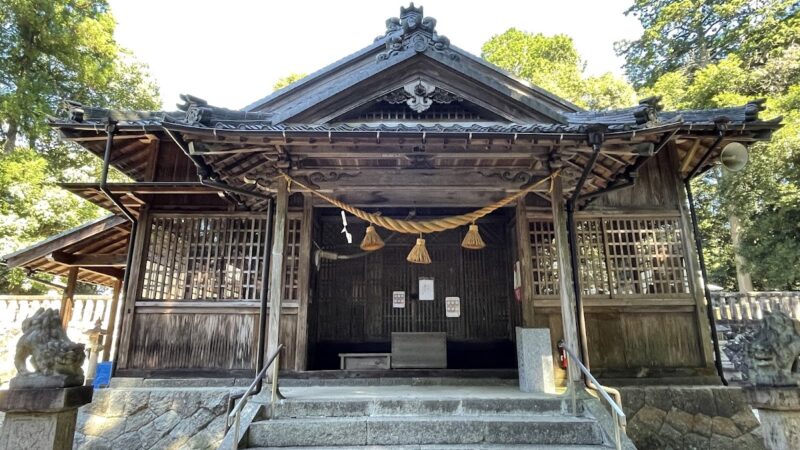
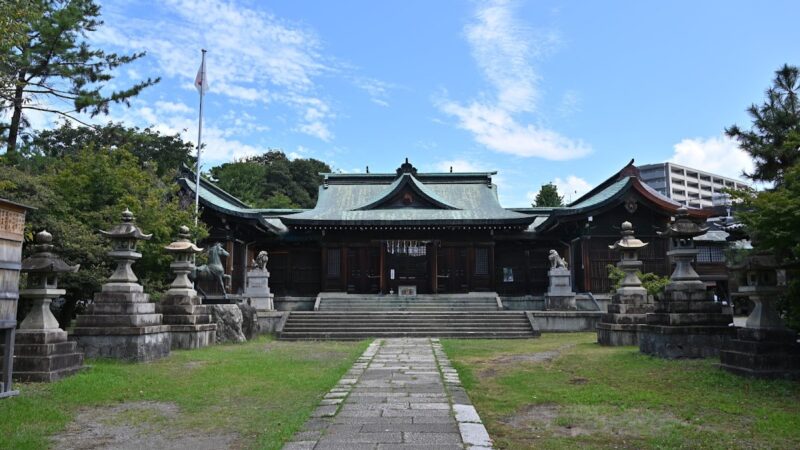
A magnificent stone torii gate stands at the entrance to Nohi Gokoku Shrine. Passing through the torii gate, a lush, green approach leads to the main shrine. Despite being located in an urban area within Ogaki Park, it maintains a tranquil atmosphere.
Main Shrine and Worship Hall
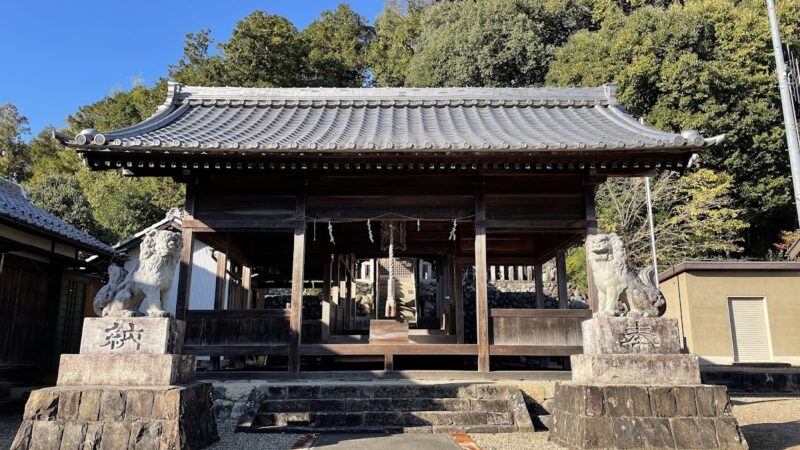
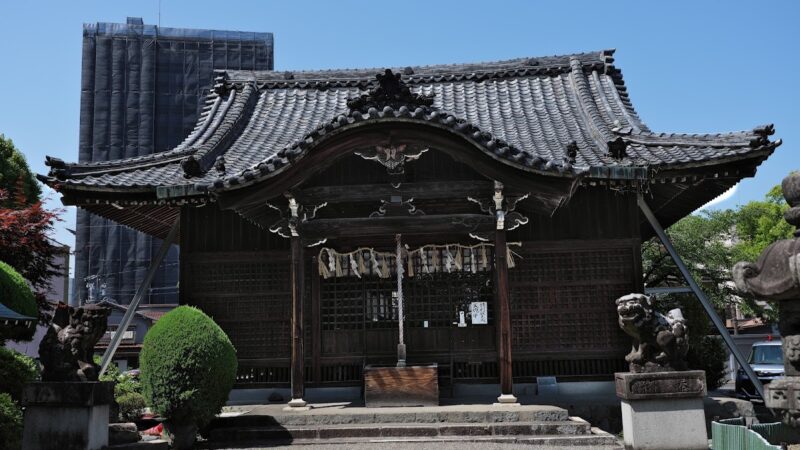
The current main shrine and worship hall were rebuilt after the war. The shrine buildings, based on the Shinmei-zukuri architectural style, exhibit a solemn presence befitting a Gokoku Shrine.
In front of the main shrine is a prayer hall where worshippers can offer prayers, expressing gratitude to the fallen soldiers and praying for peace.
Stone Monuments and Memorials on the Shrine Grounds
Several stone monuments and memorials commemorating those who died in various wars are erected on the shrine grounds. By reading the inscriptions on these monuments, one can learn about the history of the region and the memories of war.
How to Worship and Manners
Basic Worship Etiquette
Worship at Nohi Gokoku Shrine follows the same etiquette as at any other shrine:
- Bow before the Torii Gate: Before entering the shrine grounds, bow before the torii gate.
- Purify yourself at the water basin: If there is a water basin, purify your hands and mouth.
- Walking along the approach: The center of the approach is considered the path of the gods, so walk along the sides.
- Etiquette at the main hall: The basic procedure is “two bows, two claps, one bow.”
- Bow upon leaving: When leaving the shrine grounds, bow again before the torii gate.
Mindset for Worship at a Gokoku Shrine
Gokoku shrines are special shrines that enshrine the spirits of those who sacrificed their lives for the nation. When visiting the shrine, please keep the following points in mind:
- Have feelings of gratitude towards the war dead.
- Remember that the current peace is built upon many sacrifices.
- Visit quietly and with solemnity.
- Visit as a place to learn about history and pray for peace.
Recommended Visiting Times
While Nohi Gokoku Shrine is open year-round, there are particularly recommended times:
Spring (April-May): The cherry blossoms in Ogaki Park are beautiful, and the mild weather makes it ideal for visiting.
Autumn (October-November): The trees on the shrine grounds change color during the autumn foliage season.
Annual Festival Day: The annual grand festival is held in spring and autumn. Special Shinto rituals are performed during this time.
End of War Memorial Day (August 15th): A memorial service is held, attracting many visitors.
Goshuin (Shrine Seal) and Gift Information
About Goshuin
At Nohi Gokoku Shrine, you can receive a goshuin as proof of your visit.
Features of the Goshuin:
- Calligraphy of “Nohi Gokoku Shrine” in the center
- The shrine’s seal is stamped
- The date is written
Reception Hours:
- During the hours the shrine office is open (generally 9:00 AM to 4:00 PM)
- It is recommended to call ahead to confirm, as staff may be absent.
Offering Fee:
- Generally around 300 to 500 yen
Goshuincho (Shrine Seal Book)
Nohi Gokoku Shrine may offer its own original goshuincho. Please check with the shrine office during your visit regarding the design and availability.
Other Items Offered
Various items are available, including amulets and votive tablets:
- Traffic Safety Amulet
- Exorcism Amulet
- Academic Success Amulet
- Family Safety Amulet
- Votive Tablet
Please inquire at the shrine office during your visit regarding the types of items offered and the offering fees.
Access Methods
Access by Train
Using the JR Tokaido Main Line:
- Approximately 7 minutes on foot from the South Exit of JR Ogaki Station
- Head straight south from the station towards Ogaki Park
- The shrine is located on the east side of Ogaki Park
From Nagoya:
- Approximately 30 minutes on the JR Tokaido Main Line
- Also accessible via the Kintetsu Nagoya Line and Yoro Railway
From Gifu:
- Approximately 15 minutes on the JR Tokaido Main Line
Access by Car
Using the Meishin Expressway:
- Approximately 10 minutes from Ogaki IC
- Approximately 20 minutes from Sekigahara IC
Using the Tokai Loop Expressway:
- Approximately 15 minutes from Ogaki Nishi IC
Parking:
- Ogaki Park parking is available (paid)
- Coin parking is also available nearby
- It may be crowded on holidays, so please consider using public transportation.
Combinations with surrounding facilities
The following tourist spots are located near Nohi Gokoku Shrine:
Ogaki Castle:
- 1 minute walk (within the same park)
- Visit the reconstructed castle tower
Oku no Hosomichi Musubi no Chi Memorial Museum:
- Approximately 10 minute walk
- Learn about the history of Ogaki, known as a place associated with Matsuo Basho
Ogaki City Local History Museum:
- Approximately 5 minute walk
- Exhibits the history and culture of Ogaki
Suimon River Promenade:
- Approximately 5 minute walk
- Enjoy the beautiful waterside scenery
Annual Events and Festivals
Spring Grand Festival
This is an important festival held every spring (around April-May). A solemn Shinto ritual is performed to commemorate the war dead and pray for peace.
Autumn Grand Festival
An annual festival is also held in autumn (around October-November). Local parishioners and bereaved families attend to offer their gratitude to the fallen soldiers.
Memorial Service on the Anniversary of the End of the War
A special memorial service is held on August 15th, the anniversary of the end of the war. Many worshippers, including bereaved families of war dead, visit to offer prayers for peace.
Mitama Festival
The Gokoku Shrine sometimes holds the “Mitama Festival” in the summer. Lanterns are lit, and the event is held to comfort the spirits of the fallen soldiers.
Cultural Properties and Historical Materials of Nohi Gokoku Shrine
Preserved Materials
Nohi Gokoku Shrine preserves valuable materials related to war dead:
- List of War Dead: Records of the 18,917 war dead enshrined here
- Relics and Portraits: Some relics and portraits donated by bereaved families
- Letters from the Battlefield: Letters sent from the battlefield to families
- War Service Records: War service records for each campaign
These materials constitute a valuable historical legacy that conveys the war history of the region.
Memorials and Commemorative Monuments
Within the shrine grounds, memorials for each campaign and unit have been erected. These monuments bear inscriptions of the names of the war dead and the circumstances of their deaths, serving to pass on the memory of the war to future generations.
Gifu Prefecture’s Gokoku Shrine Network
Division of Roles of the Three Shrines
As mentioned above, Gifu Prefecture has three major Gokoku Shrines:
Gifu Gokoku Shrine (Gifu City):
- Enshrines the spirits of those who died in Gifu City, the Chuno region, and the Tono region.
- Enshrines approximately 37,800 spirits.
- Located in the center of Gifu City.
Nohi Gokoku Shrine (Ogaki City):
- Enshrines the spirits of those who died in the Seino region and the Hida region.
- Enshrines approximately 18,917 spirits.
- Located in the center of Ogaki City (Ogaki Castle Ruins).
Hida Gokoku Shrine (Takayama City):
- Enshrines the spirits of those who died in the Hida region.
- Located in Takayama City.
These three shrines work together to commemorate all those who died in the war throughout Gifu Prefecture.
Relationship with Other Gokoku Shrines
Nationwide, Gokoku Shrines exist in each prefecture. Nohi Gokoku Shrine also collaborates with Gokoku Shrines throughout Japan to honor war dead and pray for peace.
Visitor Feedback and Reviews
Impressions of Visiting the Shrine
Visitors who have come to Nohi Gokoku Shrine have shared the following impressions:
“Located right next to Ogaki Castle, it was a place where I could feel the history. In a quiet and solemn atmosphere, I was able to express my gratitude to the war dead.”
“I received a Goshuin (shrine stamp). I was grateful for the courteous service.”
“I visited on the anniversary of the end of the war. Many people were visiting, and I was reminded of the preciousness of peace.”
“Since it’s located within Ogaki Park, you can easily visit while strolling around. Visiting it together with Ogaki Castle is recommended.”
Regarding Photography
Photography is generally permitted on the shrine grounds, but please note the following:
- Refrain from taking photos inside the main hall.
- Be considerate of other visitors.
- Take photos quietly so as not to disrupt the solemn atmosphere.
- When posting on social media, please be mindful of appropriate considerations and comments.
Summary: Key Points for Visiting Nohi Gokoku Shrine
Nohi Gokoku Shrine is an important Gokoku Shrine (guardian shrine of the Nara) dedicated to 18,917 war dead from the Seino and Hida regions of Gifu Prefecture. Located on the historical site of Ogaki Castle, it commemorates those who died in wars from the Meiji Restoration to the Greater East Asia War.
Key Points for Visiting:
- Easy Access: A 7-minute walk from JR Ogaki Station, easily accessible by public transport.
- Combine Visits with Ogaki Castle: Can be visited together with Ogaki Castle, located in the same park.
- Goshuin (Shrine Seal): A Goshuin is available as a memento of your visit.
- Historical Learning: A place to learn about the local war history and the importance of peace.
- Peaceful Environment: Despite being in an urban area, a tranquil environment for worship is maintained.
Visiting Nohi Gokoku Shrine is a valuable opportunity to express gratitude to the war dead and offer prayers for peace. When you visit Ogaki, be sure to stop by.
The existence of Gokoku Shrines is important in preventing the memories of war from fading and in passing on the preciousness of peace to future generations. Nohi Gokoku Shrine stands quietly today as a place to learn from history and gain lessons for the future.