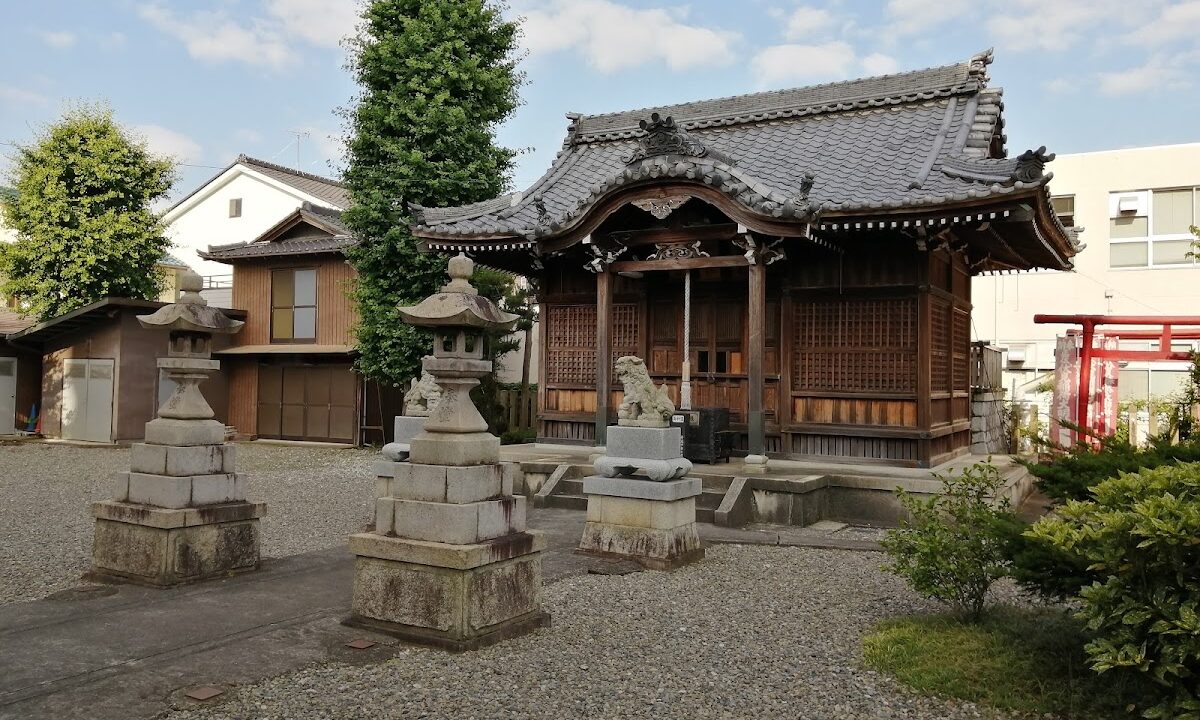
Tobisu Shrine (Ogaki City, Gifu Prefecture) Complete Guide | History, Benefits, and Access Information
Tobisu Shrine, located in Muromoto-cho, Ogaki City, Gifu Prefecture, is a shrine that has been revered by the local people since ancient times. It is a historical shrine listed in the Mino Province Shrine Register, and enshrines Sarutahiko-no-kami and Hiruko-no-kami as its main deities. This article provides a detailed introduction to Tobisu Shrine, including its history, benefits, festivals, visiting information, and access methods.
Basic Information about Tobisu Shrine
Official Name: Tobisu Shrine
Location: 3-2 Muromoto-cho, Ogaki City, Gifu Prefecture
Main Deities: Sarutahiko-no-kami, Ebisu-no-kami
Former Shrine Rank: Village Shrine
Annual Festival Date: September 15th
Nearest Station: Muro Station, Yoro Railway Yoro Line
Tobisu Shrine is located in the residential area of Muromoto-cho in Ogaki City and is cherished as the local guardian shrine. The unusual name “Tobisu” is a name that has been used in this region since ancient times, making it a valuable presence that conveys the history of the area.
History and Origins of Shisu Shrine
An Ancient Shrine Listed in the Mino Province Shrine Register
Shisu Shrine has a very long history, and is listed in the Mino Province Shrine Register as one of the 19 shrines in Anpachi District, holding the rank of “Junior Fifth Rank, Upper Grade.” This record indicates that it was already recognized as an important shrine during the Heian period.
The Mino Province Shrine Register is a document compiled during the Heian period that records shrines within Mino Province, and is a valuable historical source for understanding the status and importance of shrines at that time. The rank of Junior Fifth Rank, Upper Grade indicates that it was a shrine of considerably high status for that period.
The Invitation of Shirahige Myojin and its Relationship to Seishinji Temple
During the reign of Emperor En’yū (969-984), Eshin Sōzu, the founder of Seishinji Temple in Miyamura, Anpachi District, invited Shirahige Myojin, enshrined in the western part of Lake Biwa in Ōmi Province (present-day Shiga Prefecture), and made it the guardian deity of Seishinji Temple.
Eshin Sōzu was a high-ranking priest of the mid-Heian period and is known for his significant contributions to the development of Pure Land Buddhism. Shirahige Myojin is known as a shrine dedicated to Sarutahiko-no-kami and has been worshipped as a god of guidance and opening paths. This invitation led to Sarutahiko-no-kami being enshrined at Shisu Shrine.
Shrine Mergers in the Taisho Era
A major turning point in the history of Shisu Shrine was the shrine merger in 1913 (Taisho 2). Originally, Shisu Shrine was located in Jinguji, Muromura-cho, but it was moved to its current location in this year.
There was originally another shrine, Ebisu Shrine, at the current location. By merging with this Ebisu Shrine, Shisu Shrine made a new start as the village shrine. This merger resulted in Ebisu-no-kami being enshrined as a principal deity in addition to Sarutahiko-no-kami, forming the current form of Shisu Shrine.
From the Meiji to Taisho periods, many shrines were consolidated or merged throughout Japan due to the government’s shrine consolidation policy. Shisu Shrine also experienced a merger during this period, but it is believed that the strong feelings of the local people allowed it to retain its historical name, “Shisu Shrine.”
Principal Deity and Benefits
Sarutahiko-no-kami
Sarutahiko-no-kami is a god of guidance appearing in Japanese mythology. He is known for guiding Ninigi-no-Mikoto, the grandson of Amaterasu-Omikami, during the descent of the heavenly grandchild.
Benefits of Sarutahiko-no-Kami:
- Opening paths and good fortune
- Traffic safety
- Protection from negative influences
- Business prosperity
- Successful relationships
He is worshipped as a god who shows the way forward when you are at a crossroads in life or starting something new. He is especially popular with those starting new businesses or those facing a turning point in their lives.
Hiruko-no-Kami
Hiruko-no-Kami is a god commonly known as “Ebisu-sama.” He is widely worshipped as the god of business prosperity and maritime safety.
Benefits of Ebisu-sama:
- Business prosperity
- Abundant harvests
- Protection of fisheries
- Good fortune and happiness
- Family safety
Ebisu-sama is also known as one of the Seven Lucky Gods and has been cherished by ordinary people as a god who brings good fortune. It attracts the faith of those in business and those praying for the happiness of their families.
Significance of enshrining two gods
Shisu Shrine enshrines two gods: Sarutahiko-sama, the god of guidance, and Ebisu-sama, the god of fortune. This combination is thought to symbolize opening the path of life and bringing good fortune. It is a very reassuring shrine for those starting something new or praying for business prosperity.
Annual events and festivals of Shisu Shrine
Annual Festival (September 15th)
The most important festival of Shisu Shrine is the annual festival held on September 15th every year. Local parishioners and devotees gather for a Shinto ritual. This important event, passed down for many years, expresses gratitude for the autumn harvest and prays for the peace and prosperity of the community.
During the annual festival, Shinto rituals such as the recitation of prayers and the offering of sacred branches are solemnly performed by the Shinto priests. It is an important opportunity to preserve local traditions and pass them on to future generations.
Other Annual Events
Like many shrines, it is believed that various festivals and events are held throughout the year at Shisu Shrine. Traditional Japanese annual events such as the New Year’s Day festival, the Setsubun festival, and the summer purification ceremony support the local faith.
Shrine Grounds and Highlights
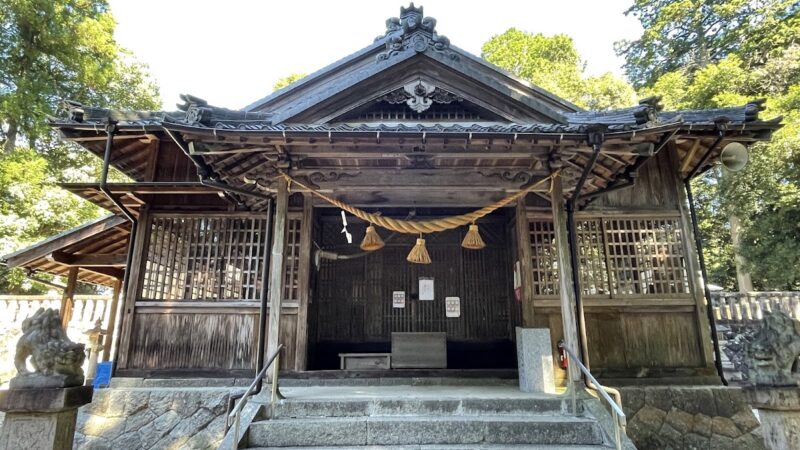
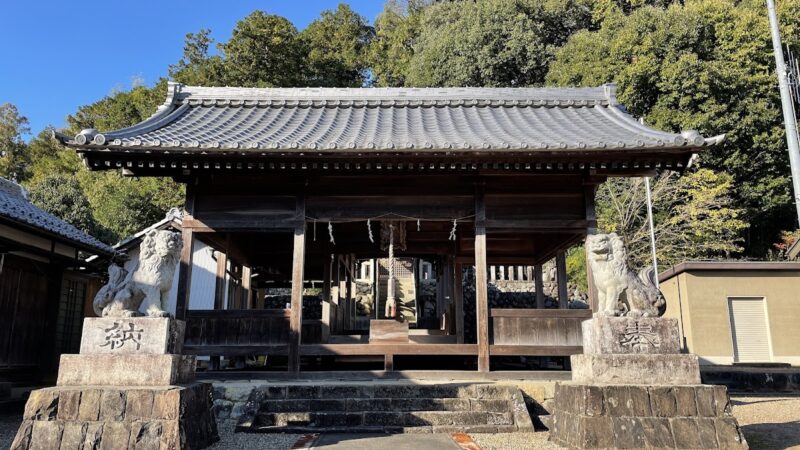
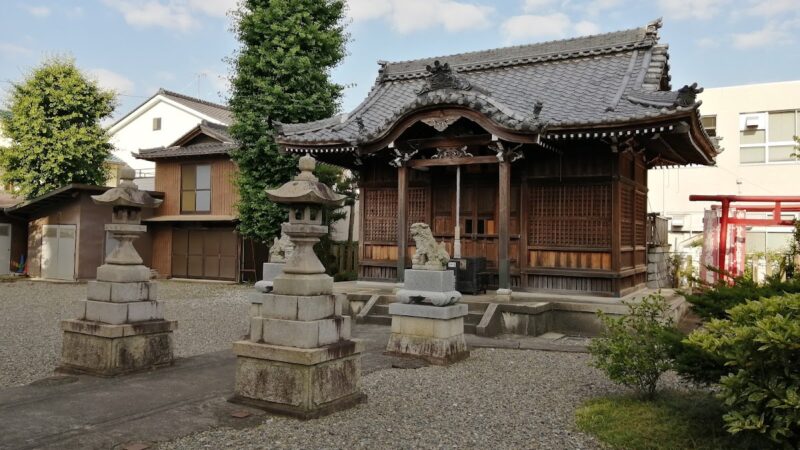
Shisu Shrine is located in a residential area of Muromoto-cho, Ogaki City. Although a small shrine, it has a long history of being carefully preserved as the local guardian deity.
The shrine grounds include a main hall and a worship hall, both of which are kept clean. Despite being located in a residential area, stepping onto the shrine grounds reveals a tranquil atmosphere, allowing for a peaceful and calming visit.
More than 100 years have passed since the shrine was relocated to its current location during the Taisho era. The trees within the grounds have grown, creating a landscape that blends seamlessly with the surrounding area.
Etiquette and Manners for Visiting a Shrine
Basic Etiquette for Visiting a Shrine
When visiting Shisu Shrine, please observe the following etiquette:
- Bow before passing through the torii gate: As a sign of respect before entering the sacred area, bow before the torii gate.
- Purify yourself at the water basin: If there is a water basin, purify your left hand, then your right hand, and then your mouth.
- Walking along the approach: The center of the approach is considered the path of the gods, so it is preferable to walk along the sides.
- Worship at the Main Hall:
- Quietly place your offering in the offering box.
- Ring the bell if there is one.
- Bow twice, clap twice, and bow once (two bows, two claps, one bow).
- Offer your gratitude and prayers with sincerity.
- When Leaving: After exiting the torii gate, turn around and bow once.
Attire for Worship
Everyday clothes are acceptable for worship, but please dress neatly. It’s best to avoid revealing or overly flashy clothing.
Photography
Photography is generally permitted on the shrine grounds, but you should refrain from taking pictures inside the main hall or during Shinto rituals. Also, please be considerate of other worshippers.
Access Information
Access by Train
Nearest Station: Muro Station, Yoro Railway Yoro Line
Distance from Station: Approximately 5-10 minutes on foot
The Yoro Railway is a local line connecting Ogaki Station to Ibi Station and Yoro Station. Muro Station is an unmanned station, but it is a convenient station for accessing residential areas in Ogaki City.
Access from Ogaki Station:
- Get off at Ogaki Station on the JR Tokaido Main Line
- Transfer to the Yoro Railway Yoro Line
- Get off at Muro Station (approximately 10 minutes from Ogaki Station)
- Arrive at Shisu Shrine in approximately 5-10 minutes on foot
Access by Car
Access from Major Roads:
- Approximately 15 minutes from Ogaki IC on the Meishin Expressway
- Approximately 20 minutes from Ogaki-Nishi IC on the Tokai-Kanjo Expressway
Parking: It is recommended to check in advance whether there is a dedicated parking lot on the shrine grounds. Since it is located in a residential area, please avoid street parking and consider using nearby coin-operated parking lots or public transportation.
Address and Map
Address: 3-2 Muromoto-cho, Ogaki City, Gifu Prefecture 503-0015
You can confirm the exact location by searching for “Shisu Shrine” or the above address on your car navigation system or smartphone map app.
Nearby Tourist Attractions
Ogaki Castle
Ogaki Castle, located about 10 minutes by car from Shisu Shrine, is a historical castle that served as the base of Ishida Mitsunari of the Western Army during the Battle of Sekigahara. Currently, a reconstructed castle tower has been built, and the interior is open to the public as a museum.
Oku no Hosomichi Musubi no Chi Memorial Museum
Ogaki City, the final destination of Matsuo Basho’s “Oku no Hosomichi” journey, is home to the Oku no Hosomichi Musubi no Chi Memorial Museum. This facility, where you can learn about Basho and “Oku no Hosomichi” (The Narrow Road to the Deep North), is recommended for literature fans.
Ogaki City Local History Museum
This local history museum allows you to learn about the history and culture of Ogaki. It also exhibits materials related to shrines and temples in Ogaki City, including the history of Shisu Shrine.
Suimon River
The area along the Suimon River, which flows through Ogaki City, is known as a famous cherry blossom viewing spot. In spring, you can enjoy the beautiful rows of cherry trees, making it perfect for a stroll.
Other Shrines in Ogaki City
When visiting Shisu Shrine, it is also recommended to visit other shrines in Ogaki City.
Ogaki Hachiman Shrine
Located in the heart of Ogaki City, Ogaki Hachiman Shrine is a historical shrine with Emperor Ojin as its main deity. It is also known as the stage for the Ogaki Festival.
Mino Kokubunji Temple Ruins
This is the site of the Mino Kokubunji Temple, built during the Nara period, and is now maintained as a historical park. It’s a place where you can feel the romance of history.
Guidelines for Visiting Shisu Shrine
A Place of Quiet Prayer
Shisu Shrine is a small shrine located in a residential area. Please understand that it is a shrine closely connected to the lives of the local people and pray quietly. Avoid speaking loudly or making noise.
Experiencing Local History
Shisu Shrine has a long history, including its history as an ancient shrine listed in the Mino Province Shrine Register and its history of shrine mergers during the Taisho era. Please visit with respect, not just as a tourist spot, but as a cultural asset that conveys the history of the region.
Regarding Goshuin (Shrine Seals)
It is recommended to check in advance whether you can receive a Goshuin at Shisu Shrine. Small shrines may not have a resident priest. If you wish to receive a Goshuin (temple/shrine stamp), please inquire with the Gifu Prefectural Shrine Association or a nearby shrine.
Gifu Prefecture’s Shrine Culture
Characteristics of Shrines in Mino Province
The Mino region of Gifu Prefecture has many ancient shrines listed in the Mino Province Shrine Register, such as Shisu Shrine. These shrines are valuable cultural heritage sites that convey the history of faith that has continued since the Heian period.
Mino Province boasts the fertile Nobi Plain and has long been a center of agriculture. Therefore, many shrines dedicated to praying for abundant harvests and shrines dedicated to water deities can be found.
History of Shinto-Buddhist Syncretism
As seen in the history of Shisu Shrine, it had a deep connection with a temple called Seishinji. This demonstrates the unique Japanese religious culture of Shinto-Buddhist syncretism. Until the Meiji-era separation of Shinto and Buddhism, shrines and temples were worshipped together, as can be seen from the histories of many shrines.
Points to Note When Visiting
Visiting Hours
While Shisu Shrine is generally open for free visits, visiting early in the morning or late at night may disturb nearby residents. It is recommended to visit during daylight hours.
Consideration for Neighbors
As the shrine is located in a residential area, please avoid street parking when visiting by car and be considerate of the residents’ daily lives.
Contact Information
For more information about Shisu Shrine, you can contact the Gifu Prefectural Shrine Association (3-8-24 Yabuta Minami, Gifu City, Gifu Prefecture). They can provide information on festival dates and detailed shrine information.
Summary
Shisu Shrine is a historical shrine located in Muromoto-cho, Ogaki City, Gifu Prefecture. As an ancient shrine listed in the Mino Province Shrine Register, it has a history of worship dating back to the Heian period and enshrines two deities: Sarutahiko-no-kami and Hiruko-no-kami.
Having taken its current form through the consolidation of shrines during the Taisho era, Shisu Shrine has been carefully preserved as the local guardian shrine. Many people visit seeking the blessings of Sarutahiko-no-kami, the god of opening paths, and Ebisu-no-kami, the god of good fortune.
Conveniently located within walking distance of Muro Station on the Yoro Railway Yoro Line, it’s easily accessible and a good stop during sightseeing in Ogaki. This quiet shrine, nestled in a residential area, offers a peaceful and tranquil place for worship.
If you’re starting something new, praying for business prosperity, or feeling lost in life, why not visit Shisu Shrine? You’re sure to find peace of mind in the serene atmosphere of this shrine with its long history.
When you visit Ogaki City, Gifu Prefecture, please be sure to pay your respects at the historic Shisu Shrine.