Complete Guide to Mikubi Shrine (Ogaki City, Gifu Prefecture) | History, Access, and Goshuin Information for a Rare Shrine Offering Wishes for the Head and Neck
Mikubi Shrine, located in Ogaki City, Gifu Prefecture, is a rare shrine nationwide known for its blessings specifically for wishes related to the “head and neck.” It attracts many worshippers from both the local area and far away, addressing modern concerns such as passing exams, healing from head and neck illnesses, and preventing dementia.
This article comprehensively introduces information you should know before visiting Mikubi Shrine, including its historical background, relationship with Taira no Masakado, specific blessings, worship methods, access information, and goshuin (shrine stamps).
What is Mikubi Shrine? Basic Information and Overview
Mikubi Shrine is a shrine located in Arao-cho, Ogaki City, Gifu Prefecture. Its official name is “Mikubi Shrine.” It is affectionately known locally as “Okubi-san” or “Kubizuka-san.”
Basic Data
- Location: 1283-1 Arao-cho, Ogaki City, Gifu Prefecture
- Deity Enshrined: Taira no Masakado
- Founded: Believed to be around 940 AD
- Shrine Rank: Village Shrine
- Main Benefits: Healing of illnesses above the neck, academic success, passing exams, dementia prevention, headache relief, health of eyes, ears, nose, and throat
- Annual Festival: April 19th
The shrine grounds are not particularly large, but they are enveloped in a tranquil atmosphere, providing visitors with peace and tranquility.
The Deep Connection Between Taira no Masakado and Mikubi Shrine
An essential aspect of discussing Mikubi Shrine is its connection to Taira no Masakado, a military commander of the Heian period.
The Rebellion of Taira no Masakado and the Legend of His Head
Taira no Masakado was a military commander in the mid-Heian period, known for leading a rebellion in the Kanto region. In 940 AD, Masakado was killed by Fujiwara no Hidesato and others, and his head was to be displayed in Kyoto.
However, according to legend, Masakado’s head flew away from Kyoto and headed towards his homeland in Kanto. It is said that it landed in what is now Arao, Ogaki City.
Why Did the Head Land in Ogaki?
There are several theories, but the following are some of the reasons why Masakado’s head landed in Ogaki:
- Geographical Factors: As a stopover point on the way from Kyoto to Kanto
- Spiritual Reasons: There was some kind of spiritual connection to this area
- Relationship with Local Powerful Clan: There may have been a connection between Masakado and the local powers at the time
The local people respectfully buried the fallen head and built a shrine to enshrine it, which is said to be the origin of the Mikubi Shrine.
Multiple Masakado’s Head Mounds Exist Nationwide
In fact, there are multiple locations throughout Japan that are said to be the head mounds or sites associated with the head of Taira no Masakado:
- Otemachi, Chiyoda-ku, Tokyo: The most famous Masakado’s head mound
- Kanda Myojin Shrine (Tokyo): Dedicated to Masakado
- Bando City, Ibaraki Prefecture: Masakado’s base
- Ogaki City, Gifu Prefecture: Mikubi Shrine
Each region has its own unique traditions, demonstrating the widespread faith in Masakado.
The Benefits of Mikubi Shrine | Why “From the Neck Up”?
The most distinctive feature of Mikubi Shrine is its focus on granting wishes related to “from the neck up.”
List of Main Benefits
- Academic Success/Passing Exams: Improves mental function
- Job Success: Creates a good impression in interviews and improves judgment
- Headache Relief: Freedom from chronic headaches
- Healing of Eye, Ear, Nose, and Throat Illnesses: Health of all organs from the neck up
- Dementia Prevention: Maintains brain health
- Mental Stability: Peace of mind
- Beauty: Improves facial beauty
- Tooth Decay Prevention: Improves dental health
Reasons for Popularity Among Students
Especially during exam season, many students and their parents visit the shrine. Many people visit the shrine with the following wishes in mind, based on the association of “the head and neck” with “the function of the brain”:
- Improved memory
- Enhanced concentration
- Calm judgment on the day of the exam
- Making a good impression in interviews
In fact, there are many reports of people passing their desired school’s entrance exam after praying at Mikubi Shrine.
Modern Benefits | Dementia Prevention and Headache Relief
In recent years, visits to pray for dementia prevention and relief from chronic headaches have attracted particular attention. With the aging society and the growing concern for brain health, the benefits of Mikubi Shrine are being re-evaluated.
Apart from medical treatment, more people are offering prayers at the shrine for emotional support, and many visitors pray for the health of their families.
Highlights and Pilgrimage Spots within the Shrine Grounds
Although the grounds of Mikubi Shrine are small, they are packed with points of interest.
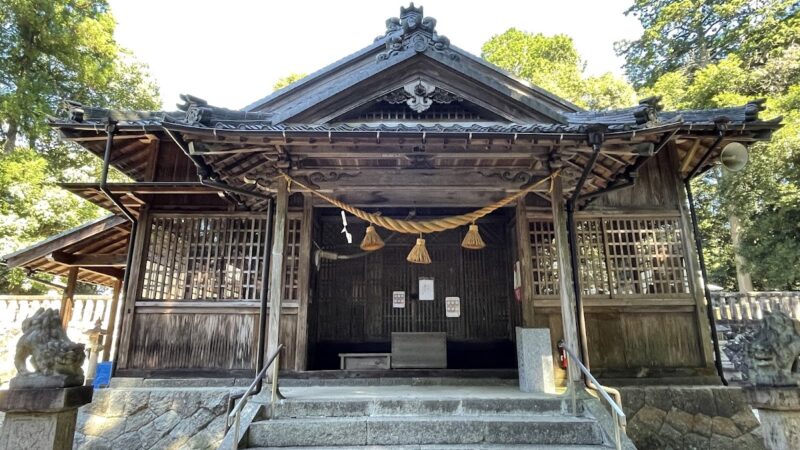
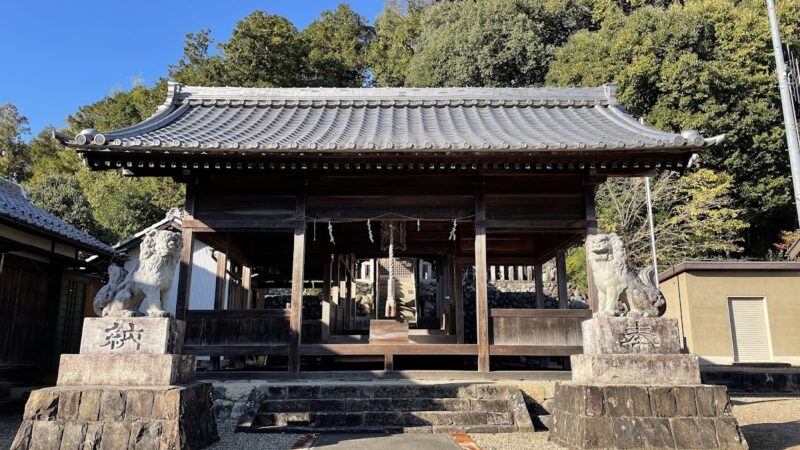
Main Hall and Worship Hall
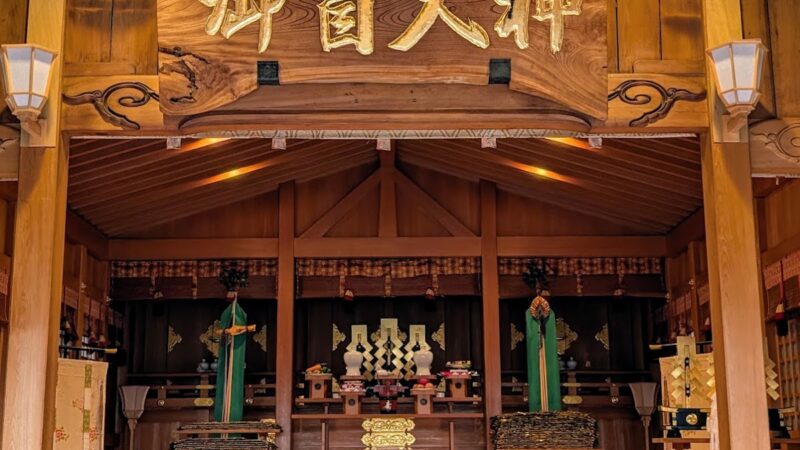
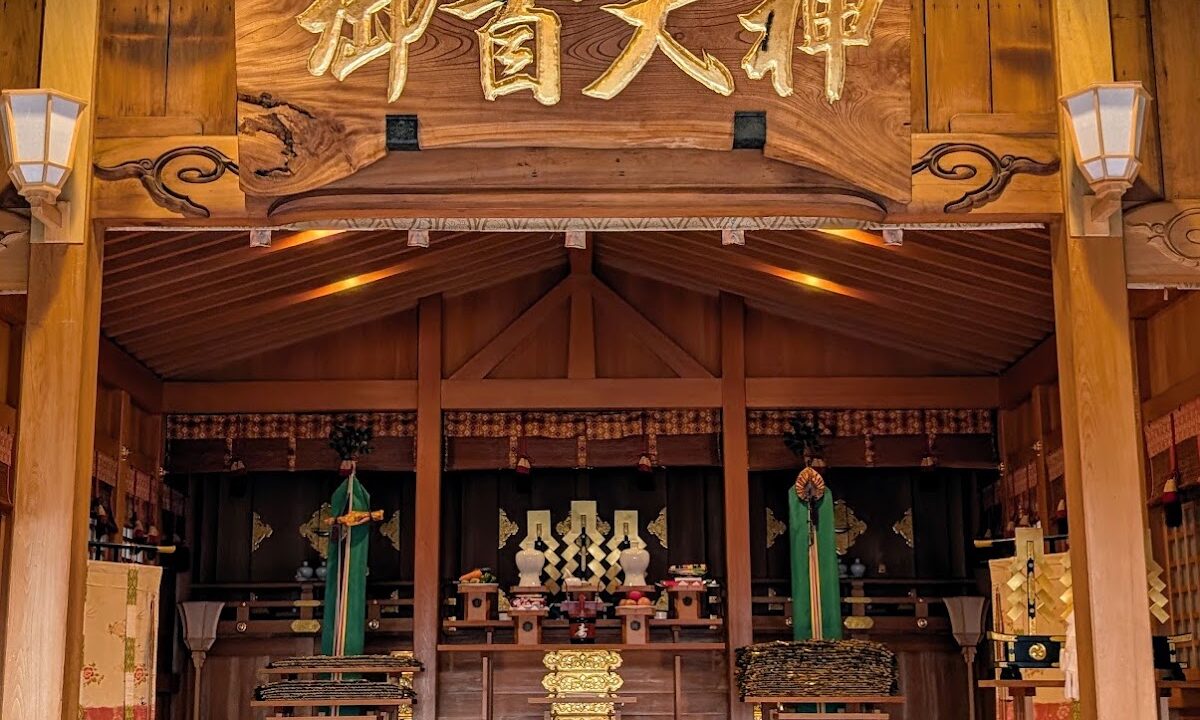
The main hall, while simple, has a solemn atmosphere and enshrines Taira no Masakado. When praying at the main hall, it is considered good practice to specifically state your wish in your mind.
Head Mound
Within the shrine grounds is a mound said to be the burial site of Masakado’s head. This mound is considered the origin of the shrine and the most sacred place. Pray with a particularly reverent heart in front of the mound.
Ema and Offerings
Numerous ema (votive tablets) are offered on the shrine grounds, with prayers for success in exams and recovery from illness. The ema bear heartfelt wishes such as “Pass the entrance exam for XX University” and “May my headaches be cured,” conveying the sincerity of the worshippers.
Atmosphere of the Shrine Grounds
While there are no flashy decorations, the well-maintained and clean grounds provide a sense of calm to visitors. The quiet environment surrounded by ancient trees is a healing space that allows you to forget the hustle and bustle of the city.
How to Worship and Manners
Here’s how to properly worship at Mikubi Shrine.
Basic Worship Procedure
- Bow before passing through the torii gate: This is a courtesy when entering the sacred area.
- Purify yourself at the water basin: Purify your left hand, then your right hand, then your mouth.
- Proceed to the main hall: The center of the path is the path for the gods, so walk along the sides.
- Offer a donation: There is no set amount, but a 5-yen coin (representing good fortune) is preferred.
- Two bows, two claps, one bow: Follow the general etiquette of a Shinto shrine.
- State your wish silently: Be specific, and don’t forget to express gratitude.
Points specific to worship at Mikubi Shrine
When making a wish about something related to your head or neck, keep the following points in mind:
- Wish specifically: Don’t just say “I will pass the exam,” but be specific, such as “I will be accepted into XX University.”
- Express gratitude: In addition to making a wish, express gratitude for your daily health.
- Continuous worship: If possible, visit regularly to report and express gratitude.
Attire for Visiting the Shrine
There are no specific dress code requirements, but it is desirable to wear modest attire that reflects the sacred nature of the place. If you wish to make a formal visit, such as for praying for success in exams, it is recommended to contact the shrine in advance.
Goshuin Information | A Memorable Proof of Your Visit
You can receive a goshuin (shrine stamp) at Mikubi Shrine.
Features of the Goshuin
The goshuin at Mikubi Shrine features the calligraphy and red seal of “Mikubi Shrine.” It is characterized by a simple yet powerful calligraphy style, and many people receive it as a memento of their visit.
How to Obtain a Goshuin (Shrine Stamp)
- Reception Location: Shrine Office (Please check in advance as staff may be absent)
- Offering Fee: Usually around 300-500 yen
- Reception Hours: During daytime visiting hours
About Goshuincho (Shrine Stamp Books)
The availability of original Goshuincho at Mikubi Shrine varies depending on the season. It is recommended to check before visiting. You can also bring your own Goshuincho.
Manners When Obtaining a Goshuin
- Always pray first: The Goshuin is proof of your visit, so please pray first.
- Open and hand over your Goshuincho: Open to the page where you want the stamp written and hand it over.
- Express gratitude: Say “Thank you.”
- Prepare the exact amount: Please prepare the exact amount to avoid needing change.
Access | How to Get There by Car and Public Transportation
Detailed information on how to access Mikubi Shrine is provided below.
Access by Car
Using the Meishin Expressway:
- Approximately 15 minutes from Ogaki IC
- Approximately 20 minutes from Sekigahara IC
Travel Time from Major Cities:
- From Nagoya City: Approximately 1 hour
- From Gifu City: Approximately 30 minutes
- From Maibara area: Approximately 30 minutes
Car Navigation Settings:
- Address: 1283-1 Arao-cho, Ogaki City, Gifu Prefecture
- Searching by phone number is also possible (prior research recommended)
Parking Information
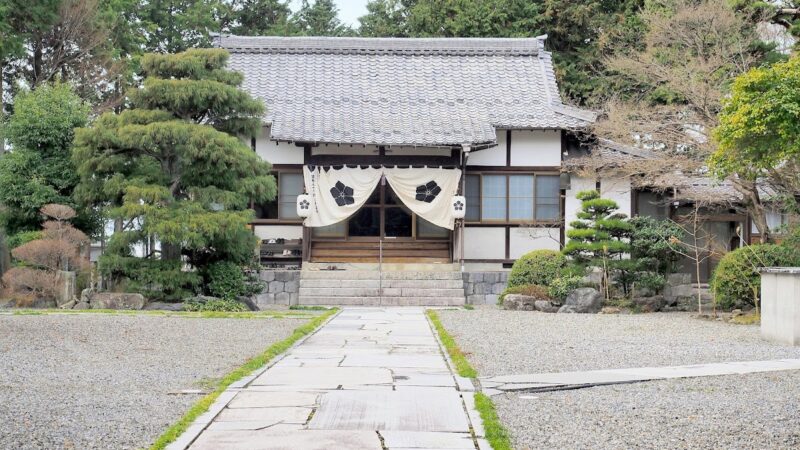
There is parking space for visitors on the temple grounds. However, the number of spaces is limited, so caution is advised, especially during busy periods such as New Year’s Day and festivals.
- Parking Capacity: Approximately 5-10 cars
- Fee: Free
- Note: Located along a narrow road, so please drive carefully.
Access by Public Transportation
Using JR:
- Get off at JR Tokaido Main Line “Ogaki Station”
- Approximately 15 minutes by taxi from the station
- Alternatively, bus travel is also possible (varies depending on the route)
Using Yoro Railway:
- Considering the distance from the nearest station, access from Ogaki Station is convenient.
Taxi Fare Estimate
If you take a taxi from Ogaki Station, the estimated fare is approximately 2,000-3,000 yen one way. Since you will need to call a taxi for your return trip, it’s a good idea to have the taxi company’s contact information handy.
Access by Foot or Bicycle
Walking from Ogaki Station takes approximately 40-50 minutes. This is a good option for those with strong legs or those combining it with cycling, but don’t forget to take precautions against heatstroke during the summer.
Best Time to Visit and Crowd Information
Here’s the best time to visit Mikubi Shrine.
Visiting Throughout the Year
Mikubi Shrine is open for worship throughout the year, but the atmosphere and crowd levels vary depending on the time of year.
Spring (March-May):
- Many visitors come to report success after the exam season.
- The annual festival on April 19th is particularly lively.
- The weather is pleasant, making it ideal for visiting.
Summer (June-August):
- Relatively less crowded.
- A season of beautiful greenery.
- Need to take precautions against the heat.
Autumn (September-November):
- A time when the autumn leaves are beautiful.
- The weather is pleasant, making it easy to visit.
- The number of visitors praying before the exam season begins to increase.
Winter (December-February):
- Crowded due to New Year’s visits and the exam season.
- January and February are particularly busy with students taking exams.
- Need to take precautions against the cold.
Tips for Avoiding Crowds
- Weekday Mornings: The least crowded time.
- Avoid the Annual Festival: If you want to visit quietly, avoid April 19th.
- Avoid the Exam Season: January and February are crowded, so it’s recommended to visit early.
Places to Visit Alongside Nearby Tourist Attractions
Here are some tourist spots around Ogaki City that you should visit in conjunction with your visit to Mikubi Shrine.
Ogaki Castle
This historical castle served as a base for the Western Army during the Battle of Sekigahara. Located about 15 minutes by car from Mikubi Shrine, it’s a recommended spot for history buffs.
Suimon River and Four Seasons Path
Ogaki City is known as the “City of Water,” and the walking path along the Suimon River, which flows through the city, offers beautiful scenery throughout the seasons. Cherry blossoms are beautiful in spring, and the fresh greenery is stunning in summer.
Oku no Hosomichi Musubi no Chi Memorial Museum
Ogaki is known as the place where Matsuo Basho ended his journey on “Oku no Hosomichi” (The Narrow Road to the Deep North). At the memorial museum, you can trace Basho’s footsteps.
Local Specialties of Ogaki City
After visiting the shrine, please enjoy Ogaki’s local specialties:
- Mizu Manju: A summer specialty made with Ogaki’s famous spring water
- Masu Kobo: Ogaki is famous as a production center for masu (wooden measuring cups)
- Ogaki Senbei: A local specialty confectionary loved by the community
Annual Events at Mikubi Shrine
Here are the main annual events held at Mikubi Shrine.
Annual Festival (April 19th)
This is the most important festival of the year. Held close to the anniversary of Taira no Masakado’s death, it is bustling with many worshippers. Shinto rituals are performed, and people from the community gather.
New Year’s Visit (January 1st-3rd)
This is a busy time for worshippers praying for good health in the new year, especially for the health of their heads and necks. Many students preparing for exams also visit during this time.
Other Events
Due to the size of the shrine, there are few large-scale festivals, but it is a shrine that is carefully preserved by the local community. If you contact the shrine before your visit, they may be able to inform you of any special events.
Points to Note and Requests When Visiting Mikubi Shrine
Here are some points to note when visiting the shrine.
Precautions When Visiting
- Be Quiet: As the shrine is close to a residential area, please refrain from speaking loudly.
- Photography: Please refrain from taking photos inside the main hall. Photography within the shrine grounds is permitted within reasonable limits.
- Take Your Trash Home: To keep the shrine grounds clean, please be sure to take your trash home with you.
- Caution Regarding Private Property: The surrounding area is a residential area, so please be careful not to trespass on private property.
- Parking Manners: Street parking is strictly prohibited. Please always use the designated parking area.
What to Do When the Shrine Office is Absent
Mikubi Shrine may not always have a resident priest. If you wish to obtain a Goshuin (shrine stamp) or amulet, it is recommended to check the visiting hours in advance.
How to Inquire
If you have any questions before visiting, you may be able to obtain information by contacting the Ogaki City Tourism Association or the relevant shrine association.
Reviews and Visitor Testimonials for Mikubi Shrine
Here are some testimonials from people who have actually visited Mikubi Shrine.
Reports of Passing Exams
Many people report, “I visited the shrine before my exams and successfully passed my first-choice school. After passing, I visited again to express my gratitude.”
Reports of Headache Relief
One testimonial states, “My chronic headaches, which I had suffered from for many years, seem to have lessened after visiting the shrine. I continue to visit as a source of emotional support while also receiving medical treatment.”
Quiet and Peaceful Atmosphere
Many people comment, “Although it’s small, it’s a very quiet and peaceful shrine. I was able to forget the hustle and bustle of the city and calm my mind.”
Opinions on Access
Some people say, “It’s a little inconvenient without a car, but that’s what allows it to maintain a quiet and pleasant atmosphere.”
Summary | Mikubi Shrine: A Rare Shrine Specializing in Wishes for the Head and Neck
Mikubi Shrine in Ogaki City, Gifu Prefecture, is a rare shrine nationwide that specializes in wishes related to the head and neck. Originating from the legend of Taira no Masakado’s burial mound, it is known for its blessings that address modern concerns such as passing exams, academic success, headache relief, and dementia prevention.
Although small, the meticulously maintained grounds offer visitors a tranquil experience. It is a shrine worth visiting for those preparing for exams, those concerned about their head and neck health, or those interested in the history of Taira no Masakado.
When visiting Ogaki City, be sure to stop by Mikubi Shrine and offer your prayers with a heartfelt prayer. It is sure to be an experience that will bring you emotional support.
When visiting, please refer to the access methods, etiquette, and surrounding sightseeing information introduced in this article to enjoy a fulfilling visit.