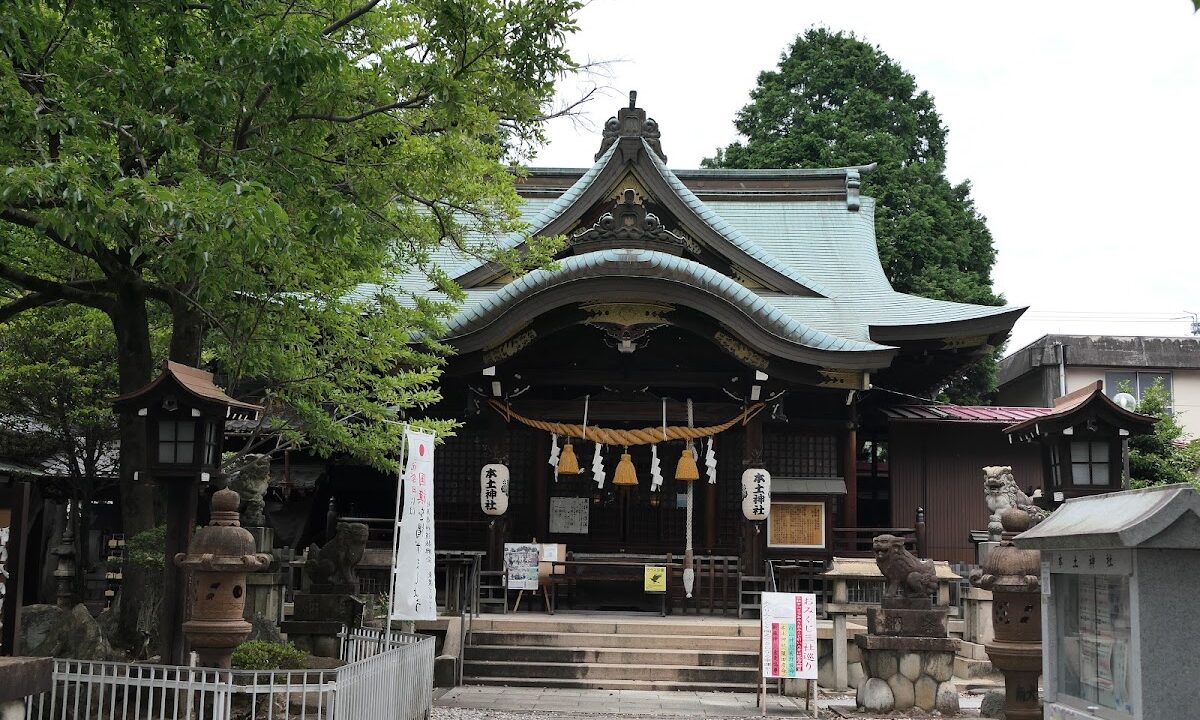
Hondo Shrine (Tajimi City, Gifu Prefecture) Complete Guide | History, Goshuin (Shrine Seal), and Access Information
Hondo Shrine, located in Oda-cho, Tajimi City, Gifu Prefecture, is a historically significant shrine deeply revered by the local community. Known as one of the three Kinpei Shrines of Tajimi City (Hondo Shrine, Shinra Shrine, and Hakusan Shrine), its history dating back to the Edo period and beautiful grounds captivate visitors. This article provides a detailed introduction to Hondo Shrine, including its history, goshuin (shrine seal), highlights of the grounds, and access information.
About Hondo Shrine
Hondo Shrine is a historical shrine located in Oda-cho, Tajimi City, Gifu Prefecture. It holds the rank of Kinpei-sha (a shrine of the highest rank) and is cherished as an important center of faith in the region.
Main Deity and Enshrined Deities
The main deity of Hondo Shrine is Niwatsuhi-no-mikoto. This deity is known as the god of fire and holds special significance in Tajimi, a region with a thriving ceramics industry. Because fire is essential for pottery, the deity has been deeply revered as a god closely connected to the local industry.
Other deities are also enshrined as subordinate deities, making it a shrine known for bestowing diverse divine blessings.
Positioning as one of the Three Kinpei Shrines
Tajimi City has three important shrines known as the “Three Kinpei Shrines.” Hondo Shrine is one of them, and along with Shinra Shrine and Hakusan Shrine, it forms the core of local faith. There is a custom called “Omikuji Sansha Meguri” (visiting the three shrines with fortune slips), and many worshippers visit all three shrines to receive blessings.
History of Hondo Shrine
Hondo Shrine has a long history, developing alongside the region’s progress.
Founding and History
There are various theories regarding the founding of Hondo Shrine, but it is believed to have been worshipped by samurai and feudal lords who established their residences in the area. The Tajimi area has been inhabited since ancient times, and at one point it was under the rule of samurai families, including the Toki clan. It is believed that a shrine has existed there since that period.
Development during the Edo Period
During the Edo period, Hondo Shrine further developed as a center of faith for the local residents. Existing ridgepole inscriptions (munafuda) contain records from the Edo period, confirming that the shrine buildings were repaired and renovated during this time. These inscriptions are carefully preserved as valuable cultural assets that convey the history of shrine architecture.
Throughout the Edo period, the local people deeply revered Hondo Shrine, using it as a place for festivals and prayers. As the ceramics industry developed, it is believed that faith in Niwatsuhi-no-Mikoto, the god of fire, also deepened.
Development in the Modern Era
Following the reforms of the shrine system during the Meiji era, Hondo Shrine was designated a Kinpei-sha (a shrine receiving a gold offering). It was officially recognized as an important shrine in the region and continues to welcome many worshippers to this day.
Even after the war, the reverence of local residents remained unchanged, and the maintenance of the shrine grounds and the continuation of festivals have continued. Even today, it is bustling with people visiting for important life events such as New Year’s prayers, Shichi-Go-San (a traditional rite of passage for children), and exorcisms.
Highlights of the Shrine Grounds and Cultural Properties
The grounds of Hondo Shrine offer many points of interest that captivate visitors.
Torii Gate and Approach
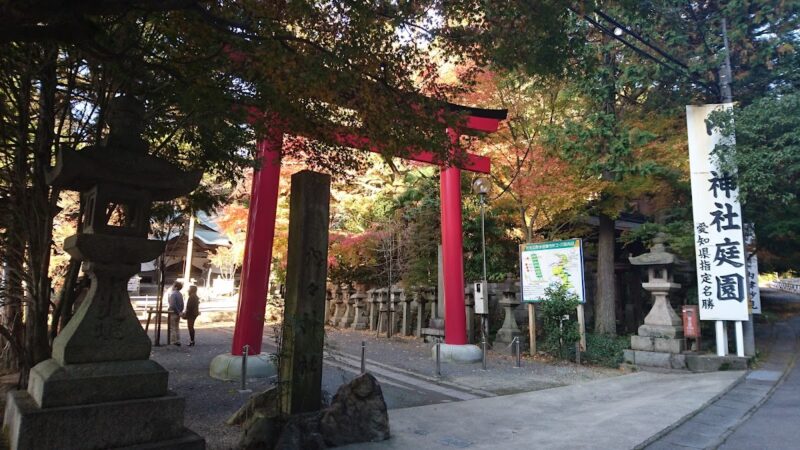
A magnificent torii gate stands at the entrance to the shrine, welcoming visitors. Passing through the gate, a quiet approach unfolds, enveloping you in a sacred atmosphere that makes you forget the hustle and bustle of the city. Trees line both sides of the approach, allowing you to experience the changing seasons.
In spring, the fresh greenery; in summer, the deep green; in autumn, the vibrant foliage; and in winter, the tranquil beauty—the approach reveals different expressions with each season, offering new discoveries with every visit.
Shrine Building
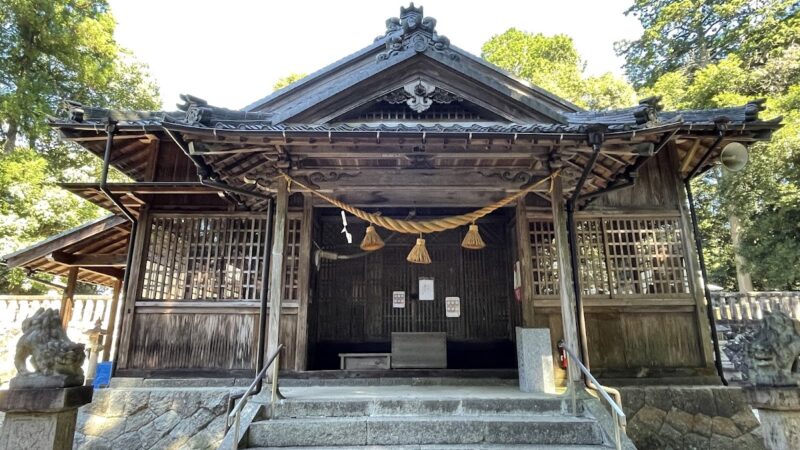
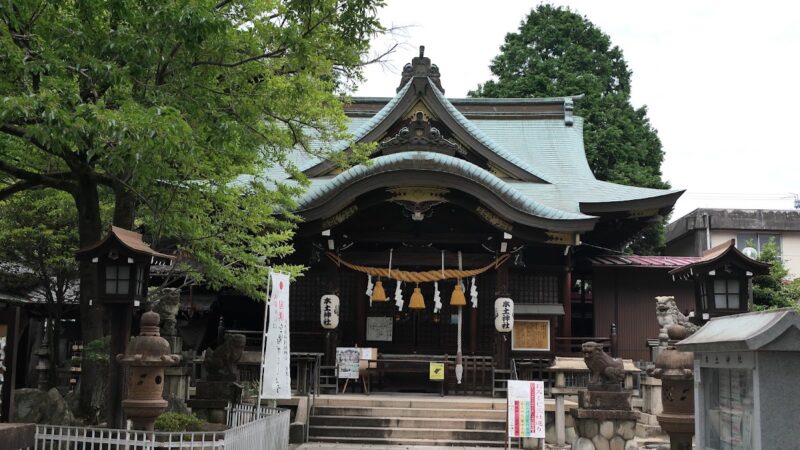
The main shrine building is built in the traditional style of shrine architecture and is meticulously maintained. The existence of a ridge beam inscription from the Edo period demonstrates that the shrine has been carefully preserved and restored numerous times throughout its long history.
In the worship hall, visitors can offer prayers and find peace of mind in a solemn atmosphere.
Shrine Precincts and Stone Monuments
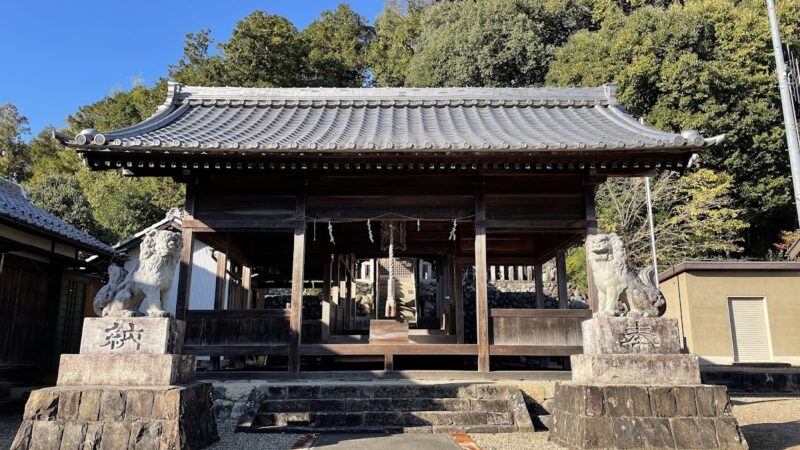
Around the main shrine are numerous shrine precincts, monuments, and stone monuments, telling the story of the shrine’s history and its connection to the local community. Exploring each of these cultural artifacts allows you to experience the profound history of Hondo Shrine.
Goshuin (Shrine Seals) and Goshuincho (Shrine Seal Books)
Hondo Shrine offers goshuin (shrine seals). These seals are popular among many visitors as proof of their visit and are cherished as mementos of their visit.
Characteristics of the Goshuin
The goshuin of Hondo Shrine features the shrine’s name and date of visit carefully written in ink, followed by a red seal. The simple yet powerful calligraphy reflects its status as one of the three Kinpei shrines of Tajimi City.
About Goshuincho (Stamp Books)
Some shrines offer their own original goshuincho. It’s recommended to check with the shrine office during your visit for details.
Omikuji Three-Shrine Pilgrimage
Hondo Shrine offers an “Omikuji Three-Shrine Pilgrimage.” Visiting the three shrines (Hondo Shrine, Shinra Shrine, and Hakusan Shrine) and drawing a fortune slip at each is believed to bring deeper blessings. This pilgrimage to the three shrines is a popular and unique experience in Tajimi City.
Items Offered
In addition to goshuin (stamps), Hondo Shrine offers a variety of items.
Amulets
Various amulets are available, catering to various wishes such as family safety, traffic safety, academic success, and business prosperity. As a shrine dedicated to the god of fire, fire-prevention amulets are considered particularly meaningful.
Ema (Votive Tablets)
Ema, on which you can write your wishes and dedicate them, are also available. Ema (votive tablets) bearing the wishes of worshippers hang throughout the shrine grounds, making it a place where many people’s prayers gather.
Access Information
Here’s how to access Hondo Shrine.
Access by Train
Nearest Station: JR Chuo Main Line, Tajimi Station
Hondo Shrine is approximately a 15-20 minute walk from Tajimi Station. Head north from the station, and you’ll arrive at the shrine after passing through the city center. Walking is recommended as you can enjoy the scenery of Tajimi while visiting the shrine.
If using the bus, take a local bus from Tajimi Station, get off at the nearest bus stop, and it’s a few minutes’ walk from there.
Access by Car
Approximately 10 minutes from Chuo Expressway, Tajimi IC
After exiting the Tajimi IC, head towards the city center, and you’ll arrive at Hondo Shrine. Entering “Hondo Shrine” or the address “Oda-cho, Tajimi City, Gifu Prefecture” into your car navigation system is convenient.
Parking
The shrine has a parking lot for visitors. However, spaces are limited, so please consider using public transportation during busy periods such as New Year’s Day.
Address
507-0033 Oda-cho, Tajimi City, Gifu Prefecture
Nearby Tourist Attractions
When visiting Hondo Shrine, we recommend also visiting nearby tourist attractions.
Eihoji Temple
Eihoji Temple, a representative temple of Tajimi City, is located close to Hondo Shrine. This ancient Rinzai Zen temple boasts a National Treasure Kannon Hall and Founder’s Hall, and its beautiful garden is also a highlight. Because it’s within walking distance, it’s a popular spot for tourists to visit in conjunction with their shrine visit.
Shinra Shrine and Hakusan Shrine
The remaining two of the three Kinpei shrines, Shinra Shrine and Hakusan Shrine, are also located within Tajimi City. If you’re doing the Omikuji (fortune-telling) pilgrimage to the three shrines, be sure to visit these shrines as well. Each shrine has a different enshrined deity and history, offering a deep understanding of Tajimi’s religious culture.
Tajimi City Mino Ware Museum
Tajimi City is famous as a production center for Mino ware pottery. The Mino Ware Museum exhibits the history and works of local ceramics, and you can also feel its connection to Hondo Shrine, which enshrines the god of fire.
Manners and Points for Visiting a Shrine
Please observe basic manners when visiting a shrine and pray with sincerity.
Proper Way to Visit a Shrine
- Bow before passing through the torii gate
- Walk away from the center of the approach to the shrine
- Cleanse your hands and mouth at the water basin
- Bow twice, clap twice, and bow once in front of the main hall
Photography
Photography is generally permitted on the shrine grounds, but please be considerate of other visitors. There are areas where photography is prohibited, such as inside the shrine buildings, so please check the notices.
Recommended Time to Visit
While Hondo Shrine can be visited throughout the year, the following times are particularly recommended:
- New Year’s Visit (January 1st-3rd): Many visitors come to pray for the New Year.
- Spring (March-May): The fresh greenery is beautiful, and visitors can pray in a refreshing atmosphere.
- Autumn (October-November): During the autumn foliage season, the shrine grounds are colored, offering a picturesque view.
Benefits of Hondo Shrine
At Hondo Shrine, the divine virtues of the main deity, Niwatsuhi-no-Mikoto, are believed to provide the following benefits:
Protection from Fire
As a shrine dedicated to the god of fire, it is believed to offer protection from fire, safeguarding homes and property.
Industrial Prosperity
It has been revered as a place to pray for the development of industries that use fire, including the ceramics industry.
Family Safety and Business Prosperity
As a guardian deity of the community, many worshippers visit to pray for family safety and business prosperity.
Protection from Evil and Good Fortune
The shrine is popular with people visiting at important life milestones to ward off evil and pray for good fortune.
Annual Events and Festivals
Hondo Shrine holds various festivals and events throughout the year.
Annual Grand Festival
The annual grand festival is the most important festival for the shrine. Local residents gather, and the shrine is filled with a lively atmosphere as portable shrines are carried and offerings are made.
New Year’s Visit
Many worshippers visit the shrine for their first visit of the new year. The shrine grounds are bustling with people praying for safety and prosperity throughout the year.
Shichi-Go-San and Protection from Evil
Many Shichi-Go-San celebrations for children’s growth and prayers for protection from evil during unlucky years are also held here.
Nearby Shrines and Temples
There are other shrines and temples worth visiting around Hondo Shrine.
Eihoji Temple (approx. 1km)
As mentioned above, this is a famous temple with a national treasure and a classic Tajimi sightseeing spot.
Shinra Shrine
One of the three Kinpei shrines, many people visit this shrine along with Hondo Shrine.
Hakusan Shrine
Also one of the three Kinpei shrines, many visitors come here as the final stop on their pilgrimage to the three shrines.
How to Enjoy Visiting Hondo Shrine
When visiting Hondo Shrine, you can enjoy the following:
Historical Exploration
As a shrine with a history dating back to the Edo period, you can reflect on the history of the area while viewing the cultural assets and ridgepole inscriptions on the shrine grounds.
Collecting Goshuin (Shrine Seals)
For those who collect Goshuin, Hondo Shrine is an essential spot as one of the three Kinpei shrines in Tajimi City. Collecting Goshuin while visiting the three shrines is one of the pleasures of the trip. ### Spending a Quiet Time
Escape the hustle and bustle of the city and spend a peaceful time in the tranquil grounds. Walk along the approach to the shrine, feel the nature, and refresh your mind and body.
Photography
The beautiful scenery and historical buildings within the shrine grounds are popular photography spots. You can capture the scenery of each season.
About Tajimi City
Tajimi City, where Hondo Shrine is located, is a city in southern Gifu Prefecture known as a production center for Mino ware.
The Home of Mino Ware
Tajimi City is the center of Mino ware, which has a history of over 1300 years, and is one of Japan’s largest ceramic production areas. Hondo Shrine, which enshrines the god of fire, has deep ties to this industry.
Easy Access
It is easily accessible from major cities, approximately 40 minutes from Nagoya and 30 minutes from Gifu on the JR Chuo Main Line. It is also an ideal location for day trips.
Tourist Resources
Tajimi is a tourist city with many attractions, including temples and shrines such as Eihoji Temple, the Mino Ware Museum, and pottery shops.
Visitor Voices and Recommended Posts
Visitors who have come to Hondo Shrine have shared the following comments:
- “A quiet and peaceful shrine. I felt like my soul was cleansed.”
- “Visited as part of a pilgrimage to the three Kinpei shrines. Each shrine had its own unique character, which was interesting.”
- “I was impressed by the careful writing of the goshuin (shrine stamp).”
- “It’s within walking distance from Tajimi Station, so I was able to visit while strolling around.”
- “The trees on the shrine grounds are beautiful, making it a place I want to visit in every season.”
These posts show that Hondo Shrine is loved by many visitors.
Summary
Hondo Shrine, located in Tajimi City, Gifu Prefecture, is a shrine deeply rooted in the community, with a history dating back to the Edo period and reverence for the fire god, Niwatsuhi-no-Mikoto. As one of the three major shrines associated with the Kinpei (golden offering), Hondo Shrine plays a central role in Tajimi’s religious culture and continues to welcome many worshippers today.
Hondo Shrine offers various ways to enjoy your visit, including collecting Goshuin (shrine stamps), visiting the three shrines to draw fortunes, and strolling through its historic grounds. It’s easily accessible on foot from Tajimi Station, and there are many other tourist attractions nearby, including Eihoji Temple.
When visiting Tajimi, the home of Mino ware pottery, be sure to visit Hondo Shrine and experience the region’s history and faith. You can find peace of mind in its tranquil grounds and receive the blessings of the fire god.