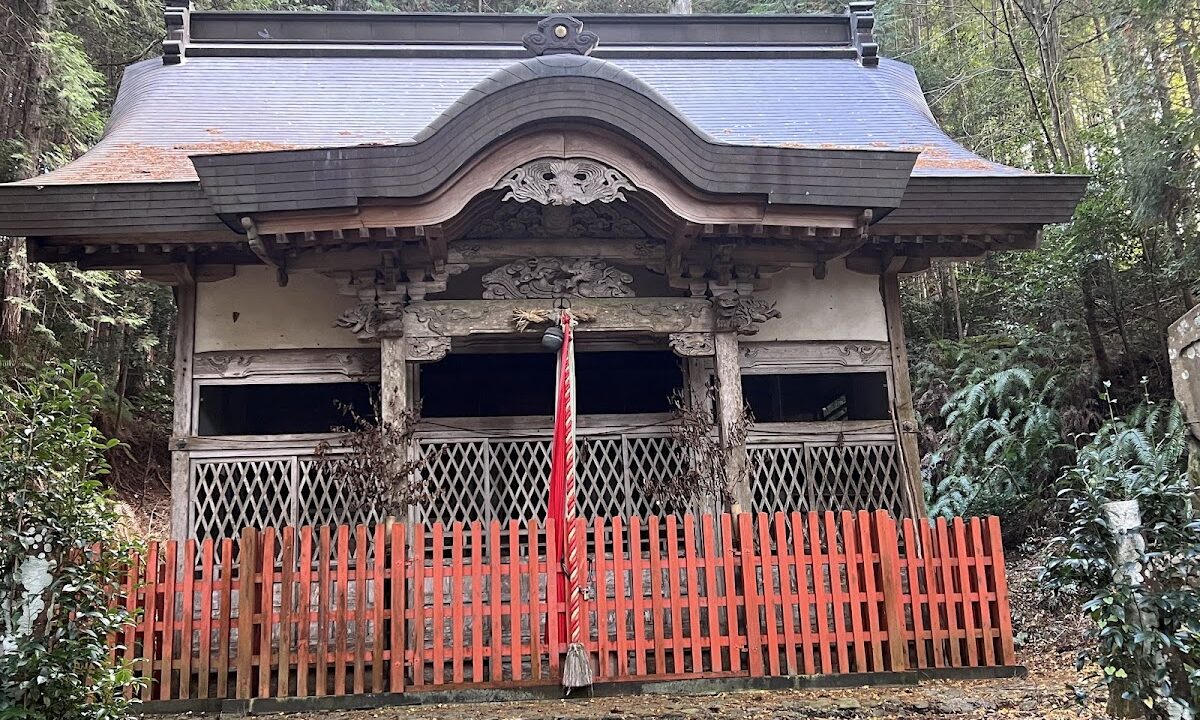
Complete Guide to Tomiie Inari Shrine (Kyoto Prefecture) | History, Benefits, Access, and Visiting Information
Kyoto Prefecture boasts numerous shrines and temples, but among them, Tomiie Inari Shrine, deeply rooted in local faith, is a sacred place well worth visiting. This article provides detailed information you should know before visiting, including the history, benefits, highlights of the grounds, access methods, and visiting etiquette.
What is Tomiie Inari Shrine?
Tomiie Inari Shrine is one of the Inari shrines located in Kyoto Prefecture, and has long been revered by the local people. There are said to be approximately 30,000 Inari shrines nationwide, widely known as gods of business prosperity and abundant harvests. Tomiie Inari Shrine inherits this tradition and plays an important role as a guardian deity of the region.
Because Fushimi Inari Taisha, the head shrine of Inari worship, is located in Fushimi Ward, Kyoto City, Kyoto Prefecture has a particularly large number of Inari shrines, each with its own unique history and characteristics. Tomiie Inari Shrine is one such example, serving as a spiritual pillar for the local community.
History and Origins of Tomiie Inari Shrine
Background of Founding
The founding date of Tomiie Inari Shrine is passed down through local oral traditions and records. Like many Inari shrines, it is believed to have originated from the faith of people praying for a bountiful harvest in an agricultural community.
Originally, Inari was revered as an agricultural deity presiding over rice growth, but over time, the worship expanded to include a wider range of blessings such as business prosperity, family safety, and industrial development. Tomiie Inari Shrine has witnessed the development of the region alongside these changes in belief.
Connection with the Community
Tomiie Inari Shrine is closely intertwined with the history of the region. It has been carefully preserved by local parishioners and devotees, and the faith has been passed down through generations. The festivals and events held throughout the year are important opportunities to strengthen the bonds of the local community.
Especially during the spring festival and the autumn harvest festival, many worshippers visit the shrine, which plays a role as a cultural and spiritual center of the region.
Deities and Benefits
Deities
The deity enshrined at Tomiie Inari Shrine is Inari Okami (Ukanomitama-no-kami). Inari Okami is a god who appears in Japanese mythology and presides over food and grains, and has been worshipped since ancient times as a being that brings abundant harvests and prosperity.
At Inari shrines, foxes are considered messengers of the gods. This stems from the fact that foxes prey on mice that damage crops, and are therefore considered important guardians of abundant harvests. The fox statues seen on the shrine grounds represent these divine messengers.
Main Benefits
Tomiie Inari Shrine is said to offer the following benefits:
Business Prosperity This is a representative benefit of Inari shrines. This shrine is believed to grant all wishes related to business, including business development, increased sales, and successful transactions. Many business owners, from sole proprietors to large corporations, visit this shrine.
Abundant Harvest This is the core of the original Inari faith, a belief in the abundance of crops. Even today, many people involved in agriculture visit the shrine to pray for a bountiful harvest.
Family Safety This shrine is believed to protect the health and peaceful lives of all family members. It is worshipped by those who wish for family harmony and to deepen family bonds.
Good Fortune and Prosperity This shrine is believed to improve luck and bring happiness. Many people visit when they are at a turning point in their lives or starting something new.
Industrial Development This shrine is believed to support the development of all industries, not just agriculture. Prayers can be made for corporate growth, technological innovation, and the success of new businesses.
Fulfillment of Various Wishes As a deity that grants various wishes, it attracts worshippers with diverse desires.
Highlights of the Shrine Grounds
Main Hall
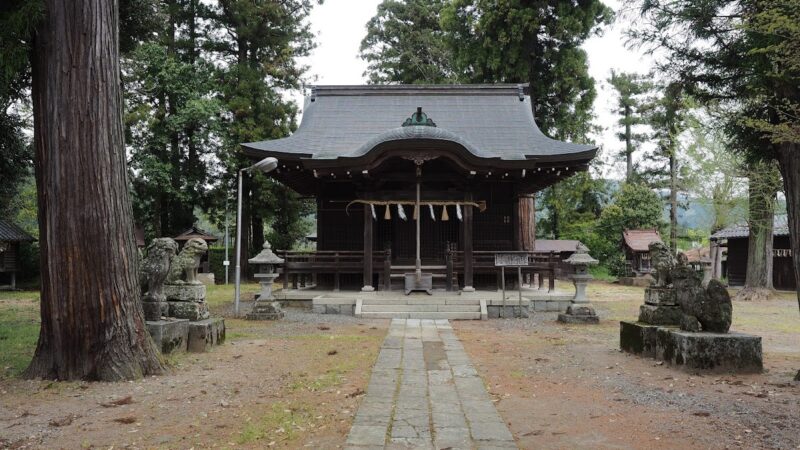
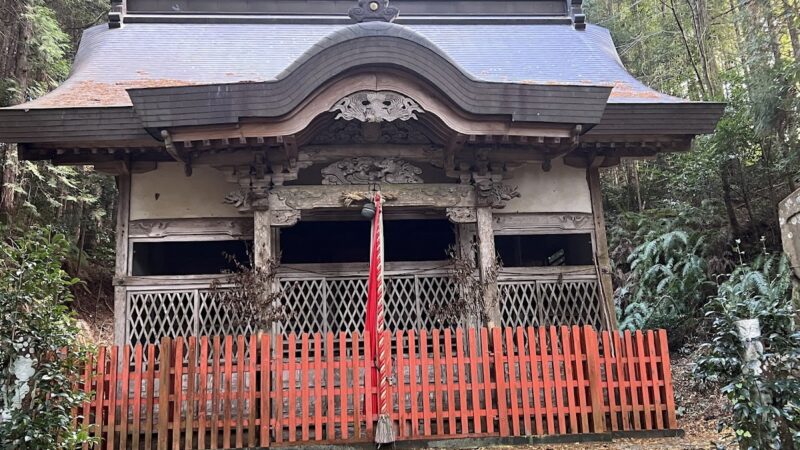
The main hall of Tomiie Inari Shrine inherits the traditional style of shrine architecture. Worshippers clasp their hands together here and offer their wishes. There is an offering box in front of the main hall, and proper etiquette is recommended.
Torii Gate
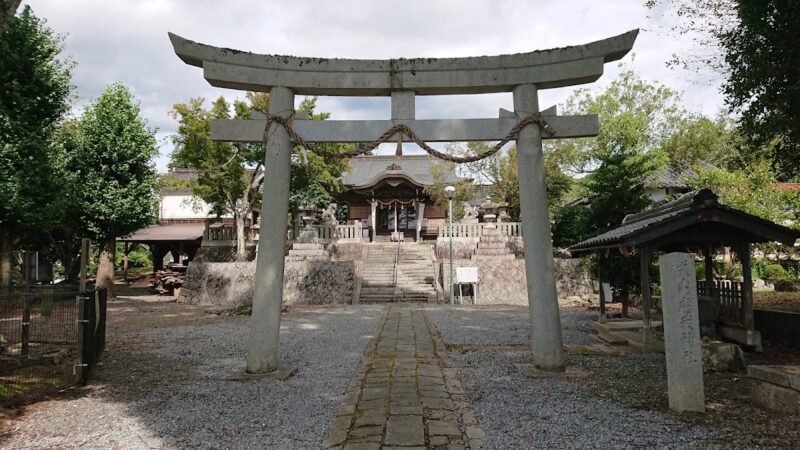
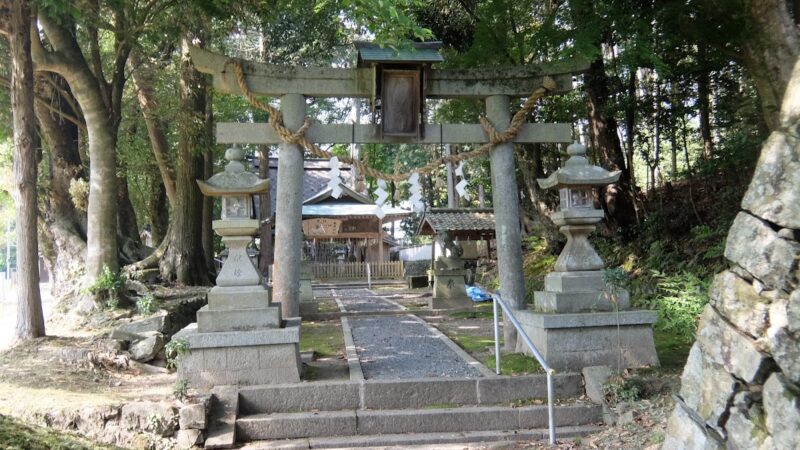
A vermilion torii gate, a symbol of Inari shrines, stands within the shrine grounds. The torii gate marks the entrance to the sacred area; passing through it signifies a transition from the secular world to a sacred space. Vermilion is considered a color symbolizing protection against evil and vitality.
Fox Statues
Statues of foxes, messengers of the gods, are placed throughout the shrine grounds. They are often depicted holding objects such as jewels, rice stalks, or keys in their mouths, each with its own meaning. The jewel symbolizes the power to grant wishes, the rice stalks symbolize a bountiful harvest, and the key symbolizes the key to the rice storehouse.
Water Basin
There is a water basin for purifying oneself before worship. By purifying your hands and mouth here, you can stand before the gods in a state of purity of both mind and body.
Worship Method and Manners
Basic Worship Etiquette
When visiting Tomiie Inari Shrine, please follow the etiquette below.
1. Bowing at the Torii Gate
Before passing through the torii gate, stop once and bow slightly. This shows respect for entering the sacred area.
2. How to Walk Along the Path
The center of the path is considered the path of the gods, so it is polite to walk along the sides.
3. How to Wash Your Hands
Purify yourself at the water basin in the following order.
- Hold the ladle in your right hand and purify your left hand.
- Switch the ladle to your left hand and purify your right hand.
- Switch the ladle back to your right hand, receive water in your left hand, and rinse your mouth.
- Purify your left hand once more.
- Hold the ladle upright, purify the handle, and return it to its original position.
4. Worship at the Main Hall
- Place your offering in the offering box.
- Ring the bell if there is one.
- Worship using the two bows, two claps, one bow ritual (two deep bows, two claps, one deep bow).
5. Bowing Upon Exit
When leaving through the torii gate, turn around and bow to express your gratitude.
About Offerings
There are no set rules for the amount of your offering, but it is customary to offer a 5-yen coin with the wish for “good fortune.” Some people also choose amounts based on wordplay, such as 50 yen for “double good fortune” or 50 yen for “sufficient good fortune.” What matters is not the amount of money, but the sincerity of your feelings.
Photography Etiquette
Photography is generally permitted on the shrine grounds, but please refrain from taking pictures inside the main hall or in areas where photography is prohibited. Also, please be considerate of other worshippers. Maintaining silence is especially important during festivals.
Annual Events and Festivals
New Year’s Visit
The New Year’s visit is an important event at Tomiya Inari Shrine. Many worshippers visit from January 1st to 3rd to pray for safety and prosperity in the new year. During the New Year’s visit, it is customary to return last year’s amulets and talismans and receive new ones.
Annual Grand Festival
The annual grand festival is the most important festival for the shrine. A procession of portable shrines and dedication ceremonies take place, and the entire community is enveloped in a festive atmosphere. It is also a valuable opportunity to pass on the region’s traditional culture to the next generation.
Hatsuumasai Festival
The Hatsuumasai Festival, a unique event at Inari shrines, is held on the first Day of the Horse in February. It is considered the day when Inari Okami descended upon Mount Inari, and is a particularly important festival. It is bustling with many worshippers praying for business prosperity.
Other Annual Events
- Setsubun Festival: Held around February 3rd, with events such as bean-throwing.
- Natsukoshi no Oharae: A Shinto ritual held on June 30th to purify oneself of the impurities accumulated over the past six months.
- Autumn Harvest Festival: A festival to give thanks for the harvest.
- Toshikoshi no Oharae: A Shinto ritual held on December 31st to purify oneself of the impurities accumulated over the year.
Access Information
Location
For the exact location of Tomiie Inari Shrine, it is recommended to check the latest information before visiting. Inari shrines within Kyoto Prefecture are scattered in different areas.
Access by Public Transportation
Using public transportation is convenient for visiting shrines in Kyoto Prefecture.
Access by Train
Checking the walking route and travel time from the nearest station in advance will ensure a smooth journey. Within Kyoto City, multiple lines are available, including JR, subway, and private railways.
Access by Bus
Kyoto City buses and local community buses may be available. Consider the walking time from the bus stop.
Access by Car
If visiting by private car, it’s important to check the availability of parking in advance. Some shrines may not have dedicated parking lots, requiring the use of nearby coin-operated parking.
Especially during busy periods such as New Year’s Day and annual festivals, using public transportation is recommended.
Visiting Hours
While most shrines are open for worship throughout the day, the opening hours of the shrine office (where you can receive amulets and goshuin stamps) are limited. Generally, these are from 9:00 AM to around 5:00 PM, but this varies by shrine, so prior confirmation is advisable.
Items Offered and Amulets
Various Amulets
At Tomiie Inari Shrine, amulets are offered to fulfill various wishes.
Business Prosperity Amulet
This amulet is for the development and prosperity of your business. It is believed that displaying it in your shop or office will bring divine protection.
Family Safety Amulet
This amulet protects the health and happiness of your family. It is commonly placed at the entrance or on the household altar.
Good Fortune Amulet
This amulet is for improving your luck and attracting good fortune. It is believed to be most effective when worn at all times.
Traffic Safety Amulet
This amulet prays for the safety of those who drive cars or bicycles. Many people display it inside their cars.
Academic Success Amulet
This amulet is for success in exams and academics. It is popular among students and those taking qualification exams.
Goshuin (Shrine Seal)
Goshuin are given as proof of visiting the shrine. Bring your Goshuincho (stamp book) and request a Goshuin at the reception area. It is considered proper etiquette to receive it after your visit.
The Goshuin (stamp) will have the shrine’s name, date of visit, and the shrine’s seal, all carefully handwritten. While many people collect them, remember that they are originally a symbol of faith and treat them with care.
Ofuda (Sacred Talismans)
Ofuda are sacred objects believed to house a divided spirit of the deity. By enshrining them in your home’s household shrine, you can receive the deity’s protection daily. It is common practice to replace the Ofuda with a new one every year.
Nearby Tourist Attractions
Other Inari Shrines in Kyoto
There are numerous Inari shrines in Kyoto Prefecture.
Fushimi Inari Taisha
The head shrine of all Inari shrines nationwide, famous for its thousands of torii gates. A must-see spot when visiting Kyoto.
Mikane Shrine
A shrine known for its blessings of financial fortune, characterized by its golden torii gates.
Famous Places in Kyoto
Why not visit other famous places in Kyoto along with your visit to Tomiie Inari Shrine?
- Kiyomizu-dera Temple: An ancient temple registered as a World Heritage Site
- Kinkaku-ji Temple: A temple with a beautiful golden reliquary hall
- Arashiyama: A scenic spot rich in nature
- Gion: A geisha district with a preserved traditional townscape
Local Food Culture
Kyoto is also a center of Japanese cuisine. After your visit, we recommend enjoying Kyoto’s unique flavors, such as Kyoto cuisine, matcha sweets, and yudofu (boiled tofu).
Mindset for Visiting Tomiie Inari Shrine
The Significance of Shrine Visits
Visiting a shrine is not merely sightseeing; it is an act of showing respect and gratitude to the gods. It’s important not only to make wishes, but also to have a feeling of gratitude for daily safety.
Inari shrines are especially known as “gods that grant wishes,” but gods are beings that support those who strive. After visiting the shrine, it’s important to strive towards your own goals.
Continuous Faith
Rather than ending with a single visit, regular visits deepen your connection with the deities. Participating in annual events such as New Year’s visits and grand festivals also fosters connections with the local community.
Gratitude
When your wish is granted, it is recommended to offer thanks. Expressing gratitude to the deities is believed to bring further blessings.
Summary
Tomiya Inari Shrine, a historic Inari shrine located in Kyoto Prefecture, enjoys deep devotion from the local community. It offers various blessings, including business prosperity, abundant harvests, and family safety, attracting worshippers with diverse wishes.
When visiting, it is important to observe proper etiquette and manners, and to approach the shrine with respect for the deities. Understand the basic worship procedures, such as bowing at the torii gate, purifying yourself at the water basin, and performing the two bows, two claps, and one bow ritual.
Various festivals are held throughout the year, and the New Year’s visit, the first horse festival, and the annual grand festival are particularly popular, attracting many worshippers. Participating in these events allows you to experience traditional Japanese culture more deeply.
For detailed information on access, visiting hours, and available items, we recommend checking the latest information before your visit. Why not visit Tomiie Inari Shrine as part of your Kyoto sightseeing or as a place of worship?
Visiting a shrine is a precious time to calm your mind, step away from daily life, and reflect on yourself. We hope you will offer a peaceful prayer at Tomiie Inari Shrine and gain renewed energy.