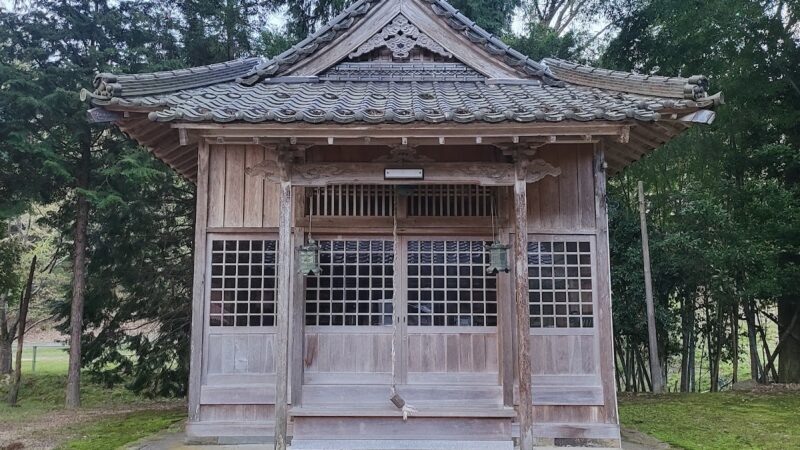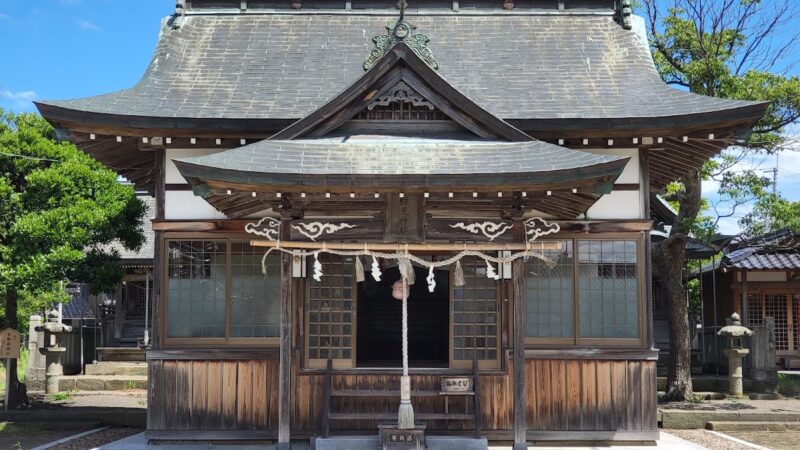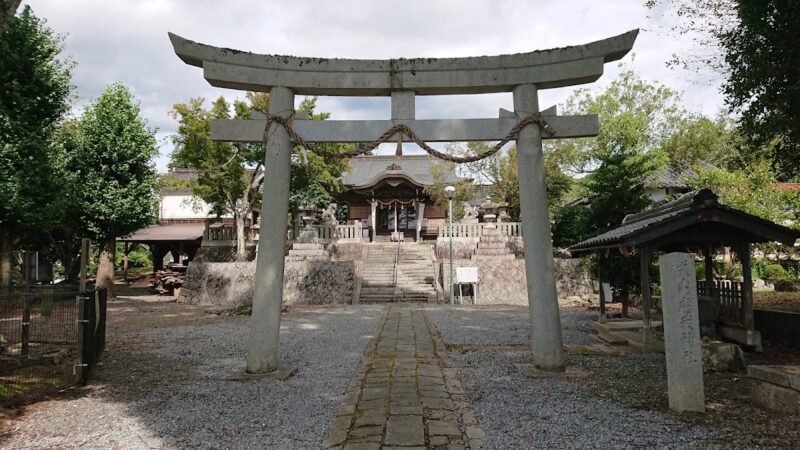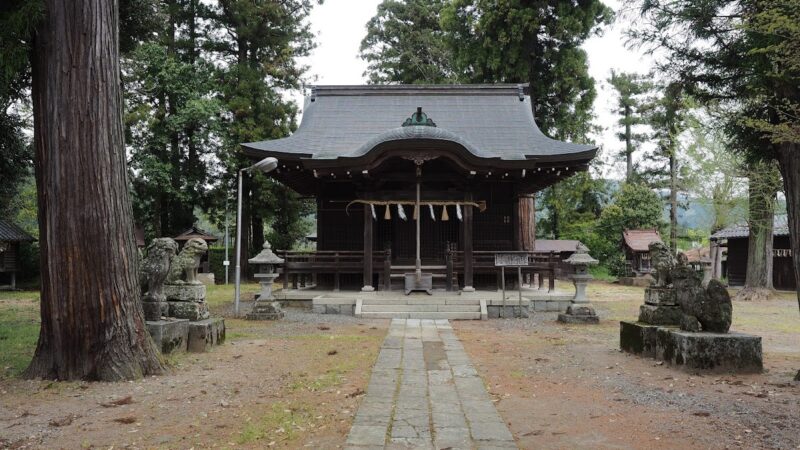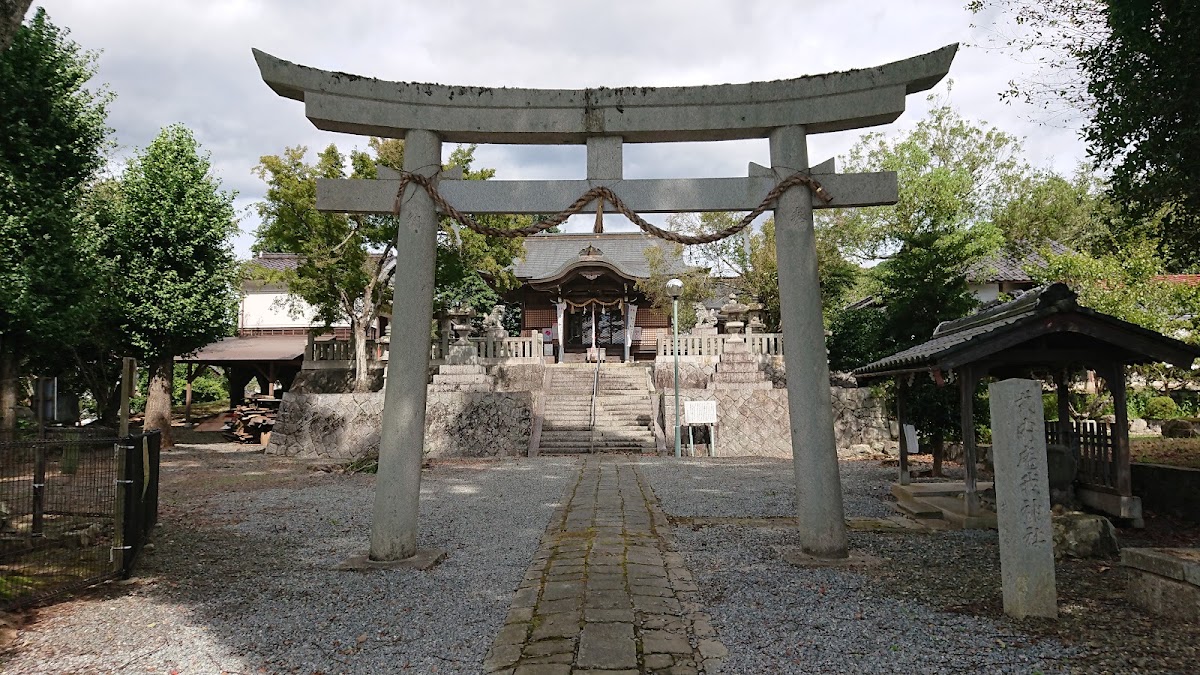
Anga Shrine (Fukuchiyama City, Kyoto Prefecture) Complete Guide: History, Goshuin (Shrine Seals), Access, and Highlights Explained in Detail
Anga Shrine, located in the Naka district of Fukuchiyama City, Kyoto Prefecture, is a venerable shrine listed in the Engishiki Jinmyocho (a list of shrines compiled during the Heian period). Situated in the heart of Anga-go, Amata District, ancient Tanba Province, it boasts a history of over a thousand years as a center of local faith. This article comprehensively explains everything you need to know before visiting Anga Shrine, including its history, cultural assets, goshuin (shrine seals), access methods, and surrounding area information.
Basic Information about Anga Shrine
Official Name: Anga Shrine
Location: 2113 (or 2114) Nakaji Tateto, Fukuchiyama City, Kyoto Prefecture
Former Shrine Rank: Village Shrine
Shikinaisha (Shrine listed in the Engishiki): Anga Shrine, Amata District, Tanba Province
Main Deities: Amenohohi-no-Mikoto, Ikushima-no-Kami, Okinagatarashihime-no-Mikoto (Empress Jingu)
Annual Festival Day: Third Sunday of October
Shrine Grounds: A tranquil space surrounded by giant cedar and camphor trees
History and Origins of Anga Shrine
Center of Ancient Faith
The grounds of Anga Shrine are thought to be the center of the ancient Anga village, and are located in a place visible from all villages within the village. As a shrine listed in the Engishiki Jinmyocho (a list of shrines compiled in the Heian period), it was a prestigious shrine already recognized by the imperial court during the Heian period.
Amaga-go belonged to the ancient Amata District of Tanba Province and flourished as the administrative and cultural center of the region. Amaga Shrine served as the guardian shrine of the region, attracting the faith of the local people.
Medieval “Hijiri Myojin” Worship
In the medieval period, Amaga Shrine came to be known as “Hijiri Myojin.” This designation indicates that, under the syncretic belief of Shinto and Buddhism, the shrine was revered as a sacred place with special divine powers.
A wooden plaque made of cypress wood, created in 1323 (Genko 3), is inscribed with “Sho-nii Hijiri Daimyojin,” indicating that the shrine was granted the high divine rank of Sho-nii during this period. This plaque is currently designated as an important cultural property of Kyoto Prefecture.
Hachiman Worship in the Early Modern Period
In the early modern period, the name “Hachiman Shrine” became commonly used for the Ioga Shrine. This is because Empress Jingu (Okinagatarashihime-no-Mikoto), one of the main deities enshrined there, was deeply connected to Hachiman worship. Empress Jingu was widely worshipped as the mother of Emperor Ojin and as the original form of Hachiman.
Throughout the Edo period, local people revered Ioga Shrine as a Hachiman Shrine, praying for abundant harvests and family safety.
Deities Enshrined at Ioga Shrine
Ame-no-Hohi-no-Mikoto
A child deity of Amaterasu Omikami and considered the ancestral deity of the Hajibe clan. The Hajibe were an ancient clan involved in pottery making and funeral rituals. It is believed that the Hajibe also resided in the Fukuchiyama region, and that Ame-no-Hohi-no-Mikoto was enshrined there as their tutelary deity.
Ikushima-no-kami
This deity is considered the guardian deity of the eight islands of Japan (the Japanese archipelago). They are worshipped as a god who governs the peace and prosperity of the land and watches over the peace and development of the region.
Okinagatarashihime-no-mikoto
This refers to Empress Jingu, the consort of the 14th Emperor Chuai and mother of Emperor Ojin. Known for the legend of her conquest of the Three Kingdoms of Korea, she is widely worshipped as a goddess of military fortune and safe childbirth. She also has strong ties to Hachiman worship, which is one reason why Ioga Shrine was called Hachiman Shrine in the early modern period.
Cultural Properties and Highlights of Ioga Shrine
Kyoto Prefecture Designated Cultural Property: Wooden Plaque
The greatest cultural property of Ioga Shrine is a wooden plaque made of cypress wood, created in 1323 (Genko 3). This plaque bears the inscription “Shōnii Shōdaimyōjin,” and the reverse side bears the inscription of the third year of Genkō (1306) and the name of the calligrapher, “Fujiwara no Ason Yukifusa,” written in ink.
Fujiwara no Yukifusa was a calligrapher who was active from the late Kamakura period to the Nanboku-chō period, and served Emperor Go-Daigo. He participated in Emperor Go-Daigo’s Kenmu Restoration and was known as a master calligrapher. Yukifusa’s original works are rare throughout Japan, and this plaque is an important historical document that conveys his calligraphic skill.
The plaque is in excellent condition, and it is astonishing that the calligraphy, nearly 700 years old, remains so clearly preserved. It is carefully preserved as an important cultural property of Kyoto Prefecture.
Camphor Tree on the Temple Grounds
A giant camphor tree, designated as a famous tree of Fukuchiyama City, stands tall at the entrance to the temple grounds. This camphor tree, estimated to be several hundred years old, exudes an overwhelming presence that captivates visitors.
Camphor trees have been considered sacred trees since ancient times and are often planted within the grounds of Shinto shrines. The camphor tree at Ioga Shrine can be considered a living witness, having watched over the shrine’s long history.
Shrine Grounds Surrounded by Giant Cedar Trees
Besides the camphor tree, the shrine grounds are also surrounded by giant cedar trees. The tranquil space created by these massive trees allows visitors to forget the hustle and bustle of the city and provides them with peace of mind.
Cedar trees are representative of Japanese shrine forests, and their straight, upright form has long been considered a symbol of sacredness. The cedar forest at Ioga Shrine conveys the atmosphere of a sacred area that has continued since ancient times.
Information on Ioga Shrine’s Goshuin (Shrine Seal)
You can receive a Goshuin at Ioga Shrine. If you request it directly from the head priest when he is present, he will carefully write it for you.
Features of the Goshuin (Shrine Seal)
The goshuin features the name of “Anaga Shrine” written in ink, and the shrine’s seal is stamped on it. It is characterized by a simple yet powerful brushstroke, conveying the dignity of a shrine listed in the Engishiki (ancient Japanese legal code).
Points to Note When Receiving a Goshuin
Anaga Shrine does not have a permanent shrine office, so it is recommended to contact them in advance or visit during events such as the annual festival if you wish to receive a goshuin. The head priest may also be absent, so prior confirmation is necessary if you are certain you will receive a goshuin.
It is important to bring your goshuincho (goshuin book) and make your request politely. Remember that the goshuin is proof of your visit, not a stamp rally.
How to Access Anga Shrine
Access by Train
Nearest Station: Kyoto Tango Railway Miyazu Line, “Arakawa Kashinokidai Station”
Distance from Station: Approximately 17 minutes on foot (approximately 1.3 km)
From Arakawa Kashinokidai Station, head northwest and walk through the rural landscape to reach the shrine. The route takes you through a quiet farming area, allowing you to enjoy the peaceful scenery during your visit.
Access by Car
From JR Fukuchiyama Station: Approximately 4 km north, about 10 minutes by car
From Maizuru-Wakasa Expressway Fukuchiyama IC: Approximately 15 minutes
Entering 2113 Nakaji Tateto, Fukuchiyama City, Kyoto Prefecture into your navigation system will guide you to the vicinity of the shrine. There is parking space for visitors on the shrine grounds, but it is not very large, so caution is advised for large vehicles.
Map and Route Information
The shrine is located in the Naka district settlement, north of the city center of Fukuchiyama. The surrounding area is a quiet mix of residential areas and farmland. The shrine is visible from the entire village, and a cedar forest serves as a landmark as you approach.
You can check the route from your current location by searching for “Anaga Shrine” or “2113 Naka, Fukuchiyama City, Kyoto Prefecture” in your smartphone’s map app.
Tourist Attractions near Anaga Shrine
Fukuchiyama Castle
Fukuchiyama Castle, built by Akechi Mitsuhide, is a symbol of Fukuchiyama City. It’s about a 10-minute drive from Anaga Shrine, and the castle tower offers a panoramic view of Fukuchiyama city. Historical materials related to Mitsuhide are also on display, making it a must-see spot for history buffs.
Goryo Shrine (Fukuchiyama City)
This is a rare shrine dedicated to Akechi Mitsuhide, located very close to Fukuchiyama Castle. Founded by local people to commemorate Mitsuhide’s contributions to the development of Fukuchiyama, this shrine is often visited in conjunction with Ioga Shrine.
Fukuchiyama City Zoo
This is the fourth oldest zoo in Japan, where you can see adorable animals such as red pandas and capybaras. It’s a recommended stop for families visiting the shrine.
Flood Control Memorial Museum
This facility allows you to learn about the history of floods in Fukuchiyama and flood control projects. Learning about the history of the Yura River’s floods and the people’s struggles will give you a deeper understanding of the region’s culture.
Annual Events at Ioga Shrine
Annual Festival (Third Sunday of October)
The most important festival at Ioga Shrine is the autumn annual festival. Local parishioners gather for a portable shrine procession and offering ceremonies. It’s a traditional event to give thanks for a bountiful harvest and pray for a good harvest in the coming year.
First Shrine Visit of the Year
From New Year’s Day to the third day of the year, local people visit the shrine for New Year’s prayers. In the quiet grounds, you can see worshippers praying for a safe year and the safety of their families.
Manners and Precautions for Visiting Ioga Shrine
Proper Worship Etiquette
- Bow Before Passing Through the Torii Gate: Bow before entering the sacred grounds.
- Purify at the Water Basin: Purify your left hand, right hand, and mouth in that order.
- Worship at the Main Hall: Worship using the two bows, two claps, and one bow ritual.
- Stroll Through the Grounds: Quietly walk around the grounds and appreciate the nature and history.
Photography
Photography is generally permitted on the shrine grounds, but please be considerate of the privacy of other worshippers and avoid including them in your photos. Photography of cultural artifacts such as plaques may be restricted for preservation purposes.
Attire
While there are no specific dress code requirements, it is desirable to dress appropriately for a sacred place. Avoid revealing or overly flashy clothing.
The Charm of Ioga Shrine: Why You Should Visit
The Weight of History
With its status as a Shikinaisha (a shrine listed in the Engishiki, an ancient Japanese legal text) dating back to the Heian period, a valuable plaque from the Kamakura period, and its location as the center of the ancient Amaga region, Ioga Shrine encapsulates over a thousand years of history. For history buffs, this shrine is a valuable place to experience the ancient history of the Tanba region.
A Tranquil Space
Ioga Shrine, not a tourist destination, is quiet and peaceful, with few visitors. Surrounded by giant cedar and camphor trees, the shrine grounds offer a perfect escape from the hustle and bustle of the city and a place to calm your mind.
Cultural Asset Value
The plaque by Fujiwara no Yukifusa, who served Emperor Go-Daigo, is a valuable cultural asset from the perspective of calligraphy and art history. Opportunities to see the authentic work of a Kamakura period calligrapher up close are rare. ### Local Beliefs
Iaga Shrine is still cherished by the local people. Parishioners gather for the annual festival, continuing to uphold tradition. It’s not a tourist shrine, but a vibrant place of faith.
The History of Fukuchiyama City and the Role of Iaga Shrine
Fukuchiyama City is located in the Tanba region of northern Kyoto Prefecture and has flourished since ancient times as a strategic point in Tanba Province. During the Sengoku period, Akechi Mitsuhide built Fukuchiyama Castle, and the city developed as a castle town. Since modern times, it has played an important role as a transportation hub to the San’in region.
Iaga Shrine is a valuable presence in Fukuchiyama, preserving its ancient history. A shrine existed in this area and attracted people’s faith from before Akechi Mitsuhide, before the Sengoku period, and even before the Heian period.
When visiting Fukuchiyama, in addition to Fukuchiyama Castle and historical sites related to Akechi Mitsuhide, visiting Iaga Shrine, with its ancient history, will allow you to gain a deeper understanding of the region’s multifaceted history.
Ioga Shrine and the Shikinaisha Shrines of Tanba Province
Tanba Province has many Shikinaisha shrines, indicating that this region had deep ties with the imperial court since ancient times. Ioga Shrine is one of them, an important shrine in Amata District of Tanba Province.
There are other Shikinaisha shrines within Fukuchiyama City, each conveying the history and culture of the region. A tour of the Shikinaisha shrines of Tanba, starting from Ioga Shrine, would be an interesting trip.
Post-Visit Enjoyment: Fukuchiyama’s Cuisine
After visiting Ioga Shrine, enjoying Fukuchiyama’s cuisine is highly recommended.
Fukuchiyama Ramen
Fukuchiyama has its own unique ramen culture, characterized by a light, soy sauce-based broth. Enjoy the taste loved by the locals.
Tanba Chestnut Sweets
The Tanba region is known as a famous chestnut producing area. In autumn, you can enjoy especially delicious sweets made with Tanba chestnuts, such as Mont Blanc and chestnut paste.
Local Sake
There are sake breweries around Fukuchiyama, where you can enjoy sake made with rice and water from Tanba. Purchasing local sake as a souvenir of your visit would be a good idea.
Summary: Ioga Shrine is a sacred place where history and nature harmonize
Ioga Shrine, located in Fukuchiyama City, Kyoto Prefecture, is a venerable shrine with a history of over a thousand years, dating back to the Heian period as a Shikinaisha (a shrine listed in the Engishiki, an ancient Japanese legal code). The shrine grounds are surrounded by precious cultural assets, including a plaque by Fujiwara no Yukifusa, who served Emperor Go-Daigo, a camphor tree designated as a famous tree of Fukuchiyama City, and towering cedar trees, creating a tranquil atmosphere. Ioga Shrine, where history and nature harmonize, deeply moves visitors.
Because it is not a touristy spot, you can worship in peace and fully experience the atmosphere of an ancient place of worship. When visiting Fukuchiyama, in addition to famous spots like Fukuchiyama Castle, be sure to visit Ioga Shrine. A sacred space where the history of ancient Tanba and the faith of the local people breathe awaits you. It is convenient to access the shrine on foot from Arakawa Kashinokidai Station or by car. We recommend searching for “Anaga Shrine” on a map app and checking the route before visiting. If you wish to receive a Goshuin (shrine stamp), it is best to contact the shrine in advance or visit during events such as the annual festival.
We hope your visit to Anaga Shrine will be a memorable experience in Fukuchiyama City, Kyoto Prefecture.