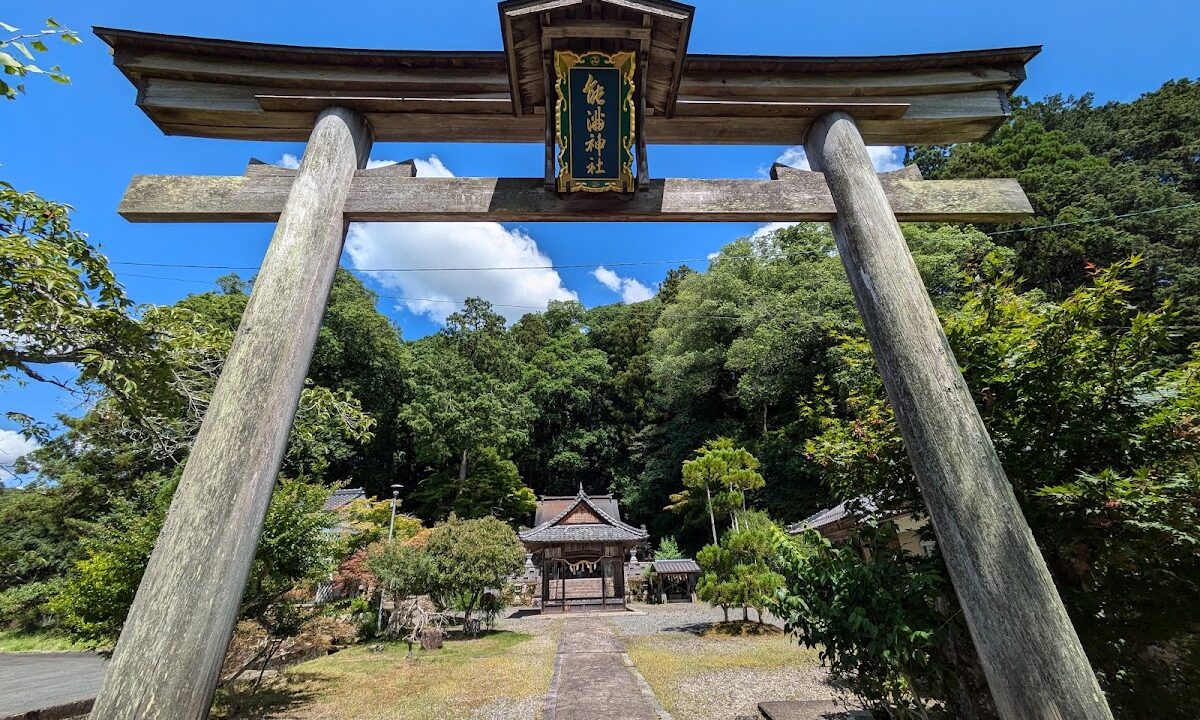
Noman Shrine (Kyoto Prefecture) Complete Guide | History, Benefits, Access, and Highlights Explained in Detail
Nōman Shrine, located in Nantan City, Kyoto Prefecture, is a historical shrine deeply rooted in the community and has long been cherished by local people. It is characterized by its tranquil atmosphere, unlike the famous shrines in urban areas, and its grounds surrounded by abundant nature. This article provides detailed information useful for visiting Noman Shrine, including its history, benefits, highlights within the grounds, access methods, and information on Goshuin (shrine stamps).
What is Noman Shrine?
Nōman Shrine is a shrine located in Yagi-cho, Nantan City, Kyoto Prefecture, and is an ancient shrine with a long history as the local guardian deity. Situated in a mountainous area away from the hustle and bustle of Kyoto City, it is known not only to local residents but also to those seeking a quiet visit, as it is a place where you can enjoy the beauty of nature throughout the seasons.
The shrine grounds are well-maintained and enveloped in refreshing air. The surrounding area is a rural landscape, offering an environment where you can feel the original scenery of Japan.
History and Origins of Nomitsu Shrine
Origin of Founding
While there are limited clear records regarding the founding date of Nomitsu Shrine, local traditions suggest it has been located in this area since ancient times. The Nantan region has been developed since ancient times and is known as a region where agricultural culture flourished. Nomitsu Shrine, along with the development of this region, has attracted the faith of the people.
Historical Background
Yagi-cho in Nantan City was formerly part of Tanba Province and prospered as a transportation hub connecting Kyoto and the San’in region. Many shrines and temples are scattered throughout this area, and Nomitsu Shrine has been one of them, serving as a spiritual pillar of the local community.
During the Edo period, with the development of agriculture in the region, it was deeply revered as a shrine where people prayed for abundant harvests. Even after the Meiji-era separation of Shinto and Buddhism, it has been carefully preserved as the local guardian deity, and continues to be so to this day.
Origin of the Shrine Name
There are several theories regarding the origin of the shrine name “Nōman,” but one interpretation is that it means “fulfillment of ability” or “fulfillment of wishes.” It’s possible the shrine was named to fulfill the wishes of the local people and bring them prosperity.
Deities and Benefits
Deities
The deities enshrined at Nōman Shrine are thought to have strong characteristics as local agricultural gods and tutelary deities. Like many local shrines, the following deities are likely enshrined:
- Ōkuninushi-no-Mikoto: God of nation-building, matchmaking, and business prosperity
- Susanoo-no-Mikoto: God of protection against misfortune and disaster
- Inari-no-Kami: God of abundant harvests and business prosperity
It’s also possible that multiple deities are enshrined together as the local tutelary deity.
Benefits
The main benefits you can expect at Nomitsu Shrine are as follows:
- Abundant Harvest and Agricultural Prosperity: As a shrine in an agricultural region, prayers are offered for a bountiful harvest.
- Family Safety: As the local guardian deity, the shrine protects the health and safety of families.
- Protection from Misfortune and Disaster: The shrine protects the region from disasters and calamities.
- Business Prosperity: Prayers are offered for the development of the local economy.
- Matchmaking: The shrine helps in finding a good partner and fostering harmonious relationships.
- Fulfillment of Wishes: As the name “Nomitsu” suggests, the shrine offers the benefit of fulfilling your wishes.
Highlights of the Shrine Grounds
Main Hall and Worship Hall
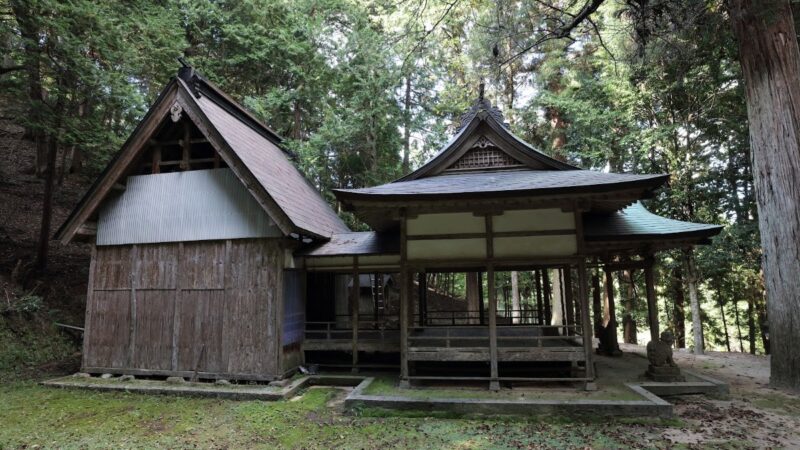
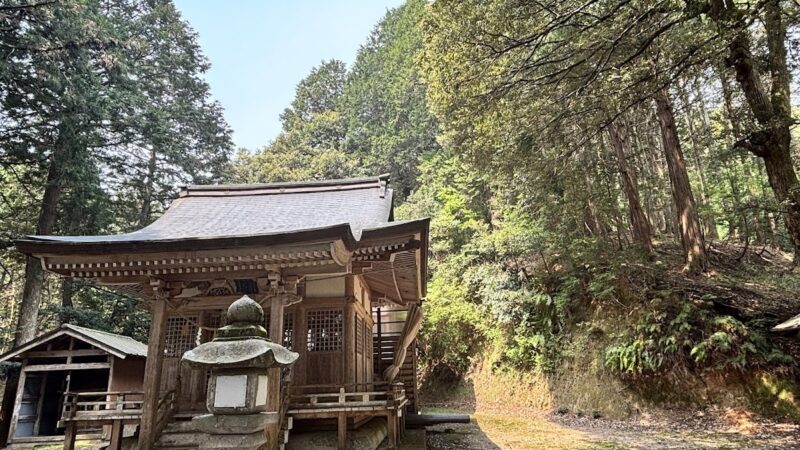
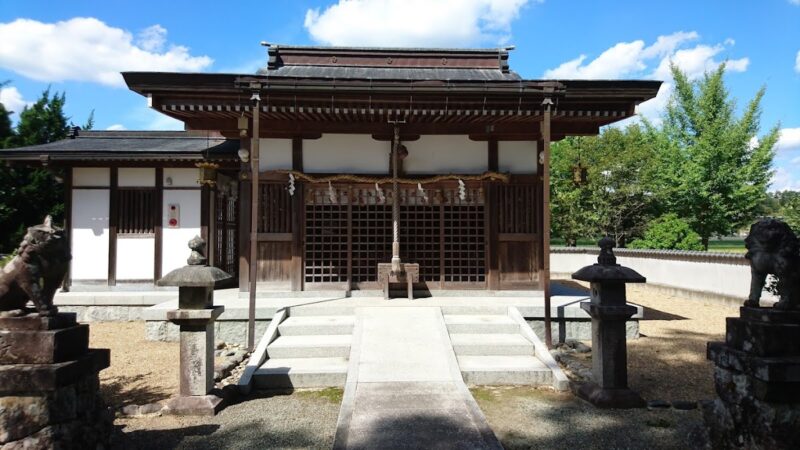
The main hall of Nomitsu Shrine maintains a traditional shrine architectural style. While not large in scale, it is meticulously maintained, reflecting the deep faith of the local people. The worship hall is kept clean and pure as a place for worshippers to offer their prayers.
Torii Gate and Approach
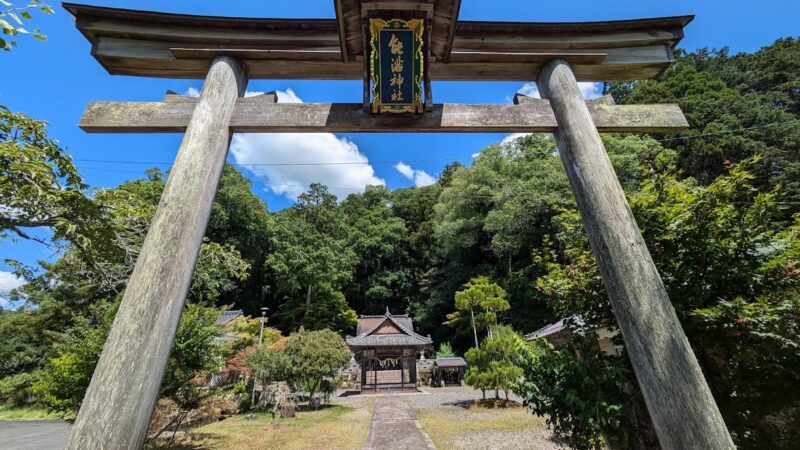
A torii gate stands at the entrance to the shrine, and from there, an approach leads to the main hall. The approach is surrounded by nature, offering beautiful scenery, especially during the fresh greenery of spring and the vibrant autumn foliage.
Subsidiary Shrines
Several subsidiary shrines (subsidiary shrines/outlying shrines) may be enshrined around the main hall. These are important elements that tell the story of the region’s religious history.
Natural Environment
One of the great attractions of Nomitsu Shrine is its rich natural environment. Seasonal plants grow within and around the shrine grounds, and the sounds of wild birds can be heard. It provides an environment where one can escape the hustle and bustle of the city and worship in peace.
Annual Events and Festivals
Grand Festival
It is believed that Nomitsu Shrine holds an annual grand festival. Many local shrines hold thanksgiving festivals during the autumn harvest season, and it is possible that Nomitsu Shrine also holds a grand festival in the autumn. Local residents gather, and sometimes a portable shrine procession and dedication ceremonies take place.
New Year’s Festival and First Shrine Visit
At the start of the new year, local people visit the shrine for their first shrine visit of the year, praying for safety and prosperity throughout the year. Although small in scale, it provides a warm, community-based atmosphere for welcoming the new year.
Other Annual Events
- Spring Festival: Celebrating the arrival of spring and praying for a bountiful harvest
- Summer Purification Ceremony: Purifying oneself of the impurities accumulated over the past six months and praying for good health
- Monthly Festival: Regular monthly festivals
It is recommended to check with the shrine or local parishioners’ organization for specific dates.
Access Methods
Location
Address: Yagi-cho, Nantan City, Kyoto Prefecture (Please check the specific address on-site or refer to local information)
Access by Public Transportation
- Using the JR Sanin Main Line (Sagano Line)
- Get off at JR “Yagi Station”
- Travel on foot or by taxi from the station (travel time varies depending on distance)
- Using the Bus
- Nantan City Bus and Keihan Kyoto Kotsu Bus may operate.
- Access on foot from the nearest bus stop
Access by Car
- Using the Kyoto Jukan Expressway
- A few minutes to ten minutes by car from “Yagi Higashi IC” or “Yagi Nishi IC”
- Access via National Route 9 or prefectural roads
- From Kyoto City
- Approximately 1 hour northwest on National Route 9
- Parking
- There may be parking spaces for visitors on the temple grounds or nearby.
- During festivals, it can get crowded, so we recommend checking in advance.
Access Notes
- As it is located in a mountainous area, be careful of snow and icy roads in winter.
- Check your route in advance using a car navigation system or smartphone map app.
- Public transportation may be limited, so we recommend checking the timetable.
Etiquette and Manners for Visiting the Shrine
Basic Etiquette for Visiting the Shrine
- Bow at the Torii Gate
- Bow before passing through the torii gate to show respect for entering the sacred area.
- Walking the Path
- The center of the path is considered the path of the gods, so it is polite to walk along the edge.
- Purification at the Water Basin
- If there is a water basin, purify your hands and mouth before praying.
- Hold the ladle in your right hand and purify your left hand, then switch to your left hand and purify your right hand.
- Switch back to your right hand, receive water in your left hand, and rinse your mouth.
- Finally, stand the ladle upright and cleanse the handle.
- Worship at the Main Hall
- Quietly place your offering in the offering box.
- If there is a bell, ring it.
- Worship using the two bows, two claps, one bow (two bows, two claps, one bow) method.
- Express your wishes and gratitude sincerely.
- When Leaving
- After leaving the torii gate, turn around and bow once.
Manners During Worship
- Worship quietly and do not speak loudly.
- Limit eating and drinking on the shrine grounds (avoid outside designated areas).
- Always take your trash with you.
- Take photographs only within permitted areas and be considerate of other worshippers.
- Check in advance whether pets are allowed.
Goshuin (Shrine Seal) Information
Issuance of Goshuin
The issuance of Goshuin at Nomitsu Shrine varies depending on the size of the shrine and whether there are resident Shinto priests. For smaller shrines, the following situations are possible:
- Always Available: Available during the hours the shrine office is open.
- Only Available on Specific Days: Only available on days of special events such as the annual festival.
- Concurrent Shrine: If managed by a priest from another shrine, the goshuin (shrine stamp) may be issued at the main shrine.
Manners for Receiving a Goshuin
- Prepare a goshuincho (avoid notebooks or blank paper).
- Receive the goshuin after your visit (receiving a goshuin before visiting goes against the original purpose).
- Prepare a donation (300-500 yen is common).
- Remember to express your gratitude to the priest.
- Understand that a goshuin is not just a stamp, but proof of your visit.
About Goshuincho
If Nomitsu Shrine has its own original goshuincho, it’s a good idea to receive one as a memento. If not, you can have it recorded in your own goshuincho.
Nearby Tourist Attractions
When visiting Nomitsu Shrine, you can also explore other tourist attractions around Nantan City.
Nantan City Tourist Attractions
- Miyama Thatched-Roof Village
- A village with thatched roofs that preserves the original landscape of Japan
- Approximately 30-40 minutes by car from Nomitsu Shrine
- Rurikei Onsen
- A hot spring resort surrounded by nature
- Enjoy the beauty of the valley
- Hiyoshi Dam
- A large-scale dam and surrounding park
- Dam cards are also distributed
- Sonobe Castle Ruins
- Historic castle ruins and gardens
Nearby Shrines and Temples
Many other shrines and temples are scattered throughout the Nantan region. If you enjoy visiting shrines and temples, planning a trip to visit several is recommended.
Gourmet Information
Nantan City is a region rich in Kyoto vegetables and local agricultural products. You can enjoy dishes made with local ingredients and shopping at roadside stations.
Best Season to Visit Noman Shrine
Spring (March-May)
- Enjoy the beauty of fresh greenery and the refreshing air during your visit.
- The cherry blossom season (early to mid-April) is especially recommended.
- The pleasant weather makes for a comfortable stroll.
Summer (June-August)
- A season of lush greenery and a sense of vitality.
- Relatively cool due to its mountainous location.
- May be the time for events such as the Natsukoshi no Harae (summer purification ritual).
Autumn (September-November)
- A time when the autumn leaves are beautiful (early to mid-November).
- A season when the annual festival is likely to be held.
- A suitable time to visit during the harvest season.
Winter (December-February)
- Enjoy a solemn visit in the tranquil shrine grounds.
- The first shrine visit of the year offers an opportunity to interact with locals.
- The shrine is also picturesque in a snowy landscape (be careful of heavy snowfall).
How to Enjoy Your Visit to Nomitsu Shrine
Spend a Relaxing Time
The charm of Nomitsu Shrine lies in its tranquil environment, far removed from the hustle and bustle of the city. Instead of rushing through your visit, we recommend spending time slowly within the shrine grounds to calm your mind.
Experience Nature
Visiting the shrine while experiencing the changing seasons will give you a deeper sense of fulfillment. Use all your senses to experience nature: the chirping of birds, the sound of the wind, the scent of the trees.
Learn About Local History
Shrines are treasure troves of local history and culture. If there are stone monuments or information boards within the grounds, you can learn about the local history by reading them.
Interact with Local People
Local shrines also offer opportunities to interact with local people. Especially on festival days, you can feel the warmth of the local community.
Attire and Items to Bring When Visiting the Shrine
Attire
- Basic: Clean and comfortable clothing
- Summer: Hat, sunscreen (if the sun is strong)
- Winter: Warm clothing, gloves, scarf (mountainous areas can get cold)
- Rainy Day: Raincoat, umbrella, waterproof shoes
Items to Bring
- Small change for offerings
- Goshuincho (stamp book) (if you wish to receive a stamp)
- Camera (for commemorative photos)
- Drinks (especially in summer)
- Map or smartphone (to avoid getting lost)
- Garbage bag (please take your trash home)
Summary of the Charms of Noman Shrine
Noman Shrine, located in Nantan City, Kyoto Prefecture, is a community-oriented shrine with the following charms:
- Quiet Worship Environment: You can calm your mind in the tranquility away from the hustle and bustle of the city.
- Abundant Nature: You can enjoy the beauty of nature in all four seasons.
- Local History: A local guardian shrine with a long history that conveys local culture.
- Easy Access: Relatively easy to access from Kyoto city.
- Diverse Benefits: Caters to a wide range of wishes, from abundant harvests to the fulfillment of personal desires.
Visitor Feedback
Visitors to Nomitsu Shrine have shared the following impressions:
- “It was a quiet and peaceful place.”
- “The shrine grounds, surrounded by nature, are beautiful.”
- “A shrine where you can feel the warmth of the local people.”
- “It has a simple charm, unlike shrines in the city.”
- “A wonderful place where you can feel the changing seasons.”
Summary: Reasons to Recommend Visiting Nomitsu Shrine
Nomitsu Shrine is a historic local guardian shrine located in the naturally rich environment of Nantan City, Kyoto Prefecture. Unlike large tourist shrines, its greatest appeal is the quiet and peaceful atmosphere in which you can worship.
You can visit to pray for a variety of benefits, such as abundant harvests, family safety, and the fulfillment of personal desires, and you can also heal your soul while enjoying the beauty of nature throughout the seasons. Why not visit this shrine, which offers a glimpse into the quintessential Japanese landscape, a stark contrast to the tourist attractions in Kyoto City?
When visiting, observing basic etiquette and manners, and showing respect and gratitude to the deities, will make for a more fulfilling experience. Visiting it in conjunction with other nearby tourist spots will allow you to appreciate the charm of the Nantan region even more deeply.
We hope that Nomitsu Shrine will become a place of solace for you and a place where your wishes are fulfilled.