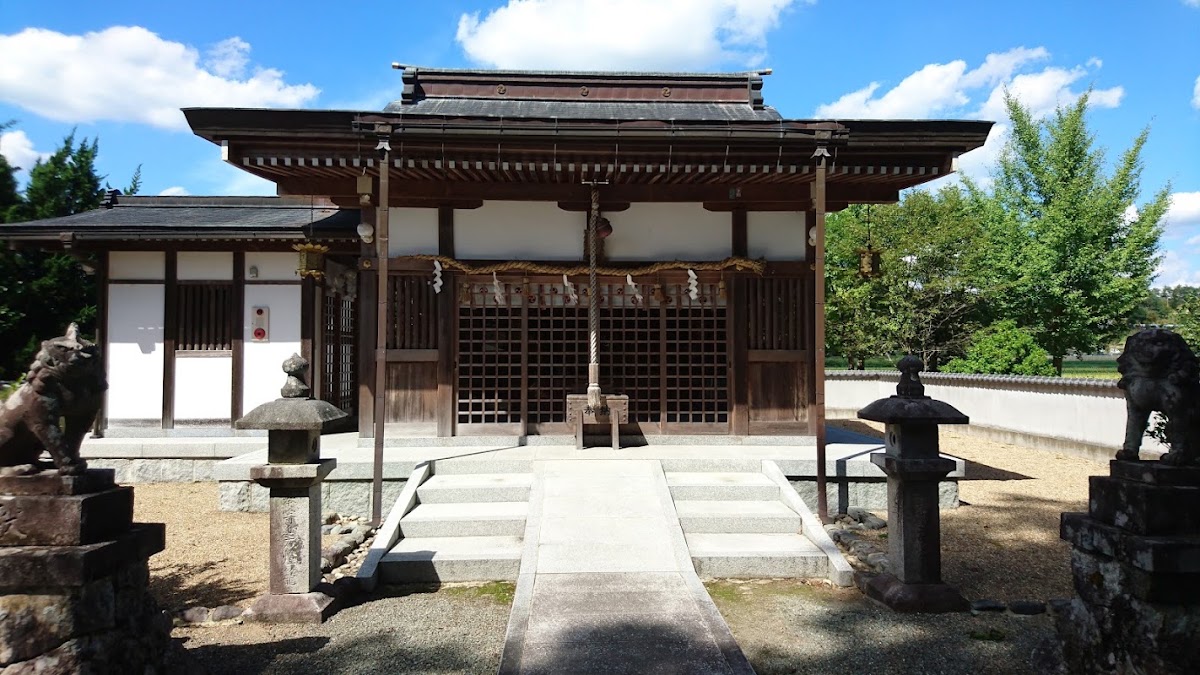
Itsushika Shrine (Kyotamba Town, Kyoto Prefecture) Complete Guide | The Charm and Visiting Information of a 1300-Year-Old Shrine Listed in the Engishiki
What is Itsushika Shrine?
Itsushika Shrine is a historic shrine located in Sone, Kyotamba Town, Funai District, Kyoto Prefecture. It is known as a candidate for the “Izushika Isobe Shrine,” a shrine listed in the Engishiki Jinmyocho (a list of shrines compiled in the Heian period), and is formerly classified as a village shrine.
It is believed to have been worshipped as early as the Hakuhō period (during the reign of Empress Suiko), and was called “Izushika Isobe Shrine” from 702 AD. The current name, “Itsushika Shrine,” has been used since 1315 AD, and as one of the oldest shrines in the Tanba region with a history of over 1300 years, it continues to attract the faith of the local community.
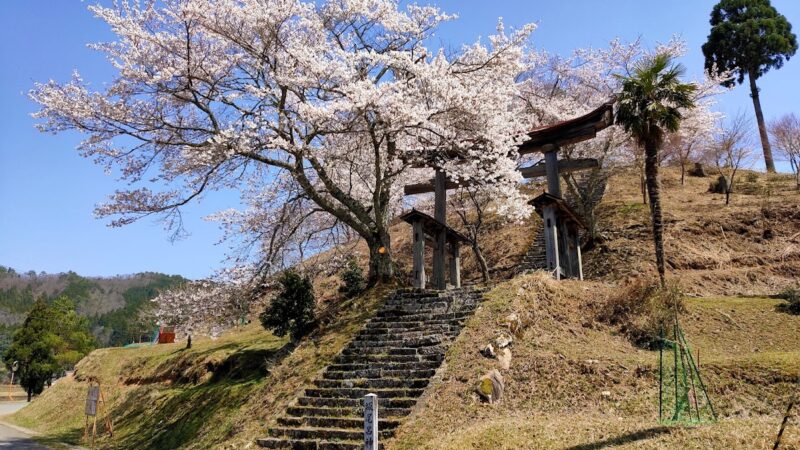
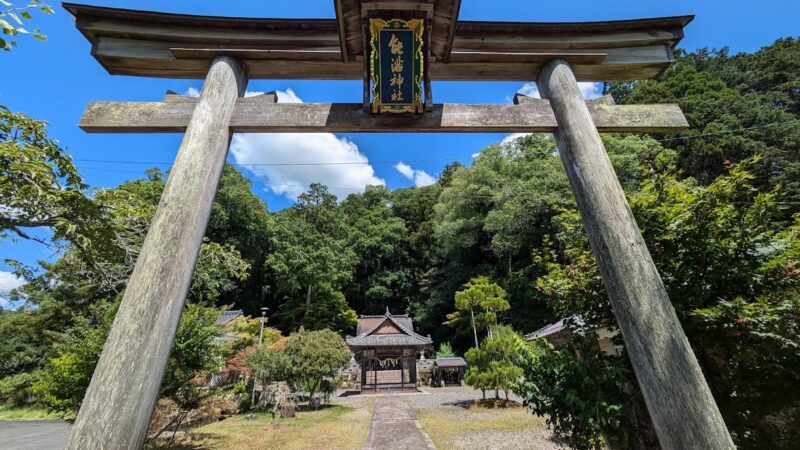
Surrounded by the rich natural environment of Kyotamba Town, the shrine grounds convey a sacred atmosphere that has continued since ancient times, offering visitors tranquility and peace. ## History of Ikaruga Shrine
Founding and Ancient History
Ikaruga Shrine is believed to have been founded during the Hakuhō period of Emperor Tenmu’s reign. According to shrine records, it already existed as an established shrine, “Izushi Shika Isobe Shrine,” in 702 AD (Taihō 2). This indicates that it was an important center of faith in this region even before the Nara period.
The name “Izushi Shika Isobe” is thought to represent the characteristics of ancient clans and the region, suggesting a deep connection with clans involved in the development and governance of this area. Its founding during the Hakuhō period, a time when Buddhist culture flourished, speaks to the high level of culture in the Tanba region at that time.
Status as an Engishiki Shrine
The Engishiki Jinmyōchō is an officially compiled register of shrines completed in 927 AD (Enchō 5) during the mid-Heian period. Shrines listed in it were recognized as “Shikinaisha” (shrines listed in the Engishiki) and held special status. Ikaruga Shrine is listed as a Shikinaisha (a shrine listed in the Engishiki, an ancient Japanese legal code) in Funai District, Tanba Province, proving its historical significance and recognition by the imperial court since ancient times.
Its status as a Shikinaisha signifies that it was positioned as a nationally important shrine, transcending mere local importance. This demonstrates the considerable religious and social influence of Ikaruga Shrine in the Tanba region.
Changes from the Medieval Period Onward
In 1315 (Showa 4), during the late Kamakura period and the Nanboku-cho period, the shrine’s name changed from “Izushi Shika Isobe Shrine” to “Ikaruga Shrine.” While this name change is thought to be due to societal changes and transformations in the local community, detailed historical records are limited.
From the medieval to the early modern period, Ikaruga Shrine was deeply revered by local residents as the tutelary deity of the region and a shrine dedicated to agriculture and mountain deities. During the Edo period, it played a central role as a Gosha (village shrine), and was also ranked as a Gosha under the Meiji era’s shrine ranking system.
Deities Enshrined
The following deities are enshrined at Ikaruga Shrine:
Ōyamatsumi-no-Mikoto
Ōyamatsumi-no-Mikoto, the principal deity, is considered the supreme god of mountains in Japanese mythology. He appears in the Kojiki and Nihon Shoki, known as the son of Izanagi and Izanami, and the father of Konohanasakuya-hime.
Possessing characteristics of both a mountain and sea god, he is worshipped as the guardian deity of all industries related to the blessings of nature, including agriculture, fishing, mining, and forestry. The enshrinement of Ōyamatsumi-no-Mikoto as the principal deity in Kyōtanba Town, surrounded by the mountains of Tanba, is deeply connected to the geographical characteristics of this region.
Hondawake-no-Mikoto
Hondawake-no-Mikoto is another name for Emperor Ōjin, and is a deity worshipped nationwide as Hachiman-sama. Known as a god of military fortune and a protector of the nation, he is also revered as a god who protects the development of agriculture and industry.
The enshrinement of Hachiman-no-Mikoto at Ikaruga Shrine is thought to reflect the spread of faith in the samurai society from the medieval period onward, and to have been a prayer for regional development.
Hikosashiri-no-Mikoto
Hikosashiri-no-Mikoto is listed as a deity in some documents. While details are limited, it has been suggested that he may be the ancestral deity of a clan involved in the development and governance of the region.
Highlights of the Shrine Grounds
Shrine Buildings
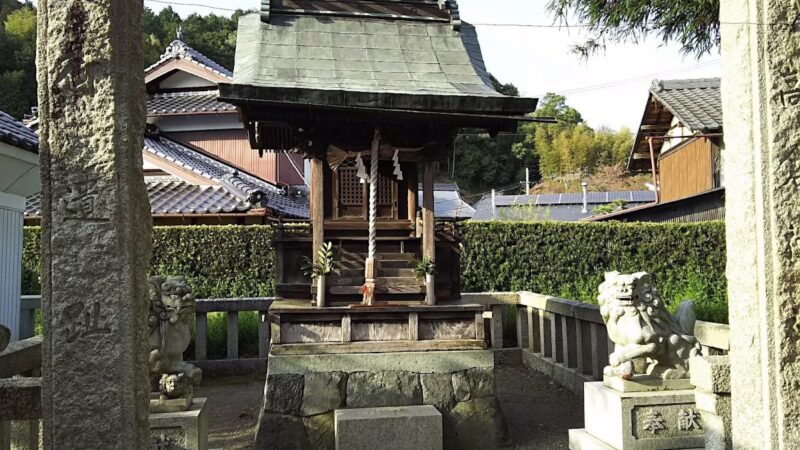
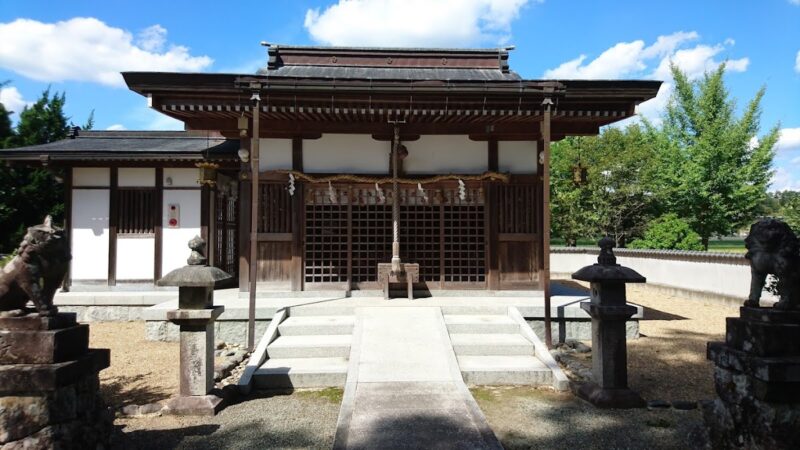
The shrine buildings of Ikaruga Shrine exude a sense of historical weight. The main hall inherits traditional shrine architectural styles, preserving the characteristics of shrine architecture in the Tanba region. From the worship hall, one can overlook the entire shrine grounds, allowing worshippers to offer prayers in a tranquil atmosphere.
The area surrounding the shrine is lined with ancient trees, creating an atmosphere befitting a historic shrine. Being able to worship while experiencing the changing seasons is one of the charms of Ikaruga Shrine.
Komainu (Guardian Dogs)
Historical komainu (guardian dog statues) are enshrined within the shrine grounds. These stone komainu have acquired a unique character over the years, welcoming worshippers. Their style and characteristics offer insights into the historical context of their dedication, making them valuable cultural assets that tell the story of the shrine’s history.
Natural Environment of the Shrine Grounds
Ikaruga Shrine’s grounds are surrounded by the rich natural beauty of Kyotamba Town. You can enjoy the beauty of each season: fresh greenery in spring, deep green in summer, vibrant autumn leaves, and snowscapes in winter. Especially during the autumn foliage season, the grounds are vividly colored, attracting many worshippers and photography enthusiasts.
Located in a mountainous area, the tranquil environment allows for peaceful worship, which is another major attraction. You can spend time away from the hustle and bustle of everyday life, listening to the birdsong and the sound of the wind.
Festivals and Annual Events
At Ikaruga Shrine, various festivals are held throughout the year.
Annual Festival
The annual festival is held at a designated time each year. This is the most important festival for the shrine, where local parishioners and devotees gather to express gratitude to the gods and pray for the peace and prosperity of the community. Traditional Shinto rituals are solemnly performed, making it an important opportunity to pass on local culture to the next generation.
Seasonal Festivals
In spring, festivals are held to pray for a bountiful harvest, and in autumn, festivals are held to express gratitude for the harvest. These are events deeply connected to agriculture. These continue the tradition of agricultural rituals that have been practiced since ancient times and also play a role in strengthening the bonds of the local community.
Location and Access Information
Location
Address: 29 Sone Saodai, Kyotamba-cho, Funai-gun, Kyoto Prefecture (or sometimes listed as 10)
Ikaruga Shrine is located in the Sone district of Kyotamba-cho. It is situated at 135°24’51.00″E and 35°09’28.29″N, in a naturally rich environment surrounded by mountains.
Nearest Station and Line
Nearest Station: Shimoyama Station, JR Sanin Main Line
Ikaruga Shrine is approximately 6km south of Shimoyama Station. Access on foot from the station is difficult, so using a car or taxi is recommended.
Access by Car
The most common route from Kyoto city is via National Route 9 towards Kyotamba-cho. If using the Kyoto Jukan Expressway, exit at Tanba IC or Kyotamba Wachi IC and access via local roads.
There is parking space around the shrine, but the number of spaces is limited, so it is advisable to arrive early, especially during festivals.
Nearest Bus Stop and Route
While public transportation access is limited, a community bus operating within Kyotamba Town may be available. For the latest service information, please contact the Kyotamba Town Hall or the Kyotamba Town Tourism Association.
Map Information
Detailed location information for Ikaruga Shrine can be found on online map services such as Yahoo! Maps and Google Maps. Searching for “Ikaruga Shrine Kyotamba Town” will display the exact location, surrounding road conditions, and route guidance.
When using car navigation, enter the address “29 Sonezaodai, Kyotamba-cho, Funai-gun, Kyoto Prefecture” or, in some cases, search by phone number. However, as it is a mountainous area, it is recommended to use the latest map data.
Etiquette and Manners for Visiting the Shrine
Proper Etiquette for Visiting the Shrine
When visiting Ikaruga Shrine, please follow the general etiquette for visiting a shrine. Before passing through the torii gate, bow once, and walk along the path avoiding the center. After purifying your hands and mouth at the water basin, pray in front of the main hall using the “two bows, two claps, one bow” ritual.
Attire and Belongings
Clean and modest attire is desirable, as this is a sacred place. Formal attire is especially appropriate when attending formal worship or festivals.
As the shrine is located in a mountainous area, appropriate clothing for the season (cold or hot) is important. Also, since the shrine grounds utilize the natural terrain, comfortable walking shoes are recommended.
Photography
Photography is generally permitted on the shrine grounds, but there may be restrictions inside the main hall or during religious ceremonies. When taking photographs, please be considerate of other worshippers and avoid disrupting the sacred atmosphere.
Nearby Tourist Attractions
Highlights of Kyotamba Town
When visiting Ikaruga Shrine, you can also visit other tourist attractions in Kyotamba Town. Kyotamba Town is a region where rich nature and historical culture harmonize, and it features roadside stations, hot spring facilities, and direct sales outlets for agricultural products.
Historical Heritage of Tamba
Numerous other Shikinaisha (shrines listed in ancient Japanese legal texts) and ancient shrines are scattered throughout the surrounding area, allowing visitors to enjoy historical exploration. The Tamba region has been an important area connecting Kyoto and the Sea of Japan since ancient times, and many historical legacies remain.
Nature Experiences
Kyotamba Town is a region with beautiful nature throughout the four seasons. Hiking trails and nature parks are well-maintained, allowing visitors to enjoy nature walks in conjunction with a visit to Ikaruga Shrine.
Faith and Benefits of Ikaruga Shrine
Faith as a Mountain God
The main deity, Oyamatsumi-no-Mikoto, is the supreme god of mountains, and is worshipped for the protection of forests, protection from natural disasters, and safety in mountain work. It is an important object of worship for people engaged in forestry and agriculture.
Industrial Development and Business Prosperity
Oyamatsumi-no-Mikoto is known as the guardian deity of all industries, and is believed to bring blessings for business prosperity, business development, and industrial promotion. Many people visit the shrine praying for the development of local industries.
Family Safety and Protection from Evil
Homudawake-no-Mikoto (Emperor Ojin) is also worshipped as a god of protection from evil, and is believed to bring blessings for family safety, protection from evil, and good fortune. Many people visit the shrine at important life events or during unlucky years.
Points to Note When Visiting Ikaruga Shrine
Season and Weather
Due to its mountainous location, there is a possibility of snow and icy roads in winter. If visiting in winter, it is important to check weather information in advance and prepare appropriate equipment.
Opening Hours and Visiting Hours
While the shrine grounds are generally open for free worship, the opening hours of the shrine office may be limited. If you wish to receive a Goshuin (shrine stamp) or obtain detailed information, it is recommended to inquire in advance.
Consideration for the Local Community
The area surrounding Ikaruga Shrine includes residential areas. When visiting, please be considerate of the lives of local residents and avoid causing inconvenience through noise, illegal parking, etc.
Summary
Ikaruga Shrine is a Shikinaisha (shrine listed in the Engishiki) located in Kyotamba-cho, Funai-gun, Kyoto Prefecture, with a history of over 1300 years. It enshrines Oyamatsumi-no-Mikoto as its main deity and has been revered by the local community as the god of mountains and industry. As a prestigious shrine listed in the Engishiki Jinmyocho (a list of shrines compiled in the Heian period), it conveys the history and culture of the Tamba region to the present day.
The shrine grounds, surrounded by abundant nature, are a healing space where you can enjoy the beauty of the four seasons, and a valuable place where you can experience history and nature simultaneously. When visiting Kyotamba-cho, be sure to visit Ikaruga Shrine and experience the sacred atmosphere that has continued since ancient times.
While access by car is convenient, if using public transportation, it is recommended to plan carefully in advance. Using a map app to confirm the exact location before visiting will give you peace of mind.
Ikaruga Shrine is a sacred place open to everyone: history buffs, shrine enthusiasts, nature lovers, and all kinds of people. In its tranquility, you can find peace of mind and feel the spirit of ancient faith.