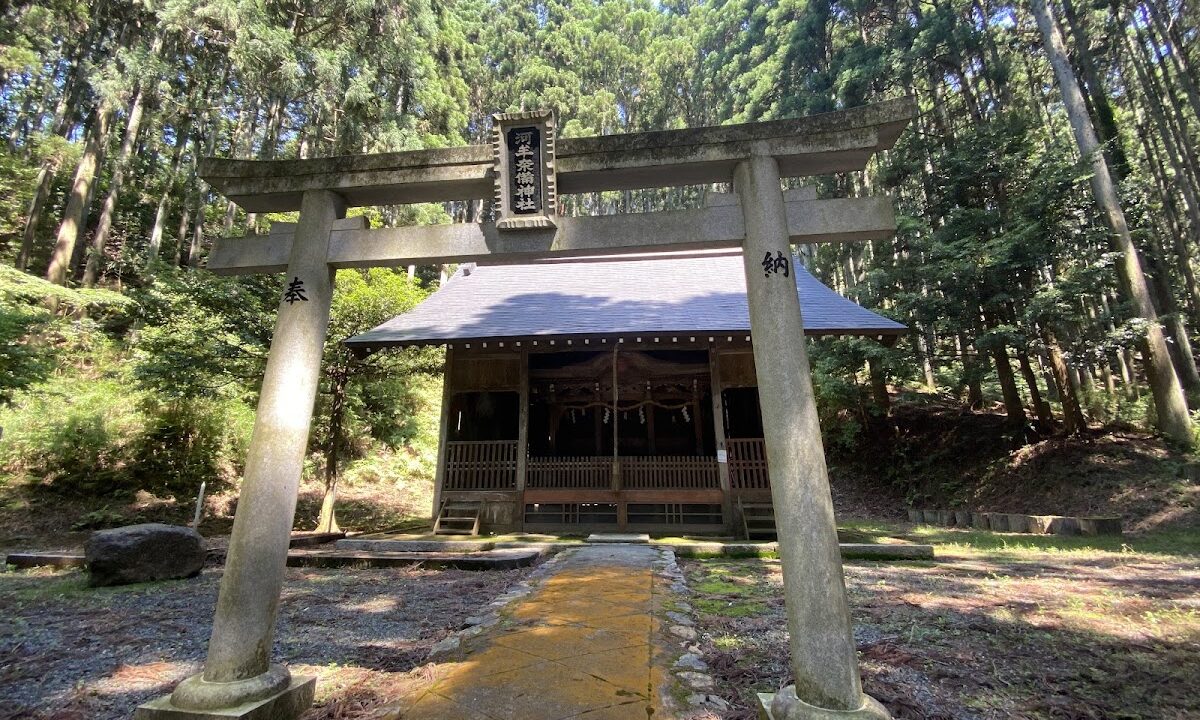
Kawamunabi Shrine (Ayabe City, Kyoto Prefecture) | The Charm and Visitor Guide to a 1300-Year-Old Shrine
Kawamunabi Shrine, located in Tokura-Nabata-cho, Ayabe City, Kyoto Prefecture, is an ancient shrine boasting a history of over 1300 years, said to have been founded in 709 AD. It is a shrine listed in the Engishiki Jinmyocho (a list of shrines compiled in the Heian period) and is known as one of the oldest shrines in Ayabe City. This article provides a detailed introduction to Kawamunabi Shrine, including its history, enshrined deities, highlights within the grounds, and access information useful for visitors.
Basic Information on Kawamunabi Shrine
Location and Shrine Rank
Kawamunabi Shrine is located at 10 Furukira, Tokura-Nabata-cho, Ayabe City, Kyoto Prefecture. The shrine is situated in a quiet environment at the foot of a mountain, where the Kaminbayashi River makes a large detour to the south, with rice paddies stretching out in front of it.
Basic Data:
- Location: 10 Furukira, Tokura-Nabata-cho, Ayabe City, Kyoto Prefecture 629-1242
- Former Shrine Rank: Go-sha (Village Shrine)
- Shikinaisha (Shrine listed in the Engishiki): Kamunabi Shrine, Ikaruga District, Tanba Province
- Alternate Names: Omiya Ikkyu Daimyojin, Omiya
This ancient shrine is identified as the “Kamunabi Shrine” listed in the Engishiki Jinmyocho (Register of Shrines in the Engi Era). It was formerly revered as the tutelary shrine of the Kami-go and Haishi-go districts, and as the tutelary shrine of eight villages centered around Motoine Village.
Deity and Divine Virtues
The deity enshrined at Kamunabi Shrine is said to be Ame-no-shitaharu-no-mikoto. However, some sources say it is Kami-musubi-no-mikoto, and the description varies depending on the document.
Tenkaharu-no-Mikoto is worshipped as a deity associated with regional development and agriculture, and is believed to bestow blessings such as abundant harvests, family safety, and regional peace. As a deity who has protected the lives of local people since ancient times, he is still deeply revered today.
History of Kawamunabi Shrine
Founding and Ancient History
According to shrine tradition, Kawamunabi Shrine was founded in 709 AD (Wado 2). This period corresponds to the early Nara period, a time when Japan’s Ritsuryo state system was being established. It can be seen that it held an important position early on as the center of ancient rituals in Ikaruga District, Tanba Province.
The Engishiki Jinmyocho (compiled in 927 AD) lists it as “Kamunabi Shrine,” indicating that it was already a prestigious shrine recognized by the imperial court during the Heian period. Its status as a Shikinaisha (a shrine listed in the Engishiki) is evidence of the important role this shrine has played in the region since ancient times.
Transition from the Medieval to the Early Modern Period
From the medieval to the early modern period, Kawamunabi Shrine came to be known as “Omiya Ichinomiya Daimyojin” or simply “Omiya.” During this time, it served as the tutelary shrine for eight villages centered around Motoine Village, becoming a spiritual pillar of the local community.
The current shrine building was constructed in 1753 and preserves the characteristics of shrine architecture from the mid-Edo period. This main hall was designated a Prefectural Provisional Registered Cultural Property by the Kyoto Prefectural Board of Education in November 2018, recognizing its historical and architectural value.
Developments Since the Modern Period
Under the Meiji era’s shrine ranking system, it was ranked as a Gōsha (village shrine), establishing its position as a major shrine in the region. Even after the post-war reforms to the shrine system, it continues to be carefully preserved by the local people, and various festivals are held throughout the year.
Highlights of the Shrine Grounds
Main Hall (Kyoto Prefecture Provisional Registered Cultural Property)
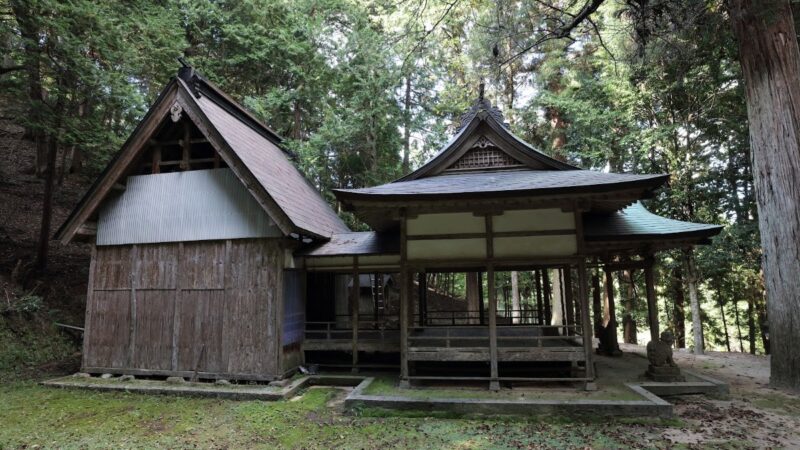
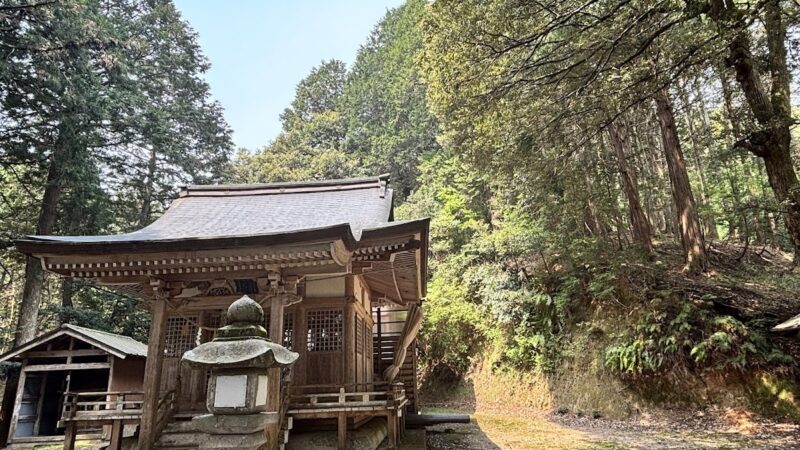
The main hall of Kawamunabi Shrine is a mid-Edo period building constructed in 1753 (Horeki 3). Designated as a Kyoto Prefecture Provisional Registered Cultural Property in November 2018, this building is a valuable cultural asset that preserves the architectural style of shrines from that era.
The architectural style and decorations exhibit characteristics of the mid-Edo period, and the meticulous craftsmanship reflects the deep faith of the people of that time. Thanks to regular maintenance, it remains in excellent condition even after more than 270 years since its construction.
Shrine Grounds “Agami-sha” and the City’s Oldest Inscription
Of particular note within the grounds of Kawamunabi Shrine is the shrine grounds “Agami-sha” located to the right of the main hall. Beneath this small shrine is a stone monument bearing the inscription Eikyu 2 (1114), which is the sacred object of worship.
This inscription is an extremely important historical document, being the oldest in Ayabe City. As a valuable written record from the late Heian period, it is indispensable for understanding the religious practices of the time and the history of the region. The fact that this stone monument, over 900 years old, is still carefully preserved speaks to the profound history of this shrine.
Natural Environment of the Shrine Grounds
Kawamunabi Shrine is located at the foot of the mountain along the Kaminbayashi River, surrounded by abundant nature. Ancient trees flourish within the grounds, allowing visitors to experience the changing seasons. Especially during the seasons of fresh greenery and autumn leaves, one can enjoy the beauty of nature in a tranquil atmosphere.
The harmony with the rice paddies stretching out before it is also beautiful, creating a landscape that evokes a quintessential Japanese scene. The quiet environment, far removed from the hustle and bustle of the city, is ideal for a peaceful visit.
Access Information
Nearest Station and Public Transportation
There are several ways to access Kawamunabi Shrine:
By Train:
- The nearest station is Ayabe Station on the JR San’in Main Line.
- The shrine is approximately 10km northeast of Ayabe Station.
By Bus:
- Take the Aya Bus (Ayabe City Bus) Kamibayashi Line from Ayabe Station.
- Take a bus heading towards the Tokura area and get off at the nearest bus stop.
- Access is on foot from the bus stop.
*Please note that bus services are limited, so we recommend checking the timetable in advance.
Access by Car
Due to limited public transportation options, access by private car is recommended:
- Approximately 20 minutes from Ayabe IC on the Maizuru-Wakasa Expressway via National Route 27 and Prefectural Roads.
- Approximately 1 hour and 30 minutes from Kyoto City via National Routes 9 and 27.
- Parking: There is parking space for visitors on the temple grounds.
As the temple is located in a mountainous area, caution is advised regarding road conditions during winter. Especially during periods of heavy snowfall, it is recommended to be well-prepared before visiting.
Points to Note and How to Enjoy Your Visit
Etiquette for Visiting
When visiting Kawamunabi Shrine, please observe the following basic etiquette:
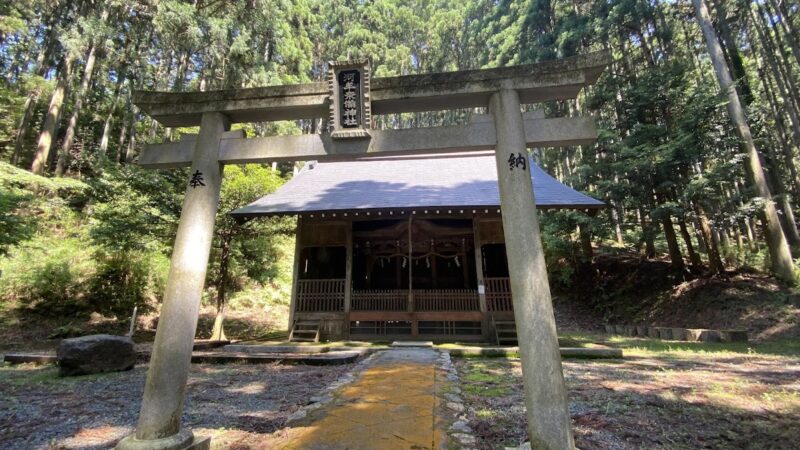
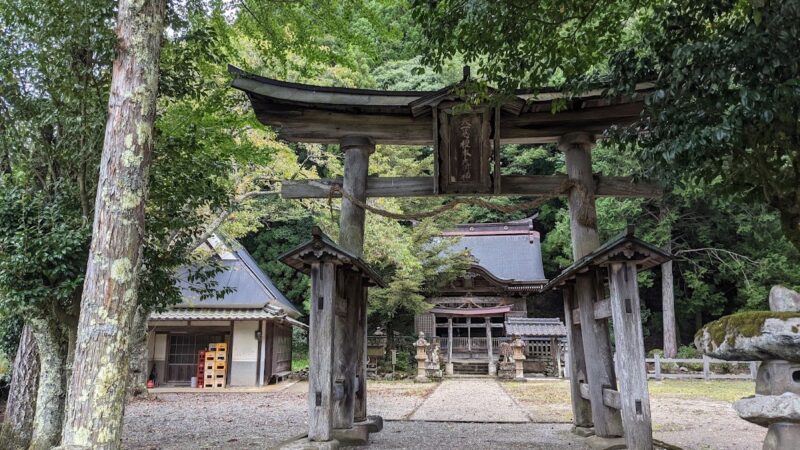
- Bow before passing through the torii gate
- Cleanse your hands and mouth at the water basin
- Bow twice, clap twice, and bow once in front of the main shrine
- Also pay your respects at the Agami Shrine within the grounds
- Quietly stroll through the grounds and reflect on its history
Photography Etiquette
There are many photo opportunities, including the main shrine, a prefectural provisional registered cultural property, and the Agami Shrine, which houses valuable inscriptions. However, please note the following:
- Refrain from taking photos inside the main hall.
- Be considerate of other worshippers.
- Maintain a quiet environment.
- Be mindful of location information when posting on social media.
Nearby Attractions
When visiting Kawamunabi Shrine, we recommend also visiting other historical spots in Ayabe City:
- Komyo-ji Niomon Gate (National Treasure): A representative cultural property of Ayabe City.
- Ayabe City Museum: A facility where you can learn about the local history.
- Natural Landscape along the Kaminbayashi River: Enjoy the beautiful valley scenery.
Annual Events at Kawamunabi Shrine
Kawamunabi Shrine holds various festivals throughout the year. These traditional events, carefully preserved by the local people, continue to strengthen the bonds of the community.
Major annual events include the spring festival and the autumn harvest festival, where local people gather to offer their gratitude to the gods. If timed correctly, your visit will offer a valuable opportunity to experience the region’s traditional culture.
Cultural Value of Kawamunabi Shrine
Value as a Shikinaisha Shrine
Shikinaisha shrines, listed in the Engishiki Jinmyocho (a list of shrines compiled in the Heian period), are prestigious shrines recognized by the imperial court during the Heian period. As a Shikinaisha in Ikaruga District, Tanba Province, Kawamunabi Shrine is important for understanding the ancient ritual system and regional governance structure.
Architectural Value
The main hall, built in 1753 (Horeki 3), retains many characteristics of mid-Edo period shrine architecture and is protected as a provisionally registered cultural property of Kyoto Prefecture. It is a valuable structure that conveys the architectural techniques and designs of the time.
Archaeological Value
The inscription on the epigraph, dated 1114 (Eikyu 2), is the oldest inscription in Ayabe City and is of extremely high archaeological importance. As a written document from the late Heian period, it is an indispensable historical source for studying the society and beliefs of that time.
The Role of Kawamunabi Shrine in the Region
Kawamunabi Shrine is not merely a historical building; it continues to function as a central hub for the local community. Its history, which began as the tutelary shrine for eight villages centered around Motoine Village, continues to this day as a spiritual anchor for the people of the region.
In mountainous areas experiencing depopulation, shrines symbolize the history and identity of the region. Through annual events, intergenerational exchanges are fostered, and traditional culture is passed down.
Significance of Visiting Kawamunabi Shrine
Visiting Kawamunabi Shrine offers the following significance:
- Dialogue with History: Experience the ancient forms of faith that have continued since antiquity at this ancient shrine with a history of over 1300 years.
- Appreciation of Cultural Properties: See valuable cultural properties up close, such as the main hall (a prefectural provisional registered cultural property) and the oldest inscriptions in the city.
- Interacting with Nature: Find peace of mind in the beautiful natural environment along the Kaminbayashi River.
- Understanding Local Culture: Gain a deeper understanding of the history and culture of Ayabe City.
Summary
Kawamunabi Shrine boasts a long history, founded in 709 AD (Wado 2). As a shrine listed in the Engishiki Jinmyocho (a list of shrines compiled in the Heian period), it is a representative ancient shrine of Ayabe City, Kyoto Prefecture. It offers many points of interest, including the main hall (a prefectural provisional registered cultural property) and the Agami Shrine, a subsidiary shrine with the oldest inscriptions in the city.
Located in a quiet mountainside approximately 10km northeast of Ayabe Station, this shrine is most easily accessible by private car. Protected by the local community for over 1300 years, it continues to play a vital role as a central hub of the local community.
This is a particularly recommended spot for those seeking a tranquil and historically significant shrine, distinct from Kyoto’s famous tourist attractions, and for those interested in ancient Japanese history and shrine architecture. Why not reflect on the long and rich history within the shrine grounds, surrounded by abundant nature?