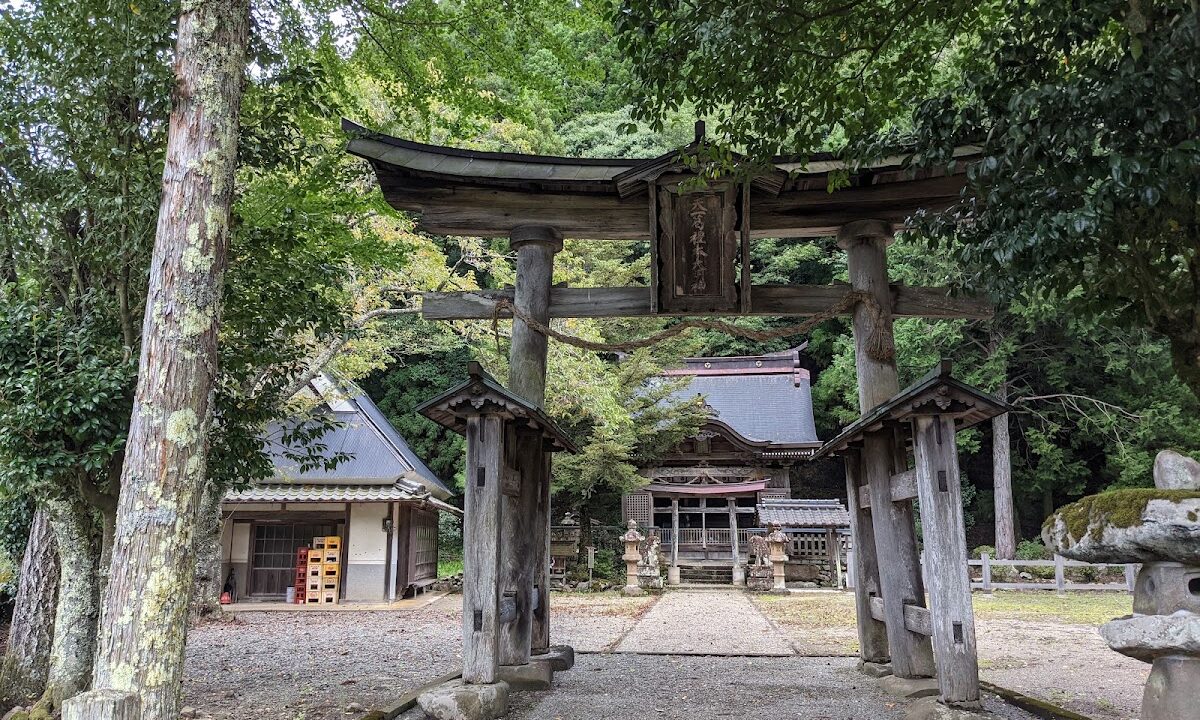
Complete Guide to Kuzuremoto Shrine (Kyoto Prefecture): A Thorough Explanation of History, Deities, Blessings, and How to Visit
What is Kuzuremoto Shrine?
Kuzuremoto Shrine is a historic shrine located in Kyoto Prefecture. It has long been revered as the local guardian deity, attracting not only local residents but also a hidden gem of Kyoto in recent years.
While Kyoto boasts numerous shrines and temples, Kuzuremoto Shrine maintains a simple, unspoiled atmosphere while possessing a rich history and tradition. Its tranquil grounds offer a peaceful escape from the hustle and bustle of everyday life, making it a beloved place for locals.
Characteristics of Kuzuremoto Shrine
The most distinctive feature of Kuzuremoto Shrine is its continued role as a place of worship deeply rooted in the local community. Unlike large-scale tourist shrines, it functions as the center of the local community, hosting seasonal festivals and local events.
The shrine grounds are a well-maintained and clean space, creating a warm and welcoming atmosphere for visitors. While not flashy, this allows one to feel the inherent tranquility and sacredness of a Shinto shrine.
History and Origins of Katsureimoto Shrine
History of Founding
The exact founding date of Katsureimoto Shrine is unknown due to the loss of old records, but according to local tradition, rituals were already being performed there during the Heian period. As a shrine that has walked hand-in-hand with the history of Kyoto, the ancient capital, it has served as a guardian deity of the region for many years.
There are various theories regarding the origin of the name “Katsureimoto,” but it is believed to be related to the place name or regional characteristics. It has been suggested that the name may have been derived from the plant, as this region had an environment suitable for the growth of kudzu from ancient to medieval times.
Changes Over Time
During the Edo period, it was a village shrine that attracted the faith of the local community, and it was positioned as an important shrine in the region during the Meiji era’s shrine system reforms. Even after the war, the shrine was maintained and managed thanks to the deep faith of local residents, and it continues to serve as a spiritual pillar of the community to this day.
In recent years, while facing challenges such as an aging population and depopulation in the area, the efforts of parishioners and devotees have continued to maintain the shrine grounds and preserve festivals, ensuring that the faith is passed on to future generations.
Deities and Benefits
About the Main Deity
The deity enshrined at Katsureimoto Shrine is a god who has been revered since ancient times as the guardian deity of the region. The specific name of the deity is based on local tradition, and the deity is worshipped as the god who presides over abundant harvests, family safety, and regional prosperity.
In Japanese Shinto, faith in local deities (Ubusunagami) and guardian deities of the region has been considered very important. Katsureimoto Shrine is a shrine that embodies this tradition of regional faith and is deeply intertwined with the lives of the local people.
Expected Benefits
The main benefits you can expect from visiting Katsureimoto Shrine are as follows:
Family Safety and Harmony
As the guardian deity of the region, it is believed to offer protection for peace in the home and the health of family members. Suitable for those who value family bonds and wish for harmony within the household.
Abundant Harvest and Business Prosperity
Due to its history of protecting the region’s industries, primarily agriculture, many visitors come to pray for a bountiful harvest and business prosperity.
Protection from Misfortune and Good Fortune
As a guardian deity of the region, it is believed to offer protection from disaster and bring good fortune. Suitable for visits at life’s milestones and when starting something new.
Regional Safety and Traffic Safety
As a deity protecting the safety of the entire region, visitors also pray for traffic safety and daily well-being.
Highlights of the Shrine Grounds
Main Hall and Worship Hall
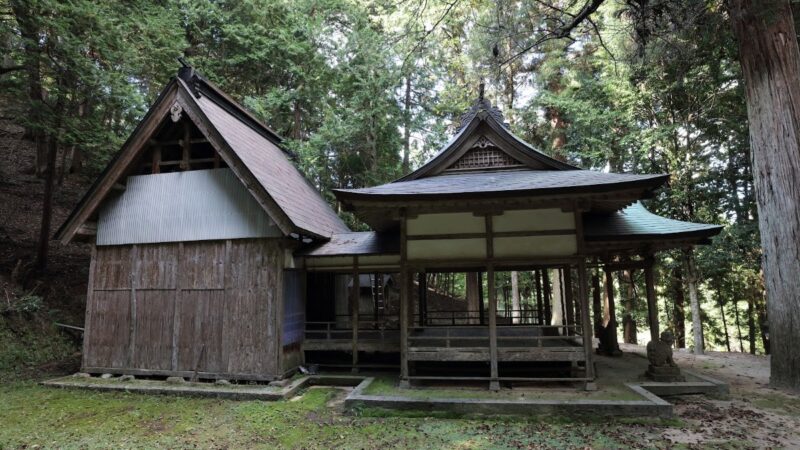
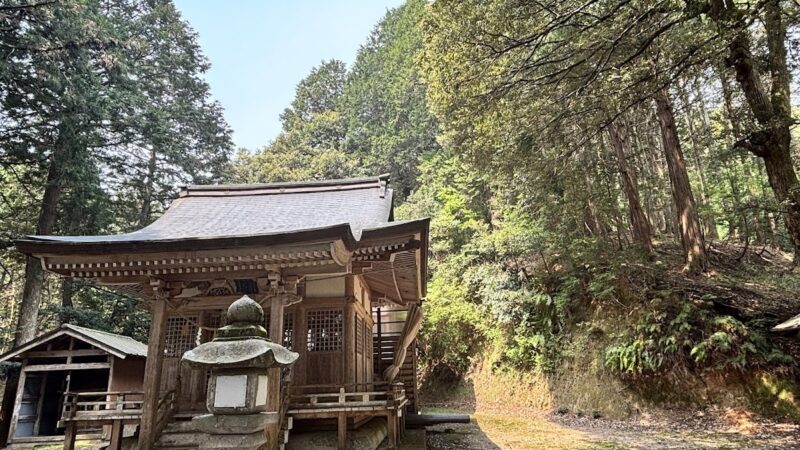
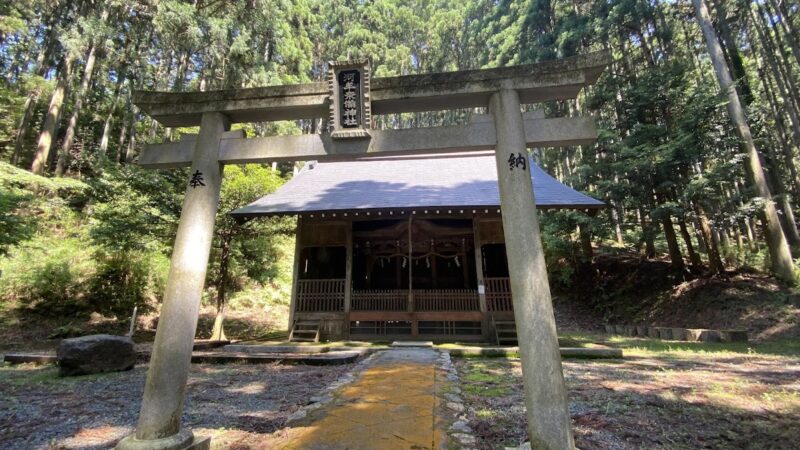
The main hall of Katsuremoto Shrine is a valuable structure that preserves the traditional style of shrine architecture. Although not large in scale, it is beautifully maintained through careful upkeep. From the worship hall, one can worship the main hall, creating a tranquil space for prayer.
The architectural style exhibits characteristics of traditional local shrine architecture, possessing a simple yet dignified appearance. The carvings and decorations are understated, which paradoxically enhances the sacred atmosphere.
Subsidiary Shrines and Auxiliary Shrines
Several subsidiary shrines and auxiliary shrines are enshrined around the main hall. These are important structures that tell the history of local faith, each enshrining a different deity.
Each shrine embodies the various wishes of the local people, and visiting these subsidiary shrines along with the main hall will make for a more fulfilling worship experience.
Shrine Office and Gift Shop
The shrine office offers goshuin (shrine stamps) and amulets. However, since it may not always be open, it is recommended that those wishing to receive a Goshuin (temple/shrine stamp) check in advance.
The amulets and talismans often feature simple and heartwarming designs that reflect local traditions, possessing a rustic charm that sets them apart from the flashy items found in tourist areas.
Natural Environment of the Shrine Grounds
The shrine grounds are teeming with nature throughout the seasons. In spring, there are cherry blossoms and fresh greenery; in summer, deep green; in autumn, vibrant autumn leaves; and in winter, a serene snowscape, each season offering a different face.
In particular, ancient and giant trees stand over the grounds, exuding a sense of long history. These trees, as living witnesses to the shrine’s history, leave a deep impression on visitors.
Annual Festivals and Events
Major Annual Events
Katsuremoto Shrine holds various festivals and events throughout the year. These are important opportunities for passing on local traditions and are indispensable annual events for local residents.
New Year’s Day Festival (January 1st)
A festival praying for happiness and peace in the new year. Many parishioners and local residents visit for their first shrine visit of the year.
Spring Festival (Grand Spring Festival)
An important festival praying for a bountiful harvest and the prosperity of the region. Traditional Shinto rituals are performed.
Summer Purification Ceremony (Late June to Early July)
A Shinto ritual to purify oneself of the impurities accumulated over the past six months and pray for good health for the remaining half of the year. A ritual of passing through a ring of reeds may also be performed.
Autumn Festival (Grand Autumn Festival)
A festival offering thanks for the harvest. Traditional local performing arts may also be offered.
Monthly Festival
A festival held regularly every month, praying for peace and tranquility in the region.
Characteristics of the Festivals
The festivals of Katsurei Honjinja Shrine are characterized not by being large-scale tourist events, but rather by their strong emphasis on strengthening the bonds of the local community. The festival is primarily organized and executed by parishioners and local residents, providing an opportunity for intergenerational exchange.
During the festival, traditional Shinto rituals are solemnly performed, playing a vital role in passing on the region’s history and culture to future generations.
Etiquette and Manners for Worship
Basic Worship Method
Worship at Katsuremoto Shrine follows the general etiquette for visiting shrines. Please follow the steps below.
1. Bowing at the Torii Gate
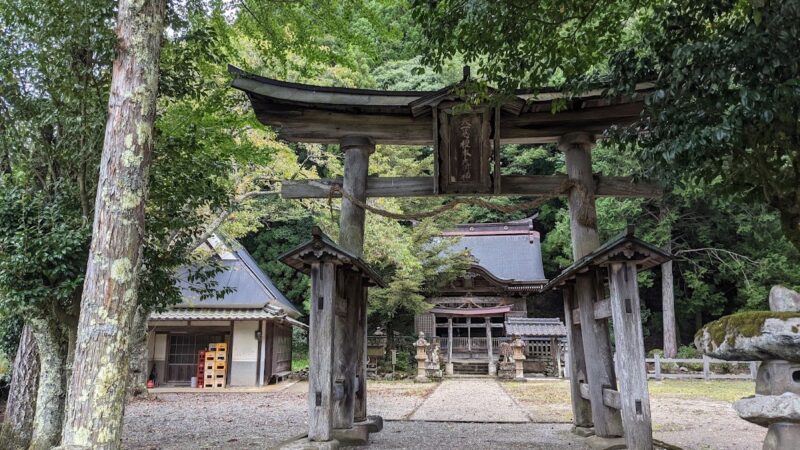
Before passing through the torii gate, bow slightly. This shows respect for entering the sacred area.
2. Purification at the Water Basin
If there is a water basin, purify your body and mind following these steps:
- Hold the ladle in your right hand and purify your left hand.
- Switch the ladle to your left hand and purify your right hand.
- Switch the ladle back to your right hand, receive water in your left hand, and rinse your mouth.
- Purify your left hand once more.
- Hold the ladle upright and purify the handle.
3. How to Walk the Path to the Shrine
The center of the path is considered the path of the gods, so it is desirable to walk along the edges.
4. Worship at the Main Hall
- Stand in front of the offering box and bow slightly.
- Quietly place your offering in the box.
- If there is a bell, ring it.
- Worship with two bows, two claps, and one bow (two bows, two claps, one bow).
- Convey your wishes and feelings of gratitude in your heart.
5. Bowing Upon Exit
When you finish your worship and leave through the torii gate, turn around and bow once.
Mindset When Visiting a Shrine
Visiting a shrine is not merely a place to make wishes, but a place to express gratitude and respect to the gods. It is important to express your gratitude and visit with humility.
At a community-based shrine like Katsuragi Honjin Shrine, it is especially desirable to visit with respect for the local history and culture. Maintain a quiet and calm demeanor, and respect the sacred space.
Regarding Photography
Photography is generally permitted on the shrine grounds, but please observe the following manners:
- Refrain from taking photos inside the main hall or during Shinto rituals.
- Avoid using flash.
- Be considerate of other visitors.
- Always obey any signs prohibiting photography.
- Post on social media only if it does not tarnish the dignity of the shrine.
Access and Basic Information
Location
Katsuragi Honjin Shrine is located in Kyoto Prefecture. For specific addresses and detailed location information, we recommend checking the latest information before visiting.
Access by Transportation
Access by Public Transportation
Please check local transportation information in advance regarding access from the nearest station. If there is a bus route, checking the timetable is helpful.
In some areas, the number of public transportation services may be limited, so it is important to plan your return transportation as well.
Access by Car
If you are visiting by private car, it is recommended to check in advance whether there is parking and how many cars can be parked. Many local shrines have limited parking space, so using public transportation is recommended during festivals and other special occasions.
When searching using a car navigation system, it is more reliable to search by address as well as the shrine name.
Visiting Hours
Entry to the shrine grounds is generally possible during the daytime, but the opening hours of the shrine office may be limited. Those wishing to receive a Goshuin (shrine stamp) or amulet are advised to inquire in advance.
While it is possible to visit in the early morning or after sunset, visiting during daylight hours is recommended for safety reasons.
Admission Fee
There is no admission fee to enter the shrine grounds. While offerings are optional, it is recommended to make a donation to help maintain the shrine.
Nearby Attractions and Tourist Spots
Local Historical Sites
Around Katsuragi Honjinja Shrine, there are likely to be many historical sites and cultural assets unique to Kyoto. Enjoy exploring the local history in conjunction with your shrine visit.
You may discover hidden gems by obtaining information from local tourist information centers and associations.
Natural Environment and Walking
The area around the shrine, nestled in Kyoto Prefecture’s rich natural environment, is an attractive walking course where you can enjoy the scenery of each season. The beautiful natural landscape is especially enjoyable during the fresh greenery of spring and the vibrant autumn foliage.
Local Food Culture
Experiencing the local food culture before or after your visit is also recommended. Each region of Kyoto Prefecture has its own unique food culture and specialties, and you can enjoy local cuisine at local restaurants.
Points to Note When Visiting Katsureimoto Shrine
Recommended Time to Visit
Spring (March-May)
This is a beautiful season of fresh greenery, and the mild weather makes it ideal for visiting. It’s also the time of the spring festival, offering the opportunity to witness traditional local events.
Autumn (September-November)
The autumn leaves are beautiful, and the autumn festival is held during this time. It’s a time to visit with a sense of gratitude befitting the harvest season.
Hatsumode (January)
Hatsumode, praying for happiness in the new year, is a great opportunity to celebrate the new year with the local community. However, it may be crowded.
Attire and Items to Bring When Visiting
Attire
There are no specific dress code requirements, but clean and appropriate clothing is desirable, keeping in mind that it is a sacred place. Avoid revealing or overly flashy clothing.
Please dress appropriately for the season. Especially in summer, a hat or parasol is recommended, and in winter, warm clothing is advisable for comfort.
Items to Bring
- Small change for offerings
- Goshuincho (stamp book) (if you wish to receive a Goshuin stamp)
- Camera (for commemorative photos)
- Drinks (especially in summer)
- Rain gear (in case of bad weather)
Consideration for the Community
Katsurei Honjinja Shrine is a shrine deeply rooted in the community, so consideration for local residents is important. Please note the following:
- Move quietly when passing through residential areas
- No street parking is allowed
- Always take your trash with you
- Remember to greet local residents
- Do not trespass on private property
About Goshuin Stamps
Issuance of Goshuin Stamps
Katsurei Honjinja Shrine may issue Goshuin stamps, but this is not always the case. If you wish to receive a Goshuin (temple/shrine stamp), please note the following:
Prior Confirmation
If possible, we recommend checking the opening hours of the shrine office and whether Goshuin are available in advance.
Preparing Your Goshuincho (Stamp Book)
Goshuin are generally written directly into your Goshuincho. Whether or not pre-written Goshuin are available if you forget your Goshuincho varies by shrine.
Offering Fee
The offering fee for a Goshuin is generally around 300 to 500 yen, but this varies by shrine. It’s best to have small change ready to avoid needing change.
Etiquette When Receiving a Goshuin
A Goshuin is proof of your visit, not a stamp rally. Always complete your prayers before receiving your Goshuin.
When receiving your Goshuin, it’s important to wait quietly and respectfully. Remember to express your gratitude to the shrine staff.
The Charm and Value of Katsureimoto Shrine
Inheritance of Local Faith
The greatest value of Katsureimoto Shrine lies in its preservation of local faith and traditions. Because it is a simple shrine that has not been commercialized for tourism, you can experience the essence of traditional Japanese shrine worship.
As a place of worship that has been protected and passed down by local people for generations, the shrine holds meaning beyond being merely a building. It is a place where people’s prayers, wishes, and gratitude have accumulated.
A Serene Space for Prayer
Unlike the major tourist shrines in Kyoto, Katsureimoto Shrine offers a quiet and peaceful atmosphere for worship. Because it is rarely crowded with tourists, you can calmly and peacefully offer your prayers.
This tranquil environment is the true essence of shrine worship and a precious space for finding inner peace.
Center of the Community
Shrines have been central to local communities since ancient times. Katsureimoto Shrine also functions as a place to deepen the bonds among local people, with intergenerational exchanges taking place through festivals and events. The existence of such community-based shrines is becoming increasingly precious in modern society.
How to Enjoy After Your Visit
Organizing Your Goshuincho (Stamp Book)
After your visit, check the stamps you received in your goshuincho and keep it safe as a record of your visit. Making notes of the date, location, and your feelings at the time will make it even more memorable when you look back on it later.
Creating a Visit Record
By recording photos, stamps, and your impressions of the visit, you can create your own unique visit record. When sharing on social media, remember to be considerate and respectful of the shrine’s dignity.
Exploring the Local Area
Learning about the history and culture of the area is also worthwhile, using your shrine visit as an opportunity. Visiting local libraries and local history museums will provide a deeper understanding.
Summary
Katsuremoto Shrine is a historical, community-based shrine located in Kyoto Prefecture. Unlike large, touristy shrines, Katsuragi Honjinja Shrine possesses a simple charm, offering a precious place to pray in a tranquil environment.
With a long history as a guardian deity of the region, and still attracting the faith of local people, Katsuragi Honjinja Shrine is a place where you can experience the essence of traditional Japanese shrine worship. It is believed to offer various blessings, such as family safety, abundant harvests, and protection from evil, making it suitable for visits at life’s milestones or to express daily gratitude.
When visiting, please observe basic shrine etiquette and remember to be considerate of the local community. Calm your mind in the serene grounds and express your gratitude and respect to the deities.
When visiting Kyoto, why not visit not only the famous tourist shrines, but also locally rooted shrines like Katsuragi Honjinja Shrine? There, you will find the true spirit of Japan, something not found in tourist guides.
Checking the latest information and preparing appropriately before your visit will make for a more fulfilling experience. We hope that your visit to Katsuragi Honjinja Shrine will be a memorable and valuable experience for you.