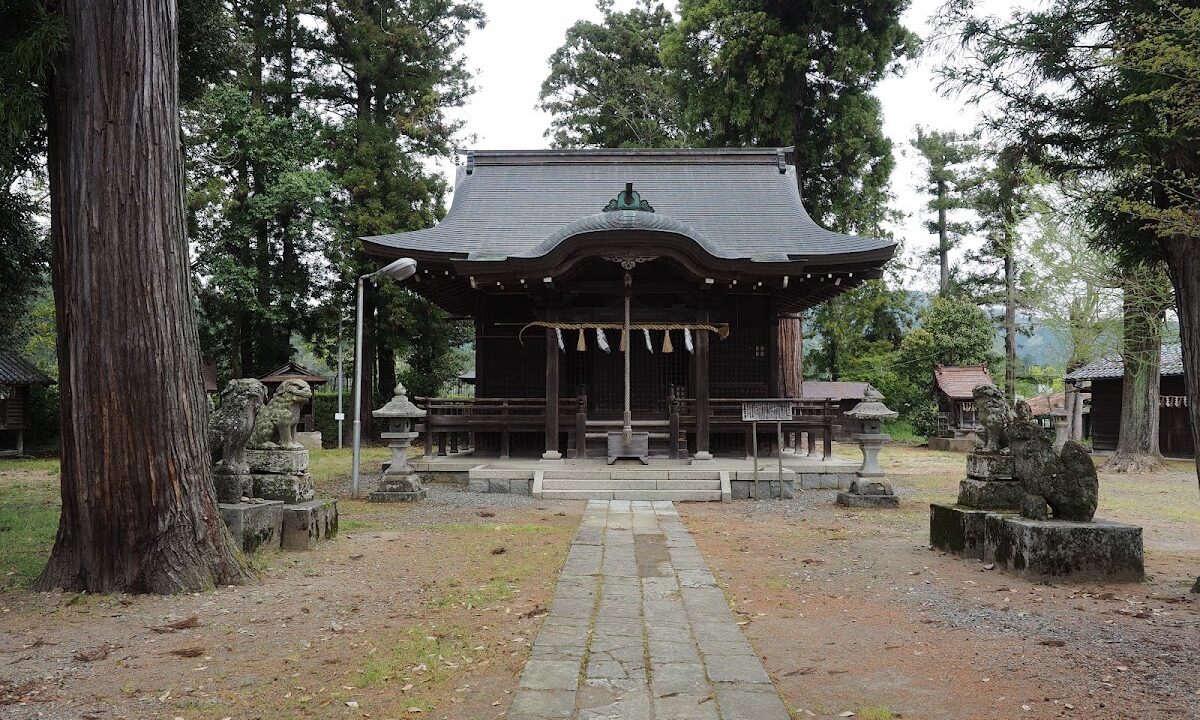
Amateru Tamamikoto Shrine (Fukuchiyama City, Kyoto Prefecture) Complete Guide | History, Deities, and Goshuin Information
Amateru Tamamikoto Shrine, located in Ima-an, Fukuchiyama City, Kyoto Prefecture, is a historically significant shrine listed in the Engishiki Jinmyocho (a list of shrines compiled in the Heian period). As an ancient shrine in Amata District, Tanba Province, it has attracted the faith of the local community. This guide provides detailed information you should know before visiting, including its history, enshrined deities, access, and goshuin information.
Basic Information on Amaterasu Tamamikoto Shrine
Location: 1497 Ima-an, Fukuchiyama City, Kyoto Prefecture
Former Shrine Rank: Go-sha (Village Shrine)
**Shikinaisha (Shrine Listed in the Engishiki): Amaterasu Tamamikoto Shrine, Amata District, Tanba Province (Listed in the Engishiki Jinmyocho)
Deity Enshrined: Amateru Kuniteruhiko Ame no Hoakari Kushitama Nigihayahi no Mikoto
Alternate Name: Waku Shrine (Former Name)
Amaterasu Tamamikoto Shrine is located approximately 3 km west of Fukuchiyama Station, nestled in a naturally rich environment with the Waku River, a tributary of the Yura River, flowing behind it.
About the Deity | What is Ame-no-Hoakari-no-Mikoto?
The deity enshrined at Amaterasu Tamame Shrine is formally named “Amaterasu Kuniteruhiko Ame-no-Hoakari Kushitama Nigihayahi-no-Mikoto,” and is generally known as Ame-no-Hoakari-no-Mikoto or Nigihayahi-no-Mikoto.
The Divine Nature of Ame-no-Hoakari-no-Mikoto
Ame-no-Hoakari-no-Mikoto is considered the grandson of Amaterasu-Omikami and possesses the following characteristics:
- Sun God-like Nature: As the name “Hoakari” suggests, he is a deity associated with light and the sun.
- Agricultural God: The guardian deity of agriculture, including rice cultivation.
- Ancestral Deity of the Amabe Clan: Worshipped as the ancestral deity by the Amabe clan, a powerful clan of Tango Province.
- Connection to the Mononobe Clan: In his aspect as Nigihayahi-no-Mikoto, he is the ancestral deity of the Mononobe clan.
Deep Connection to the Tanba Region
Many shrines dedicated to Ame-no-Hoakari-no-Mikoto exist in Tanba Province (present-day central Kyoto Prefecture and eastern Hyogo Prefecture). This indicates that powerful clans such as the ancient Tanba no Kuni no Miyatsuko and the Amabe clan held significant influence in this region.
Amaterasu Tamamikoto Shrine also occupies an important position as one of the centers of ancient faith in the Tanba region.
History and Origins of Amaterasu Tamamikoto Shrine
Origin of Founding
The following traditions remain regarding the founding of Amaterasu Tamamikoto Shrine:
Founding Period: During the reign of Emperor Seimu (13th Emperor) (around the 4th century)
Founder: Okuraki no Mikoto, Governor of Tanba Province
It is said that the shrine began when Okuraki no Mikoto enshrined the ancestral deity of his family, making it an ancient shrine with a history of nearly 1700 years.
Status as an Engishiki Shrine
It is listed as “Amaterasu Tamamikoto Shrine, Amata District, Tanba Province” in the “Engishiki Jinmyocho” (a list of shrines compiled in 927), indicating that it was already a prestigious shrine recognized by the imperial court during the Heian period.
Shrines listed in the Engishiki Jinmyocho are called “Shikinaisha,” and there are approximately 2,800 of them nationwide. In Amata District, Tanba Province, four shrines are listed, and Amaterasu Tamamikoto Shrine is one of them, counted among the “Four Shrines of Amata.”
Changes Since the Edo Period
- Former Name: It was once called “Waku Shrine,” suggesting a connection to the Waku River that flows behind it.
- Modern Shrine Ranking System: Under the Meiji era shrine ranking system, it was classified as a “Village Shrine.”
- Local Belief: It has attracted the faith of local residents as a shrine for praying for rain.
Highlights of the Shrine Grounds
Shrine Architecture
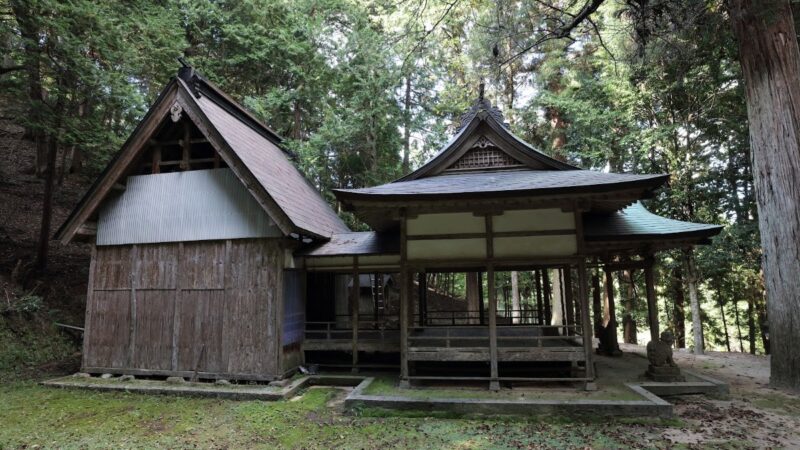
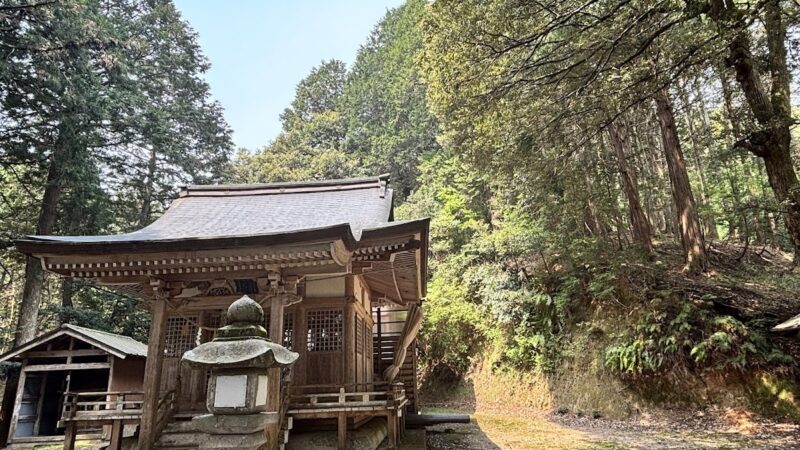
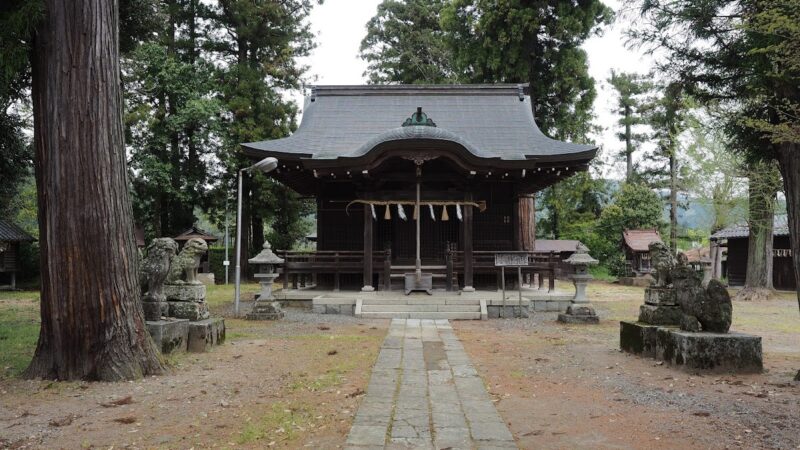
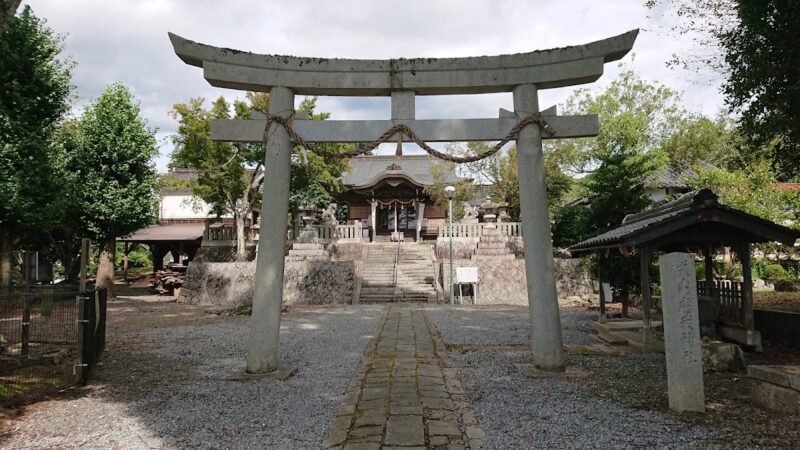
The grounds of Amaterasu Tamamikoto Shrine are a sacred place enveloped in a tranquil atmosphere. The main hall maintains a traditional shrine architectural style, exuding a sense of long history.
Natural Environment
The shrine grounds are surrounded by abundant nature, and the following features are particularly noteworthy:
- Wakugawa River: The clear stream flowing behind the shrine maintains its purity.
- Guardian Forest: Ancient trees stand tall, creating a sacred atmosphere.
- Seasonal Changes: The area displays different expressions with each season, such as the fresh greenery of spring and the vibrant autumn foliage.
Stone Monuments and Information Boards
Stone monuments and information boards detailing the shrine’s history are installed on the grounds, allowing visitors to learn about the shrine’s history and the enshrined deities.
Goshuin (Shrine Seal) Information
Goshuin (shrine seals) are available at Amaterasu Tamamikoto Shrine.
Features of the Goshuin (Shrine Seal)
- Ink Inscription: The name of the shrine, “Amaterasu Tamano Mikoto Shrine,” is carefully inscribed in ink.
- Red Seal: The shrine’s official seal is stamped.
- Notation of Engishiki Shrine: It may be noted that the shrine is an Engishiki shrine.
Regarding Receiving the Goshuin
Please note the following points when receiving a Goshuin:
- Prior Confirmation: There may not be a permanently staffed shrine office, so it is recommended to confirm in advance.
- Worship Manners: The Goshuin is proof of worship, so please be sure to worship before receiving it.
- Offering Fee: Generally, around 300 to 500 yen is a guideline.
Access Method
Access by Train
Nearest Station: JR San’in Main Line (Sagano Line) “Atsuchu Tonya Station”
- Approximately 15-20 minutes on foot from Atsunaka Tonya Station
- Approximately 3km west of Fukuchiyama Station
Access by Car
From Kyoto:
- Approximately 10 minutes from the Fukuchiyama Interchange on the Kyoto Expressway
From Osaka:
- Approximately 10 minutes from the Fukuchiyama Interchange on the Maizuru-Wakasa Expressway
Parking: Parking is available on the shrine grounds or nearby, but spaces may be limited.
Address and Navigation Settings
Address: 1497 Ima-an, Fukuchiyama City, Kyoto Prefecture 620-0000
Please enter “Amaterasu Tamamikoto Shrine” or the above address into your car navigation system or smartphone map app.
Points and Manners for Visiting
Visiting Hours
While you can generally visit the shrine grounds freely, the shrine office’s operating hours may be limited.
Proper Worship Etiquette
- Bow at the Torii Gate: Bow before passing through the torii gate.
- Purify at the Water Basin: Purify your hands and mouth before praying.
- Two Bows, Two Claps, One Bow: Follow the general etiquette for visiting a shrine.
- Worship Quietly: Respect the tranquil atmosphere of this Shikinaisha (shrine listed in the Engishiki).
Photography
- Photography is generally permitted on the shrine grounds, but please be considerate of other worshippers.
- Follow instructions if photography is prohibited in certain areas, such as inside the main hall.
Nearby Attractions
Main Tourist Spots in Fukuchiyama City
Fukuchiyama Castle: A castle built by Akechi Mitsuhide, a symbol of Fukuchiyama City.
Goryo Shrine: A rare shrine dedicated to Akechi Mitsuhide.
Fukuchiyama Zoo: The second oldest zoo in Japan.
Nearby Shikinaisha Shrines
There are other Shikinaisha shrines in Amata District, Tanba Province, where you can enjoy a shrine tour:
- Amata Shrine: An ancient shrine that gave its name to Amata District
- Goryo Shrine: Also has a history as a Shikinaisha shrine
Annual Events of Amaterasu Tamamikoto Shrine
Main Festivals
For detailed information on annual events, please contact the local parishioners’ organization or the cultural property department of Fukuchiyama City. The following festivals are generally held at shrines:
- New Year’s Day Festival: January 1st
- Spring Grand Festival: Spring
- Autumn Grand Festival: Autumn
Rain-Praying Beliefs
Amaterasu Tamamikoto Shrine is known as the “Shrine of Rain-Praying,” and since ancient times, there has been a belief in praying for rain necessary for agriculture. This is thought to reflect the characteristics of Ame no Hoakari no Mikoto as a god of agriculture.
The Relationship Between Tanba Province and the Amabe Clan
Connection to the Moto-Ise Faith
In the Tango region (present-day northern Kyoto Prefecture), there is a group of shrines called “Moto-Ise,” believed to be the temporary places where Amaterasu Omikami was enshrined before her permanent residency at Ise Grand Shrine.
The enshrined deity of Amaterasu Tamamikoto Shrine, Ame-no-Hoakari-no-Mikoto, is also the ancestral deity of the Amabe clan, who were responsible for the Moto-Ise faith in Tango, demonstrating a part of the ancient religious network in the Tanba and Tango regions.
The Amabe Clan and the Mononobe Clan
The Amabe clan was an ancient powerful family known for the “Amabe Clan Genealogy” (National Treasure), and they considered Ame-no-Hoakari-no-Mikoto as their ancestral deity. On the other hand, Nigihayahi-no-Mikoto is considered the ancestral deity of the Mononobe clan, and the relationship between the two is an important theme in the study of ancient history.
The fact that Amaterasu Tamamikoto Shrine enshrines both as the same deity is an interesting example for considering the power dynamics and religious practices of the ancient powerful families in this region.
Significance of Visiting Amaterasu Tamamikoto Shrine
The Joys of Visiting Shikinaisha Shrines
Visiting Shikinaisha shrines listed in the Engishiki Jinmyocho (a list of shrines compiled in the Heian period) is popular among history and shrine enthusiasts. Amaterasu Tamamikoto Shrine is an important spot for Shikinaisha shrine pilgrimages for the following reasons:
- Ancient Prestige: A history recognized for over 1000 years
- Connection to Local History: Traces of ancient powerful clans such as the Tanba no Kuni no Miyatsuko and the Amabe clan
- Connection to Mythology: Enshrinement of the important deity Ame no Hoakari no Mikoto
A Quiet Worship Environment
Nestled in a quiet environment on the outskirts of Fukuchiyama City, Amaterasu Tamamikoto Shrine is a place where you can leave the hustle and bustle and worship in peace. By immersing yourself in this ancient place of worship, you can feel the weight of history and a sacred atmosphere.
Historical Background of Fukuchiyama City
Amata District, Tanba Province
In ancient administrative divisions, the area around present-day Fukuchiyama City belonged to “Amata District, Tanba Province.” Amata District had four shrines listed in the Engishiki Jinmyocho (a list of shrines compiled in the Heian period), indicating that this region was important from ancient times.
Akechi Mitsuhide and Fukuchiyama
At the end of the Sengoku period, Akechi Mitsuhide built Fukuchiyama Castle and developed the castle town. Under Mitsuhide’s rule, Fukuchiyama developed significantly, and many historical sites associated with Mitsuhide remain today.
Amateru Tamamikoto Shrine has a history far older than Mitsuhide’s time, and it is believed to have continued to exist as a center of faith in this region during Mitsuhide’s era.
Frequently Asked Questions (FAQ)
Q1: How do you pronounce Amateru Tamamikoto Shrine?
A: It is pronounced “Amateru Tamamikoto Jinja.” The official name of the enshrined deity, “Amateru Kuniteruhiko Ame no Hoakari Kushitama Nigihayahi no Mikoto,” is read as “Amateru Kuniteruhiko Ame no Hoakari Kushitama Nigihayahi no Mikoto.”
Q2: What is the relationship between Amaterasu Omikami and Amaterasu Tamano Mikoto Shrine?
A: The enshrined deity of Amaterasu Tamano Mikoto Shrine is Ame no Hoakari no Mikoto (Nigihayahi no Mikoto), a different deity from Amaterasu Omikami. However, Ame no Hoakari no Mikoto is considered the grandson of Amaterasu Omikami, and they share a common sun-god-like characteristic.
Q3: Is it guaranteed that I can get a Goshuin (shrine stamp)?
A: Since there may not always be a permanent shrine office, it is recommended to check in advance if you definitely want to get a Goshuin. It would be a good idea to inquire with the Fukuchiyama City Tourism Association or the Cultural Properties Department.
Q4: Is there parking available?
A: There is parking space on the shrine grounds or nearby, but the number of spaces may be limited. It may get crowded during long holidays, so we recommend visiting with plenty of time to spare.
Q5: Why is Amaterasu Tamamikoto Shrine called the “Shrine of Rain Prayer”?
A: Because the enshrined deity, Ame no Hoakari no Mikoto, has characteristics of an agricultural god, prayers for rain for a bountiful harvest have been offered here since ancient times. In an era when agriculture was central to life, moderate rain was extremely important, and this was a place of worship imbued with the earnest wishes of the local residents.
Q6: How long does it take to visit the shrine?
A: The shrine grounds are not very large, so the visit itself can be completed in about 15-30 minutes. However, if you want to take your time strolling around the grounds or enjoying the surrounding nature, it’s a good idea to allow about an hour.
Q7: What is a Shikinaisha?
A: This refers to shrines listed in the Engishiki Jinmyocho (compiled in 927), which are prestigious shrines recognized by the imperial court during the Heian period. There are approximately 2,800 such shrines nationwide, and they are highly valued as shrines with ancient histories.
Q8: Is it within walking distance from Fukuchiyama Station?
A: It’s about 3km from Fukuchiyama Station, so it takes about 40-50 minutes on foot. It’s about 15-20 minutes on foot from the nearest Atsunaka Tonya Station. Consider taking a taxi or renting a car.
Summary
Amaterasu Tamamikoto Shrine, located in Fukuchiyama City, Kyoto Prefecture, is a venerable ancient shrine with a history of nearly 1700 years, listed in the Engishiki.
The Charm of Amaterasu Tamamikoto Shrine:
- A prestigious shrine listed in the Engishiki Jinmyocho (a list of shrines compiled in the Heian period)
- Dedicates the important deity Ame no Hoakari no Mikoto (Nigihayahi no Mikoto)
- Trace the footsteps of ancient powerful clans such as the Tanba no Kuni no Miyatsuko and the Amabe clan
- A history of attracting local faith as a shrine for praying for rain
- A peaceful worship experience in a tranquil natural environment
When visiting Fukuchiyama, be sure to visit Amaterasu Tamamikoto Shrine, an ancient place of worship, along with Fukuchiyama Castle and Goryo Shrine. You will surely feel the prestige unique to a shrine listed in the Engishiki and the sacred atmosphere nurtured by its long history.
Amaterasu Tamamikoto Shrine, where you can experience the history and faith of ancient Tanba and the world of Japanese mythology, is a special place worth visiting for history buffs and those who enjoy visiting shrines.