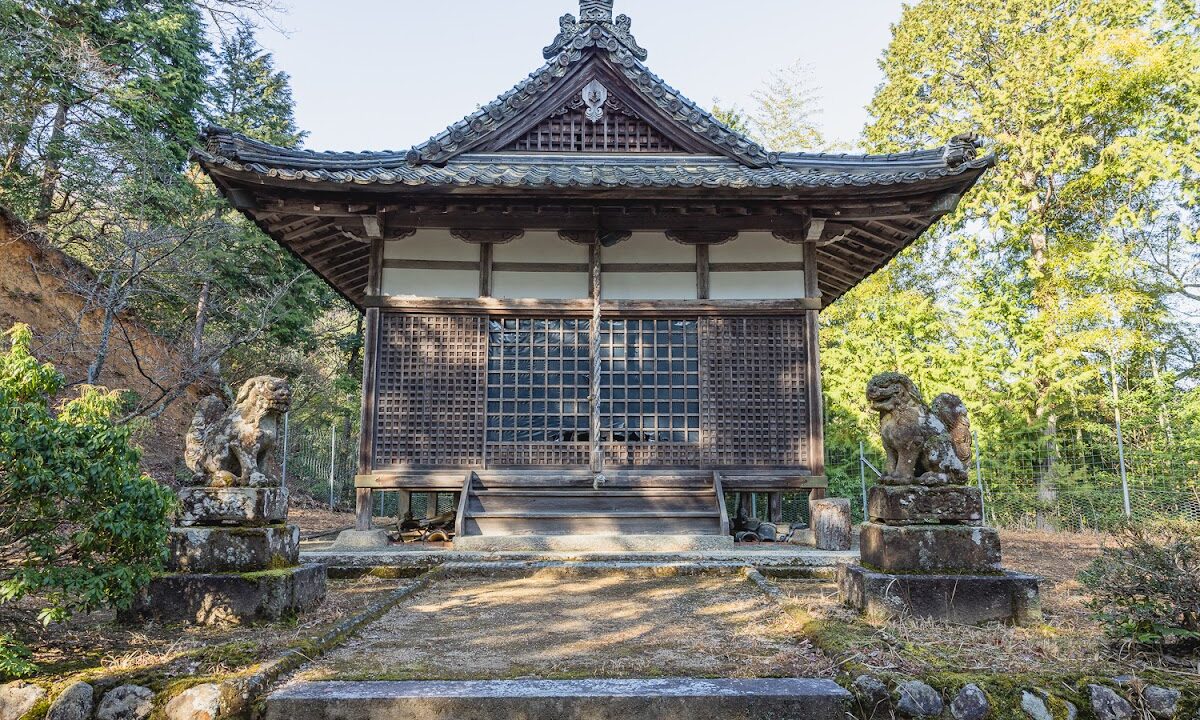
Complete Guide to Ichidani Nanano Shrine (Kyoto Prefecture) | A Thorough Explanation of its Benefits for Reconciliation and Protection from Infidelity, and its Historical Background
Nestled quietly in a residential area of Kamigyo-ku, Kyoto City, Ichidani Nanano Shrine is a shrine that attracts worshippers from all over Japan due to its unique benefits of reconciliation and protection from infidelity. Despite its small grounds, it has garnered attention as a power spot backed by a deep history dating back to the Heian period and a legend of regaining the Emperor’s love.
This article will thoroughly explain the charm of Ichidani Nanano Shrine, from its historical background and the unique “Takasago-yama Prayer” method of worship to access information and goshuin (shrine stamp) information.
What is Ichidani Nanano Shrine? | Why is it known as a power spot for reconciliation?
Ichidani Nanano Shrine is located at 277 Nishi-Ichidani Yokomachi, Omiya-dori Rozanji-agaru, Kamigyo-ku, Kyoto City. It is pronounced “Ichidani Nanano Jinja,” and the origin of its name will be explained later, but it is also known locally as “Kasuga Shrine.”
Why is it believed to bring blessings for reconciliation and preventing infidelity?
The reason Ichidani Nanano Shrine became famous as a power spot for reconciliation is deeply connected to historical events from the Heian period. This shrine is believed to have the power to restore love that has been lost, in other words, “rekindling relationships,” and is visited by people with the following wishes in particular:
- People who wish to reconcile with a former lover
- People who want to prevent their partner from cheating
- People who want to rekindle love that has cooled
- People who wish for success in love
While there are many shrines for matchmaking in Kyoto, shrines that specialize in “reconciliation” and “rekindling relationships” are extremely rare, and therefore, visitors from all over the country continue to flock to it.
History and Origins of Ichitani Nanano Shrine | An Ancient Shrine Located on the Site of the Kamo Saiin (Imperial Princess’ Residence)
Founding and Deities
Ichitani Nanano Shrine is said to have been founded in 850 (Kashō 3). The following deities are enshrined there:
Main Deities:
- Takasa no Ōkami
- Kasuga no Ōkami
- Takemikazuchi no Mikoto
- 19 other deities
Because its origin lies in the enshrinement of Kasuga no Ōkami, it also came to be called “Kasuga Shrine.” Its history suggests a connection to Kasuga Taisha Shrine in Nara.
A Special Location: The Site of the Kamo Saiin
The site where Ichitani Nanano Shrine stands is the location of the Saiin, the imperial residence where the Saio (Imperial Princess serving at the Kamo Shrines, Kamigamo Shrine and Shimogamo Shrine) purified herself and resided during the Heian period. This is known as the “Kamo Saiin Site.”
A Saio was an unmarried Imperial Princess who served the gods on behalf of the Emperor. The Kamo Saiin system continued for approximately 400 years, starting in 810 (Daido 5) when Princess Uchiko, daughter of Emperor Saga, became the first Saio. The Saio played a crucial role in the Aoi Festival (Kamo Festival).
The fact that Ichitani Nanano Shrine is located in this sacred place speaks to the strong spiritual power of the shrine.
The Origin of the Saio-dai Procession in the Aoi Festival
The grounds of Ichidani Nanano Shrine are the birthplace of the “Saio-dai Procession” performed in the current Aoi Festival. During the Heian period, the Saio (Imperial Princess serving at the Ise Shrine) traveled from the Saiin Palace in Murasakino to Kamo Shrine in a magnificent procession. This is the root of the modern Saio-dai Procession in the Aoi Festival.
The Aoi Festival is one of Kyoto’s three major festivals, and Ichidani Nanano Shrine, with its historical background, holds an important place in Kyoto’s history.
Origin of the Shrine Name | What Does “Ichidani Nanano” Mean?
Origin of “Ichidani”
“Ichii” refers to the oak tree, a deciduous tree of the beech family. The name “Ichidani” originated from the fact that this area was once a valley where many oak trees grew.
The Origin of “Nanano”
“Nanano” refers to seven plains that spread across the foothills of Funayama Mountain in the northwestern part of Heian-kyo (Kyoto). Specifically, the following seven plains are believed to have existed:
- Hirano
- Murasakino
- Rendaino
- Kitano
- Uchino
- Kamino
- Hagino
These plains were used as outskirts of Kyoto during the Heian period, serving as hunting grounds and burial grounds for the nobility. Ichitani Nanano Shrine is named “Ichitani Nanano Shrine” because it is located in this area of Nanano.
The Core of Prayer for Reconciliation | What is Takasago-yama Prayer?
The most distinctive feature of Ichitani Nanano Shrine lies in its unique method of worship called “Takasago-yama Prayer.” This is a prayer method based on a historical story of an empress regaining the emperor’s love.
The Origin of the Takasago-yama Prayer | The Story of the Empress Who Regained the Emperor’s Love
During the Heian period, an emperor’s affection shifted to another woman, deeply saddening the empress. Therefore, the empress built a small sand mound of white sand, inspired by Mount Mikasa where Kasuga Taisha Shrine is located in Nara, and prayed fervently before it. Legend says that she miraculously regained the emperor’s love.
In keeping with this story, Ichitani Nanano Shrine has a “Takasago-yama” (Takasago Mountain) made of white sand within its grounds. It is believed that praying here brings blessings for reconciliation and protection against infidelity.
How to Perform the Takasago-yama Prayer
The specific method for performing the Takasago-yama prayer is as follows:
- Worship at the Main Shrine: First, perform the usual worship at the main shrine.
- Proceed to Takasago-yama in Front of the Shrine: Approach Takasago-yama, a mountain made of white sand within the shrine grounds.
- Pray with Your Wish: Pray towards Takasago-yama, focusing on your wish for reconciliation or the restoration of love.
- Touch the White Sand: It is believed that touching the white sand while making your wish will grant you a stronger power to strengthen your relationship.
This Takasago-yama is modeled after Mikasa-yama in Nara and symbolizes the connection with Kasuga-Okami. Worshippers perform this prayer quietly, but with strong feelings.
Meaning of Prayer in Front of the Shrine
“In front of the shrine” refers to the area in front of the shrine building. At Ichitani Nanano Shrine, prayer at Takasago-yama, located in front of the shrine, is considered particularly effective for reconciliation. The idea is that by recreating the prayer performed by the Empress of the Heian period, one can receive the same power to regain love.
Benefits for Severing Ties | Subtly Cutting Off Bad Relationships
Ichitani Nanano Shrine is famous for its blessings of reconciliation and preventing infidelity, but it is also said to offer benefits for “severing ties.” However, this is not an aggressive way of severing ties, but rather a way to quietly break off unhealthy relationships and invite in new, good ones.
What Kind of Ties Can Be Severed?
- To end relationships that should not continue, such as extramarital affairs.
- To sever ties between your partner and their affair partner.
- To distance yourself from relationships that cause you suffering.
- To break free from bad habits and addictions.
In this way, the severing of ties at Ichitani Nanano Shrine can be described as a “purification” for a better life. Along with its benefits for reconciliation, this shrine also fulfills the wish to organize complex romantic relationships.
Highlights of the Shrine Grounds | A Small Space, Yet Filled with History
Compact Yet Solemn Grounds
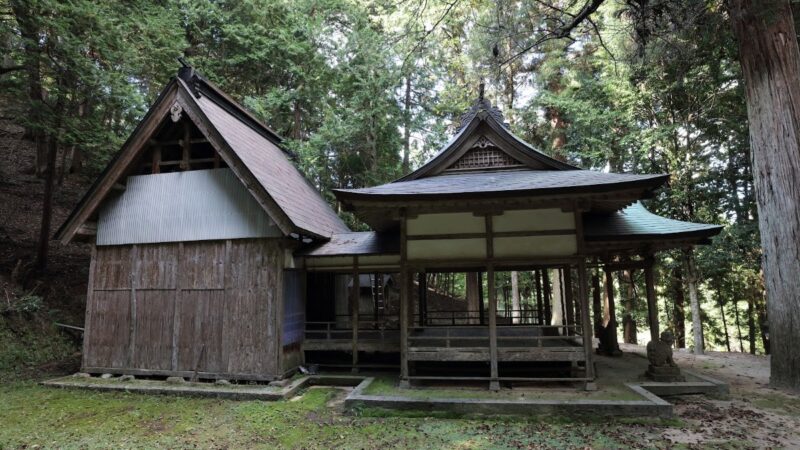
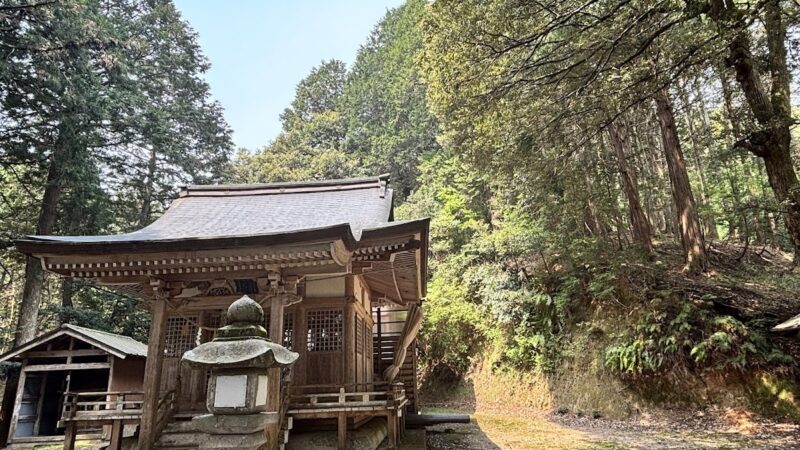
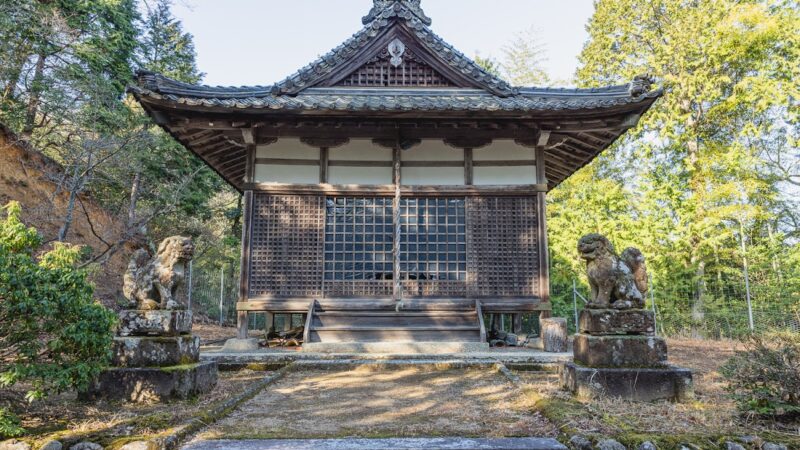
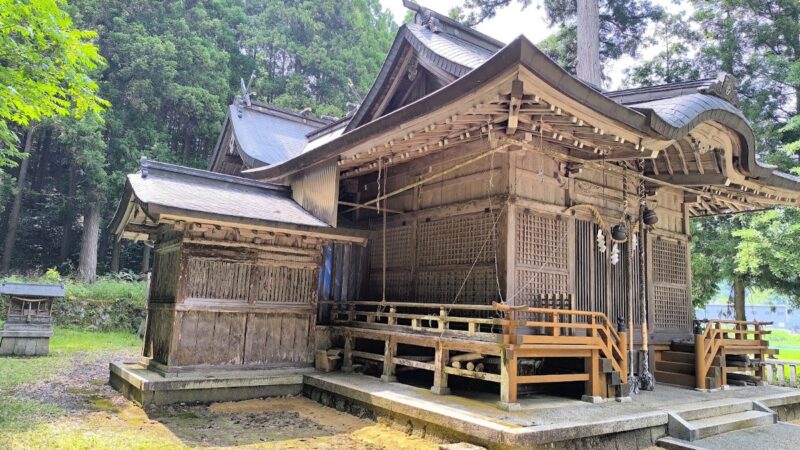
The grounds of Ichitani Nanano Shrine are not particularly large. This small shrine, nestled quietly in a residential area, offers a peaceful and tranquil atmosphere, providing an ideal environment for focused prayer.
Stone Walls and Historical Atmosphere
Ancient stone walls remain within the shrine grounds, conveying a sense of history dating back to the Heian period. These walls are thought to be remnants of the Kamo Saiin era, making them a fascinating point for history buffs.
White Sand Takasago Mountain
The most striking feature of the shrine grounds is the white sand Takasago Mountain in front of the shrine. Modeled after Mount Mikasa in Nara, this sand mound serves as a central point of the shrine, a place where worshippers offer their prayers.
Goshuin and Goshuincho Information | A Memento of Your Visit
About Goshuin
Goshuin (shrine stamps) are available at Ichitani Nanano Shrine. Goshuin serve as proof of your visit and a tangible representation of your connection to the shrine.
Features of the Goshuin (Shrine Seal):
- The name “Ichitani Nanano Shrine” is written in ink.
- The shrine’s seal is stamped.
- The date is written in.
When receiving a Goshuin, please speak to the shrine office after completing your prayers. However, as it is a small shrine, the priest may not always be present. It is recommended to check the visiting hours in advance.
Original Goshuincho (Shrine Seal Book)
It is recommended to check upon your visit whether Ichitani Nanano Shrine has an original Goshuincho. Due to its small size, the availability of Goshuincho may be limited.
Access and Visiting Information | How to Get to Kamigyo-ku, Kyoto City
Basic Information
Address: 277 Nishinai Yokomachi, Omiya-dori Rozanji-agaru, Kamigyo-ku, Kyoto City, Kyoto Prefecture 602-0094
Chief Priest: Masahiko Sakamoto
Annual Festival Date: October 16th
Visiting Hours: Grounds are freely accessible (24-hour visitation possible)
Closed Days: Open every day
Admission Fee: Free
Access by Train and Bus
Nearest Station:
- Approximately 15-minute walk from Kuramaguchi Station on the Kyoto Municipal Subway Karasuma Line
Access by Bus:
- Approximately 25 minutes by Kyoto City Bus Route 9 (bound for Nishigamo Shako-mae) from JR Kyoto Station, get off at Tenjin Koen-mae, and walk approximately 10 minutes
- Approximately 8-minute walk from the Imadegawa Omiya bus stop
Access by Car and Parking
Ichitani Nanano Shrine does not have its own parking lot. If you are visiting by car, you will need to use a nearby coin-operated parking lot. However, since it is located in a residential area, some roads are narrow. We recommend using public transportation.
Nearby Tourist Attractions
The following tourist attractions are located near Ichitani Nanano Shrine:
- Kitano Tenmangu Shrine: Famous as the god of learning (approx. 15-minute walk)
- Kamishichiken: Kyoto’s oldest geisha district (approx. 10-minute walk)
- Seimei Shrine: A shrine dedicated to the Onmyoji (exorcist) Abe no Seimei (approx. 15-minute walk)
- Daitoku-ji Temple: The head temple of the Rinzai sect, Daitoku-ji school (approx. 20-minute walk)
By visiting these tourist attractions in conjunction with your visit to Ichitani Nanano Shrine, you can experience Kyoto’s history and culture more deeply.
Manners and Precautions for Visiting a Shrine
Basic Manners for Visiting a Shrine
- Bow before passing through the torii gate: This is a courtesy when entering the sacred area.
- Avoid the center of the path: The center is considered the path of the gods.
- Purify yourself at the water basin: Cleanse your hands and mouth before praying.
- Two bows, two claps, one bow: This is the basic way to pray.
- Pray quietly: Remember to be considerate of other worshippers.
Regarding Photography
Photography is generally permitted on the shrine grounds, but please note the following:
- Refrain from taking photos inside the main hall.
- Be considerate so as not to include other worshippers in your photos.
- Refrain from using flash.
- Remember to show respect to the shrine when posting on social media.
Mindset for Praying for Reconciliation
When praying for reconciliation, it’s important to have the following mindset, not just the wish to “get back together.”
- Have gratitude towards others.
- Vow to reflect on and grow for oneself.
- Have the generosity of spirit to wish for the happiness of others.
- Have the humility to entrust the outcome to God.
Praying at a shrine is also a process for organizing one’s thoughts and cultivating a positive attitude.
Annual Events of Ichitani Nanano Shrine
Annual Festival (October 16th)
The most important festival at Ichitani Nanano Shrine is the annual festival held on October 16th every year. This day is the most sacred day for the shrine, and a ceremony to offer gratitude to the gods is held.
Other Annual Events
As it is a small shrine, there are not many large-scale festivals, but visitors come for Hatsumode (first shrine visit of the year) on New Year’s Day. It is also possible to visit in conjunction with traditional Japanese events such as Setsubun (bean-throwing festival) and Shichi-Go-San (children’s festival).
Ichitani Nanano Shrine and Kyoto in the Heian Period
Position in Heian-kyo
Ichitani Nanano Shrine is located in the northwestern part of Heian-kyo. This area was used as a villa area and hunting ground for aristocrats during the Heian period, offering a quiet environment away from the hustle and bustle of the capital.
Relationship between Kamo Saiin and the Imperial Family
The Kamo Saiin had a deep connection with the Imperial Family as it was the residence of the Saio, who served the Kamo Shrine on behalf of the Emperor. The Saio was chosen from unmarried princesses and led a strict life as a servant of the gods during her tenure.
The fact that Ichitani Nanano Shrine is located in a place with such a historical background can be considered a source of the shrine’s spiritual power.
Deep Connection to the Aoi Festival
The Aoi Festival is an important festival that has continued since the Heian period as the annual festival of the Kamo Shrine. Ichitani Nanano Shrine has played a crucial role in the history of the Aoi Festival, as it is the birthplace of the Saio-dai procession.
In the modern Aoi Festival, a woman called the Saio-dai, dressed in the attire of a Heian-period Saio (Imperial Princess serving at the Ise Shrine), parades through the streets of Kyoto in a magnificent procession. The origin of this tradition lies at Ichitani Nanano Shrine.
Testimonials and Testimonials of Successful Reconciliation
Visitors from Across Japan
People seeking reconciliation come to Ichitani Nanano Shrine from all over Japan, from Hokkaido to Kyushu. Despite being a small shrine, a steady stream of people travel from afar seeking its miraculous powers.
Reputation on Social Media
On social media and blogs, there are reports of people actually achieving reconciliation after praying at Ichitani Nanano Shrine. Of course, personal effort and sincere attitudes towards the other person are also important, but many people say that praying at the shrine provided them with emotional support.
Reputation on Social Media
On social media and blogs, there are reports of people actually achieving reconciliation after praying at Ichitani Nanano Shrine. Of course, prayer is not the only factor; personal effort and sincere attitudes towards the other person are also important, but many people say that praying at the shrine provided them with emotional support. ### Visitor Testimonials
- “I was able to pray deeply in a quiet and peaceful atmosphere.”
- “Praying at Takasago-yama was a unique experience unlike any other shrine.”
- “Although it’s a small shrine, I felt a strange sense of purification.”
- “My wish for reconciliation didn’t come true, but I gained the courage to move forward.”
Recommended Itinerary for Visiting Ichitani Nanano Shrine
Half-Day Course: Exploring the Nishijin Area
Morning:
- Pray for academic success at Kitano Tenmangu Shrine (9:00-10:00)
- Enjoy the atmosphere of Kyoto’s geisha district in Kamishichiken (10:00-10:30)
- Pray for reconciliation at Ichitani Nanano Shrine (10:30-11:30)
Afternoon:
- Visit the Nishijin Textile Center to see traditional crafts (12:00-13:00)
- Prayers for protection against misfortune at Seimei Shrine (13:30-14:30)
One-Day Course: Visiting Kyoto’s Shrines and Temples
Morning:
- Prayers for matchmaking at Shimogamo Shrine (9:00-10:30)
- Prayers for good fortune at Kamigamo Shrine (11:00-12:00)
Afternoon:
- Prayers for reconciliation at Ichitani Nanano Shrine (13:00-14:00)
- Experience the world of Zen at Daitoku-ji Temple (14:30-16:00)
- Enjoy the iconic scenery of Kyoto at Kinkaku-ji Temple (16:30-17:30)
Recommended Time to Visit
Ichitani Nanano Shrine is open year-round, but the following times are especially recommended.
- Spring (March-May): During the Aoi Festival (May 15th), you can feel the historical background more deeply.
- Autumn (October-November): This is the time of the annual festival (October 16th), and the autumn leaves are beautiful.
- Weekday Mornings: For those who want to visit in peace, weekday mornings when there are fewer people are recommended.
Summary | A Shrine that Grants the Power to Reclaim Love
Ichitani Nanano Shrine is a small shrine quietly nestled in a residential area of Kamigyo Ward, Kyoto City, but it is a power spot known nationwide for its unique blessings of reconciliation and protection against infidelity.
Located on the historically important site of the Kamo Saiin (Imperial Princess’s residence) from the Heian period, and possessing a unique worship method called “Takasago-yama Prayer” based on the legend of reclaiming the Emperor’s love, this shrine is not merely a tourist spot, but a spiritual haven for those who sincerely wish to reclaim love.
The historical significance of Ichitani Nanano Shrine as the birthplace of the Saio-dai procession of the Aoi Festival, its history as the sanctuary of Kasuga Okami, and above all, the power of the gods to respond to the heartfelt wishes of visitors—all of these factors combine to make Ichitani Nanano Shrine a shrine of special spiritual power.
For those wishing to rekindle a past relationship, repair their relationship with their partner, or move on from past ties to prepare for a new romance, Ichitani Nanano Shrine is a shrine that quietly supports your wishes.
When you visit Kyoto, why not stop by this small yet powerful shrine and offer your wishes to the gods before the white sands of Takasago Mountain? This shrine will surely teach you that love never perishes, but has the potential to be reborn in a new form.