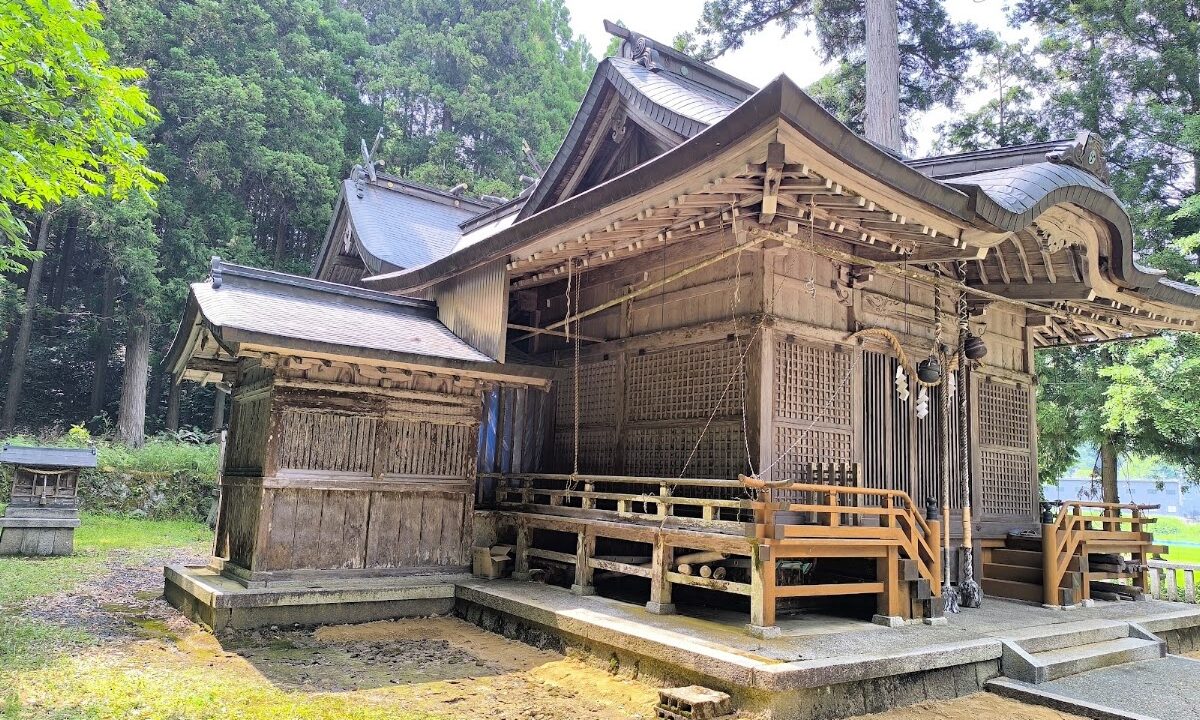
Achiebe Shrine (Kyoto Prefecture) Complete Guide | A Thorough Explanation of History, Deities, Blessings, and Visiting Information
Kyoto Prefecture boasts numerous shrines, but among them, Achiebe Shrine, with its deep connection to ancient clans, is a fascinating destination for history enthusiasts and those who enjoy visiting shrines. This article provides a detailed explanation of Achiebe Shrine’s history, enshrined deities, blessings, and helpful information for visitors.
What is Achiebe Shrine?
Achiebe Shrine is a shrine located in Kyoto Prefecture and is said to have deep ties to the ancient clan, the “Achiebe clan.” It has a long history as a local tutelary shrine and has been cherished by the local people.
Shrine Characteristics
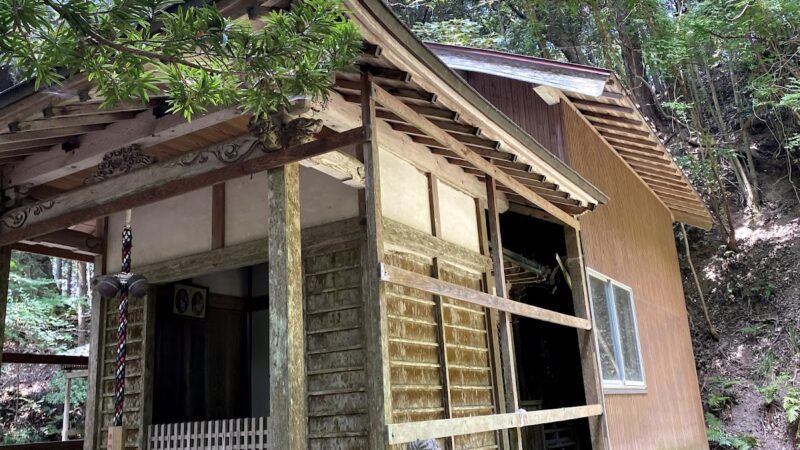
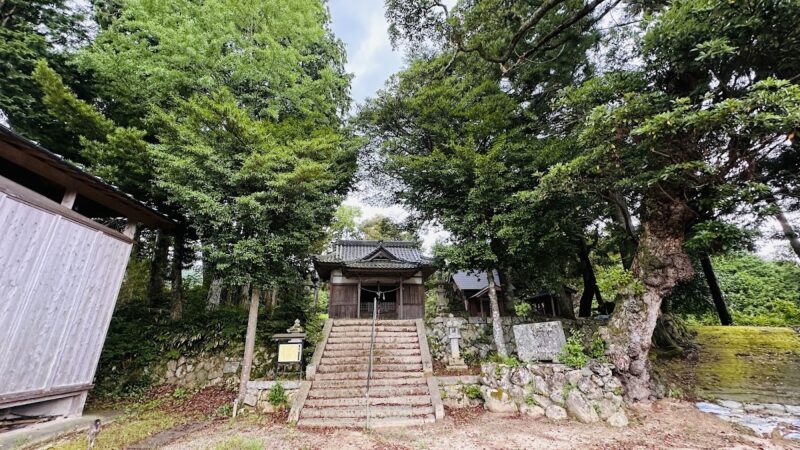
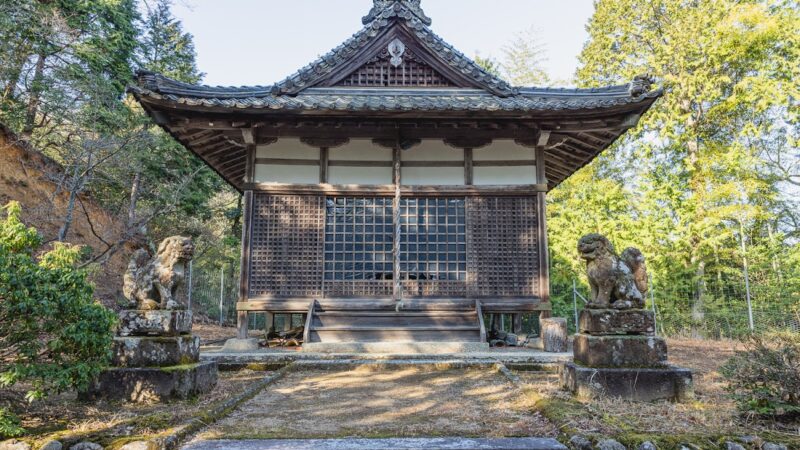
Achiebe Shrine is located in a quiet environment away from the hustle and bustle of urban areas, allowing visitors to purify their minds in a peaceful atmosphere. The shrine grounds are well-maintained, and the ancient shrine buildings and torii gates welcome visitors, evoking a sense of history.
History and Origins of Achiebe Shrine
Origin of Founding
While there are various theories regarding the exact founding date of Achiebe Shrine, it is believed to have a history dating back to ancient times. The name “Achiebe” in the shrine’s name refers to one of the “be” (部) in the ancient Japanese clan system, representing a group that performed specific duties.
The Achiebe clan is believed to be related to a branch of the Yamato no Aya clan, a clan of immigrant origin, and is thought to have been a group of people who possessed technology and culture introduced from the continent. It is believed that Achiebe Shrine originated when this clan enshrined their tutelary deity in the region where they lived.
Historical Background
In ancient Japan, clans worshipped their respective tutelary deities and prayed for the prosperity and safety of their family. The Achiebe clan also built a shrine to enshrine their own tutelary deity and passed down their faith through generations.
As time passed and the clan system declined, the worship of the shrine as the local tutelary deity continued, and it has been carefully preserved by the local people to this day.
Changes since the Modern Era
With the establishment of the shrine system during the Meiji era, many shrines were given official ranks. Achiebe Shrine was also officially recognized as a shrine during this period and came to be recognized as an important place of worship in the region.
Even after the war, maintenance and management continued by local residents, with regular festivals and cleaning activities being held.
Deities and Benefits
Deities
Regarding the deities enshrined at Achiebe Shrine, given its character as the local tutelary deity, it is believed that the following gods are worshipped:
- Ancestral Deity of the Clan: The ancestral deity of the Achiebe clan
- Guardian Deity of the Region: Deities protecting the land
For specific names of the deities, it is important to check the shrine’s history and local traditions.
Benefits
The benefits you can expect at Achiebe Shrine include the following:
Family Safety and Prosperity of Descendants
As a guardian deity of the land, it has been worshipped as a place to pray for the safety of family and the prosperity of the clan. It is suitable for worshippers who wish for family safety and the prosperity of descendants.
Peace and Security of the Community
As a local guardian deity, it plays a role in protecting the peace and safety of the entire community, and you can pray for the peace and security of the local residents.
Skill Improvement and Academic Success
Since the Achiebe clan was a group with skills of foreign origin, it is also considered meaningful to worship here to pray for skill improvement and academic success.
Highlights of the Shrine Grounds
Main Hall
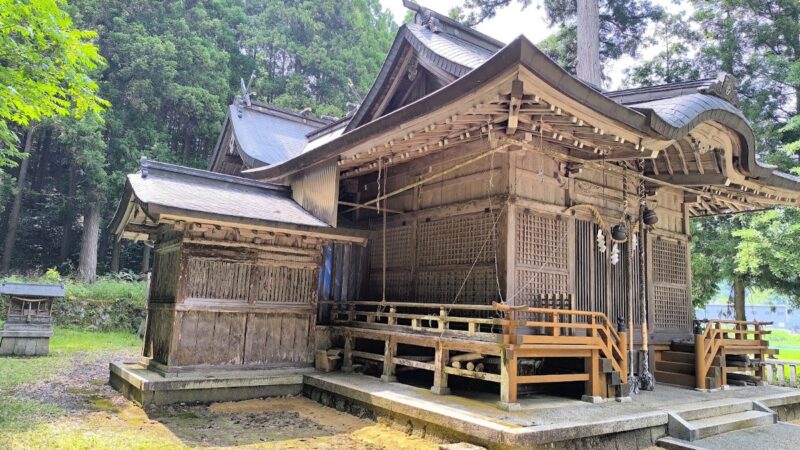
The main hall of Achiebe Shrine has a traditional shrine architectural style and an appearance that conveys the weight of history. It is kept in good condition through regular repairs.
Torii Gate
The torii gate, which serves as the entrance to the sacred area, guides worshippers into a sacred space. Bowing before passing through the torii gate is proper etiquette when visiting a shrine.
Shrine Office
There is a shrine office where you can receive goshuin (stamped seals) and other offerings. However, in the case of smaller shrines, staff may not be permanently stationed, so it is recommended to check in advance.
Subsidiary Shrines
Besides the main shrine, there may be small shrines or subsidiary shrines within the grounds. Visiting these as well makes for a more respectful visit.
Etiquette and Manners for Visiting a Shrine
Basic Etiquette for Visiting a Shrine
When visiting Achiebe Shrine, please observe the following basic etiquette:
- Bow at the Torii Gate: Bow before passing through the torii gate.
- Walking on the Path: The center of the path is considered the path of the gods, so walk along the sides.
- Purification at the Water Basin: If there is a water basin, purify your hands and mouth.
- Worship at the Main Hall: Worship using the two bows, two claps, and one bow method.
- Bow upon Exit: Turn around and bow again when leaving the torii gate.
Etiquette for Watering
- Hold the ladle in your right hand and purify your left hand.
- Switch the ladle to your left hand and purify your right hand.
- Hold the ladle again in your right hand, receive water in your left hand, and rinse your mouth.
- Cleanse your left hand again.
- Stand the ladle upright, pour water over the handle, and return it to its original place.
Mindset When Visiting a Shrine
Visiting a shrine is not merely sightseeing; it is an act of visiting a place of faith. Please pay attention to the following points:
- Worship quietly and do not speak loudly.
- Keep the shrine grounds clean and take your trash with you.
- Take photographs only within permitted areas.
- Remember to be considerate of other worshippers.
Annual Events and Festivals
Annual Grand Festival
Like many shrines, Achiebe Shrine holds an annual Grand Festival. The Grand Festival is the most important festival for the shrine, where gratitude is expressed to the enshrined deity and prayers are offered for the peace and prosperity of the community.
For specific dates, it is recommended to inquire with the shrine or the local parishioner organization.
Monthly Festival
The monthly festival (tsukinami-sai), held on a fixed day each month, involves Shinto rituals such as the recitation of prayers and the offering of sacred branches by the Shinto priests.
Seasonal Events
- Hatsumode: New Year’s visit to a shrine
- Setsubun Festival: A ritual to ward off evil spirits held on Setsubun in February
- Natsukoshi no Harae: A Shinto ritual held at the end of June to purify oneself of the impurities accumulated over the past six months
- Shichi-Go-San: A celebration of children’s growth in November
Access Information
Location
It is recommended to confirm the exact location of Achiebe Shrine in advance. Since there may be shrines with similar names in multiple areas within Kyoto Prefecture, it is important to clearly define your destination.
Access by Public Transportation
Generally, there are the following ways to access shrines in Kyoto Prefecture:
- Train/Bus: Use a bus or taxi from the nearest station
- Route Bus: Kyoto City has an extensive bus network
For specific nearest stations and bus stops, please refer to the shrine’s official information or local tourist guides.
Access by Car
When visiting by car:
- Enter the shrine name or address into your car’s navigation system.
- Check in advance whether parking is available.
- Smaller shrines may not have dedicated parking.
Visiting Hours
While shrine grounds are generally open for free visits during the day, the office hours may be limited. If you wish to receive a Goshuin (shrine stamp) or other items, check the hours in advance.
Nearby Tourist Attractions
Shrines and Temples in Kyoto
When visiting Achiebe Shrine, it is also recommended to visit other nearby shrines and temples. Kyoto Prefecture boasts:
- Shrines and temples registered as World Heritage Sites
- Historical temples
- Local shrines
and other diverse places of worship.
Historical Sites
Kyoto is a city that has played a significant role in Japanese history, and in addition to shrines:
- Old townscapes
- Traditional buildings
- History museums
and other attractions abound.
Natural Scenery
Kyoto Prefecture boasts many beautiful natural landscapes:
- Mountain views
- Riverside walking paths
- Seasonal flowers
You can enjoy the scenery of each season.
Goshuin (Shrine Seals) and Gifts
Goshuin (Shrine Seals)
Goshuin are valuable records given as proof of visiting a shrine. Achiebe Shrine may also offer goshuin, but for smaller shrines, please note the following:
- They may not be available at all times
- Advance reservations may be required
- They may only be available on specific dates and times
If you wish to receive a goshuin, it is recommended to inquire with the shrine in advance.
Items Offered
The shrine offers a variety of items:
Amulets
- Amulet for family safety
- Amulet for traffic safety
- Amulet for academic success
- Amulet for protection against evil
Talismans
- Talismans to be placed on the household altar
- Talismans to be displayed in the entrance or room
Others
- Ema (votive tablets): Write your wish and offer it
- Omikuji (fortune slips): Messages from the gods
The Achiebe Clan and Immigrant Culture
The Achiebe Clan as an Immigrant Clan
The Achiebe clan is considered one of the immigrant clans that played an important role in ancient Japan. Immigrant clans were descendants of people who migrated to the Japanese archipelago from the Korean Peninsula or mainland China, bringing advanced technology and culture with them.
Transmission of Technology and Culture
Immigrant clans contributed to Japan’s development in the following areas:
- Textile Technology: Advanced textile manufacturing techniques
- Ironworking: Manufacturing of iron farming tools and weapons
- Civil Engineering: Construction of irrigation systems and roads
- Written Culture: Spread of Chinese characters and record-keeping culture
The Achiebe clan is also believed to have contributed to the local community as bearers of these technologies and cultures.
The Importance of Clan Beliefs
In ancient Japan, clans worshipped their respective tutelary deities, praying for the unity and prosperity of their family. Achiebe Shrine is a valuable example of this tradition of clan belief that continues to this day.
Shrine Culture in Kyoto
The Role of Shrines in Kyoto
Kyoto flourished for a long time as the capital of Japan, and many shrines were built there. These shrines have played important roles:
- Religious Centers: As places of worship
- Cultural Centers: As venues for festivals and performing arts
- Social Centers: As the core of local communities
Shrines of Various Sizes
Kyoto has:
- Large shrines such as Fushimi Inari Taisha and Kamigamo Shrine
- Small local shrines
There are shrines of various sizes and characteristics. Local shrines like Achiebe Shrine possess a different kind of intimacy and historical depth compared to large shrines.
Significance and Guidelines for Visiting Shrines
Why Visit Shrines?
There are various meanings to visiting shrines:
Expression of Gratitude
We express our gratitude to the gods for daily peace and blessings.
Prayer
We entrust various wishes to the gods, such as family health, success in work, and academic achievement.
Purification of the Mind
A sacred space provides an opportunity to calm the mind, escape the hustle and bustle of everyday life, and reflect on oneself.
Preservation of Traditional Culture
Through the act of visiting a shrine, we pass on Japan’s traditional culture to future generations.
Shrine Visits in Modern Times
In modern society, shrine visits have diverse meanings, including:
- Spiritual refuge: Healing for the mind in a stressful society
- Cultural experience: An opportunity to experience Japan’s traditional culture
- Tourism: Enjoying historical buildings and beautiful scenery
Local Communities and Shrines
Relationship between Parishioners and Shrines
Local shrines like Achiebe Shrine are supported by local residents called parishioners. Parishioners play roles such as:
- Maintenance and management of the shrine
- Operation of festivals
- Preservation of traditions
The Core of the Local Community
Shrines function not only as places of worship but also as the center of the local community:
- Festivals: Opportunities for local residents to gather
- Cleaning Activities: Interaction through collaborative work
- Traditional Events: Transmission of culture across generations
Depopulation and the Maintenance of Shrines
In modern Japan, depopulation and the aging population are making the maintenance of local shrines a challenge. To preserve historical shrines like Achiebe Shrine for future generations, the following are important:
- Cooperation from local residents
- Increased visitor numbers from outside the area
- Increased recognition of the shrine as a cultural asset
Preparations Before Visiting
Pre-Visit Checklist
Before visiting Achiebe Shrine, please check the following:
- Location Confirmation: The exact address and access method
- Visiting Hours: The time of entry to the shrine grounds and the hours of operation of the shrine office
- Parking Availability: If visiting by car
- Festival Dates: Choosing a day with special events is recommended
- Goshuin (Shrine Stamp) Availability: If you wish to receive a Goshuin
Items to Bring
Useful items to bring when visiting:
- Small change: For offerings
- Goshuincho (Shrine Stamp Book): If you wish to receive a Goshuin
- Camera: If photography is permitted
- Notebook: For recording the history and other information
- Rain gear: Depending on the weather
Clothing
No special clothing is required for visiting the shrine, but please consider the following:
- Clean clothing
- Avoid overly revealing clothing.
- Comfortable walking shoes.
- Seasonal attire (wear clothing appropriate for the season, such as clothing for warmth in summer and clothing for warmth in winter).
The Charm of Achiebe Shrine
Depth of History
Achiebe Shrine, which originates from an ancient clan, is a very attractive place to visit for those interested in ancient Japanese history. It is a good opportunity to learn about the clan system and immigrant culture.
Quiet Worship Environment
Unlike large tourist shrines, its charm lies in the calm atmosphere where you can worship at your own pace. It is an environment suitable for quieting your mind and offering prayers.
Connection to the Community
As a shrine rooted in the community, its close ties to the faith and lives of local people are also one of its charms. By visiting, you can experience the history and culture of the region.
Cultural Value
As a shrine that conveys the tradition of clan faith, it has high cultural and historical value and is an important presence for understanding Japanese religious culture.
Summary
Achiebe Shrine is a historically significant shrine that originates from the ancient Achiebe clan. Located in Kyoto Prefecture, this shrine has long been revered as the local guardian deity.
This shrine, which conveys the culture and traditions of immigrant clans, possesses a quiet charm that differs from large-scale tourist shrines. It is worth visiting to seek blessings for family safety, prosperity of descendants, and improvement in skills.
When visiting, please observe basic etiquette and manners, and show respect for the sacred space. Checking the location, access methods, and visiting hours in advance will allow for a smooth visit.
As part of a Kyoto shrine tour, or for those interested in ancient Japanese history, Achiebe Shrine will offer a valuable experience. The time spent quietly offering prayers while immersing yourself in the local history and culture will surely bring new vitality to your daily life.
We hope that through your visit to Achiebe Shrine, you will feel the history of traditional Japanese culture and ancient faith.