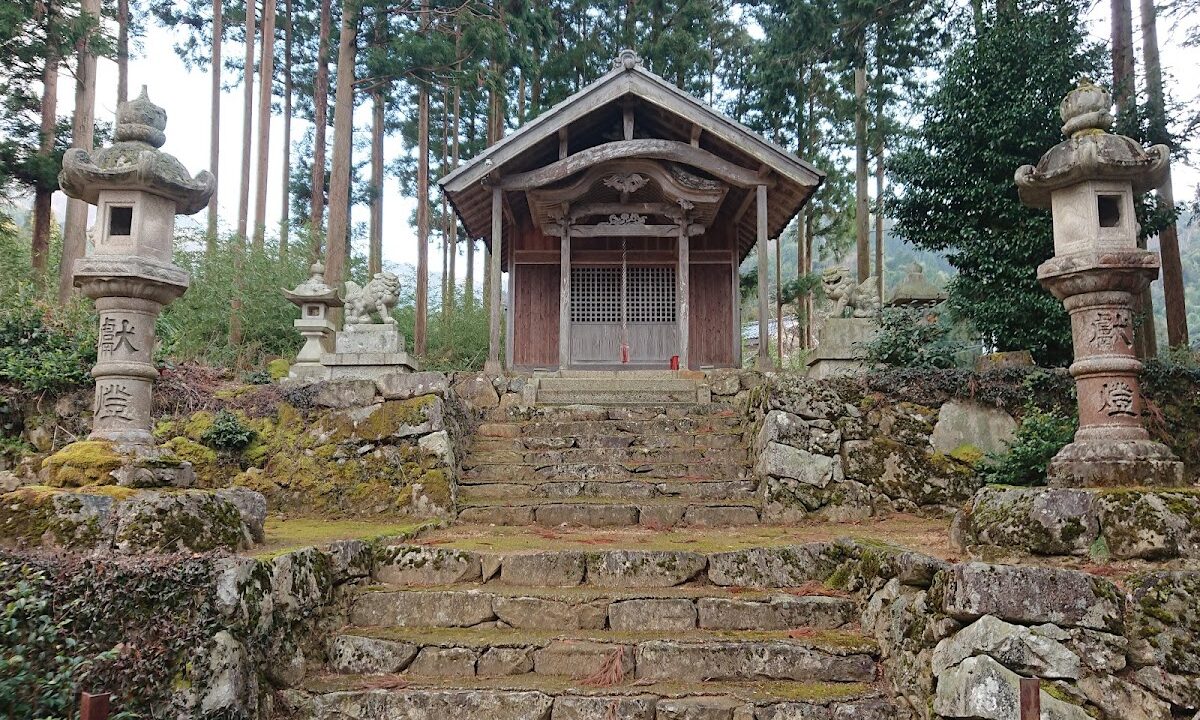
Kikube Shrine (Kyoto Prefecture) Complete Guide | History, Deities, Blessings, and Access Information
Kyoto Prefecture boasts numerous shrines, but among them, Kikube Shrine, with its deep roots in local history and tradition, offers visitors a tranquil place of healing and faith. This article provides a detailed introduction to Kikube Shrine, including its history, enshrined deities, blessings, highlights within the grounds, and practical information for your visit.
What is Kikube Shrine?
Kikube Shrine, located in Kyoto Prefecture, has long been revered as the local guardian deity. The name “Kikube” is believed to originate from historical place names and clans in the region, and it plays an important role as a spiritual pillar of the local community.
Located in a quiet environment away from the hustle and bustle of urban areas, the shrine grounds, surrounded by nature throughout the seasons, offer peace of mind to visitors. It is a shrine that attracts attention not only from local residents but also from shrine-visiting enthusiasts seeking out hidden gems in Kyoto.
History of Kikube Shrine
Founding and History
While there are no clear records regarding the founding date of Kikube Shrine, local traditions suggest that some form of religious service may have been performed there since before the Heian period. Given Kyoto’s geographical location, many shrines were founded from ancient to medieval times and revered as guardian deities of the region.
The place name Kikube is thought to be related to the ancient clan system and land divisions, suggesting a possible connection to a family that ruled the area or to a specific industry (such as chrysanthemum cultivation).
Historical Changes
From the medieval to the early modern period, Kikube Shrine was protected by local people as the tutelary deity of the region. Even through the turmoil of the Sengoku period and the social changes of the Edo period, the shrine was maintained through the fervent faith of the local residents and continues to this day.
Although it was affected by the Meiji-era separation of Shinto and Buddhism and the shrine consolidation policy, it maintained its status as an independent shrine through the efforts of the local people. Even as the eras of Showa, Heisei, and Reiwa have changed, it has been cherished as a spiritual cornerstone of the community.
Deities and Benefits
Deities
The deities enshrined at Kikube Shrine are based on local traditions and the shrine’s history. Generally, shrines dedicated to local guardian deities often enshrine the following types of gods:
- Local Guardian Deity: A god who protects the land
- Ubusunagami: A god who protects the people born in that land
- God of Agriculture and Industry: A god related to the region’s major industries
At Kikube Shrine, the enshrined deities are those that reflect the history and characteristics of the region, and it has been an object of faith for local residents since ancient times.
Benefits
The benefits you can expect at Kikube Shrine include the following:
Family Safety and Community Peace
As a guardian deity, it protects the safety and prosperity of the people living in the area and their families.
Abundant Harvest and Business Prosperity
You can pray for the development of local industries such as agriculture and commerce.
Protection from Misfortune and Disaster
It is believed to protect you from various misfortunes in daily life.
Health and Longevity
Many visitors come to pray for physical and mental health and longevity.
Matchmaking and Family Harmony
It is believed to bring blessings for good relationships and deepening family bonds.
Highlights of the Shrine Grounds
Main Hall and Worship Hall
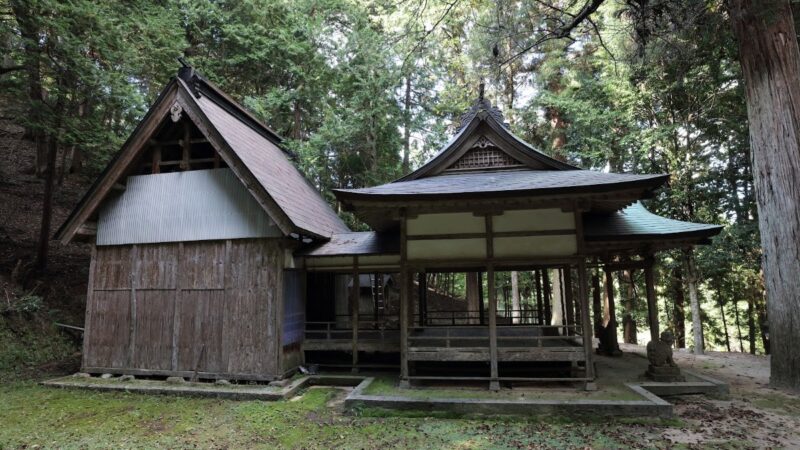
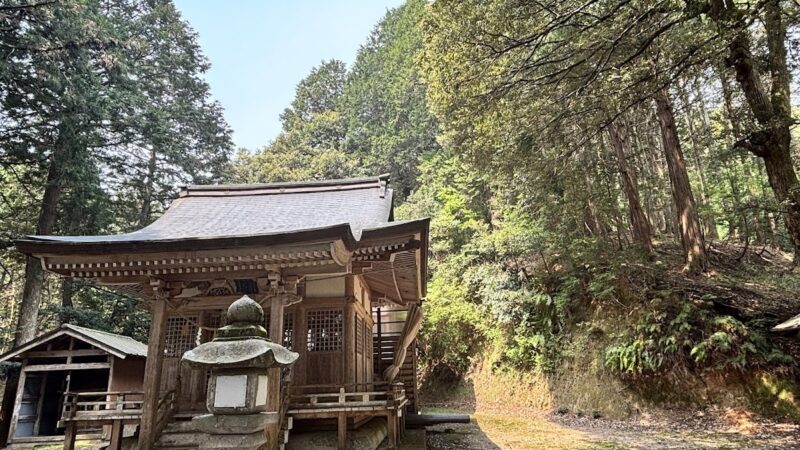
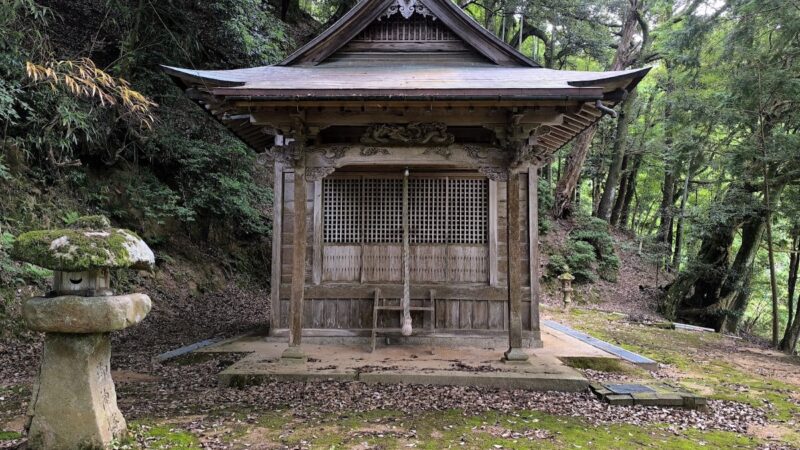
The main hall of Kikube Shrine maintains a traditional shrine architectural style, characterized by its simple beauty as a wooden structure. In the worship hall, visitors can offer prayers in peace, and a solemn atmosphere prevails.
The architectural style and decorations reflect the technology and aesthetic sensibilities of the time, and it also possesses value as a valuable cultural asset that tells the history of the region.
Shrine Precincts
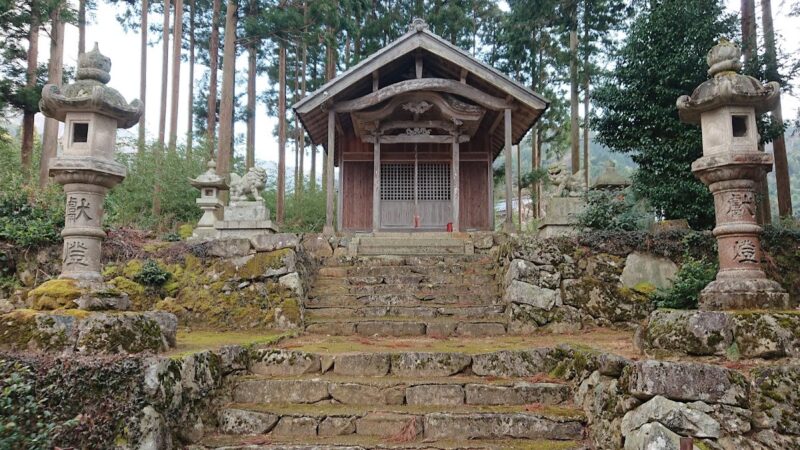
Around the main shrine building, there may be several smaller shrines (subsidiary shrines/outlying shrines). Each of these small shrines enshrines a different deity, catering to worshippers seeking diverse blessings.
Sacred Trees and Nature
Like many shrines, Kikube Shrine boasts ancient sacred trees and beautiful nature that changes with the seasons. In particular:
- Spring: Cherry blossoms and fresh greenery adorn the grounds
- Summer: A tranquil space enveloped in deep green
- Autumn: Beautiful autumn leaves
- Winter: A sacred atmosphere within the snow-covered grounds
The opportunity to worship in harmony with nature is one of Kikube Shrine’s greatest charms.
Water Basin
There is a water basin for purifying the body and mind before worship. By purifying your hands and mouth with the correct etiquette before worship, you can offer a more heartfelt prayer.
How to Worship and Etiquette
Basic Worship Etiquette
Worship at Kikube Shrine follows the general etiquette for visiting shrines:
- Passing through the Torii Gate: Bow before entering the shrine grounds.
- Purifying at the Water Basin: Purify your left hand, right hand, and mouth in that order.
- Proceeding to the Main Hall: The center of the path is the path for the gods, so walk along the sides.
- Offering a Coin: Quietly place your coin in the offering box.
- Ringing the Bell: If there is a bell, ring it.
- Two Bows, Two Claps, One Bow: Bow deeply twice, clap twice, and finally bow once.
- Departing: Bow again when leaving the Torii Gate.
How to Pray
When praying, first silently state your address and name, express your gratitude for everyday blessings, and then pray for your specific wishes. It is important to have respect and gratitude towards the gods.
Amulet and Goshuin (Shrine Seal) Information
Amulets
Kikube Shrine offers various types of amulets (we recommend checking the opening hours of the amulet office before visiting):
- Family Safety Amulet: An amulet to protect the safety and happiness of your family
- Exorcism Amulet: For those in their unlucky year or those wishing for protection from misfortune
- Health Amulet: An amulet for wishing for good health and longevity
- Traffic Safety Amulet: An amulet for safe driving and traffic safety
- Academic Success Amulet: For students wishing for academic improvement
- Matchmaking Amulet: For those wishing for a good match
It is common practice to replace amulets with new ones approximately once a year and return old amulets to the shrine.
Goshuin (Shrine Seals)
Many people collect goshuin as a memento of their shrine visits. Goshuin may also be available at Kikube Shrine (we recommend checking the hours and methods of distribution in advance).
Goshuin (temple/shrine stamps) are proof of worship, not a stamp rally. Please be sure to complete your worship and receive the stamp with gratitude.
Annual Events and Festivals
Main Annual Events
Kikube Shrine holds various Shinto rituals and festivals throughout the year:
Saitansai (January 1st)
A festival to welcome the new year and pray for peace throughout the year. It is bustling with worshippers making their first shrine visit of the year.
Setsubunsai (around February 3rd)
Events such as bean-throwing are held, and prayers are offered for protection against evil.
Spring Grand Festival
An important festival held in spring, praying for the prosperity of the region and a bountiful harvest.
Natsukoshi no Oharae (June 30th)
A ceremony to purify oneself of the impurities accumulated over the past six months and pray for good health and protection from illness for the remaining half of the year.
Autumn Grand Festival
This festival expresses gratitude for the autumn harvest and prays for the development of the community.
Year-End Purification Ceremony (December 31st)
This ceremony purifies the impurities of the past year and prepares for the new year.
Community Involvement
During festivals, local residents cooperate in performing Shinto rituals, and sometimes portable shrine processions and dedication ceremonies take place. These events are important opportunities to strengthen the bonds of the local community.
Access Information
Location
For the exact location of Kikube Shrine, please check the specific city, town, and address within Kyoto Prefecture. Since Kyoto Prefecture is a large area, it is important to check the exact address before visiting.
Access by Public Transportation
When using trains and buses:
We recommend checking walking routes from the nearest station or bus stop using a map app beforehand. Within Kyoto City, you will use city buses or the subway; outside Kyoto City, you will use JR lines or private railways.
Access by Car
If using a car:
You can visit by entering the shrine’s name or address into your car’s navigation system. It’s advisable to check the availability and number of parking spaces in advance.
Access from major roads:
Check access routes from major roads and expressways within Kyoto Prefecture in advance. Especially during festivals and the New Year’s visit period, congestion is expected, so it’s recommended to allow ample time for your visit.
Parking Information
The availability, number of parking spaces, and operating hours vary depending on the size and location of the shrine. Smaller shrines may not have dedicated parking, so consider using public transportation.
Precautions during Visit
Dress Code and Manners
- Dress Code: Clean, understated clothing is preferred. Especially during formal visits, avoid overly casual attire.
- Photography: Photography is generally permitted within the shrine grounds, but refrain from taking pictures inside the main hall or in sacred areas. Please be considerate of other visitors.
- Quietness: Please be quiet on the shrine grounds and refrain from loud conversations.
- Smoking and Eating: Smoking and eating are generally prohibited on the shrine grounds.
Visiting Hours
Many shrines are open for worship during the day, but the opening hours of the office (where amulets and Goshuin stamps are given) may be limited. It is recommended to check in advance if you wish to be sure to receive them.
Pet Policy
Regarding bringing pets to shrines varies by shrine. Generally, pets are allowed on the grounds, but consideration is required, such as refraining from bringing them near the main hall.
Nearby Tourist Attractions
Famous Places in Kyoto Prefecture
When visiting Kikube Shrine, you can enjoy a more fulfilling Kyoto sightseeing experience by also visiting nearby tourist attractions:
Historical Buildings
Kyoto Prefecture has numerous temples and shrines registered as World Heritage Sites. Many of Japan’s most famous landmarks, such as Kiyomizu-dera Temple, Kinkaku-ji Temple, Ginkaku-ji Temple, and Fushimi Inari Taisha Shrine, are scattered throughout the area. Natural Scenery
Kyoto Prefecture boasts numerous spots where you can enjoy beautiful natural scenery, such as Arashiyama, the Kamo River, and the Lake Biwa Canal.
Cultural Facilities
You can learn more about Kyoto’s history and culture at places like the Kyoto National Museum and the Kyoto City Museum of Art.
Local Specialties and Gourmet Food
Kyoto Prefecture is also known for its rich food culture:
- Kyoto Cuisine: Kaiseki cuisine with delicate flavors
- Uji Tea: World-famous Japanese tea
- Kyoto Vegetables: Dishes using traditional vegetables
- Japanese Sweets: Beautiful appearance and elegant taste
Enjoying local food culture before or after your visit to the shrine is highly recommended.
The Charm of Kikube Shrine
A Tranquil Environment
Unlike famous shrines bustling with tourists, Kikube Shrine’s greatest charm lies in its quiet and peaceful atmosphere, allowing visitors to pray in tranquility. You can calm your mind and offer your prayers at your own pace.
Deep Ties with the Community
As the local guardian shrine, Kikube Shrine has been closely intertwined with people’s lives throughout its long history. Its simple and warm atmosphere provides a sense of peace and tranquility to visitors.
Beauty in the Seasons
The nature within the shrine grounds displays different expressions with each season, offering new discoveries with every visit. Visiting while experiencing the changing seasons will leave a deep impression on your heart.
Voices of Visitors
Faith of Local Residents
For local residents, Kikube Shrine is a familiar and comforting place they’ve known since childhood. It’s an important place they visit at significant life events such as their child’s first shrine visit, Shichi-Go-San (a traditional rite of passage for children), and exorcisms.
Evaluation by Shrine Enthusiasts
Shrine enthusiasts who enjoy visiting hidden shrines in Kyoto praise it for its “quiet and calming atmosphere” and the “sense of local history.” Its simple charm, unlike that of more famous shrines, is what makes it so popular.
Kyoto’s Shrine Culture and Kikube Shrine
The Role of Shrines in Kyoto
Kyoto has a history as the capital city spanning over a thousand years, and countless shrines exist there. Each shrine, regardless of its size, has played a vital role in its local community.
Kikube Shrine is one such example, continuing to function as a spiritual pillar of the region. It embodies a community-oriented approach to shrine worship, distinct from large-scale tourist shrines.
The Tradition of Ujigami Worship
In Japanese shrine worship, faith in the Ujigami (guardian deity) is the most fundamental and important. Cherishing the Ujigami of one’s birthplace or current residence forms the core of the Japanese spirit.
Visiting Kikube Shrine allows you to experience this traditional form of faith.
Recommendation for Visiting
For First-Time Visitors
Those visiting Kikube Shrine for the first time should first review the basic etiquette of worship. Even if you are new to shrine visits, a sincere prayer will surely leave you feeling refreshed.
For Repeat Visitors
Those who have visited many times should enjoy the changing atmosphere of the shrine grounds depending on the season and time of day. Visiting at different times, such as in the refreshing air of early morning or the quiet grounds at dusk, will lead to new discoveries.
Family Visits
Visiting with family provides a good opportunity to teach children the etiquette and meaning of shrine visits. Passing on traditional Japanese culture to the next generation is one of the important meanings of shrine visits.
Summary
Kikube Shrine, a historic shrine located in Kyoto Prefecture, has long been cherished by the local community. While not flashy, its simple and warm atmosphere soothes the hearts of visitors and provides a quiet time for prayer.
Not only can you pray for various blessings such as family safety, protection from evil, and health and longevity, but you can also spend peaceful time in the shrine grounds surrounded by nature in every season.
When sightseeing in Kyoto, visiting not only famous tourist spots but also these locally rooted shrines will allow you to understand Kyoto’s history and culture more deeply. Through your visit to Kikube Shrine, we hope you will experience traditional Japanese forms of faith and find peace of mind.
When visiting, we recommend checking the latest information beforehand (opening hours, office hours, event schedule, etc.) and observing proper etiquette. May your visit be fruitful.