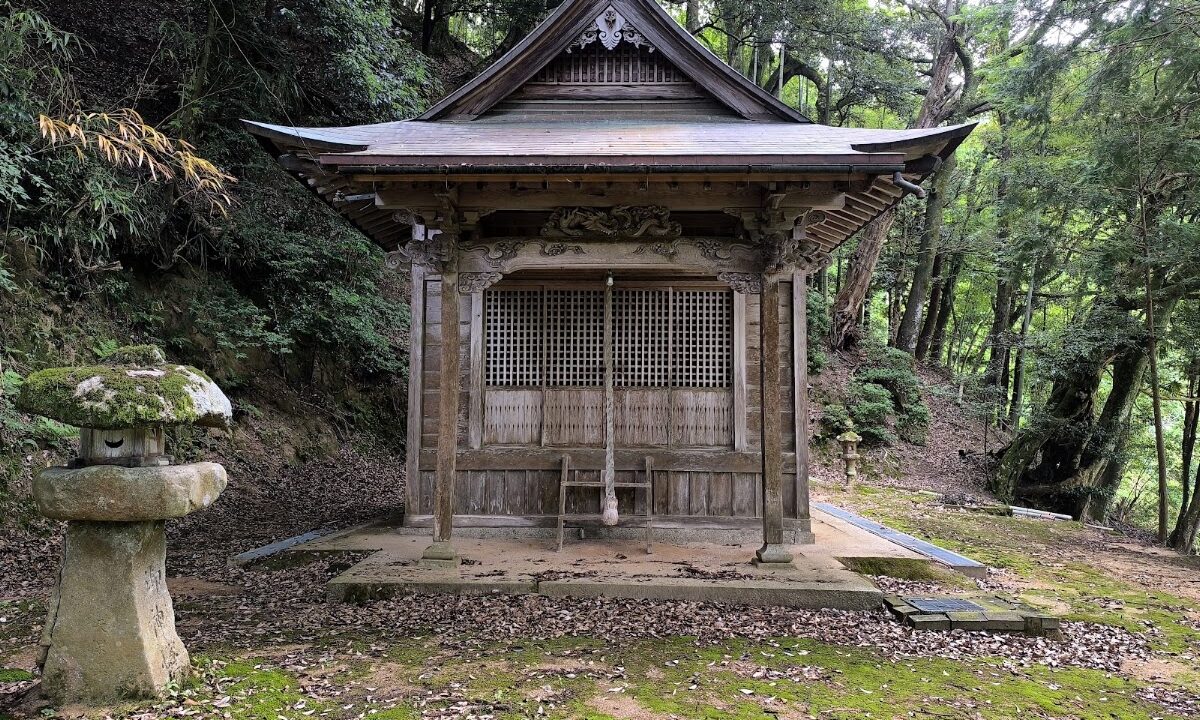
Uzuki Shrine (Kyoto Prefecture) Complete Guide: A Thorough Explanation of History, Deities, Blessings, and Visiting Information
What is Uzuki Shrine?
Uzuki Shrine is a historic shrine located in Kyotango City, Kyoto Prefecture. It has long been cherished by local residents as a center of faith in the Tango region, and its tranquil environment surrounded by abundant nature provides peace of mind to visitors.
Uzuki Shrine possesses a unique atmosphere woven from the rich nature and history of the Tango Peninsula, attracting not only locals but also an increasing number of visitors from Kyoto City and other prefectures in recent years. The name “Uzuki” itself holds a sacred meaning that has been associated with this region since ancient times, making it an important site for understanding the region’s history.
History and Origins of Uzuki Shrine
Origin of Founding
While there are various theories regarding the founding date of Uzuki Shrine, it is considered one of the ancient shrines that existed in the Tango region since ancient times. The Tango region has a long history of active exchange with the Asian continent, and many immigrants settled there. This historical background is believed to have influenced the origins of the shrine.
According to shrine tradition, it began when a powerful local clan enshrined it as the guardian deity of the land. Since then, it has watched over the region’s development and the peace and well-being of its inhabitants. During the medieval period, it attracted the reverence of influential figures in the region, leading to improvements to the shrine buildings and the enrichment of its festivals.
Historical Changes
During the Edo period, under the protection of the Tango domain, it gained widespread faith as the tutelary deity of the region. Records from that time indicate that it was bustling with people praying for bountiful harvests and catches in agriculture and fishing, and that various festivals were held throughout the year.
Despite the impact of the Meiji-era separation of Shinto and Buddhism and the shrine consolidation policy, it survived, supported by the strong faith of the local residents, and continues to play a vital role as a spiritual pillar of the region to this day.
Deities and Divine Virtues
Main Deity
The main deity of Uzuki Shrine is a god who has been revered since ancient times as the guardian deity of the region. Reflecting the unique form of faith in the Tango region, the deity has the characteristics of a god of the land and a god of agriculture.
According to the shrine’s historical records, the deity is worshipped as a god deeply involved in the development and progress of this region, and is believed to bestow divine virtues such as abundant harvests, family safety, and regional peace.
Enshrined Deities
Along with the main deity, several other deities are enshrined. These gods are thought to have been enshrined together over time due to changes in local beliefs and relationships with surrounding shrines. It is believed that the combined divine virtues of each god bestow a wider range of blessings.
Benefits of Uzuki Shrine
Abundant Harvests and Business Prosperity
Reflecting the region’s history centered on agriculture, the shrine is known for its blessings of abundant harvests. In modern times, not only agricultural workers but also many business owners praying for business prosperity visit the shrine. People come to pray for the success of new ventures and the flourishing of their businesses, and many return to offer thanks.
Family Safety and Protection from Evil
Due to its role as a guardian deity of the region, the shrine is widely believed to grant blessings for family safety and protection from evil. Local people, in particular, visit the shrine at important life events and during unlucky years to pray for the health and safety of their families.
Matchmaking and Fertility
In recent years, the number of visitors seeking blessings for matchmaking and fertility has also increased. The warm and welcoming atmosphere of the shrine attracts people hoping for good relationships.
Highlights of the Shrine Grounds
Main Hall and Worship Hall
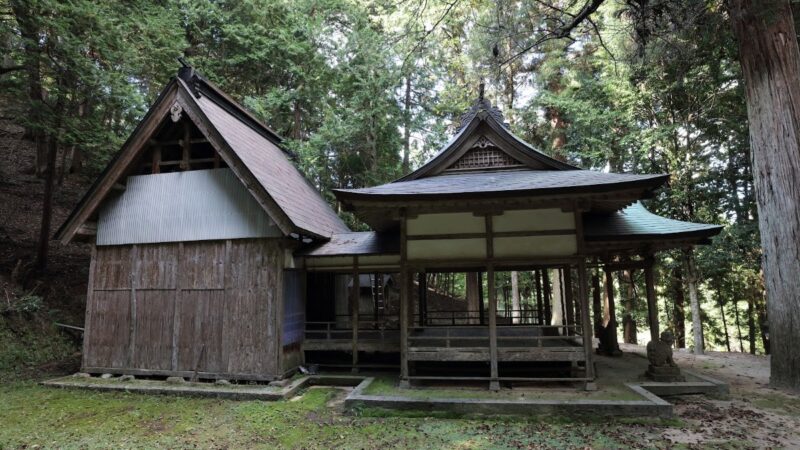
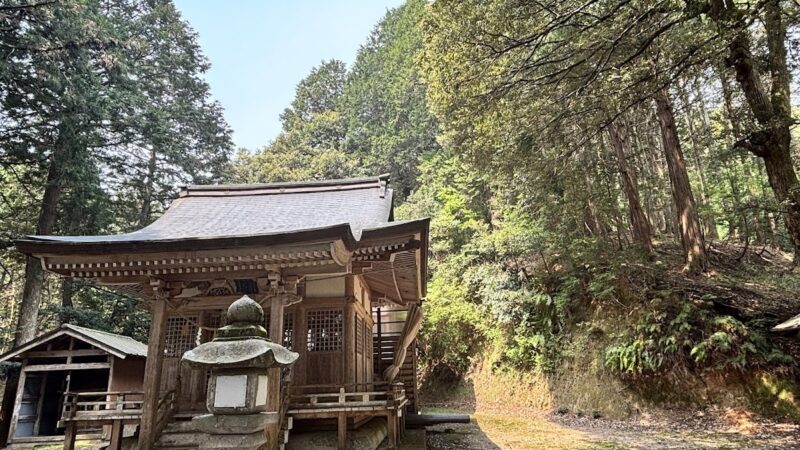
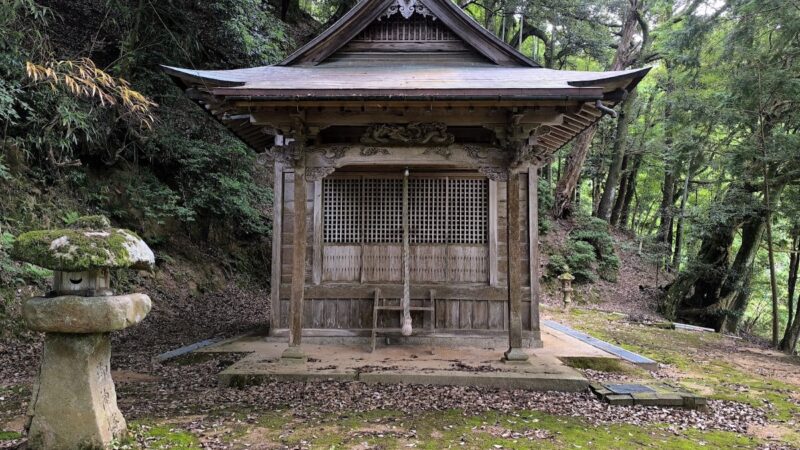
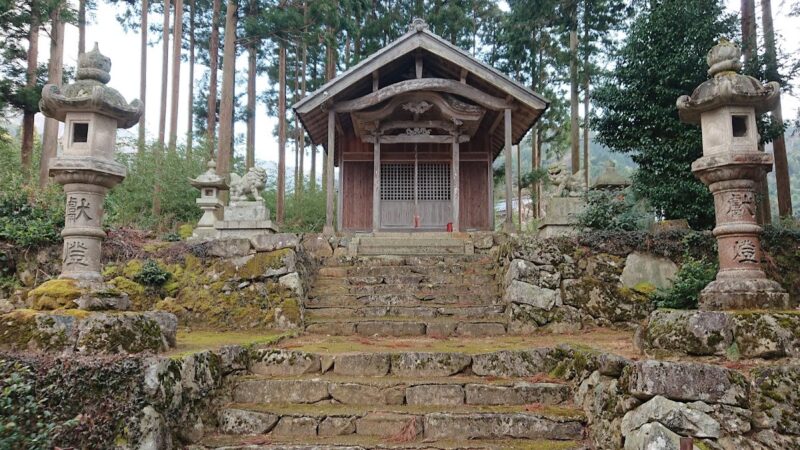
The main hall of Uzuki Shrine is a valuable structure that preserves traditional shrine architecture. From the worship hall, one can feel a solemn atmosphere against the backdrop of Tango’s rich natural beauty. The intricate details of the architecture showcase the craftsmanship of artisans through carvings and decorations; be sure to take a closer look when you visit.
Shrine Grounds
Several shrines are scattered throughout the grounds, each enshrining a different deity. These shrines are also important figures that tell the story of the region’s faith history, and it is believed that visiting them along with the main shrine will bring deeper blessings.
Sacred Tree and Nature
Within the grounds stands a sacred tree estimated to be several hundred years old, quietly watching over the history of the shrine. This sacred tree is also known as a power spot, and visitors can be seen praying before it.
The entire grounds are surrounded by abundant nature, allowing visitors to enjoy the beautiful scenery of each season. Cherry blossoms in spring, fresh greenery in summer, autumn leaves in fall, and snowscapes in winter—each season offers a different view depending on when you visit.
Annual Festivals and Events
Grand Festival
The most important festival at Uzuki Shrine is the Grand Festival. Held annually at a fixed time, this grand festival sees the participation of all local residents. Traditional festival rituals, such as the portable shrine procession and offering ceremonies, are still carefully preserved.
Spring and Autumn Festivals
Festivals are held in spring and autumn to mark milestones in the agricultural season. The spring festival involves prayers for a bountiful harvest, while the autumn festival includes rituals expressing gratitude for the harvest. These festivals are traditional events deeply intertwined with the region’s agricultural culture.
Monthly Festivals
Monthly festivals are held on fixed days each month, attended by parishioners and devotees. As a regular activity of the shrine, it plays an important role in maintaining ties with the local community.
Etiquette and Manners for Worship
Basic Worship Etiquette
When visiting Uzuki Shrine, follow general shrine worship etiquette. First, bow before passing through the torii gate, and walk along the path, avoiding the center. After purifying your body and mind at the water basin, proceed to the main hall.
At the main hall, pray using the two bows, two claps, and one bow ritual. Quietly place your offering, ring the bell, bow deeply twice, clap twice, and finally bow deeply once more.
About Goshuin (Shrine Seals)
Uzuki Shrine offers Goshuin (shrine seals). Bring your Goshuincho (seal book) and politely request one at the shrine office. It’s important to remember that Goshuin are proof of your visit, not a stamp rally.
Photography Etiquette
Photography is generally permitted on the shrine grounds, but there are areas and times where photography is restricted, such as inside the main hall or during Shinto rituals. Please be considerate of other visitors and take photos quietly.
Access Information
Access by Public Transportation
Uzuki Shrine can be accessed via the Kyoto Tango Railway. From the nearest station, you can walk, or take a bus or taxi. Since public transportation may be limited, it is recommended to check the timetable in advance.
From Kyoto city, access is relatively smooth using express trains. Enjoying the beautiful scenery of the Tango region while traveling by train is one of the pleasures of visiting the shrine.
Access by Car
Access by private car is also possible. Take the Kyoto Jukan Expressway and then take local roads from the nearest interchange to reach the shrine. Entering the shrine’s name into your car’s navigation system will allow you to arrive relatively smoothly.
Parking Information
The shrine has a parking lot for visitors. However, during busy periods such as festivals, the parking lot may be full, so it is recommended to visit with plenty of time to spare.
Nearby Tourist Attractions
Natural Landscapes of the Tango Peninsula
When visiting Uzuki Shrine, you can also enjoy the beautiful natural landscapes of the Tango Peninsula. You can enjoy the coastline facing the Sea of Japan and the rural scenery of the mountainous areas, offering a different kind of natural charm from Kyoto city.
Hot Springs
The Tango region boasts several hot spring areas, allowing visitors to relax and unwind after their pilgrimage. Day-trip hot spring facilities are also abundant, making it ideal for recovering from travel fatigue.
Local Food Culture
The Tango region is blessed with fresh seafood and mountain produce. Many restaurants serve dishes made with local ingredients, allowing visitors to enjoy Tango’s food culture alongside their pilgrimage.
Points to Note When Visiting Shrines
Attire
Please dress appropriately for visiting a shrine, wearing clean and modest clothing. For formal visits or prayers, more formal attire is recommended.
Seasonal Precautions
The Tango region has a climate typical of the Sea of Japan coast, resulting in heavy snowfall and severe cold in winter. Be sure to take adequate precautions against the cold when visiting in winter. In summer, the sun is strong, so sun protection such as hats and sunscreen is necessary.
Visiting Hours
Shrines are generally open for worship from sunrise to sunset. However, since the shrine office has limited hours, it is recommended to check in advance if you wish to receive a Goshuin (shrine stamp) or other items.
The Charm of Uzuki Shrine
A Serene Atmosphere
The greatest charm of Uzuki Shrine is its serene and peaceful atmosphere. Away from the hustle and bustle of the city, you can quietly pray in the shrine grounds surrounded by nature, freeing you from daily stress and restoring inner peace.
Connections to the Community
The shrine functions as the center of the local community, bringing together local people through festivals and events. This strong connection to the community creates the shrine’s warm atmosphere.
Value as a Power Spot
In recent years, Uzuki Shrine has also attracted attention as a power spot. Visitors have reported feeling a mysterious energy from the sacred tree and specific locations within the shrine grounds. It is a shrine worth visiting for those seeking a spiritual experience.
The Significance of Visiting Uzuki Shrine
Visiting Uzuki Shrine has significance beyond mere sightseeing. Experiencing the history of faith that has continued since ancient times, understanding the local culture, and spending time quieting the mind in nature are invaluable experiences for us living in modern society.
Visiting a shrine allows you to rediscover Japan’s traditional culture and spirituality, and provides an opportunity for self-reflection. Furthermore, through interaction with local people, you can realize the importance of warm human relationships.
Summary
Uzuki Shrine, located in Kyotango City, Kyoto Prefecture, is a historic shrine that continues to be a center of faith in the region. Its grounds, surrounded by abundant nature, traditional festivals, and strong ties to the community are major attractions of this shrine.
It is popular with many worshippers, offering various blessings such as abundant harvests, family safety, and business prosperity. Another characteristic of Uzuki Shrine is its calm atmosphere, unlike the famous shrines in Kyoto City, where you can worship peacefully.
When visiting the Tango region, be sure to stop by Uzuki Shrine and experience its history, culture, and tranquil atmosphere. Visiting a shrine can bring peace of mind and renewed energy.
When visiting, it is important to observe basic etiquette and manners, and to show respect to the shrine and the local community. Doing so will lead to a deeper pilgrimage experience and a stronger sense of divine protection.