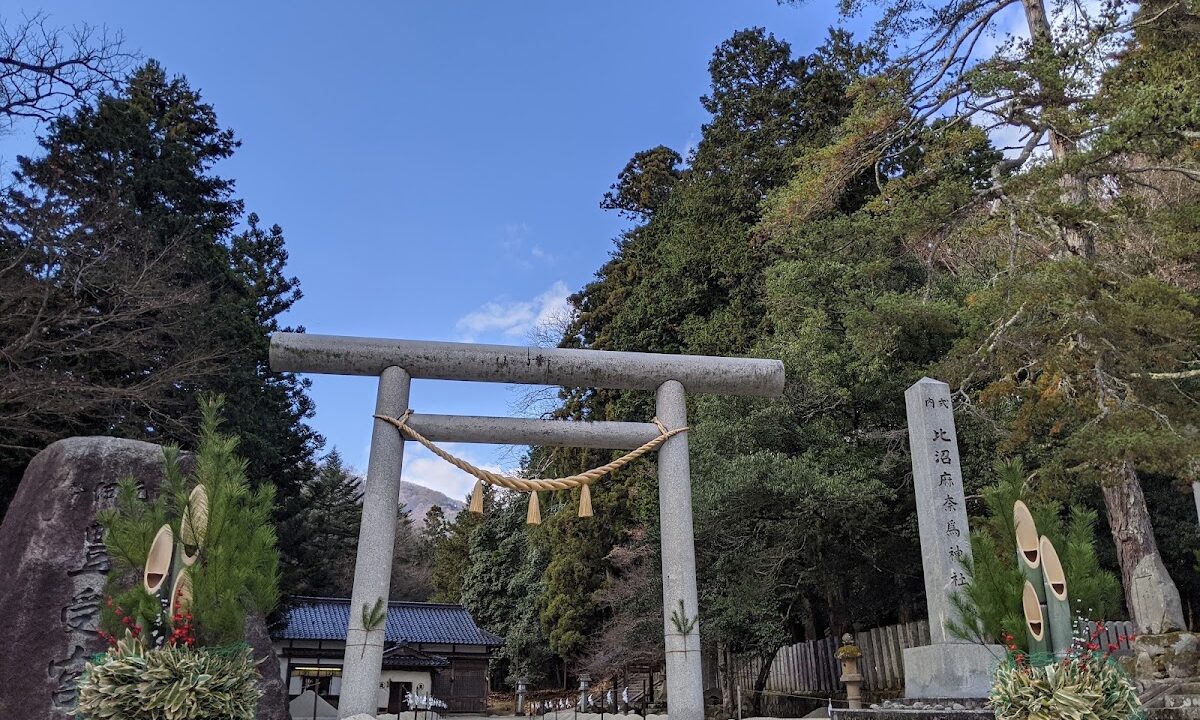
Hinuma Manai Shrine (Kyoto Prefecture) Complete Guide | A Sacred Site Known as the Original Shrine of Ise Grand Shrine’s Outer Shrine
Hinuma Manai Shrine, located in Hisaji, Mineyama-cho, Kyotango City, Kyoto Prefecture, is a historically significant shrine known as the original shrine of Ise Grand Shrine’s Outer Shrine. It enshrines Toyouke-no-Okami as its principal deity and has long been revered as one of the “original Ise” shrines.
This article provides comprehensive information useful for those planning a visit to Hinuma Manai Shrine, including its historical background, information on its Goshuin (shrine stamp), highlights within the grounds, and access methods.
History and Origins of Hinuma Manai Shrine
Deep Connection with Ise Grand Shrine’s Outer Shrine
Hinuma Manai Shrine is believed to be the original location where Toyouke-no-Okami, enshrined at Ise Grand Shrine’s Outer Shrine, was originally enshrined. According to ancient documents such as the “Toyuke-no-Miya Gishiki-cho,” in the 22nd year of Emperor Yuryaku’s reign (around 478 AD), Amaterasu-Omikami appeared to Emperor Yuryaku in a dream and declared, “I wish to summon Toyouke-no-Omikami, the god of offerings, who resides in Hinuma Manai in Tanba Province (present-day Tango Province).”
Following this oracle, Toyouke-no-Omikami was moved from Tango to the Outer Shrine of Ise. Therefore, Hinuma Manai Shrine is also called “Moto-Geku” (Original Outer Shrine) or “Moto-Ise Geku” (Original Outer Shrine of Ise), and holds a special position as the original site of the Outer Shrine of Ise Grand Shrine.
Status as an Engishiki Shrine
Hinuma Manai Shrine is a Shikinaisha (shrine listed in the Engishiki Jinmyocho), a Heian period document. It is counted as one of the nine shrines in Tanba District of the Engishiki and has received deep reverence from the imperial court and local people since ancient times.
While there are various theories regarding its founding date, one theory suggests it dates back to 59 BC, indicating a very long history. During the Edo period, it is said to have possessed a sacred territory of 3,800 koku, and as one of the five major shrines of Tango Province, it was a central figure in regional faith.
Regional Names and Beliefs
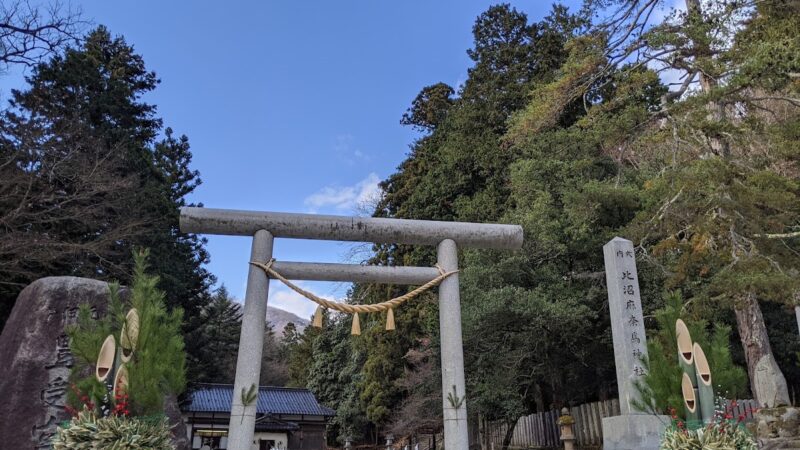
In this region, it has long been called “Manai Daijingu” and “Toyouke Daijingu,” and these names are inscribed on old ridgepole inscriptions and torii gate plaques. Manai means a sacred well, indicating its character as a sacred place where Toyouke-no-Okami descended.
About the Main Deity, Toyouke-no-Okami
The Supreme Deity of Abundant Harvests
Toyouke-no-Okami is known as the god of offerings who presides over the meals of Amaterasu-Omikami, and is worshipped as the guardian deity of abundant harvests, industrial development, and clothing, food, and shelter. The name “Toyouke” itself means “to receive abundantly,” and it has been revered as a god that brings all kinds of blessings.
At Ise Grand Shrine, it is enshrined in the Outer Shrine and plays an important role in offering daily meals to Amaterasu-Omikami in the Inner Shrine. Hinuma Manai Shrine is considered the origin of the worship of Toyouke-no-Okami, the goddess of food and agriculture, as it is the place where she was first enshrined.
Enshrined Deities and Divine Virtues
In addition to the main deity, Toyouke-no-Okami, Hinuma Manai Shrine also enshrines local guardian deities. These deities are believed to bestow divine blessings not only for abundant harvests but also for family safety, business prosperity, good fortune, and all aspects of daily life.
Highlights of the Shrine Grounds
The Shrine Grounds with their Sacred Atmosphere and White Sand
The grounds of Hinuma Manai Shrine are beautifully covered with white gravel, creating a pure and sacred atmosphere. Passing through the torii gate, visitors are greeted by a neatly maintained shrine grounds that quietly welcome them.
This white sand symbolizes the purity of the sacred area, creating a solemn space reminiscent of Ise Grand Shrine. Many visitors feel a sense of spiritual cleansing simply by walking through the shrine grounds, and it is attracting attention as a power spot.
Shrine Buildings and Architectural Style
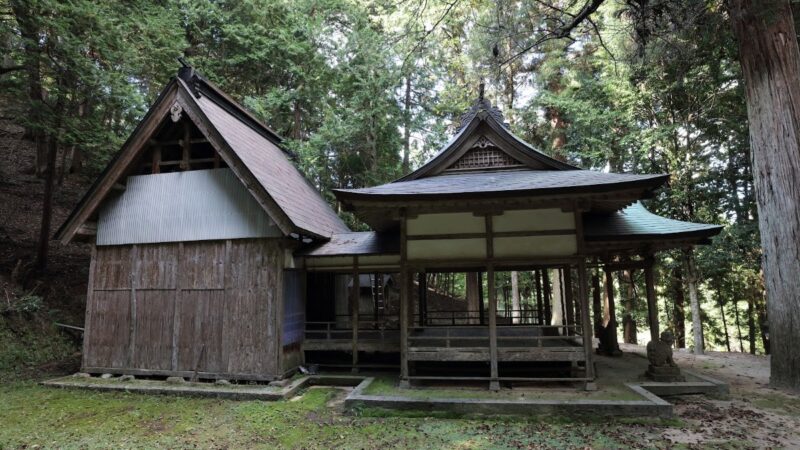
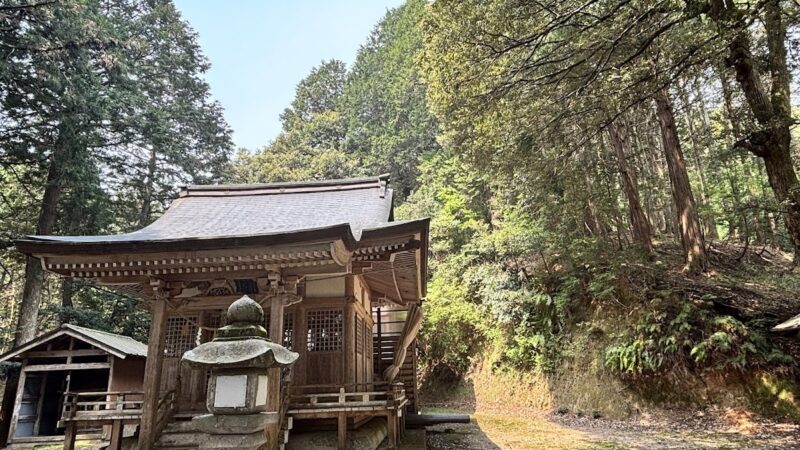
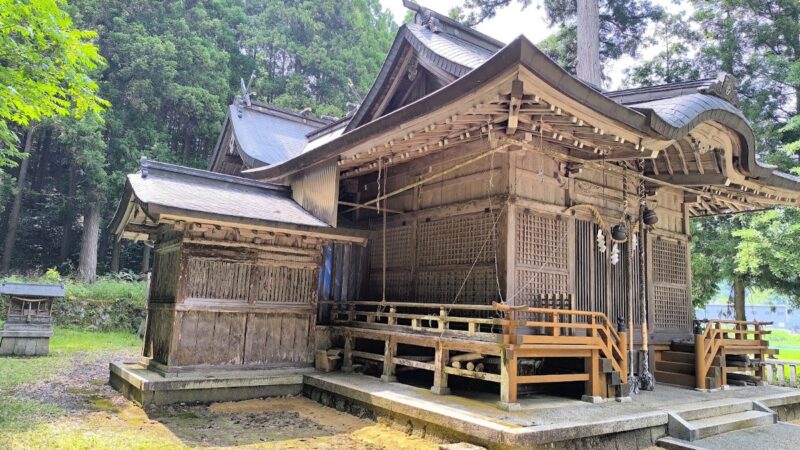
The shrine buildings of Hinuma Manai Shrine retain the characteristics of traditional shrine architecture in the Tango region. The main hall, while simple, exudes a sense of dignity and continues to function as the center of local faith after a long history.
From the worship hall, one can enjoy a panoramic view of the tranquil shrine grounds and appreciate the beauty of nature in each of the four seasons. The beauty of the shrine in harmony with nature is particularly striking during the seasons of fresh greenery and autumn leaves.
Manai Well
As the name “Hinuma Manai” suggests, it is believed that there was a sacred well in this area. Manai means “sacred well,” and it is said that the sacred water that gushed forth when Toyouke-no-Okami descended to earth sprung forth here.
Even today, traces of the well remain on the shrine grounds, making it an important spot where one can feel the origins of ancient faith.
Goshuin (Shrine Seal) Information
About the Issuance of Goshuin
Hinuma Manai Shrine offers goshuin to visitors. The goshuin features the calligraphy of “Hinuma Manai Shrine” and the shrine’s seal. It’s a simple yet powerful goshuin, reflecting the shrine’s status as a sacred site of Moto-Ise (original Ise).
Those wishing to receive a goshuin should inquire at the shrine office. However, availability is not always guaranteed, so it is recommended to call ahead to confirm.
About Goshuincho (Goshuin Books)
We recommend checking for the availability of original goshuincho during your visit. For those undertaking a pilgrimage to Moto-Ise, this will be a valuable goshuin.
Limited and Special Goshuin
Limited edition goshuin may be offered on special days such as the annual festival. The annual festival on September 15th, in particular, attracts many visitors. For the latest information, we recommend contacting the shrine directly or checking social media.
Access and Transportation Information
Basic Information
Address: 510 Kuji, Mineyama-cho, Kyotango City, Kyoto Prefecture 627-0054 (Also listed as 510 or 661 Miyatani)
Phone Number: 0772-62-2229
Access by Public Transportation
Nearest Station: Mineyama Station, Kyoto Tango Railway Miyatoyo Line
From Mineyama Station, you can use the following methods:
- By Tankai Bus: Take the Tankai Bus from Mineyama Station for approximately 16 minutes, get off at the “Goka” bus stop, and walk for approximately 10 minutes.
- By Taxi: Approximately 15 minutes by taxi from Mineyama Station.
Since public transportation is limited, it is recommended to check the timetable in advance.
Access by Car
From Kyoto City: Approximately 2 hours 30 minutes to 3 hours
From Osaka: Approximately 3 hours to 3 hours 30 minutes
Take the Kyoto Jukan Expressway and exit at either the Yosa-Amanohashidate IC or Kyotango-Omiya IC. Access is via National Route 312 and prefectural roads.
Parking Information
Hinuma Manai Shrine has a parking lot for visitors. Parking spaces are available near the shrine grounds, making it possible to visit by car. However, congestion is expected during events such as festivals, so it is recommended to allow ample time for your visit.
Points to Note and How to Enjoy Your Visit
Recommended Time to Visit
Hinuma Manai Shrine can be visited throughout the year, but the following times are especially recommended:
- Spring (April-May): The fresh greenery is beautiful, and you can visit in refreshing air.
- Autumn (September-November): This is the time of the annual festival (September 15th), and you can also enjoy the autumn foliage.
- New Year’s Visit (January): Many visitors come to pray for the New Year.
Manners When Visiting
As this is a sacred place, please observe the following manners when visiting:
- Bow before passing through the torii gate.
- Cleanse your hands and mouth at the water basin.
- Walk along the side of the path, as the center is the path for the gods.
- At the front of the main hall, perform the ritual of two bows, two claps, and one bow.
- Be quiet on the shrine grounds and be considerate of other visitors.
Regarding Photography
Photography is generally permitted within the shrine grounds, but there are areas where photography is restricted, such as inside the main hall. Please be considerate of other visitors’ privacy and observe proper etiquette when taking photos. The white sand grounds and torii gate are particularly photogenic spots.
Nearby Attractions and Tourist Spots
Route for Pilgrimage to Moto-Ise
The group of shrines known as “Moto-Ise,” including Hinuma Manai Shrine, are located in the Tango region. If you have time, we recommend visiting the following shrines as well:
- Kono Shrine: A shrine known as the original Inner Shrine of Ise
- Manai Shrine: The inner shrine of Kono Shrine
- Kōdai Shrine: The original Inner Shrine of Ise located in Fukuchiyama City
Tourist Attractions in Kyotango City
Kyōtango City, where Hinuma Manai Shrine is located, also has other attractive tourist spots:
- Yūhigaura Onsen: A hot spring resort famous for its beautiful sunsets
- Kotohiki Beach: A beautiful beach known for its singing sands
- Tango Chirimen History Museum: A facility where you can learn about the history of traditional industries
Nearby Shrines and Temples
There are many other historical shrines and temples scattered around Mineyama-cho, Kyotango City. If you have time, you can also enjoy visiting the temples and shrines in the surrounding area.
Annual Events and Festival
Annual Festival (September 15th)
The most important festival at Hinuma Manai Shrine is the annual festival held on September 15th. On this day, a Shinto ritual is performed to express gratitude to Toyouke-no-Okami and to pray for a bountiful harvest. Local people and worshippers from all over Japan gather for the event.
The festival includes the dedication of Kagura (sacred dance and music) and other Shinto rituals, preserving tradition in a solemn atmosphere.
Other Annual Events
- New Year’s Day Festival: A Shinto ritual celebrating the New Year
- Spring Festival: Celebrating the arrival of spring and praying for a good harvest
- Autumn Festival: Offering thanks for the harvest
For detailed dates of these events, please contact the shrine directly.
Divine Virtues and Benefits of Hinuma Manai Shrine
Abundant Harvests and Industrial Prosperity
Hinuma Manai Shrine, dedicated to Toyouke-no-Okami, is revered as a shrine where people pray for the prosperity of all industries, including agriculture and fishing. It is particularly revered by those in food-related businesses and is believed to bring prosperity to businesses.
Protection of Clothing, Food, and Shelter
Toyouke-no-Okami is also the deity who presides over clothing, food, and shelter, and many worshippers visit the shrine to pray for stability and prosperity in all aspects of life. It is also known as a place to pray for family safety and stability in life.
Aspect as a Power Spot
As a sacred site of Moto-Ise and the place where Toyouke-no-Okami first descended, Hinuma Manai Shrine is also attracting attention as a powerful power spot. Many worshippers report feeling a pure energy simply by standing in the white sand grounds.
Visitor Voices and Reviews
Evaluation of the Beauty of the Shrine Grounds
Many visitors highly praise the beauty of the shrine grounds, paved with white gravel, and the sacred atmosphere. Comments include, “I felt the air change the moment I passed through the torii gate,” and “My heart was cleansed by the pure atmosphere.”
An Important Spot on the Moto-Ise Pilgrimage
For visitors on the Moto-Ise pilgrimage, Hinuma Manai Shrine is an essential spot. Many people visit this place to experience its historical connection to the Outer Shrine of Ise Grand Shrine.
A Quiet Environment for Worship
The quiet environment, untouched by tourism, is also highly valued, allowing for a peaceful and tranquil worship experience. Many repeat visitors appreciate this place, offering a tranquil escape from the hustle and bustle to quietly connect with the gods.
Hinuma Manai Shrine and the History of Tango
The Importance of Tango Province
In ancient times, Tango Province (present-day northern Kyoto Prefecture) was an important region serving as a gateway for exchange with the continent. The presence of Toyouke-no-Ōkami in this area indicates that the Tango region has been a fertile land and an important center of religious belief since ancient times.
One of the Five Shrines of Tango
Hinuma Manai Shrine is counted as one of the Five Shrines of Tango and has played a central role in regional religious beliefs. It is said to have possessed 3,800 koku of sacred land during the Edo period, demonstrating its significant influence.
Connection to Regional Culture
Deeply connected to traditional industries such as Tango crepe silk and regional festival culture, Hinuma Manai Shrine is not merely a religious facility but an important entity that forms the identity of the region.
Points to Note When Planning Your Visit
Prior Confirmation is Important
Hinuma Manai Shrine is always open, but if you wish to receive a Goshuin (shrine stamp) or participate in special events, it is recommended to confirm by phone in advance.
Estimated Time Required
While the actual visit to the shrine grounds takes about 30 minutes, it’s advisable to allow about an hour if you plan to stroll around the grounds and take photos. If you also plan to visit the surrounding Moto-Ise Shrines, it’s recommended to allocate half a day to a full day.
Clothing and Items to Bring
There are no specific dress code requirements, but as it is a sacred place, clean and subdued attire is preferred. Since the grounds are covered with gravel, comfortable walking shoes are recommended.
In summer, the sun is strong, so be sure to wear a hat and sunscreen. In winter, dress warmly. Also, if you wish to receive a Goshuin (shrine stamp), please bring your Goshuincho (stamp book).
Summary: The Significance of Visiting Hinuma Manai Shrine
Hinuma Manai Shrine holds an extremely important position in the history of Japanese Shinto as the original shrine of the Outer Shrine of Ise Grand Shrine. As the sacred site where Toyouke-no-Okami was first enshrined, it forms the core of the Moto-Ise faith.
The shrine grounds, beautifully covered with white sand, exude a sense of purity and sacredness, offering visitors a place to forget the hustle and bustle of everyday life and find peace of mind. The divine virtues of abundant harvests, industrial prosperity, and protection of clothing, food, and shelter are relevant and important to us living in modern times.
Located in Kyotango City, Kyoto Prefecture, somewhat removed from urban areas, this tranquil environment and the unchanging form of faith since ancient times are major attractions of this shrine.
Visiting Hinuma Manai Shrine as part of a pilgrimage to the original Ise shrines, or as part of sightseeing in the Tango region, allows you to touch upon the origins of Japanese Shinto and experience its rich history and culture. We highly recommend visiting this historic shrine and experiencing the divine virtues of Toyouke-no-Okami.