Complete Guide to Ogishi Shrine (Kyoto Prefecture) | History, Benefits, Access, and Highlights Explained in Detail
Kyoto Prefecture is home to numerous shrines and temples, but among them, Ogishi Shrine, a sacred place deeply rooted in local faith, is well worth a visit. This article provides a detailed explanation of everything you need to know before visiting, from the shrine’s historical background and enshrined deities to its benefits, highlights within the grounds, and access methods.
What is Ogishi Shrine?
Ogishi Shrine is a historic shrine located in Kyoto Prefecture, and has long been cherished as a center of faith for local residents. Nestled in a quiet environment, this shrine offers a tranquil atmosphere far removed from the hustle and bustle of the city, and is known as a place where one can pray with peace of mind.
The name “Ogishi” is thought to originate from a place name or geographical feature, and it has functioned as a center of faith in this region since ancient times. While it is a small to medium-sized shrine, its historical value and importance to the region are by no means insignificant.
History of Ogishi Shrine
Origin of Founding
While there are no clear records regarding the exact founding date of Ogishi Shrine, local tradition suggests that it was established as a guardian deity of this region sometime between the Heian and Muromachi periods.
At that time, people enshrined the deity in this area and made it a place of worship, praying for abundant harvests, regional safety, and protection from disease. Although the shrine buildings and grounds have been renovated several times over time, the core of its faith has been passed down to the present day.
Historical Changes
During the Edo period, it became an integral part of the villagers’ lives as the local tutelary deity, with grand spring and autumn festivals. Despite the impact of the Meiji-era separation of Shinto and Buddhism and the shrine consolidation policy, it survived thanks to the strong faith of the local residents and continues to this day.
Since the Showa period, the shrine grounds have been improved along with the development of the region, and it continues to play a central role in the local community today. In particular, local traditional events and festivals are passed down through generations and are important from the perspective of preserving local culture.
Deities and Divine Virtues
Main Deity
The deity enshrined at Ogishi Shrine is a god who has been worshipped since ancient times as a guardian deity of the region. Like many local shrines, it may enshrine a god of the land, a god of agriculture, or an ancestral god involved in the development of the region.
Some shrines enshrine multiple deities, and it is believed that the combined divine virtues of each deity bring about diverse blessings.
Blessings and Divine Virtues
The main blessings that can be obtained by visiting Ogishi Shrine include the following:
Family Safety and Protection from Evil
As a guardian deity of the region, it is believed to have the divine virtue of protecting the safety and health of families. Many people, especially those in their unlucky years or those praying for the safety of their families, visit the shrine.
Abundant Harvest and Business Prosperity
Since the days of thriving agriculture, the belief in praying for a bountiful harvest has continued, and in modern times, people also seek blessings for business prosperity and success.
Regional Peace and Protection from Disaster
Since ancient times, the shrine has been believed to be a guardian deity of the region, possessing the power to protect the area from natural disasters and epidemics.
Matchmaking and Prosperity of Descendants
As a center of the local community, the shrine is also believed to have the divine power to forge connections between people, and visitors come to pray for successful relationships and the prosperity of their families.
Highlights of the Shrine Grounds
Main Hall and Worship Hall
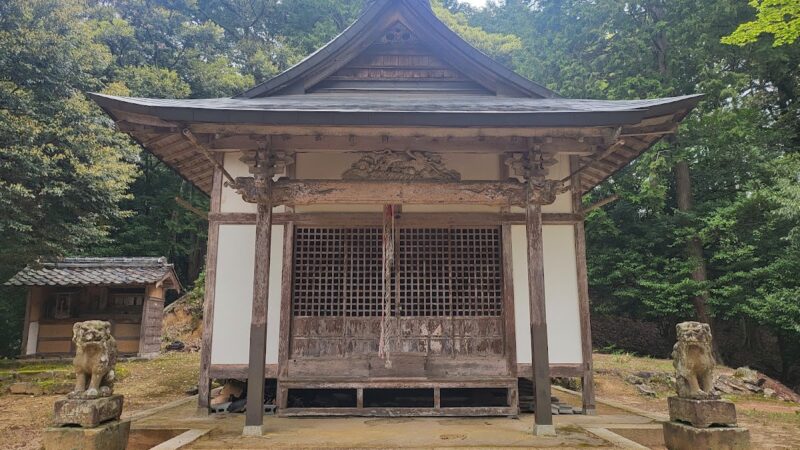
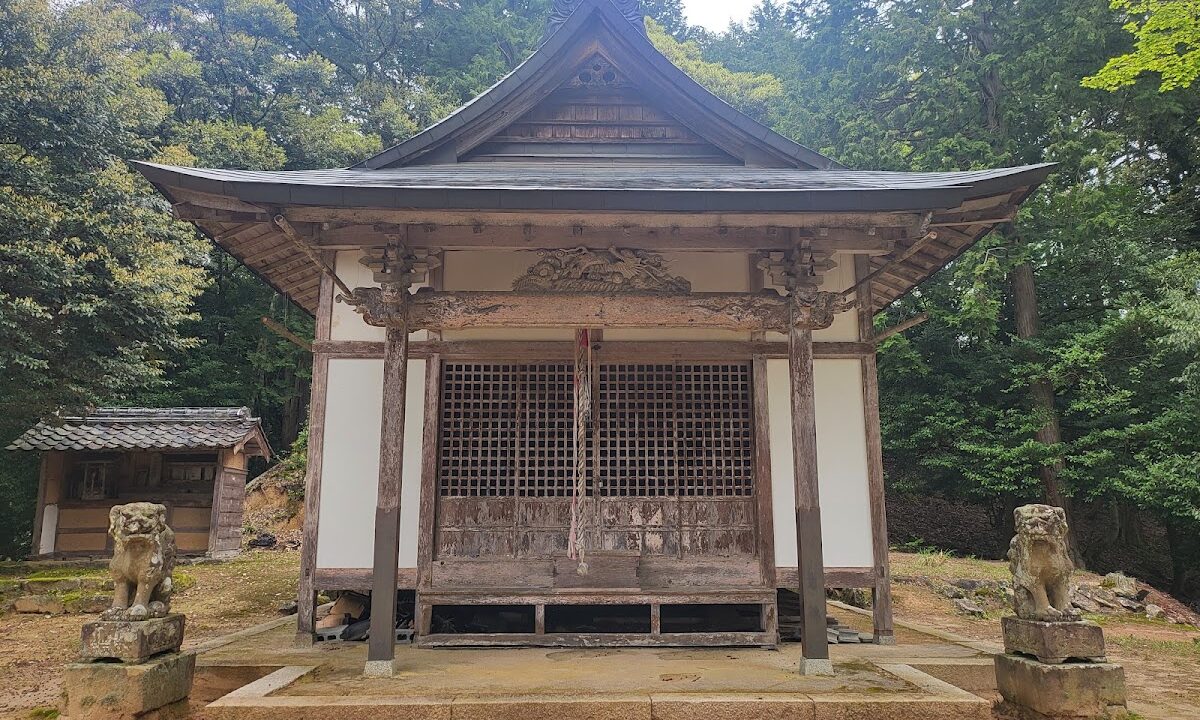
The main hall of Ogishi Shrine is built in the traditional style of shrine architecture, possessing a timeless charm. In the worship hall, visitors can offer prayers to the deities and find peace of mind in a tranquil atmosphere.
The architectural style and decorations reflect the technology and aesthetic sensibilities of the time, and contain elements of great interest from an architectural history perspective.
Komainu (Guardian Lion-Dogs) and Stone Monuments
Within the shrine grounds, you’ll find historically significant guardian lion-dogs (komainu) and stone monuments. These stone structures often bear inscriptions indicating the year of their dedication and the names of the donors, making them valuable resources for understanding the shrine’s history.
Paying attention to the expressions and postures of the guardian lion-dogs reveals differences in style across different eras.
Subsidiary Shrines and Auxiliary Shrines
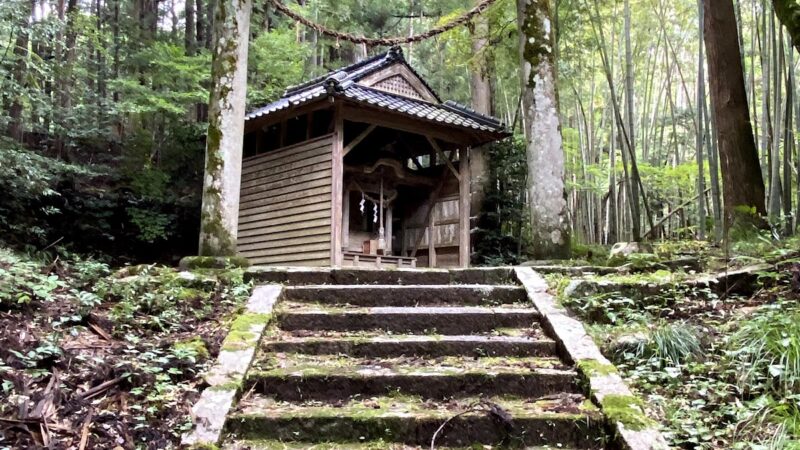
Besides the main shrine building, you may find small shrines and subsidiary shrines within the grounds. These enshrine deities with specific blessings or those worshipped in a particular region. It is believed that visiting each of these shrines will grant a wider range of blessings.
Sacred Trees and Nature
Within the shrine grounds, you may find ancient sacred trees and trees that offer beautiful scenery throughout the seasons. Sacred trees, in particular, are revered as dwelling places of deities, and it is believed that one can receive strength from their vitality.
The nature within the shrine grounds, which displays different expressions with each season—cherry blossoms in spring, lush greenery in summer, vibrant autumn leaves, and tranquility in winter—heals the hearts of visitors.
Annual Events and Festivals
Annual Festival
At Ogishi Shrine, various Shinto rituals and festivals are held throughout the year. The most important festival is the Annual Festival (Reisai), which is held grandly at a fixed time each year.
During the Annual Festival, a portable shrine is paraded through the community, and Kagura (sacred music and dance) and other performing arts are presented, making it an important event where local residents gather together.
Seasonal Festivals
Hatsumode (January)
Many worshippers visit to welcome the New Year and pray for safety and happiness throughout the year.
Setsubun Festival (February)
A festival is held to ward off evil and invite good fortune through events such as bean-throwing.
Summer Festival (July-August)
As a local summer festival, events such as a portable shrine procession and Bon Odori (traditional Japanese dance) may be held.
Autumn Festival (October-November)
A festival is held to give thanks for the harvest and to celebrate a bountiful harvest.
For detailed dates of these festivals, it is recommended to contact the shrine directly or check local information.
Access and Transportation Information
Location
Oogishi Shrine is located in Kyoto Prefecture. It is recommended to confirm the specific address in advance.
Access by Train
The shrine can be accessed on foot from the nearest station or by bus. From Kyoto City, take the JR or private railway, get off at the nearest station, and then walk or take a bus to the shrine.
If using public transportation, it is recommended to check the timetable and routes in advance.
Access by Car
If visiting by private car, you can enter the shrine name or address into your car navigation system. From Kyoto City, it is accessible via major roads.
Parking Information
The availability and number of dedicated parking spaces vary depending on the size of the shrine. During busy periods such as festivals and New Year’s visits, parking lots may be full, so it’s advisable to consider using public transportation.
Nearby Tourist Attractions
Around Ogishi Shrine, there are other historical temples, shrines, and tourist attractions. Visiting these spots to experience the local culture and history in conjunction with your shrine visit will make your trip more fulfilling.
Etiquette and Manners for Worship
Basic Worship Etiquette
When visiting a shrine, please observe the following basic etiquette.
How to Pass Through the Torii Gate
The torii gate is the entrance to the sacred area. Bow before passing through, and since the center of the path is considered the path of the gods, it is preferable to walk along the sides.
How to Purify Yourself at the Water Basin
- Hold the ladle in your right hand and purify your left hand.
- Switch the ladle to your left hand and purify your right hand.
- Hold the ladle in your right hand again, receive water in your left hand, and rinse your mouth.
- Purify your left hand again.
- Hold the ladle upright, purify the handle, and return it to its original position.
Worship at the Main Hall
- Place your offering in the offering box.
- If there is a bell, ring it.
- Perform the two bows, two claps, and one bow (two deep bows, two claps, one deep bow).
- Sincerely express your wishes and gratitude.
Attire for Worship
Unless you are receiving a special prayer, everyday clothing is acceptable for worship. However, please be mindful of the sacred nature of the place and dress accordingly. Avoid overly revealing or unclean clothing.
Photography Etiquette
Photography is generally permitted on the shrine grounds, but it may be prohibited inside the main hall or in certain sacred areas. Please follow the signs and be considerate of other visitors.
Goshuin (Shrine Seals) and Other Items
About Goshuin
At Ogishi Shrine, you may be able to receive a goshuin as proof of your visit. A goshuin is a valuable record bearing the date of your visit, the name of the shrine, and the shrine’s seal.
When receiving a goshuin, please note the following:
- Bring your goshuincho (goshuin notebook) (they may also be available for purchase at the shrine)
- Receive the goshuin after completing your prayers
- Prepare the offering fee (usually around 300-500 yen)
- Request politely
Depending on the size and structure of the shrine, goshuin may not be available at all times, so it is recommended to check in advance.
Items and Amulets
Shrines offer various amulets and lucky charms for different blessings.
Representative Amulets
- Traffic Safety Amulet
- Family Safety Amulet
- Academic Success Amulet
- Protection from Evil Spirits Amulet
- Matchmaking Amulet
- Health Amulet
Amulets are precious items imbued with the power of the gods. Carry them with you at all times or place them in a special place to feel the blessings of the gods in your daily life.
The Charm and Characteristics of Ogishi Shrine
A Faith Rooted in the Community
The greatest charm of Ogishi Shrine is that it is a place of faith deeply rooted in the community. Unlike large-scale tourist shrines, this shrine, closely intertwined with the lives of local people, allows you to experience the true essence of a shrine.
The form of faith that local people have protected and passed down for generations continues unchanged even today, and its warmth and sincerity touch the hearts of visitors.
A Tranquil Worship Environment
Another major attraction is the quiet environment for worship, free from the crowds of famous tourist spots. It is a precious space where you can calm your mind, face the gods, and express your daily gratitude and wishes.
The Beauty of Nature in Every Season
The nature within the shrine grounds displays different expressions with each season. You can enjoy the different beauty depending on the season you visit: the fresh greenery of spring, the deep green of summer, the vibrant autumn leaves, and the tranquility of winter.
Points to Note When Visiting
Visiting Hours
While shrines are generally open for daytime visits, the hours of operation for the shrine office may be limited. If you wish to obtain a Goshuin (shrine stamp) or other items, it is recommended to check the operating hours in advance.
Generally, operating hours are often from 9:00 AM to around 5:00 PM, but this varies depending on the shrine.
Crowds During Festivals
During festivals such as annual festivals and New Year’s visits, there are more visitors than usual. If you wish to visit at a leisurely pace, it is best to choose a weekday or a normal day.
Consideration of Weather
Since the shrine grounds are outdoors, the visiting environment changes depending on the weather. The ground may become slippery in rainy weather, so choose appropriate footwear. Also, since the sun is strong in the summer, we recommend preparing a hat, parasol, and plenty of water.
Attractions around Ogishi Shrine
Exploring Local History
Around Ogishi Shrine, there are many spots where you can experience the history of the region. By visiting the old streets and historical sites, you can gain a deeper understanding of the history and culture of this area.
Natural Environment
The area around the shrine, located in the rich natural environment of Kyoto Prefecture, is also a great place to enjoy hiking and strolling. It’s a good idea to take some time to refresh yourself in nature in conjunction with your shrine visit.
Local Food Culture
Before or after your visit, we recommend enjoying local cuisine and dishes made with local ingredients at local restaurants. Experiencing the local food culture will enrich your travel memories.
Summary
Ogishi Shrine is a historic shrine located in Kyoto Prefecture, an important place that attracts the faith of the local people. Its greatest appeal lies in its quiet and peaceful atmosphere, unlike large-scale tourist shrines, allowing for heartfelt worship.
Shrines warmly welcome visitors seeking various blessings, such as family safety, protection from evil, abundant harvests, and matchmaking. They offer plenty to see, including the natural beauty of the grounds, historical buildings, and local festivals.
When visiting Kyoto Prefecture, why not explore these local shrines in addition to the famous tourist spots? A visit to Ogishi Shrine will be a valuable opportunity to experience traditional Japanese faith and purify your soul.
When visiting, please observe basic etiquette and manners, and show respect to the deities. Then, quietly offer your prayers, feeling the weight of the history and faith that the shrine has preserved.
We hope that Ogishi Shrine will become a place of solace for you, bringing new insights and healing with each visit.