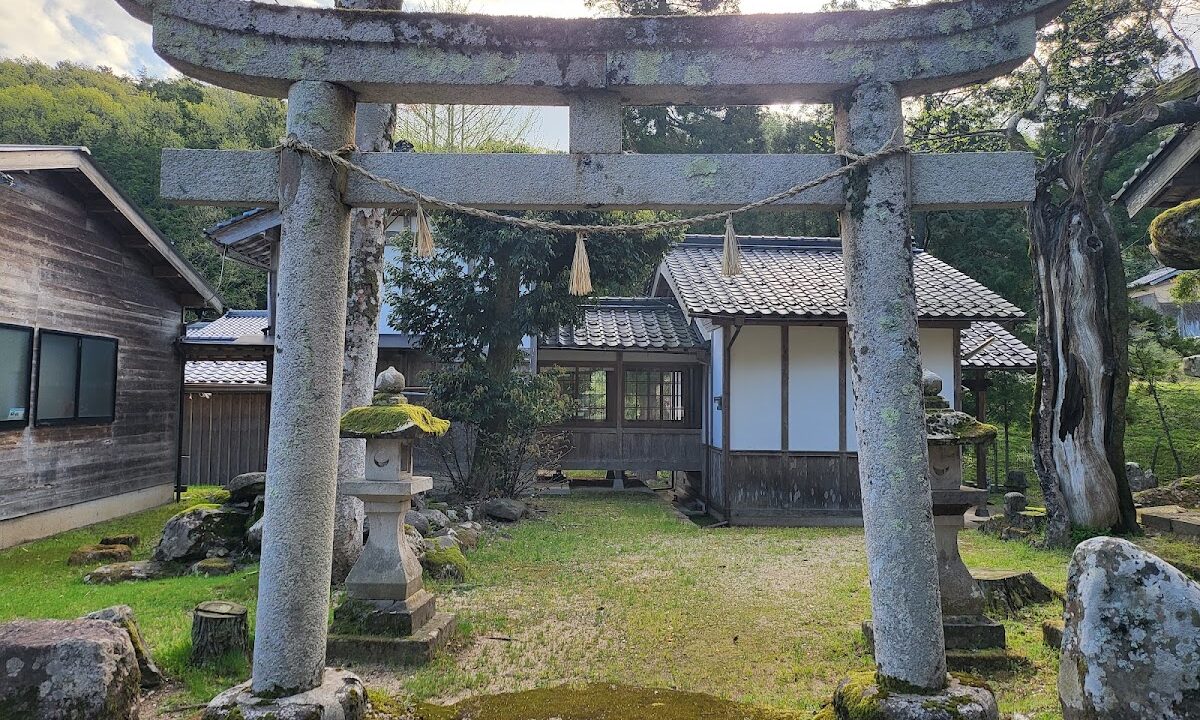
Complete Guide to Omori Tsubakihara Shrine (Kyoto Prefecture) | History, Benefits, Access, and Highlights Explained in Detail
Omori Tsubakihara Shrine, located in Nantan City, Kyoto Prefecture, is a historic shrine that attracts the faith of the local community. Surrounded by abundant nature and situated in a tranquil environment, it has been cherished by local people for centuries. This article provides detailed information you should know before visiting, including the history of Omori Tsubakihara Shrine, its enshrined deities, benefits, highlights within the grounds, access methods, and annual events.
What is Omori Tsubakihara Shrine?
Omori Tsubakihara Shrine is located in Okawachi, Sonobe-cho, Nantan City, Kyoto Prefecture, and has a long history as the local guardian shrine. As the name “Tsubakihara” suggests, it is believed that many camellias once grew naturally in this area, and the shrine is deeply connected to this natural environment.
Even today, it stands quietly in the mountains, offering a precious place to worship in a peaceful atmosphere away from the hustle and bustle of the city. This historic shrine has been preserved to this day, supported by the deep faith of the local people.
History of Omori Tsubakihara Shrine
Origin of Founding
The exact founding date of Omori Tsubakihara Shrine is unclear, but it is said to have been located in this area since ancient times. The Nantan region has been developed since ancient times, and settlements centered on agriculture were formed. It is believed that the shrine was built as a place to pray for abundant harvests and the peace of the region.
According to local oral tradition, there is a legend that a deity descended upon a field where many camellia trees grew, and this is said to be the origin of the place name “Tsubakihara” and the shrine’s name.
Historical Changes
During the Edo period, in this region under the control of the Sonobe Domain, it was revered by local residents as the guardian shrine of the village. Despite being affected by the Meiji era’s separation of Shinto and Buddhism and the shrine consolidation policy, it has been preserved to this day through the efforts of the local people.
From the Showa to the Heisei era, the shrine buildings were repaired and the grounds were improved, resulting in its current appearance. Although not large in scale, it remains a deeply rooted local shrine, welcoming parishioners and worshippers alike.
Deities and Blessings
Deities
The deities enshrined at Omori Tsubakihara Shrine are believed to be local agricultural deities and tutelary deities. Like many local shrines, the following deities may be enshrined:
- Okuninushi-no-Mikoto: God of nation-building, matchmaking, and abundant harvests
- Susanoo-no-Mikoto: God of protection against misfortune and disaster
- Amaterasu-Omikami: Imperial ancestral deity, sun goddess
Furthermore, it is possible that unique local tutelary deities and clan deities are also enshrined.
Benefits
The main benefits you can expect at Omori Tsubakihara Shrine are as follows:
Abundant Harvest and Agricultural Prosperity
As a shrine in an agriculturally prosperous region, many worshippers visit to pray for a bountiful harvest and the development of agriculture.
Family Safety and Good Health
As the local guardian deity, it is believed to offer benefits in protecting the health and safety of families.
Protection from Misfortune and Disaster
It has been worshipped as a deity that protects the region from disasters and calamities.
Matchmaking and Successful Relationships
If Okuninushi-no-Mikoto is enshrined, you can also expect benefits in matchmaking.
Regional Prosperity and Business Success
It also functions as a place to pray for the development and prosperity of the entire region.
Highlights of the Shrine Grounds
Main Hall and Worship Hall
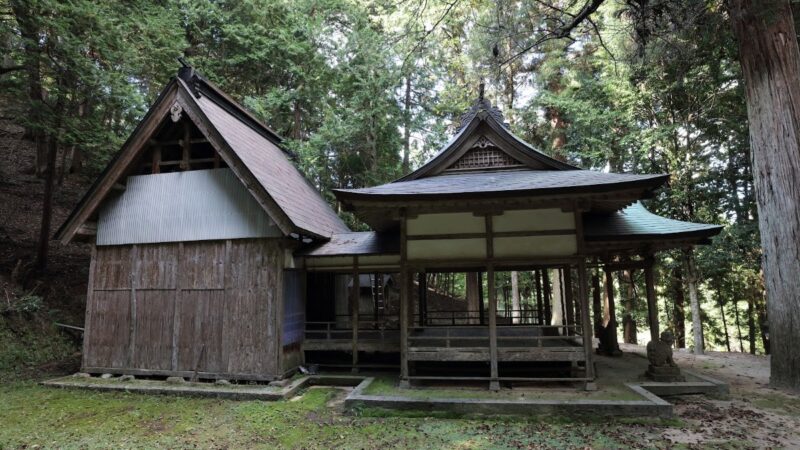
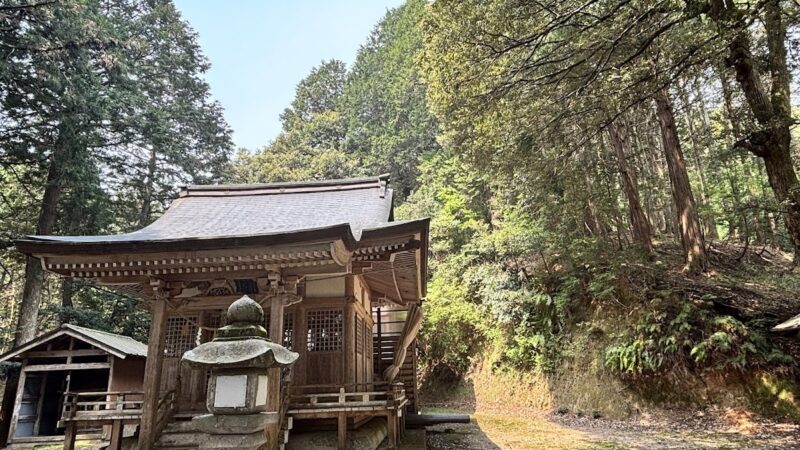
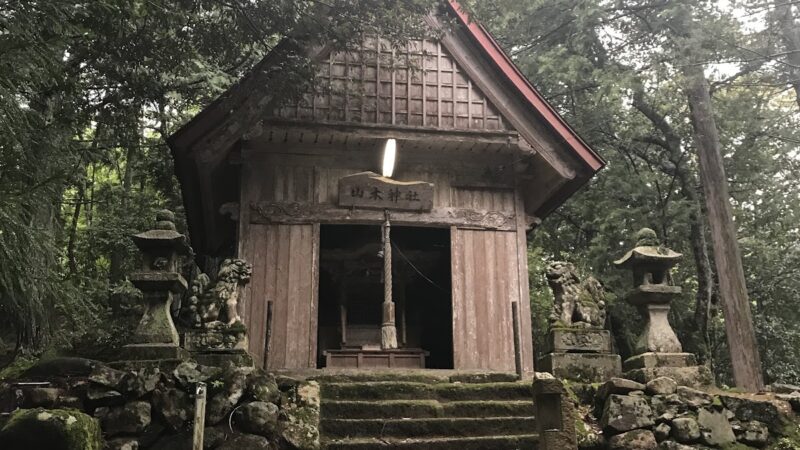
The main hall and worship hall of Omori Tsubakihara Shrine retain the style of traditional shrine architecture. Although small in scale, the shrine is meticulously maintained, reflecting the deep respect and care the local people have for it.
The wooden shrine building harmonizes with the surrounding natural environment, creating a simple yet solemn atmosphere. Especially during the seasons of fresh greenery and autumn leaves, the natural beauty combines to create a truly impressive landscape.
Natural Environment of the Shrine Grounds
Various trees grow on the shrine grounds, including the camellia, which gives the shrine its name. In spring, the camellia blossoms, allowing visitors to truly appreciate the origin of the shrine’s name. Furthermore, visitors can enjoy the changing seasons, experiencing different landscapes depending on the time of year.
Located in a quiet mountain valley, the shrine offers the charm of being surrounded by the sounds of nature, such as birdsong and the wind, during your visit.
Stone Steps and Torii Gate
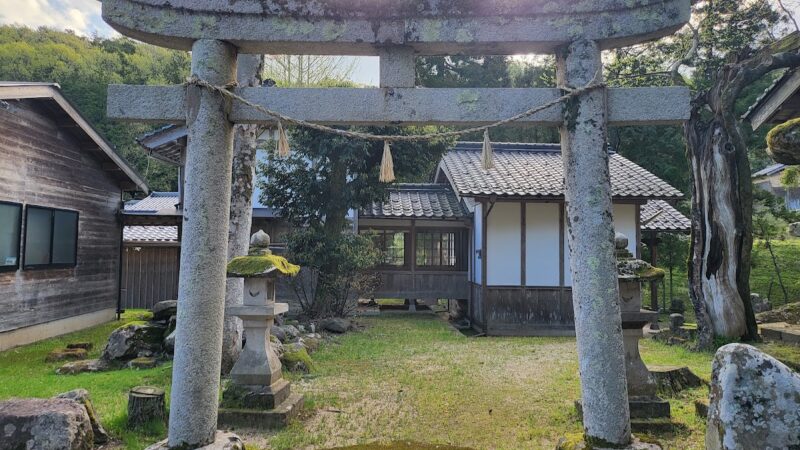
The stone steps and torii gate leading to the shrine grounds also exude a sense of history. Having withstood years of wind and rain, the steps bear the footprints of countless worshippers, conveying the weight of the shrine’s history.
Water Basin
A water basin is provided for purification before worship. By purifying oneself with pure water before worship, one can approach the deities with a more sacred feeling.
Annual Events and Festivals
Grand Festival
Omori Tsubakihara Shrine holds its annual Grand Festival. This is an important event where local parishioners gather to pray for the prosperity of the shrine and the peace of the community. It is often held in the autumn, expressing gratitude for the harvest and praying for a bountiful harvest in the following year.
New Year’s Visit
At the start of the new year, local people visit the shrine for their first shrine visit of the year, praying for safety throughout the year and the health of their families. Although small in scale, it offers a warm, community-based atmosphere for welcoming the new year.
Other Annual Events
- Spring Festival: Celebrating the arrival of spring and praying for a bountiful harvest that year.
- Summer Purification Ceremony: A Shinto ritual to cleanse away the impurities accumulated over the past six months.
- Autumn Harvest Festival: A festival to express gratitude for the harvest.
For specific dates, we recommend checking with local shrine parishioners’ organizations or Nantan City’s tourist information services.
Access Information
Location
Address: Okawachi, Sonobe-cho, Nantan City, Kyoto Prefecture
For the exact address, we recommend contacting the local tourist information center or Nantan City Hall before your visit.
Access by Car
From Kyoto City
- Approximately 1 hour to 1 hour 30 minutes via National Route 9
- Convenient to use the Kyoto Jukan Expressway
- Approximately 15-20 minutes via general roads from Sonobe IC
From Osaka
- Approximately 1 hour 30 minutes to 2 hours via the Meishin Expressway and Kyoto Jukan Expressway
Regarding parking, due to the size of the shrine, dedicated parking may be limited. Please be considerate of the surrounding area when visiting.
Access by Public Transportation
Nearest Station
- The nearest major station is Sonobe Station on the JR Sanin Main Line
Access from the Station
- Take a bus or taxi from Sonobe Station
- A local community bus may operate, but the number of services may be limited
- Approximately 20-30 minutes by taxi (may vary depending on distance and road conditions)
Since public transportation access is limited, it is recommended to check the timetable in advance and plan your visit accordingly.
Access Notes
- Due to its mountainous location, some roads are narrow.
- The location may not be accurately displayed on car navigation systems or smartphone map apps.
- During winter, there is a possibility of snow and icy roads, so it is necessary to use snow tires and drive carefully.
- When asking locals for directions, it is helpful to say “Tsubakihara Shrine in Omori.”
Manners and Etiquette for Worship
Basic Worship Etiquette
Before Passing Through the Torii Gate
- Bow before passing through the torii gate.
- Walk along the edge of the path, as the center is considered the path of the gods.
Procedure for Washing Hands
- Hold the ladle in your right hand and wash your left hand.
- Switch the ladle to your left hand and wash your right hand.
- Switch the ladle back to your right hand, receive water in your left hand, and rinse your mouth.
- Wash your left hand once more.
- Cleanse the handle of the ladle by standing it upright, then return it to its original position.
Worship at the Main Hall (Two Bows, Two Claps, One Bow)
- Place your offering in the offering box.
- If there is a bell, ring it.
- Bow deeply twice.
- Clasp your hands twice in front of your chest.
- Pray with your hands clasped together.
- Finally, bow deeply once.
Attire for Worship
No special formal attire is required, but it is desirable to dress appropriately for a sacred place:
- Clean and neat clothing
- Avoid excessive exposure
- Shoes are preferable to sandals (especially if there are stone steps)
- It is good manners to remove hats and sunglasses on the shrine grounds.
Photography Etiquette
- Refrain from taking photos inside the main hall.
- Be considerate of other worshippers.
- Refrain from taking photos during Shinto rituals, or obtain permission.
- When posting on social media, please be careful not to damage the dignity of the shrine.
Nearby Tourist Attractions
Sonobe Castle Ruins
The ruins of Sonobe Castle, located in Sonobe-cho, Nantan City. Currently developed as Sonobe Park, it is also known as a famous cherry blossom viewing spot. It is relatively easy to access from Omori Tsubakihara Shrine.
Rurikei Gorge
A gorge in Sonobe-cho, Nantan City, where you can enjoy beautiful natural scenery throughout the seasons. It is also a popular hiking course and recommended for those who want to enjoy nature.
Miyama Thatched-Roof Village
A traditional thatched-roof village located in Miyama-cho, Nantan City. With its beautiful scenery that preserves the original landscape of Japan, it has been designated as a National Important Preservation District for Groups of Traditional Buildings.
Ohno Dam
A dam located in Miyama-cho, Nantan City. The area around the dam lake is known as a famous spot for cherry blossoms and autumn leaves. It is also recommended as a driving course.
Kyoto Shinkoetsu Village Roadside Station
A roadside station where you can purchase local specialties and fresh vegetables. Convenient for taking a break or buying souvenirs.
The Charms of Nantan City
A Rich Natural Environment
Nantan City is located almost in the center of Kyoto Prefecture and is blessed with abundant nature. The clear Yura River flows through the area, and you can enjoy beautiful scenery throughout the four seasons. You can spend a relaxing time away from the hustle and bustle of the city.
History and Culture
Nantan City, which has flourished as a transportation hub since ancient times, has many historical buildings and cultural properties remaining. Local shrines such as Omori Tsubakihara Shrine also play a part in its history.
Local Products and Cuisine
Nantan City has a thriving agriculture industry, producing fresh vegetables and rice. It also boasts a wealth of unique local products, such as Miyama milk and Miyama ayu (sweetfish). There are also many restaurants where you can enjoy dishes made with local ingredients.
Points to Note When Visiting Omori Tsubakihara Shrine
Best Seasons for Visiting
Spring (March-May)
- Camellia flowers bloom, allowing you to truly appreciate the origin of the shrine’s name.
- The fresh greenery is beautiful, making for a refreshing visit.
- The weather is mild, making it a pleasant season to visit.
Summer (June-August)
- The greenery becomes denser, creating a cool and refreshing atmosphere.
- Insect repellent is recommended.
Autumn (September-November)
- The autumn leaves are beautiful.
- This is also the time of the annual festival.
- The weather is pleasant, making it one of the best seasons for visiting.
Winter (December-February)
- You can experience a sacred atmosphere enveloped in silence.
- There is a possibility of snowfall, so warm clothing and appropriate footwear are necessary.
- The shrine is bustling with locals during the New Year’s visit period.
Useful Items to Bring
- Comfortable Walking Shoes: There may be stone steps and uneven terrain.
- Drinks: Staying hydrated is especially important during the summer.
- Insect repellent spray: Particularly effective during the summer.
- Camera: You can record the beautiful natural scenery.
- Goshuincho (stamp book): You may be able to receive a Goshuin (stamp) (prior confirmation recommended).
- Rain gear: Weather can change quickly in mountainous areas.
Estimated Visiting Time
Depending on the size of the shrine and your personal pace, it’s a good idea to allow 30 minutes to an hour, including a stroll around the grounds. You can also enjoy the surrounding nature at a leisurely pace.
Connection with the Community
Parishioner Organization
Omori Tsubakihara Shrine is supported by the local parishioner organization. The maintenance and management of the shrine and the operation of annual events are carried out with the cooperation of local residents, playing a central role in the community.
Connection with Local Events
The shrine’s festivals are positioned as important annual events in the community. Many local residents participate in events such as the annual grand festival, making it a place for intergenerational exchange.
Preserving Tradition
In areas facing declining birth rates and an aging population, passing on the traditions of shrines to future generations is a crucial challenge. However, thanks to the efforts of local residents, these important cultural heritage sites continue to be preserved.
Guidelines for Visitors
Maintaining a Quiet Environment
Omori Tsubakihara Shrine is located near a residential area, so it is important to behave quietly and considerate of the lives of local residents during your visit. Please refrain from visiting in the early morning or late at night.
Protecting the Natural Environment
Please cherish the plants and animals on the shrine grounds, and always take your trash with you. Individual consideration is essential to leaving a rich natural environment for future generations.
Respect for the Community
Shrines are places of worship and an integral part of the lives of local people. As a visitor, you are expected to respect the local culture and customs.
About Goshuin (Shrine Seals)
Issuance of Goshuin
It is recommended to check in advance whether Goshuin are available at Omori Tsubakihara Shrine. In the case of small shrines, there may not be a resident priest, and therefore, the issuance of Goshuin (shrine stamps) may not be possible.
Manners for Receiving Goshuin
When receiving a Goshuin, please observe the following manners:
- Always pray before receiving it.
- Prepare a Goshuincho (stamp book) (it may also be possible to receive it on a small sheet of paper).
- Prepare a donation (around 300-500 yen).
- Request it using polite language.
- Wait quietly while the stamp is being written.
- Express your gratitude upon receiving it.
A Goshuin is proof of your visit, not a stamp rally. It is important to treat the shrine with respect.
The Future of Omori Tsubakihara Shrine
Challenges of Preservation and Succession
Small local shrines face challenges such as a decline in parishioners, an aging population, and securing maintenance funds. Omori Tsubakihara Shrine is no exception, and continues to preserve its traditions while facing these challenges.
Collaboration with the Community
The continued existence of the shrine requires the cooperation of the entire community. Active participation in festivals and cleaning activities by local residents supports the shrine.
The Role of Visitors
Visitors can also contribute to the preservation of the shrine by understanding its value and worshipping with appropriate manners. Sharing the shrine’s appeal on social media is also an indirect form of support.
Summary
Omori Tsubakihara Shrine is a historic local shrine nestled in the quiet mountains of Nantan City, Kyoto Prefecture. While not large in scale, it has a long history, supported by the deep faith of the local people.
Named after the camellia flower, this shrine is surrounded by abundant nature, allowing visitors to enjoy beautiful scenery throughout the seasons. Local people continue to visit the shrine seeking blessings for a bountiful harvest, family safety, and protection from evil.
While access by public transportation can be inconvenient, it offers a rare opportunity to worship in a peaceful environment away from the hustle and bustle of the city. Visiting this shrine in conjunction with other tourist attractions in Nantan City will make your trip even more fulfilling.
When visiting, please remember that this is a place of worship for the local community and observe appropriate manners. It is important to respect the history and traditions of the shrine and to cherish the natural environment.
We hope that your visit to Omori Tsubakihara Shrine will be a memorable experience and bring peace and happiness to your daily life. Why not visit this hidden gem of Kyoto at least once?