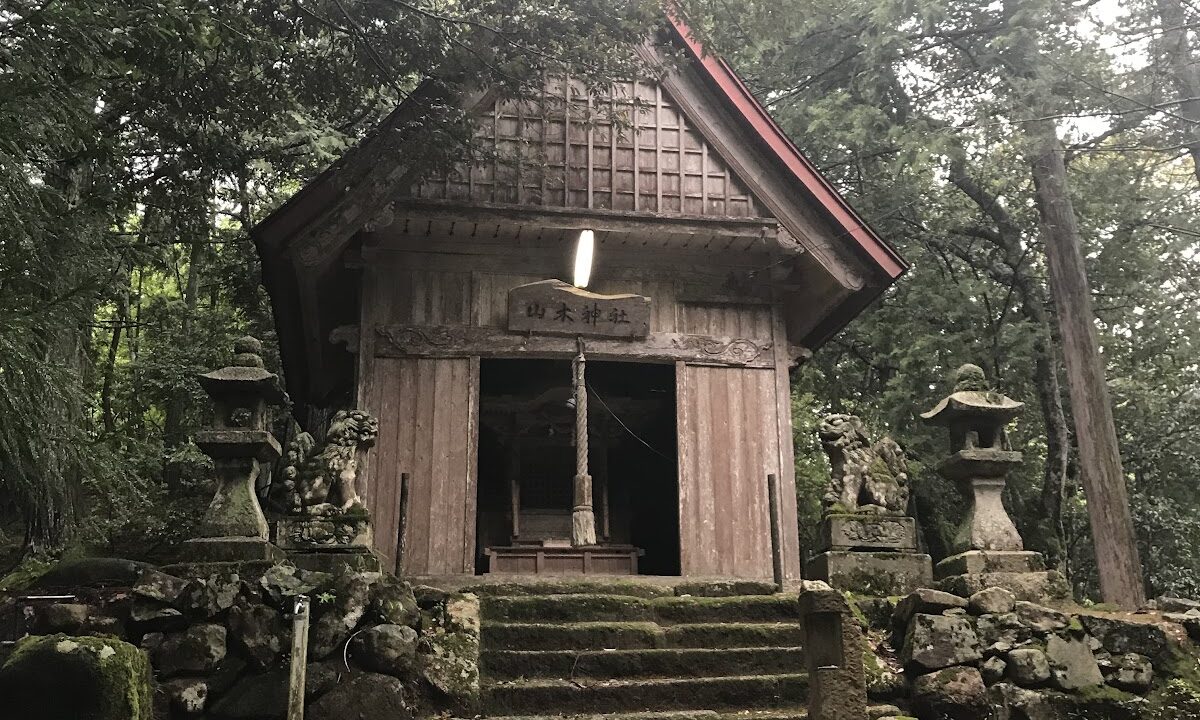
Yamakuni Shrine (Kyoto Prefecture) Complete Guide | History, Yamakuni Corps, Goshuin (Shrine Seal), and Access Information
Located in Toriicho, Keihoku, Ukyo-ku, Kyoto City, Yamakuni Shrine is a venerable shrine deeply intertwined with Japanese history, from the construction of Heian-kyo (Kyoto) to the Yamakuni Corps of the Meiji Restoration. Surrounded by the clear waters of the Kami-Katsura River and the beautiful natural scenery of Kitayama cedar trees, the shrine grounds have been selected as one of Kyoto’s 200 Natural Wonders, making it an iconic spot in northern Kyoto where history and nature harmonize.
Basic Information about Yamakuni Shrine
Location: 1 Miyanomoto, Toriicho, Keihoku, Ukyo-ku, Kyoto City, Kyoto Prefecture
Deities Enshrined: Ōnamuchi-no-Mikoto (also known as Ōkuninushi-no-Mikoto)
Shrine Rank: Shikinaisha (Kuwa-gun, Tanba Province), Former Prefectural Shrine
Divine Rank: Shō-ichii (Granted in Chōwa 5, 1016)
Visiting Hours: Open for worship (Please check the hours of the shrine office)
Admission Fee: Free
Parking: Available (Free)
Yamakuni Shrine is located in the Keihoku area, approximately 40km northwest of central Kyoto City. The shrine buildings are situated just south of the Ōi River (upper reaches of the Katsura River). The surrounding area is a mountainous region blessed with abundant nature, offering a quiet and peaceful environment for worship, far removed from the hustle and bustle of Kyoto.
History and Origins of Yamakuni Shrine
The Construction of Heian-kyo and the Beginning of the Imperial Timber Land
The history of Yamakuni Shrine dates back to the early Heian period, specifically the Hoki era (770-780 AD). When Emperor Kanmu began construction of Heian-kyo, the new capital, it was decided that high-quality timber necessary for the construction of the imperial palace would be collected from the Yamakuni region.
This area was designated as “Miso-ma Goryochi” (Imperial Timber Land) and came to play an important role as a timber supply area directly controlled by the imperial court. “Miso” refers to a place where timber was cut for the emperor and the imperial family, and the Yamakuni region flourished as an important source of materials for the construction of Heian-kyo.
It is said that the main shrine was built during the Hoki era to commemorate this historical event and to express gratitude for the safety of timber harvesting and the blessings of the abundant forests. Since then, Yamakuni Shrine has been a tutelary shrine deeply connected to the local industry, attracting the faith of the people.
Status as a Shikinaisha Shrine
Yamaguni Shrine is a Shikinaisha shrine listed in the Engishiki Jinmyocho (compiled in 927). It is registered as “Yamaguni Shrine, Kuwata District, Tanba Province,” indicating that it was already established as a historically significant shrine recognized by the imperial court during the mid-Heian period.
In 1016 (Chowa 5), it was granted the highest rank of Shinto deity, the Sho-ichii (First Rank). This granting of rank indicates that Yamaguni Shrine was not merely a small local shrine, but a shrine with deep ties to the imperial court and high status.
From the Edo Period to the Meiji Restoration
Throughout the Edo period, Yamaguni Shrine was the center of faith for local residents as the tutelary deity of the region. The Yamaguni area developed as a forestry region centered on the timber industry, and the shrine was revered as the guardian deity of that industry.
At the turning point of Japanese history known as the Meiji Restoration, Yamaguni Shrine would play a new historical role. This is its connection to the “Yamaguni Corps,” which will be detailed next. ## The History of the Yamaguni Unit and the Meiji Restoration
The Formation and Departure of the Yamaguni Unit
An essential part of understanding Yamaguni Shrine is the existence of the “Yamaguni Unit,” formed during the Meiji Restoration. The Yamaguni Unit was a government army unit organized in 1868 by the residents of Yamaguni village, and participated in the Boshin War, including the Battle of Toba-Fushimi.
Yamaguni village had long had deep ties to the imperial court as an imperial lumberyard, and a strong spirit of loyalty to the emperor was deeply rooted among its residents. During the turbulent period of the Meiji Restoration, young people in this region spontaneously formed an organization and decided to go into battle as part of the new government army (government army).
Before their departure, the members of the Yamaguni Unit gathered in front of the Yamaguni Shrine and held a departure ceremony to pray for victory and a safe return. This historical event gave Yamakuni Shrine a special place in the history of the Meiji Restoration, as “the shrine where the Yamakuni Corps made their vow before going into battle.”
The Activities and Characteristics of the Yamakuni Corps
The Yamakuni Corps was a militia organization mainly composed of farmers and forestry workers, but their loyalty to the Emperor was strong, and they fought bravely in various parts of the Boshin War. Particularly noteworthy is that much of the weapons and equipment they used were unique, utilizing local resources.
The most distinctive feature of the Yamakuni Corps was its “drum and fife corps.” They formed a drum and fife corps modeled after Western-style military bands, and their marching while playing drums and flutes was extremely rare at the time, attracting people’s attention. This tradition of the drum and fife corps has been passed down to the present day.
The Yamakuni Corps’ Tradition Continues to the Present
After the Meiji Restoration, the achievements of the Yamakuni Corps were highly praised, and its history and traditions have been carefully preserved as a source of local pride. Even today, the annual festival of Yamakuni Shrine features a procession of the “Ishin Kinno Yamakuni-tai,” a group dressed in the costumes of the time, captivating many tourists and history enthusiasts.
This traditional event is more than just a historical reenactment; it is an important cultural activity that preserves the region’s identity and passes on its history to future generations.
Yamakuni Shrine Grounds and Highlights
Main Hall and Shrine Architecture
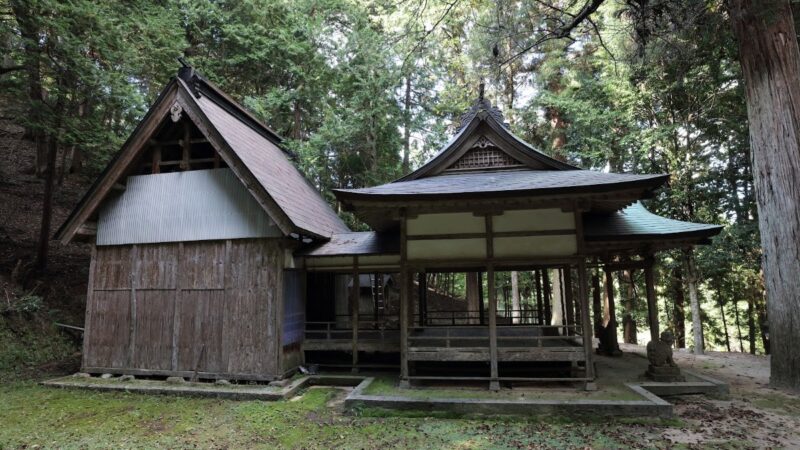
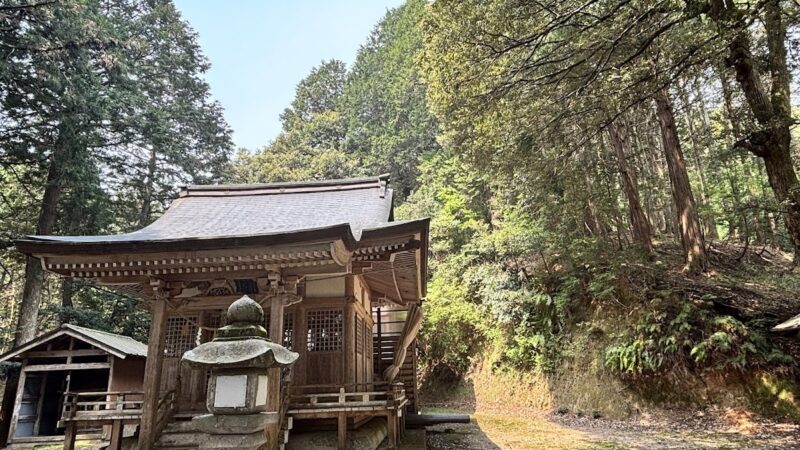
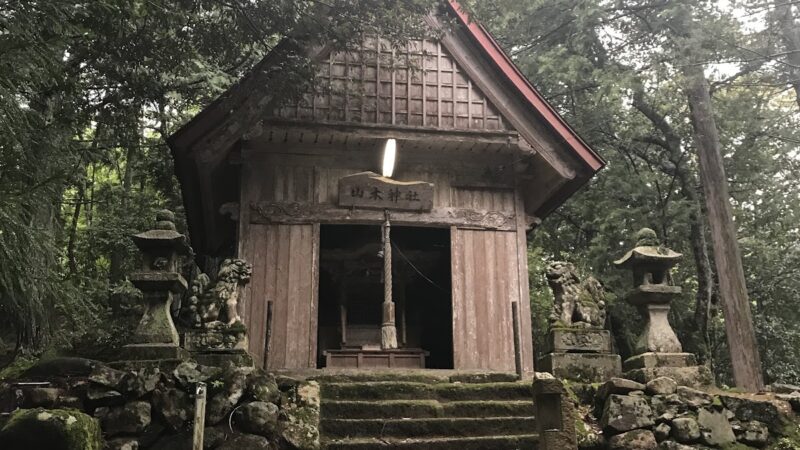
The main hall of Yamakuni Shrine, built during the Hoki era, has maintained its traditional shrine architectural style despite several restorations. The shrine is built with the clear waters of the Kami-Katsura River as its backdrop, creating a charming setting where worshippers can enjoy the sound of the flowing river.
The architectural style of the main hall is characteristic of shrine architecture in the Tanba region, exhibiting a simple yet dignified appearance. The shrine’s harmonious integration with the surrounding natural environment conveys the form of faith that has long been cherished by people as a “forest where gods reside.”
Cedar Grove and Natural Landscape within the Shrine Grounds
The most striking feature of Yamakuni Shrine’s grounds is the majestic cedar grove surrounding the shrine buildings. These cedars, having grown over many years, possess towering heights and thick trunks that deeply impress visitors.
The cedar grove within the shrine grounds, combined with the Kitayama cedar forest stretching out in the background across the clear waters of the Kami-Katsura River, forms an iconic landscape of the Yamakuni region. This beautiful natural scenery has been selected as one of “Kyoto’s 200 Natural Wonders” and is protected as a valuable natural heritage of Kyoto Prefecture.
In spring, the fresh greenery is beautiful; in summer, the deep shade provides coolness; in autumn, the surrounding broadleaf trees change color; and in winter, the snow-covered cedar forest creates a fantastical atmosphere. The shrine grounds, displaying different expressions throughout the seasons, are a precious place to experience the quintessential Japanese landscape where nature and faith are intertwined.
The Clear Stream of the Kami-Katsura River (Oi River)
The Kami-Katsura River (the upper reaches of the Oi River), which flows just south of the Yamakuni Shrine’s main hall, is an important element in forming the landscape of the shrine grounds. This clear stream is the source of the Katsura River that flows through Kyoto City, and its water is exceptionally clear and beautiful.
The gentle murmur of the river resonates pleasantly throughout the shrine grounds, providing visitors with a sense of coolness and tranquility. Especially in summer, many people visit seeking respite from the heat, making it a spot where visitors can enjoy both shrine worship and nature walks simultaneously.
Exhibits and Monuments Related to the Yamakuni Unit
Within the shrine grounds, there are monuments and exhibits related to the Yamakuni Unit, allowing visitors to learn about the history of the Meiji Restoration period. Information boards explaining the history of the Yamakuni Unit, including the place where they made their vows before going into battle, are also installed, making it a must-see for history enthusiasts.
Annual Festival and Events of Yamakuni Shrine
Yamakuni Sakigake Festa (Annual Festival)
The most important annual event at Yamakuni Shrine is the annual festival, “Yamakuni Sakigake Festa,” held every year on the second Sunday of October. This festival commemorates the exploits of the Yamakuni Corps during the Meiji Restoration and aims to carry on their traditions into the present day.
The highlight of the festival is the procession by the “Ishin Kinno Yamakuni Corps,” whose costumes are faithfully recreated from that era. The sight of local people dressed as corps members marching majestically to the accompaniment of a drum and fife corps is breathtaking, giving the feeling of having traveled back in time to the Meiji era.
During the procession, the sounds of drums and flutes echo through the mountains, and spectators offer loud applause and cheers. As the largest event in the region, this festival attracts many tourists and history enthusiasts every year, creating a lively atmosphere.
Other Annual Events
At Yamakuni Shrine, various Shinto rituals are performed throughout the year, in addition to the annual festival.
- New Year’s Day Festival (January 1st): A festival to celebrate the New Year and pray for peace throughout the year.
- Spring Festival: A prayer for a bountiful harvest and the prosperity of the region.
- Summer Purification Ceremony: A Shinto ritual to purify oneself of the impurities accumulated over the past six months and pray for good health.
- Autumn Festival (Yamakuni Sakigake Festa): The most important annual festival.
- Niiname-sai Festival (November 23rd): A festival to give thanks for the harvest.
These events are deeply intertwined with the lives of the local people and serve as important opportunities to reaffirm the bond between the shrine and the community at each seasonal turning point.
About Goshuin (Shrine Seals) and Gifts
Goshuin Information
Yamakuni Shrine offers Goshuin (shrine seals). The Goshuin (temple/shrine stamp) features the shrine’s name and the date of visit written in ink, followed by a red seal. As a shrine associated with the Yamakuni Corps, this Goshuin holds significant historical value.
Goshuin Reception: Shrine Office (advance confirmation recommended as staff may be absent)
Offering Fee: Approximately 300-500 yen
Reception Hours: 9:00 AM – 4:00 PM (approximate)
*Please note that the shrine office may be unattended. If you wish to obtain a Goshuin, it is recommended to confirm by phone or other means in advance.
Items Offered
Yamakuni Shrine also offers items such as amulets and votive tablets. These items feature designs related to the local nature and history, making them popular souvenirs of your visit.
Access and Tourist Information
Access by Public Transportation
Yamakuni Shrine is located in the mountainous area north of Kyoto City, so access by public transportation may take some time.
Access from Kyoto Station:
- Take the JR Bus “Takao/Keihoku Line” from JR Kyoto Station.
- Get off at “Shuzan” (approximately 1 hour 10 minutes).
- From Shuzan, take the Keihoku Furusato Bus or a taxi for approximately 15 minutes.
- Get off at the “Torii” bus stop and walk for approximately 5 minutes.
Access from Shijo Kawaramachi:
- Take the Kyoto City Bus or JR Bus to “Shuzan” (approximately 1 hour 30 minutes).
- From Shuzan, follow the same directions as above.
*Since bus services are limited, we strongly recommend checking the timetable in advance.
Access by Car
Access by car is the most convenient.
From central Kyoto:
- Head north on National Route 162 (Shuzan Kaido)
- Via Shuzan towards Keihoku
- Travel time: Approximately 1 hour to 1 hour 15 minutes
- Distance: Approximately 40 km
Parking: Free parking available on the shrine grounds (limited number of spaces)
Car Navigation Settings:
- Address: 1 Miyanomoto, Toriicho, Keihoku, Ukyo-ku, Kyoto City
- When searching by phone number, use nearby facilities such as the Keihoku Branch Office as landmarks.
Nearby Tourist Attractions
When visiting Yamakuni Shrine, exploring the surrounding tourist attractions will allow you to experience the charm of the Keihoku area more deeply.
Joshokoji Temple: An ancient Rinzai Zen temple associated with Emperor Kogon. Also famous as a cherry blossom viewing spot.
Woody Keihoku: Roadside station. You can purchase fresh local vegetables and specialty products.
Kitayama Cedar Village: Visit the production area of Kitayama cedar, a representative high-grade timber of Kyoto.
Keihoku Hot Spring Facilities: Relax and unwind from your travels at a day-trip hot spring.
Time Required for Visiting the Shrine
The grounds of Yamakuni Shrine are relatively compact, and the visit itself takes about 15-30 minutes. However, if you want to enjoy the surrounding natural scenery or stroll along the Kamikatsura River, it’s a good idea to allow about an hour.
Nature Around Yamakuni Shrine and the Charm of the Keihoku Region
Forestry Culture of Kitayama Cedar
The Keihoku region, where Yamakuni Shrine is located, is known as the production area of Kitayama cedar, a representative high-grade timber of Kyoto. Kitayama cedar is the highest quality polished log used for things like tokonoma pillars, and is characterized by its beautiful wood grain and straight tree shape.
The tradition of forestry, which has continued since the construction of Heian-kyo (Kyoto), remains an important industry in the region today, and Yamakuni Shrine can be considered the starting point of this history. Beautiful forests of Kitayama cedar spread throughout the surrounding area, allowing visitors to experience traditional Japanese forestry culture firsthand.
Natural Environment of the Kamikatsura River
The Kamikatsura River is located in the headwaters of the Katsura River, which flows through Kyoto City, and boasts exceptionally pure water. This clear stream fosters a rich ecosystem, providing habitats for various aquatic creatures and birds.
A promenade is maintained along the river, allowing visitors to enjoy nature walks in conjunction with shrine visits. The beauty of the trees reflected on the river’s surface is particularly stunning during the seasons of fresh greenery and autumn leaves.
Kyoto’s 200 Best Natural Landscapes
The grounds of Yamakuni Shrine and the surrounding natural landscape have been selected as one of “Kyoto’s 200 Best Natural Landscapes.” This is a selection of locations within Kyoto Prefecture with outstanding natural environments, and Yamakuni Shrine is valued for both its historical significance and natural environment.
The landscape formed by the cedar groves within the shrine grounds, the clear waters of the Kamikatsura River, and the Kitayama cedar forest in the background is a symbolic landscape of the Yamakuni region, cherished and carefully preserved by the local people.
Manners and Precautions for Visiting the Shrine
Basic Manners for Visiting the Shrine
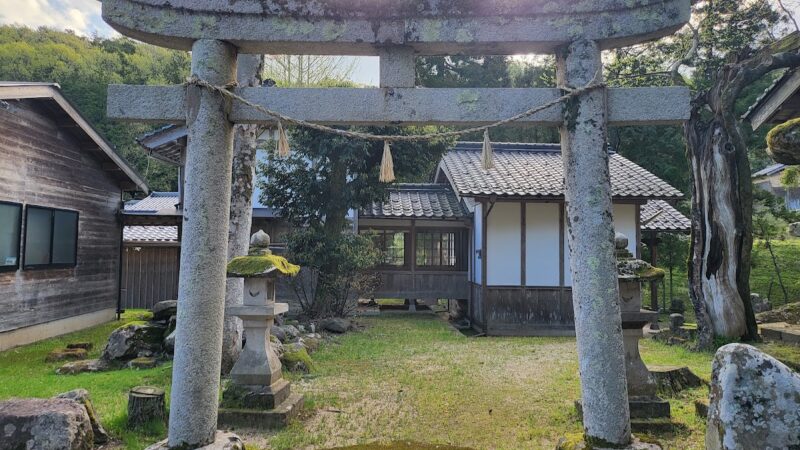
- When passing through the torii gate: Bow before entering the shrine grounds.
- How to walk along the approach: Walk along the sides of the approach, as the center is considered the path of the gods.
- How to use the purification fountain: Cleanse your left hand, then your right hand, then your mouth, and finally cleanse the handle.
- Worship at the main hall: The basic procedure is two bows, two claps, and one bow.
- Behavior within the shrine grounds: Worship quietly and respectfully.
Regarding Photography
Photography is generally permitted within the shrine grounds, but consideration should be given to avoiding disturbing other worshippers or taking photos during religious ceremonies. Please follow the signs as photography is restricted in some areas, such as inside the main hall.
Clothing and Items to Bring
Yamaguni Shrine is located in a mountainous area, so temperatures are lower and the weather is more unpredictable than in urban areas. We recommend wearing appropriate clothing for the season and comfortable walking shoes. Especially in winter, there is a possibility of snow, so please take precautions against the cold and ensure your footing is safe.
The Charm and Value of Visiting Yamaguni Shrine
Yamaguni Shrine is a witness to over a thousand years of history, from the crucial turning point in Japanese history of the construction of Heian-kyo to the beginning of modern Japan with the Meiji Restoration. Its role as an imperial lumberyard, its historical significance as the departure point for the Yamaguni Corps, and its function as a center of local faith that continues to this day—all of these elements combine to form the unique charm of this shrine.
Unlike the famous tourist spots in central Kyoto, Yamaguni Shrine, nestled in a quiet mountain environment, offers a unique experience of history and nature. It is a special place worth visiting for those who want to discover the profound charm of Kyoto, those interested in history, and those seeking peace of mind in nature. As you quietly offer your prayers amidst the cedar groves, listening to the gentle murmur of the clear waters of the Kamikatsura River, you can feel the history of Japan, which has continued since the Heian period, and the lives of the people who lived in this land. A special experience awaits you at Yamakuni Shrine, where you can reflect on the heroic history of the Yamakuni Corps and be soothed by the beautiful natural scenery of Kitayama cedars.
When sightseeing in Kyoto, be sure to escape the hustle and bustle of the city and visit Yamakuni Shrine. There, you will find the true face of Kyoto, one that you won’t find in guidebooks.