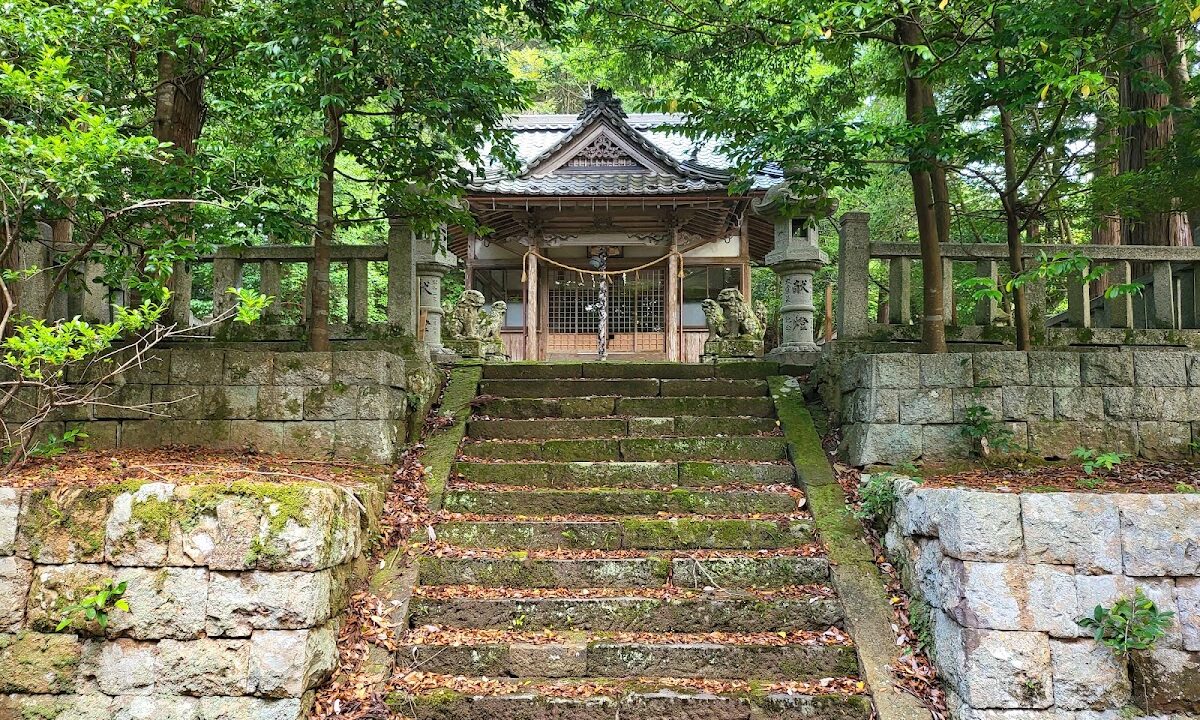
Maruta Shrine (Kyotango City, Kyoto Prefecture) Complete Guide | History, Deities, and Access Information for this Shikinaisha Shrine
Maruta Shrine, located in Kumihama-cho, Kyotango City, Kyoto Prefecture, is a historically significant shrine listed in the Engishiki Jinmyocho (a list of shrines compiled in the Heian period). This ancient shrine, dedicated to Toyouke-no-Okami, has attracted the faith of the local community. This guide provides detailed information about the shrine, from its historical background to visitor information.
Basic Information about Maruta Shrine
Maruta Shrine is located at 1313 Kameishi, Koyama, Kumihama-cho, Kyotango City, Kyoto Prefecture. Its official name is “Maruta Jinja.” It is listed in the Engishiki Jinmyocho as “Maruta Shrine, Kumano District, Tango Province,” and boasts a long and distinguished history dating back to ancient times.
Location and Shrine Rank
- Location: 1313 Kameishi, Koyama, Kumihama-cho, Kyotango City, Kyoto Prefecture
- Former Shrine Rank: Shikinaisha (Minor Shrine)
- Former Province/County: Kumano District, Tango Province
- Deity Enshrined: Ukemochi-no-Mikoto
Ukemochi-no-Mikoto, the enshrined deity of Maruta Shrine, is also known as Toyouke-no-Okami and has been revered since ancient times as the god who presides over food and grains. He is considered the same deity as Toyouke-no-Omikami, enshrined at the Outer Shrine of Ise Grand Shrine, and the shrine is one of the important centers of Toyouke worship in the Tango region.
History and Origins of Maruta Shrine
Status as a Shikinaisha
Maruta Shrine is a Shikinaisha listed in the “Engishiki Jinmyocho,” a list of shrines compiled in the early Heian period, in the 5th year of the Engi era (927 AD). The Engishiki Jinmyocho (a list of shrines compiled in the Heian period) lists 2,861 shrines nationwide, and Maruta Shrine is one of them, indicating that it was a prestigious shrine recognized by the imperial court since ancient times.
While several shrines listed in the Engishiki Jinmyocho existed in Kumano District, Tango Province, Maruta Shrine held a particularly important position among them. Being listed as a Shikinaisha (a shrine listed in the Engishiki) meant that it was eligible to receive official offerings from the imperial court at the time, indicating that it was a center of religious worship in the region.
The Relationship Between Toyouke Worship and Tango
The Tango region is a place where traditions persist that it is the birthplace of Toyouke-no-Okami. The surviving fragments of the Tango no Kuni Fudoki (a regional gazetteer) describe Toyouke-no-Okami descending to Manai in Hiji, Tango (the current inner shrine of Kono Shrine, Manai Shrine), and later being relocated to the Outer Shrine of Ise Grand Shrine.
The fact that Maruta Shrine enshrines Ukemochi-no-Mikoto (Toyouke-no-Okami) indicates that this region was a center of Toyouke worship since ancient times. The worship of Toyouke-no-Ōkami, who played a vital role in agricultural societies as the god of food, was indispensable to the people engaged in agriculture around Kumihama Town.
Transition from the Medieval to the Early Modern Period
While detailed records of Maruta Shrine from the medieval period onward are limited, it continued to attract the faith of residents as the local tutelary deity. During the Edo period, it was designated a village shrine, and rituals continued as the guardian deity of the Kōyama district.
Even during the Meiji era’s reform of the shrine system, its historical significance as a Shikinaisha (a shrine listed in the Engishiki) was recognized, and it continued to exist as an important shrine in the region. Even in the modern era, it has been preserved as a spiritual pillar of the local community, with annual festivals and rituals being passed down.
About the Deity: Ukemochi-no-Mikoto
Divine Nature of Ukemochi-no-Mikoto
Ukemochi-no-Mikoto is a god of food appearing in the Kojiki and Nihon Shoki. “Uke” means food, and “mochi” means to hold or govern, so it has been worshipped as the god who literally governs food. According to the *Nihon Shoki*, when Tsukuyomi-no-Mikoto, acting on Amaterasu-Omikami’s orders, visited Ukemochi-no-Mikoto, Ukemochi-no-Mikoto entertained him by producing various foods from his mouth. Seeing this as impure, Tsukuyomi-no-Mikoto killed Ukemochi-no-Mikoto, but from his corpse, the five grains and cattle and horses were born, which is said to be the origin of grains.
Relationship with Toyouke-no-Omikami
Ukemochi-no-Mikoto is generally considered to be the same deity as Toyouke-no-Omikami (Toyouke-no-Omikami), or a deity of the same lineage. Toyouke-no-Omikami, enshrined at the Outer Shrine of Ise Grand Shrine, holds an important position as Miketsukami, the deity who presides over Amaterasu-Omikami’s meals.
In the Tango region, there is a strong tradition that Toyouke-no-Omikami originally resided in this area, and Maruta Shrine is considered one of the areas within this faith. Due to its nature as a god of food and agriculture, it is believed to bestow blessings such as abundant harvests, business prosperity, and industrial development.
Highlights of the Shrine Grounds
Shrine Buildings and Grounds Layout
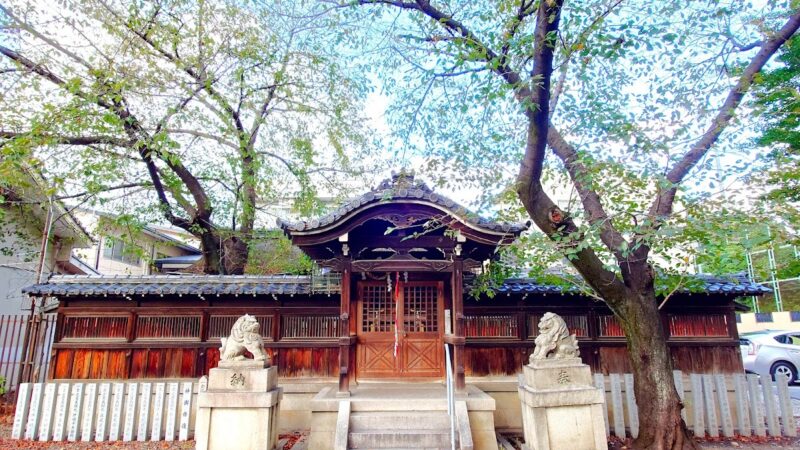
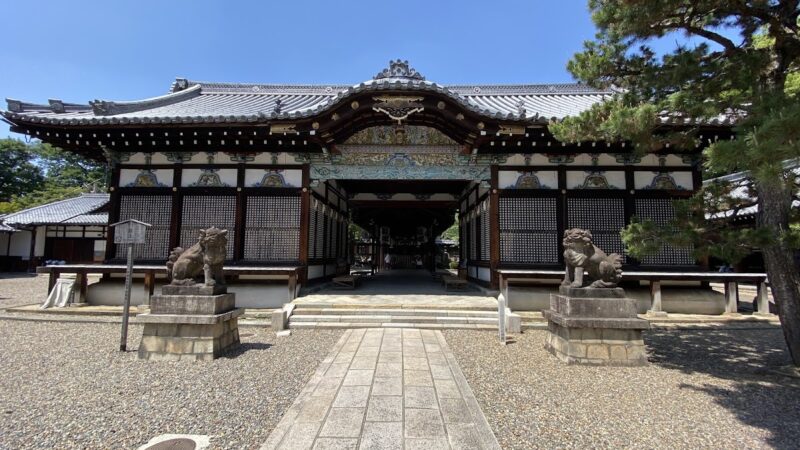
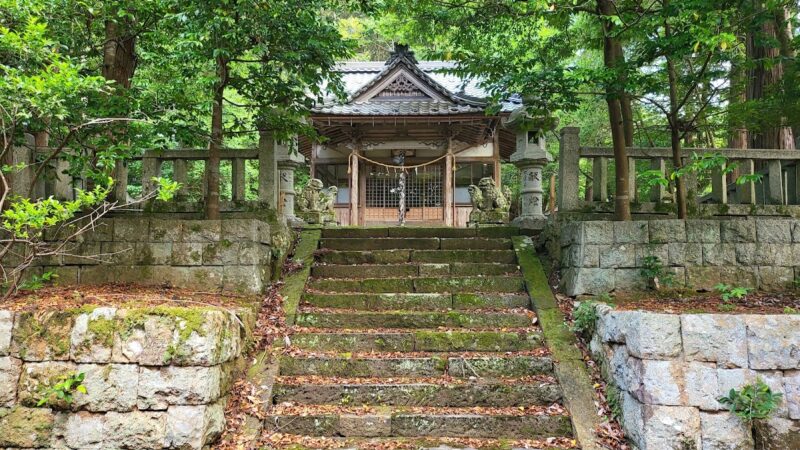
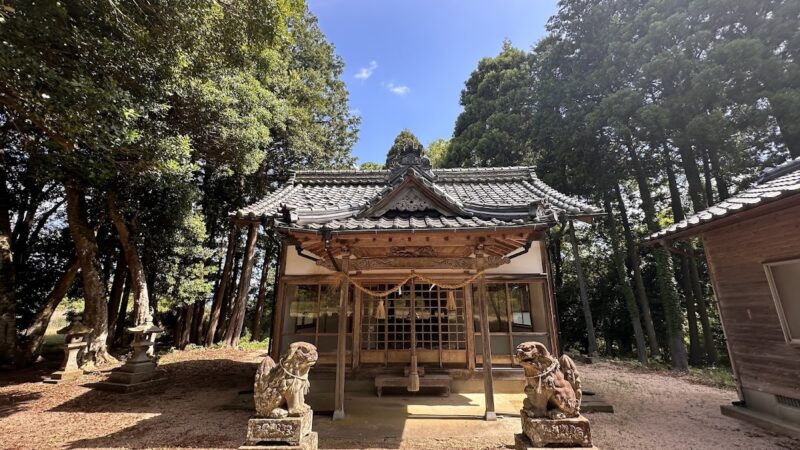
Maruta Shrine’s grounds are located in the quiet environment of Koyama, Kumihama Town. The main hall is built in the traditional shrine architectural style and is maintained together with the worship hall.
There is a torii gate within the grounds, and proceeding along the approach leads to the worship hall and then the main hall. While maintaining its status as a Shikinaisha (a shrine listed in the Engishiki, an ancient Japanese legal text), it is a shrine with a simple atmosphere rooted in the local community.
Natural Environment and Landscape
Kumihama Town, where Maruta Shrine is located, is a scenic area facing the Sea of Japan. Kumihama Bay is nearby, and the area is blessed with a rich natural environment. The area around the shrine is also surrounded by greenery, maintaining a tranquil environment for worship.
Agriculture has flourished in this region since ancient times, and Maruta Shrine, which enshrines the god of food, has been cherished by the local people as a god protecting the fields. Amidst the ever-changing natural world, the shrine quietly watches over the history of the region.
Annual Events and Festivals
Annual Festival
At Maruta Shrine, various Shinto rituals are performed throughout the year. The most important festival, the Annual Festival, brings together local parishioners to pray for a bountiful harvest and peace in the community.
The date of the Annual Festival is set based on local tradition, and rituals such as the recitation of prayers by Shinto priests and the offering of sacred branches are performed solemnly.
Seasonal Rituals
As a shrine dedicated to the god of agriculture, seasonal rituals, such as prayers for a good harvest in spring and thanksgiving for the harvest in autumn, have been cherished. These rituals were important events marking milestones in the year’s agricultural work for the local residents.
Even today, these traditions are preserved by the local community, demonstrating the strong bond between the shrine and the region.
Goshuin (Shrine Seal) and Visiting Information
About Goshuin
Regarding the issuance of Goshuin at Maruta Shrine, prior confirmation is necessary. While it is a historically valuable shrine as a Shikinaisha (a shrine listed in the Engishiki), there may not always be a resident priest, so it is recommended that those wishing to receive a Goshuin inquire in advance.
Points to Note When Visiting
Maruta Shrine is a shrine deeply rooted in the community, maintaining a simple environment unspoiled by tourism. Please keep the following points in mind when visiting:
- Quiet Worship: Respect this as a place of local faith and worship quietly.
- Parking: There is parking space on the shrine grounds, but the number of spaces is limited.
- Photography: Please take photographs within the shrine grounds within reasonable limits.
- Trash: Please be sure to take all trash you bring with you.
Access Method
Access by Car
Maruta Shrine is easily accessible by car.
From Kyoto:
- Take the Kyoto Jukan Expressway and proceed from Yosa-Amanohashidate IC via National Route 176 and National Route 312 (approximately 40 minutes).
- From Kyotango-Omiya IC via National Route 312 (approximately 30 minutes).
From Osaka/Hyogo:
- Connect to the Kyoto Jukan Expressway from the Maizuru-Wakasa Expressway and use the above route.
Address: Entering 1313 Kameishi, Koyama, Kumihama-cho, Kyotango City, Kyoto Prefecture into your car navigation system will guide you to the vicinity of the shrine.
Access by Public Transportation
When using public transportation, the following routes are possible:
- Take the Kyoto Tango Railway (Tantetsu) Miyatoyo Line and get off at Kumihama Station.
- Take a taxi or local bus from Kumihama Station.
- Since the shrine is approximately 6km from the station, taking a taxi is convenient.
Public transportation is limited, so it is recommended to check the timetable in advance and plan your visit accordingly.
Nearby Tourist Attractions
When visiting Maruta Shrine, you can also visit the tourist attractions around Kumihama Town:
- Kumihama Bay: A lagoon with beautiful scenery, also known for oyster farming.
- Kotenkyo: A sandbar separating Kumihama Bay from the Sea of Japan, popular as a swimming beach.
- Nyoi-ji Temple: One of the 25 sacred flower temples of Kansai.
- Kabutoyama Observatory: A scenic spot offering panoramic views of Kumihama Bay.
Pilgrimage to Shikinaisha Shrines in the Tango Region
What are Shikinaisha Shrines?
Shikinaisha shrines are shrines listed in the Engishiki Jinmyocho (a list of shrines compiled in the Heian period), and were recognized for their status by the imperial court during the Heian period. There are approximately 2,900 such shrines nationwide, with 122 listed in Kyoto Prefecture.
The Tango region (Tango Province) has 65 Shikinaisha shrines listed, indicating its importance since ancient times. Maruta Shrine is one such example, a valuable site that preserves the history of the region.
Major Shikinaisha Shrines of Tango
Around Maruta Shrine, there are several other important Shikinaisha shrines:
- Kono Shrine: An ancient shrine known as Tango’s Ichinomiya and Moto-Ise (original Ise Shrine)
- Omiyame Shrine: Located in Omiya-cho, Kyotango City
- Takano Shrine: Located in Tango-cho, Kyotango City
Visiting these shrines allows for a deeper understanding of the ancient beliefs and history of the Tango region.
Divine Virtues and Faith of Maruta Shrine
Abundant Harvests and Protection of Agriculture
The main divine virtues of Maruta Shrine, which enshrines Ukemochi-no-Mikoto, are abundant harvests and protection of agriculture. Since ancient times, it has been a place of worship where people engaged in agriculture prayed for bountiful harvests and expressed gratitude for their harvests.
Due to her nature as a food deity, she is revered as a god who watches over the growth of crops and brings abundant harvests.
Industrial Development and Business Prosperity
Toyouke-no-Okami is also worshipped at the Outer Shrine of Ise Grand Shrine as the guardian deity of industries, presiding over clothing, food, and shelter. At Maruta Shrine, worshippers visit to pray for the development of local industries and business prosperity.
As a god who presides over food, she has attracted the faith of people from various professions as a being who supports the foundation of life.
Family Safety and Protection from Evil
As the local guardian deity, prayers for family safety and protection from evil are also offered. As a shrine closely intertwined with people’s lives, it attracts a wide range of worship, from everyday wishes to prayers for significant life events.
Guidelines for Visiting Maruta Shrine
Etiquette for Visiting a Shrine
The basic etiquette for visiting a shrine is as follows:
- Bow before passing through the torii gate: This is a courtesy before entering the sacred area.
- Walk along the edge of the approach to the shrine: The center is considered the path for the gods.
- Purify yourself at the water basin: Purify your left hand, right hand, and mouth in that order.
- Worship at the main hall: Two bows, two claps, and one bow is the basic procedure.
- Bow upon leaving: Turn around and bow before leaving the torii gate.
Suitable Time to Visit
Maruta Shrine is open for worship throughout the year, but each season has its own unique charm:
- Spring (March-May): Beautiful fresh greenery, the start of the agricultural season.
- Summer (June-August): Lush green grounds, and the annual festival is sometimes held.
- Autumn (September-November): Harvest season, time of beautiful autumn foliage
- Winter (December-February): A tranquil atmosphere, New Year’s visit to the shrine
Maruta Shrine and Local Culture
History of Kumihama Town
Kumihama Town has long developed as an important area in the Tango region. Water transport centered around Kumihama Bay, agriculture, and fishing are thriving, and the town retains rich nature and historical culture.
Maruta Shrine has played an important role in the formation of local identity as one of the centers of the spiritual culture of this region.
Connection with the Local Community
Even in modern times, Maruta Shrine remains an important place for the local community. Through festivals and religious ceremonies, intergenerational exchanges are fostered, strengthening community bonds.
In rural areas facing depopulation, shrines are becoming increasingly important as strongholds protecting local history and traditions.
Summary: The Charm of Maruta Shrine
Maruta Shrine is an ancient shrine with a history of over 1000 years, listed in the Engishiki Jinmyocho (a list of shrines compiled in the Heian period). Maruta Shrine, dedicated to Toyouke-no-Okami (Ukemochi-no-Mikoto), is known for its divine blessings of abundant harvests and industrial development.
Maintaining its unspoiled, unspoiled atmosphere, Maruta Shrine remains a cherished center of local faith. It’s a shrine you should definitely visit when you’re in Kyotango City.
In its tranquil grounds, you can reflect on history and feel the spirit of ancient faith. Spending time quietly praying while experiencing the rich nature and historical culture of the Tango region will be a precious escape from everyday life.
We hope that your visit to Maruta Shrine will help you rediscover the depth of Japanese shrine culture and the importance of locally rooted faith.