Complete Guide to Kumohare Shrine (Kyotango City, Kyoto Prefecture) | History, Access, and Blessings Explained in Detail
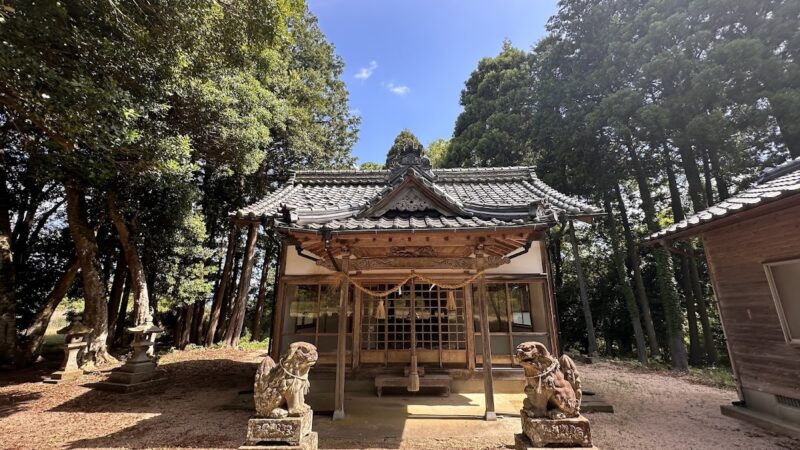
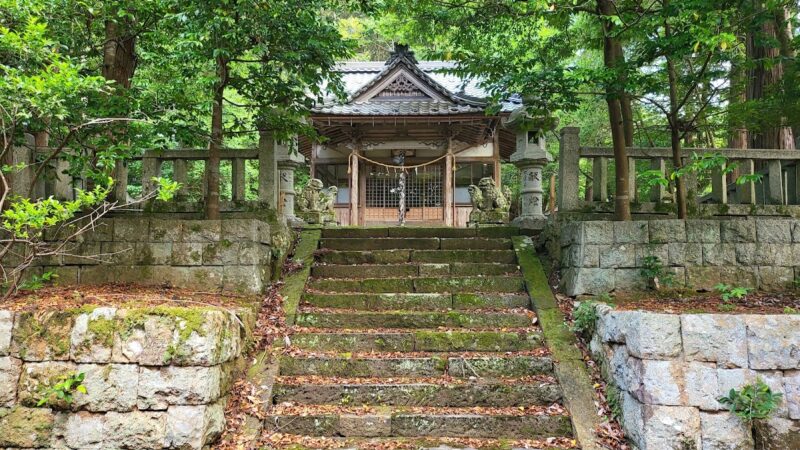
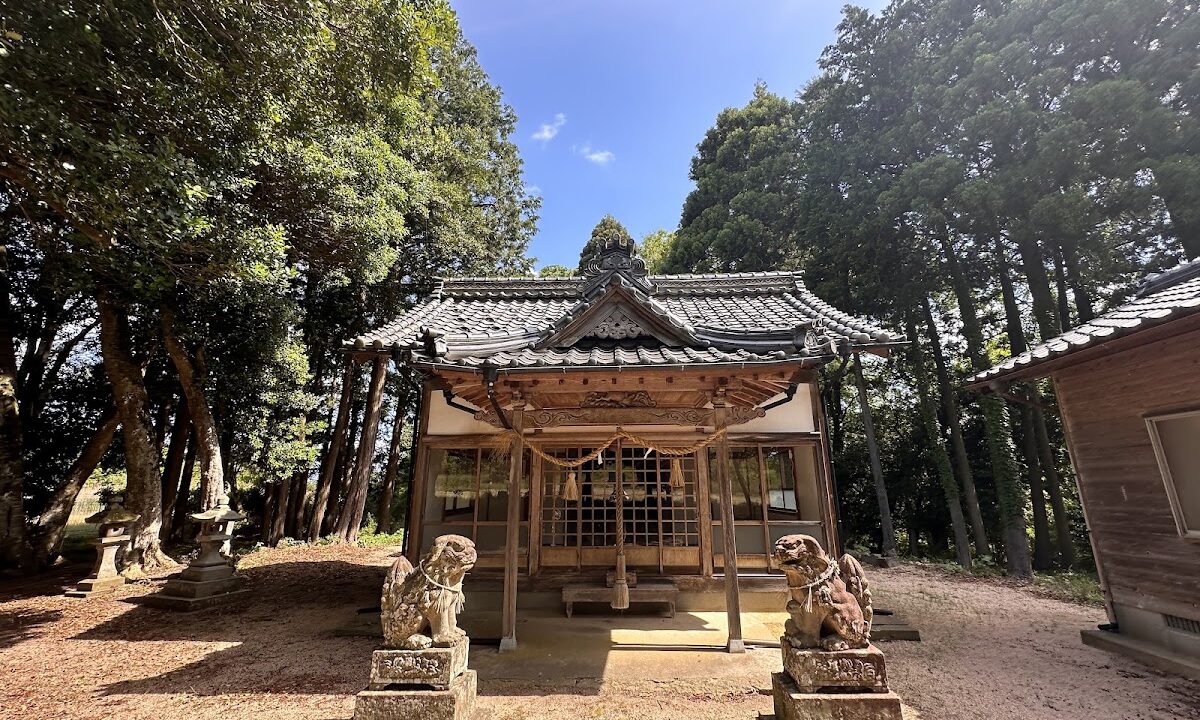
Kumohare Shrine, quietly nestled in Kumihama-cho, Kyotango City, Kyoto Prefecture, is a shrine that has been cherished by locals for many years. Unlike the famous shrines in Kyoto City, this shrine, surrounded by the rich natural environment of the Tango Peninsula, offers visitors a tranquil time and peace of mind. This article provides a detailed introduction to Kumohare Shrine, from its history and access methods to surrounding information, from the perspective of someone who knows the area intimately.
Basic Information on Kumohare Shrine
Location and Address
Address: 998 Kanzaki, Kumihama-cho, Kyotango City, Kyoto Prefecture 629-3441
Kumohare Shrine is located in the Kanzaki district of Kumihama-cho, in the southwestern part of Kyotango City. Situated inland from Kumihama Bay, it is surrounded by a quiet environment of rice fields and mountains. Agriculture has flourished in this region since ancient times, and the shrine has been a guardian deity of the area, closely intertwined with the lives of the people.
Opening Hours and Admission Fee
Kumohare Shrine is an outdoor shrine and is generally open for worship 24 hours a day. Admission is free. However, nighttime visits may be difficult due to darkness, so daytime visits are recommended. It is recommended to check the shrine office’s operating hours in advance.
History and Origins of Kumohare Shrine
Circumstances of Founding
While historical records are limited regarding the exact founding date of Kumohare Shrine, local traditions suggest it has been revered as the tutelary deity of the Kanzaki area since ancient times. The shrine’s name, “Kumohare,” is thought to embody the meaning of praying for clearing clouds and good weather, making it an important object of worship for local residents engaged in agriculture.
Within the Tango region’s shrine culture, which has continued since the Heian period, Kumohare Shrine is presumed to have played a central role in the local community. Many ancient shrines are scattered throughout the Kumihama town area, each deeply connected to the region’s history.
Connections to the Community
Kumoharu Shrine, as the tutelary shrine of the Kanzaki district, has been central to local festivals and annual events. In a region where agriculture is the main industry, the shrine has a history of holding seasonal festivals, such as the spring Kinensai (harvest festival) and the autumn Niinamesai (harvest festival), to pray for a bountiful harvest.
Even today, local residents maintain the shrine, continuing to protect it through activities such as cleaning the grounds and preparing for festivals, with the entire community contributing to its preservation.
Benefits and Faith of Kumoharu Shrine
Main Benefits
Kumoharu Shrine is believed to offer the following benefits:
- Abundant Harvest: As a shrine located in an agricultural area, it is deeply revered for prayers for a bountiful harvest.
- Stable Weather: As the name “Kumoharu” suggests, it is a place of worship for good weather.
- Regional Peace and Security: As a guardian deity, it protects the peace and security of the entire region.
- Family Safety: Prayers for the safety of daily life for local residents.
Points to Note When Visiting
When visiting Kumoharu Shrine, please keep the following points in mind:
- Proper Worship Etiquette: Follow the general shrine worship etiquette (two bows, two claps, one bow).
- Quiet Environment: As it is located near a residential area, please worship quietly.
- Photography: Photography is permitted on the shrine grounds, but please be considerate of the local residents.
- Seasonal Selection: The scenery is especially beautiful during the fresh green of spring and the vibrant autumn foliage.
Access and Transportation Information
Nearest Station and Line
The nearest station to Kumohara Shrine is:
Kumihama Station, Kyoto Tango Railway Miyazu Line
Kumohara Shrine is approximately 4 kilometers from Kumihama Station. Walking from the station takes about 50 minutes, so using a taxi or rental car is more practical.
Nearest Bus Stop and Line
While public transportation access is limited, Tango Kairiku Kotsu bus routes may be available. However, due to the limited number of services, it is necessary to check the timetable in advance. The nearest bus stop is “Kanzaki,” but routes and service status may change, so please be sure to check the latest information before using.
Access by Car
The most convenient way to access the shrine is by car:
- From the Kyoto Jukan Expressway “Kyotango Omiya IC”: Approximately 30 minutes
- Via National Route 312: Head towards Kumihama and take the prefectural road.
- Parking: There is limited space around the shrine, but since it is also a local road used by residents, please avoid on-street parking and be considerate of the neighbors.
Map and Route
When using car navigation or a smartphone map app, please search for “998 Kanzaki, Kumihama-cho, Kyotango City, Kyoto Prefecture” or “Kumohashi Shrine.” However, there are many narrow roads in the surrounding area, so caution is advised when visiting in large vehicles.
Nearby Tourist Spots
When visiting Kumohare Shrine, we recommend also visiting the attractive spots around Kumihama-cho, Kyotango City.
Kumihama Bay
Kumihama Bay, located about 10 minutes by car from Kumohare Shrine, is a representative scenic spot of the Tango Peninsula. This area is characterized by its unique topography, where a sandbar called Kotenkyo separates the calm inner bay from the Sea of Japan, and the sunsets are exceptionally beautiful. There are also oyster farms along the bay, and you can enjoy fresh oysters in winter.
Nyoi-ji Temple
This ancient temple in Kumihama Town is known as the seventh temple on the Kansai Twenty-Five Flower Temples pilgrimage route. The flowers are beautiful throughout the seasons, with the azaleas in spring and the autumn foliage being particularly spectacular. Visiting both Nyoi-ji and Kumohara Shrine allows you to deeply experience the history and nature of Tango.
Kabutoyama Observatory
This observation spot offers a panoramic view of Kumihama Bay, and from the 191.7-meter-high summit, you can enjoy a 360-degree view. On clear days, you can see the coastline of the Tango Peninsula and the townscape of Kumihama, making it an excellent photo spot.
Kotenkyo Beach
This beautiful beach is bustling with many swimmers during the summer. The approximately 6-kilometer stretch of white sand coastline is called “Kotenkyo” and has been selected as one of the “100 Best Beaches” by the Ministry of the Environment. The clear waters and shallow terrain make it popular with families.
Local Gourmet Information
Kumihama Oysters
Kumihama Bay is one of Kyoto Prefecture’s leading oyster producing areas. During the winter months, from November to March, numerous restaurants serve fresh oysters. You can enjoy the seasonal delicacy prepared in various ways, such as grilled oysters, fried oysters, and oyster hot pot.
Tango Barazushi
Barazushi, known as a local dish of the Tango region, is pressed sushi made with shredded mackerel. You can enjoy it at restaurants and souvenir shops in Kumihama town, experiencing the traditional taste of the region.
Local Seafood Dishes
Kyotango City, facing the Sea of Japan, boasts an abundance of fresh seafood. Many restaurants serve dishes using seasonal seafood such as yellowtail, crab, and squid, and the snow crab in winter is especially exquisite.
Nearby Accommodation Information
Kumihama Onsenkyo (Kumihama Hot Spring Village)
Kumihama Town has several hot spring inns where you can enjoy dishes made with seafood from the Sea of Japan and hot springs. You can choose according to your preference, from inns overlooking Kumihama Bay to inns nestled in quiet mountains.
Minshuku (Guesthouses) and Pensions
At guesthouses and pensions run by locals, you can enjoy home-style cooking using local Tango ingredients in a homey atmosphere. The prices are relatively reasonable, making them suitable for long-term stays.
Hotels in Kyotango City
If you travel by car from Kumihama Town, you will find business hotels and resort hotels in the center of Kyotango City, as well as in Amino Town and Tango Town. They are convenient as a base for sightseeing.
Points to Note and Manners When Visiting the Shrine
Clothing and Belongings
Since Kumoharu Shrine is located in a natural setting, please note the following:
- Comfortable walking shoes: Some areas within the shrine grounds and surrounding area are unpaved.
- Seasonal clothing: Protect yourself from the sun in summer and from the cold in winter.
- Insect repellent: There may be many insects from spring to autumn.
Consideration for the Community
Since Kumoharu Shrine is located near a residential area, please observe the following manners:
- Avoid noise: Keep loud conversations and music playing to a minimum.
- Take your trash home: Do not leave trash on the shrine grounds or in the surrounding area.
- Treating private property: Do not enter areas outside the shrine grounds.
- Traffic manners: Prioritize the passage of local residents on narrow roads.
The Charm and History of Kyotango City
Culture of the Tango Peninsula
Kyotango City is located in the central part of the Tango Peninsula and has long been known as a production center for “Tango Chirimen” silk crepe. During the Heian period, it flourished as the center of Tango Province, and many shrines and temples were built. Kumohara Shrine is one of the shrines that has attracted local faith within this historical context.
Natural Environment
Kyotango City is part of the San’in Kaigan Geopark and is characterized by its diverse topography and abundant nature. The area around Kumohara Shrine is a beautiful environment where rural landscapes and the nature of the satoyama (traditional Japanese rural landscape) harmonize, displaying different expressions throughout the seasons.
Suggested Model Course
Here are some model day trip courses for the Kumihama area, including Unsei Shrine:
Half-Day Course (Duration: Approx. 4 hours)
- 10:00 AM: Arrive at Kumihama Station, travel by rental car or taxi
- 10:30 AM: Visit Unsei Shrine (30 minutes)
- 11:30 AM: Visit Nyoi-ji Temple and stroll around the grounds (1 hour)
- 12:30 PM: Lunch around Kumihama Bay (oyster dishes, etc.) (1 hour)
- 1:30 PM: Enjoy the view from Kabutoyama Observatory (30 minutes)
- 2:00 PM: Return to Kumihama Station
Full-Day Course (Duration: Approx. 8 hours)
In addition to the above half-day course:
- 3:00 PM: Stroll along Kotenkyo Beach (1 hour)
- 4:00 PM: Kumihama Bay Cruise or Hot Spring Bath (2 hours)
- 6:00 PM: Dinner, Return Trip
Seasonal Highlights
Spring (March-May)
In the season of fresh greenery, the mountains around Kumohara Shrine are dyed in vibrant green. It’s also the time when preparations for rice planting begin, allowing you to see the lively scenery of the rural area. The Mitsuba azaleas at Nyoi-ji Temple are also in full bloom.
Summer (June-August)
Summer is the busiest season at Kotenkyo Beach. Enjoy sightseeing that combines a visit to Kumohara Shrine with swimming. However, there are many insects such as mosquitoes on the shrine grounds, so don’t forget insect repellent.
Autumn (September-November)
During the rice harvest season, a golden landscape of rice fields spreads out. Many shrines hold autumn festivals, offering a chance to see traditional local events. In Kumihama Bay, seafood, a delicacy of autumn, is in season.
Winter (December-February)
Winter is the best season for Kumihama oysters. Snowfall is possible, and visiting the shrine amidst the snowy scenery offers a special charm. However, be extremely careful when traveling by car due to the possibility of icy roads.
Difference between Kumoharu Shrine and Seimei Shrine
While search results often include information on “Seimei Shrine,” Kumoharu Shrine in Kyotango City and Seimei Shrine in Kamigyo Ward, Kyoto City are completely different shrines.
Seimei Shrine (Kamigyo Ward, Kyoto City)
This shrine is dedicated to Abe no Seimei, an Onmyoji (diviner) of the Heian period, and was founded in 1007 (Kankō 4) by imperial decree of Emperor Ichijō. It is known for its blessings of protection against evil and misfortune, and is characterized by its pentagram crest. It is a popular tourist spot in Kyoto City, attracting many visitors.
Unsei Shrine (Kumihama-cho, Kyotango City)
This shrine has been worshipped as the local guardian deity, primarily focusing on agricultural and weather-related beliefs. Its charm lies in its unspoiled, unspoiled atmosphere, offering a glimpse into the region’s history and culture.
While the two shrines share similar names and are sometimes confused, they are distinct in their history and character. Please carefully check the address before visiting.
Other Shrines in Kyotango City
Besides Unsei Shrine, Kyotango City boasts numerous other historical shrines:
Takeno Shrine
Known as the Ichinomiya (first-ranked shrine) of Tango Province, this ancient shrine is believed to offer blessings for matchmaking and safe voyages. It is an essential shrine for understanding the history of the Tango Peninsula.
Urashima Shrine
Known as a shrine associated with the legend of Urashima Taro, it is said that the treasure box is enshrined as the sacred object. As the site of Japan’s oldest Urashima legend, it attracts many tourists.
Shizuka Shrine
This shrine has been revered as the second-ranked shrine of Tango Province and is also said to be the birthplace of Shizuka Gozen. It is an interesting spot for history buffs.
Things to Check Before Visiting
Before visiting Kumohara Shrine, we recommend checking the following points:
- Weather Information: As it is in a mountainous area, the weather can change quickly.
- Road Conditions: In winter, there is a possibility of snow and ice, so please check the latest road information.
- Business Information: Business days and hours of surrounding facilities may change, so please check in advance.
- Event Information: If there are local festivals or events, please be aware of traffic restrictions, etc.
- Contact Information: For emergencies, please note down the contact information of the Kyotango City Tourism Association, etc.
Summary
Kumohara Shrine is a community-based shrine located in Kumihama-cho, Kyotango City, Kyoto Prefecture. It is a valuable place where you can quietly worship in a simple atmosphere that has not been commercialized for tourism. By visiting Kumoharu Shrine in conjunction with surrounding tourist spots such as Kumihama Bay, you can deeply experience the nature and culture of the Tango Peninsula.
While access by public transport can be inconvenient, it’s easily accessible by car, making it a perfect day trip from Kyoto City. Why not spend some peaceful time at Kumoharu Shrine, surrounded by the beautiful nature of each season?
Kumoharu Shrine has been cherished and protected by the local community. When visiting, please remember to be considerate of the local area and observe proper etiquette during your visit; this will allow you to more deeply appreciate the tranquil charm of this shrine. Be sure to visit Kumoharu Shrine as part of your journey to experience the rich nature and history of Kyotango City.