Complete Guide to Kanaiido Shrine (Kyoto Prefecture) | History, Access, and Festival Information for the Misu Shrine’s Temporary Shrine
Kanaiido Shrine, located in Misu-Mukai-cho, Fushimi-ku, Kyoto City, is a shrine that has long been revered by the local community as the temporary shrine for the Misu Shrine. Situated on the banks of the Horikawa River, at the eastern end of Higobashi Bridge—a key point for water transport—this shrine, with its history related to the Jinshin War, is also known for its annual Torch Festival held in October.
This article comprehensively introduces detailed information you should know before visiting Kanaiido Shrine, including its historical background, enshrined deities, highlights within the grounds, access methods, and surrounding attractions.
Basic Information about Kanaiido Shrine
Location and Access
Address: 773-1 Misumukai-cho, Fushimi-ku, Kyoto City, Kyoto Prefecture
Postal Code: 〒612-8227
Kanaiido Shrine is located in the Misumukai area of Fushimi-ku, Kyoto City, along the Horikawa River. It is close to Fushimi Port Park and is a place where you can feel the history of Fushimi, which once prospered from water transport.
Access from the Nearest Station
Keihan Railway Chushojima Station is the nearest station.
- Walking distance from Chushojima Station: Approximately 10-15 minutes
- Route: Exit Chushojima Station and head southwest. Walk along the Horikawa River until you reach Higobashi Bridge. The shrine is located at the east end of the bridge.
The path from the station to the shrine is flat, and you can enjoy the scenery of the Horikawa River while walking. It is also close to the Fushimi sake brewery area, making it a recommended addition to a walking course.
Access by Car and Parking
If you are visiting by car, it is about a 15-minute drive from the Kyoto Minami Interchange on the Meishin Expressway. However, since there is no confirmed dedicated parking lot for the shrine, it is recommended to use nearby coin-operated parking lots. There are several parking lots around Fushimi Port Park.
History and Origins of Kanaiido Shrine
Background of Founding and Relationship to the Jinshin War
The founding date of Kanaiido Shrine is unknown, but its origins date back to the Jinshin War (672 AD, the first year of Emperor Tenmu’s reign) during the Asuka period.
The Jinshin War was the largest civil war in ancient Japan, fought between Prince Oama (later Emperor Tenmu) and Prince Otomo over the succession to the throne after the death of Emperor Tenji. During this time, Prince Oama passed through the Misu area on his way from Yoshino to Otsu.
According to legend, the villagers of Misu lit bonfires to illuminate the night roads for Prince Oama and his entourage, helping them along their journey. This event is said to be the origin of the later Torch Festival and the impetus for the construction of Misu Shrine.
Relationship with Misu Shrine
Kanaido Shrine is officially called “Misu Shrine Otabisho.” An Otabisho is a resting place or destination for the portable shrine during a shrine festival procession.
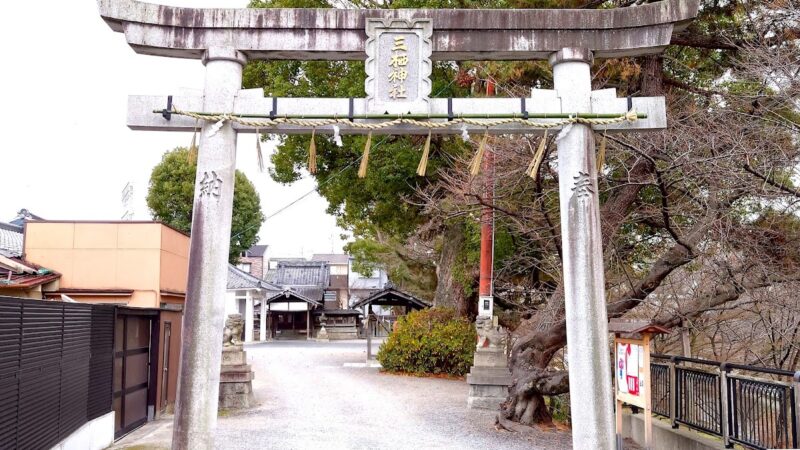
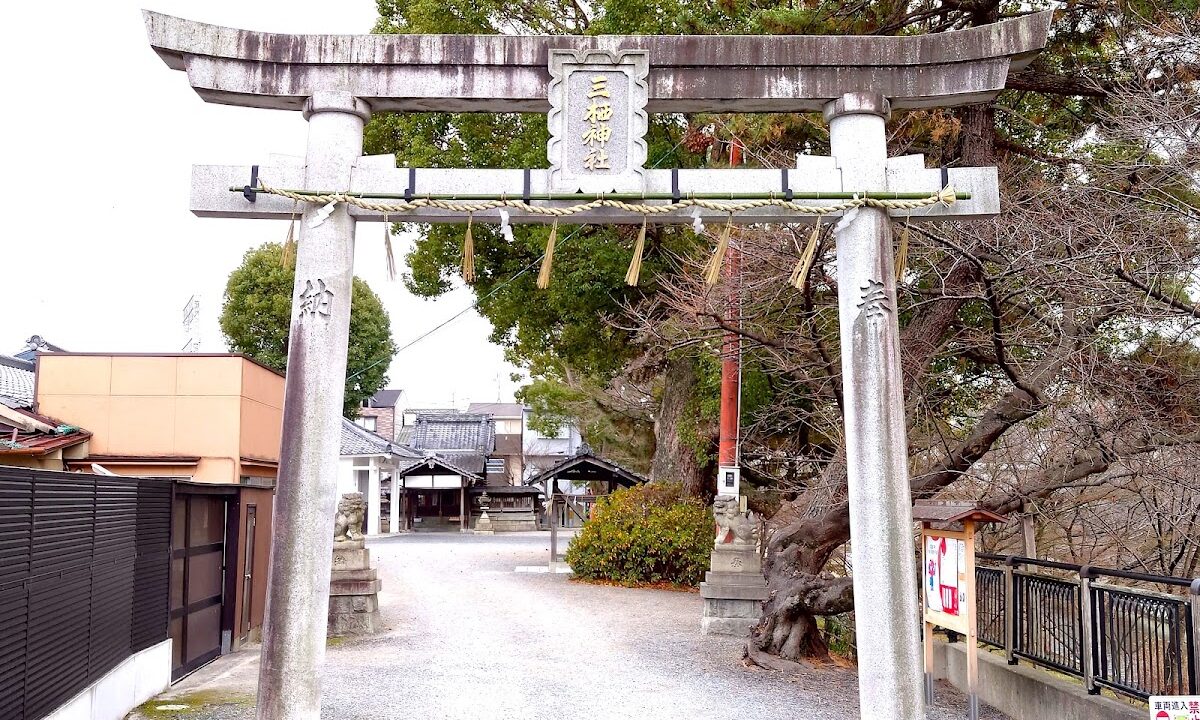
The main shrine, Misu Shrine, is located in the same Fushimi Ward, and Kanaido Shrine functions as its Otabisho. Interestingly, the shrine’s nameplate on the torii gate reads “Misu Shrine,” and it is also commonly known as “Misu Shrine” by locals. Therefore, first-time visitors may be a little confused, but “Kanaido Shrine” and “Misu Shrine Otabisho” refer to the same shrine. ### Origin of the Name “Kanaido”
There are several theories regarding the origin of the distinctive name “Kanaido.”
One theory suggests that there was once a well of high quality water in this area, and because the water shone with a golden color, it came to be called “Kanaido” (golden well). Another theory suggests that in Fushimi, a region that prospered from water transport, wells were valued like precious assets (gold), hence the name.
Fushimi is known as a place of excellent water, and the presence of high-quality groundwater is also a factor in the development of the sake brewing industry. The name of Kanaiido Shrine may be deeply connected to the worship of water in this area.
Deities and Divine Virtues
Kanaido Shrine enshrines three deities.
Emperor Tenmu
Emperor Tenmu, who won the Jinshin War and ascended to the throne as the 40th Emperor, is enshrined as the main deity. Due to his connection with the Misu area, he has been revered as the guardian deity of this region. Emperor Tenmu is known as a brilliant monarch who laid the foundation for the Ritsuryo state.
Izanagi-no-Okami
Izanagi-no-Okami, known as the god of creation and birth of the gods in Japanese mythology, is also enshrined here. As the god of creation and purification, he is believed to bestow blessings such as good fortune, protection from evil, and family safety.
Emperor Ojin
Emperor Ojin, the 15th emperor, is also enshrined here as Hachiman-sama in Hachiman shrines throughout Japan. He is worshipped as the god of military fortune, national protection, and industrial development.
Through these three deities, Kanaiido Shrine is believed to bestow a wide range of blessings, including national peace and security, good fortune, protection from evil, and family safety.
Highlights of the Shrine Grounds
Torii Gate and Shrine Name Plaque
The torii gate standing on the banks of the Horikawa River is a symbolic presence of Kanaiido Shrine. As mentioned above, the plaque reads “Misu Shrine,” indicating its character as a temporary shrine for the deity during festivals. Passing through the torii gate, a tranquil shrine grounds unfolds.
Shrine Buildings
The shrine buildings, including the main hall, are neatly arranged within the grounds. While not large in scale, they are meticulously maintained, reflecting the deep faith of the local people.
The architectural style of the shrine buildings possesses the characteristics of traditional shrine architecture, possessing a simple yet dignified appearance.
Water Basin
A water basin for purification before worship is also provided. Befitting the area of Fushimi known for its pure water, it is filled with clean water. When worshipping, please purify your hands and mouth here before proceeding to the main hall.
Atmosphere of the Shrine Grounds
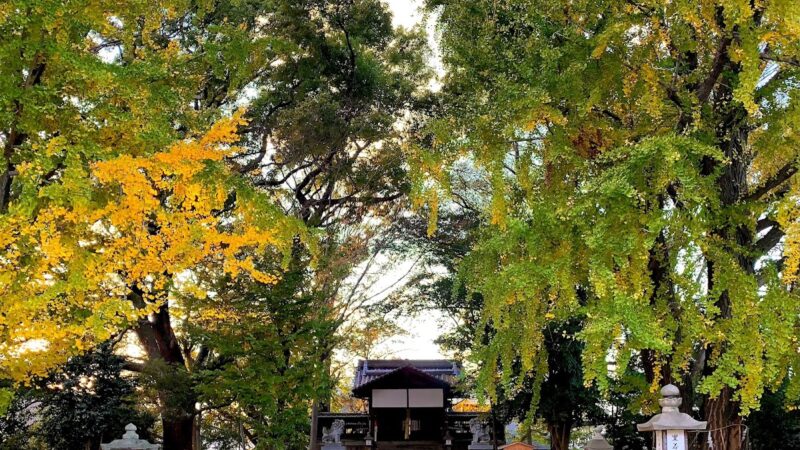
The grounds of Kanaiido Shrine offer a tranquil space where visitors can quietly worship while listening to the gentle murmur of the Horikawa River. Away from the hustle and bustle of the city, one can find peace of mind while feeling the weight of history.
The grounds are relatively compact, but all necessary facilities are available, ensuring a pleasant visit. Depending on the season, visitors can also enjoy the changing natural scenery along the river.
Torch Festival
Festival Overview
The most important annual event at Kanaiido Shrine is the Torch Festival, held every year in mid-October. This festival originates from the story of the villagers of Misumi who lit bonfires to illuminate the path of Prince Oama during the Jinshin War.
Festival Details
During the Torch Festival, large torches are lit, their flames illuminating the night sky. The portable shrine procession takes place, guiding the way from the main shrine, Misumi Shrine, to the temporary shrine, Kanaiido Shrine, guided by the light of torches.
The sight of the flickering flames and the shouts of the portable shrine bearers uniting in the festival is a precious cultural heritage that conveys a historical event from over a thousand years ago to the present day.
Significance of the Festival
The Torch Festival is not merely a historical reenactment, but an important opportunity to strengthen the bonds of the local community, express gratitude to ancestors, and pray for the peace and prosperity of the region. Through the festival, the deep connection between the historical event of the Jinshin War and the Misumi area is passed down through generations.
Nearby Attractions and Spots
Fushimi Port Park
Fushimi Port Park, located very close to Kanaiido Shrine, is a park developed on the site of the former Fushimi Port. It features a walking path along the Horikawa River and is a beautiful spot for cherry blossom viewing during the cherry blossom season.
Within the park, there is a boarding area for “Sanjikkoku-bune” (thirty-koku boats), allowing visitors to experience a boat tour of Fushimi’s waterfront during the spring and autumn tourist seasons. This is a valuable opportunity to experience the history of the Sanjikkoku-bune, which connected Fushimi and Osaka during the Edo period.
Fushimi’s Sake Brewery District
Walking north from Kanaiido Shrine, you will reach the area lined with Fushimi’s sake breweries. Facilities such as the Gekkeikan Okura Memorial Museum and the Kizakura Memorial Museum, where you can learn about the history and manufacturing process of Japanese sake, are scattered throughout the area.
You can also enjoy tasting and purchasing sake made with Fushimi’s famous water, allowing you to fully enjoy the charm of Fushimi in conjunction with a visit to the shrine.
Teradaya Inn
Teradaya Inn, the setting for the historical “Teradaya Incident” of the late Edo period, is also within walking distance of Kanaiido Shrine. It is a popular spot visited by many tourists as a place associated with Sakamoto Ryoma.
Gokogu Shrine
Gokogu Shrine, one of Fushimi’s representative shrines, is also located nearby. This shrine is revered as a deity of safe childbirth and child-rearing, and remnants of Fushimi Castle, associated with Toyotomi Hideyoshi, also remain.
A Stroll Along the Horikawa River
The Horikawa River, which faces Kanaiido Shrine, is a walking path where you can enjoy the scenery of each season. Willows and cherry trees are planted along the river, and the cherry blossoms in spring are particularly magnificent.
Stone walls and bridges that evoke the history of water transport, and the white walls of sake breweries create a landscape typical of Fushimi. You can enjoy the atmosphere of this historic waterside town while strolling slowly.
Manners and Precautions for Visiting a Shrine
Basic Etiquette for Visiting a Shrine
Please observe the basic etiquette for visiting a shrine.
- Bow before passing through the torii gate: This is a courtesy when entering the sacred area.
- Walk along the edge of the approach: The center is considered the path of the gods.
- Purify yourself at the water basin: Purify your left hand, right hand, and mouth in that order.
- Etiquette in front of the main hall: Two bows, two claps, and one bow are the basic rituals.
Regarding Photography
Photography is generally permitted on the shrine grounds, but please be considerate of other worshippers. Photography may be restricted inside the shrine or during festivals.
Respect
As this is a small shrine, please refrain from loud conversations and worship quietly. Remember that this is also a place of daily worship for the local community.
The Charm of Kanaiido Shrine
Historical Value
The greatest charm of Kanaiido Shrine lies in its deep connection to the Jinshin War, a significant historical event in ancient Japan. Historical events learned in textbooks can be felt more intimately through this small shrine.
The fact that Emperor Tenmu, a real historical figure, is enshrined as the deity is a point of interest for history buffs.
Preservation of Local Culture
The festival events, exemplified by the Torch Festival, have been preserved and passed down by the local people for over a thousand years. This continuity enhances the cultural value of Kanaiido Shrine.
Even today, its function as a central presence in the local community demonstrates the traditional way of life in Japanese societies.
Waterfront Culture of Fushimi
The location along the Horikawa River symbolizes the history of Fushimi, which prospered through water transport. Traces of Fushimi, once a key point on the waterway connecting Kyoto and Osaka, can still be felt around Kanaiido Shrine.
In Fushimi, a land of famous water, this shrine, bearing the name “Kanaido” (meaning “golden well”), can be said to embody the faith in and gratitude for water.
Quiet Worship Environment
Unlike large, touristy shrines, Kanaiido Shrine maintains a quiet worship environment rooted in the local community. This is the perfect place for those who want to escape the hustle and bustle and offer a peaceful prayer.
Best Time to Visit
Torch Festival (Mid-October)
The most impressive experience of Kanaiido Shrine is undoubtedly during the Torch Festival in mid-October. The solemn atmosphere of the festival and the flames of the torches, which convey history to the present day, are a must-see.
Cherry Blossom Season (Late March to Early April)
Spring, when the cherry blossoms bloom along the Horikawa River and in Fushimi Port Park, is the perfect season for strolling around Fushimi. Enjoy a walk along the cherry blossom-lined streets in conjunction with a visit to Kanaiido Shrine.
Fresh Greenery and Autumn Leaves
The fresh greenery of early summer and the autumn leaves also offer beautiful scenery along the river, making for a pleasant visit. Autumn, in particular, has pleasant weather and is ideal for combining with a tour of Fushimi’s sake breweries.
The History of Fushimi and Kanaiido Shrine
Water Transport and Development of Fushimi
Fushimi developed as a castle town and a key point for water transport connecting Kyoto and Osaka after Toyotomi Hideyoshi built Fushimi Castle. This area, where the Uji River, Horikawa River, and Kamo River converge, flourished as a center for the collection and distribution of goods.
The Horikawa River, where Kanaiido Shrine is located, was developed as the outer moat of Fushimi Castle and later became an important waterway. There were landing places for boats around the shrine, and many boats came and went.
Development of the Sake Brewing Industry
The existence of high-quality groundwater is a key factor in Fushimi becoming one of Japan’s leading sake-producing regions. The water in this area, also written as “Fushimizu,” is medium-hard water ideal for sake brewing, producing mellow-tasting sake.
The name “Kanaido” (金井) of Kanaiido Shrine may also suggest the value of the water in this area.
A Stage in the Late Edo Period
During the late Edo period, Fushimi served as a base for the Satsuma and Tosa domains, and was the stage for historical events such as the Teradaya Incident and the Battle of Toba-Fushimi. The area around Kanaiido Shrine has witnessed these turbulent times.
Visitor Voices and Reputation
Evaluation from History Enthusiasts
As a site associated with the Jinshin War, this shrine is highly regarded by history enthusiasts. Many say that the experience of connecting history learned in textbooks with actual locations is invaluable.
Visitors Seeking a Quiet Atmosphere
It is highly rated as a “shrine where you can worship peacefully without being crowded with tourists.” Its simple and warm atmosphere, frequented by locals on a daily basis, is its charm.
As Part of a Fushimi Stroll
Many people visit it in combination with sake brewery tours or strolls through Fushimi Port Park, and it is increasingly being introduced as a “hidden gem of Fushimi.”
Summary
Kanaido Shrine (Misu Shrine Otabisho) is a historic shrine deeply connected to the Jinshin War, a significant historical event in ancient Japan. It possesses many attractions, including its waterside location along the Horikawa River in Fushimi Ward, Kyoto City, its unique designation of Emperor Tenmu as its principal deity, and its traditional Torch Festival.
It is accessible on foot from Chushojima Station and can be visited in conjunction with nearby tourist spots such as the Fushimi sake brewery district and Fushimi Port Park. Unlike large-scale tourist shrines, its quiet, community-based worship environment is ideal for calming the mind and reflecting on history.
When visiting Fushimi, be sure to visit Kanaido Shrine and experience its history spanning over a thousand years and the way the local people continue to preserve it. Worshiping while listening to the gentle murmur of the Horikawa River will surely be a memorable experience.
By checking detailed information beforehand and observing proper etiquette, you can fully appreciate the charm of this small yet historically significant shrine. As part of a trip to experience Kyoto’s rich history and culture, we recommend visiting Kanaiido Shrine.