Misu Shrine (Kyoto Prefecture) Complete Guide | History Associated with Emperor Tenmu, Torch Festival, and Ginkgo Tree Highlights
Located in Yokoodori Shimomisu, Fushimi Ward, Kyoto City, Misu Shrine is a historical shrine with ties to the Jinshin War, a crucial turning point in ancient Japan. It enshrines Emperor Tenmu as its principal deity and is known for its annual Torch Festival held in October and the magnificent ginkgo tree over 300 years old that adorns the shrine grounds. This article provides detailed information you should know before visiting Misu Shrine, including its history, enshrined deities, blessings, annual festivals, highlights of the grounds, and access methods.
Basic Information about Misu Shrine
Location and Access
Location: 82-1 Yokoodori Shimomisu Jōno-mae-chō, Fushimi-ku, Kyoto City, Kyoto Prefecture (Some sources list it as 83)
Access from Nearest Station:
- Approximately 6 minutes on foot from the north exit of Keihan Railway’s “Chūshojima Station”
- Approximately 15 minutes on foot from Keihan Railway’s “Yodo Station”
From Chūshojima Station, head north along the Uji River, using the Misu Lock Gate as a landmark. Despite being located in a residential area, the shrine grounds maintain a quiet and peaceful atmosphere.
Visiting Hours and Admission Fee
Misu Shrine is generally open for worship all day. Admission is free, and anyone is welcome to visit. However, the shrine office’s operating hours may be limited, so it is recommended to check in advance if you wish to receive a Goshuin (shrine stamp).
Deities and Benefits of Misu Shrine
Deities
Misu Shrine enshrines three deities.
Main Deity:
- Emperor Tenmu: The 40th Emperor. An important emperor who suppressed the Jinshin Rebellion and established the Ritsuryo state system of ancient Japan.
Enshrined Deities:
- Izanagi-no-Okami: The god of creation in Japanese mythology.
- Emperor Ojin: The 15th Emperor. Worshipped as Hachiman, the god of war and victory.
Benefits
Misu Shrine is said to offer the following benefits:
- Career Advancement and Good Fortune: Named after Emperor Tenmu’s ascension to the throne following the Jinshin War
- Long-lasting Military Fortune: Due to the divine virtues of Emperor Ojin (Hachiman-sama)
- Matchmaking: Due to the divine virtues of Izanagi-no-Okami
- Protection from Evil: Comprehensive protective power
- Good Fortune in Competition: Drawing on the victory in the Jinshin War
It is particularly popular with those facing turning points in life or new challenges, and those aiming for career advancement.
History and Origins of Misu Shrine
Origin of Founding
While there are no clear records of the founding date of Misu Shrine, it has long been revered in this area as the tutelary deity of the former Shimomisu Village.
The shrine’s history dates back to the ancient Jinshin War (672 AD). When Prince Oama (later Emperor Tenmu) was traveling from Yoshino to the eastern provinces, he passed through this area of Misu. Legend says that the villagers lit bonfires to illuminate his path and guide him.
This story later became the origin of the “Torch Festival,” an important festival of Misu Shrine. It is said that the shrine was built here to express gratitude and respect for Emperor Tenmu, who won the Jinshin War and ascended to the throne.
Construction of the Current Shrine
The current shrine building and worship hall were constructed in September, Keicho 8 (1603). The following individuals were involved in this construction:
- Suminokura Ryōi: A former shogunate retainer and wealthy merchant known for excavating the Takase River and Fuji River.
- Yokochi Sukenojō: A retainer of Lord Katō Kiyomasa.
- Fujibayashi Tokiji: A local samurai of Misu.
Records indicate that these three families, along with other parishioners, constructed the shrine through “rikuryoku kyōshin” (working together with one heart and mind). It is a valuable shrine that preserves the architectural style of the early Edo period.
Connection to the Community
The Misu area once flourished as a key point for water transport on the Uji River (Yodo River system). The Misu Lock Gate was nearby, and the area has a history of bustling water transport connecting Fushimi and Osaka. Misu Shrine has long watched over the region as a center of faith for those involved in water transport and local residents.
Torch Festival (Taimatsu Matsuri) – Kyoto City Registered Intangible Folk Cultural Property
Overview of the Torch Festival
The greatest highlight of Misu Shrine is the Taimatsu Matsuri (torch festival), held annually during the autumn grand festival in October. This festival is designated as a Kyoto City Registered Intangible Folk Cultural Property and is passed down as an important traditional event in Fushimi Ward.
Date: The third Sunday of October every year (may vary depending on the year)
Origin of the Torch Festival
As mentioned above, it originates from the story of Prince Oama passing through Misu during the Jinshin War, when the villagers lit bonfires to illuminate his path. This festival, which preserves this ancient event, is said to have a history of over 1000 years.
Festival Details
At the Torch Festival, parishioners and young people from the community parade carrying large torches. This festival, held from evening to night, is characterized by the fantastical sight of flames illuminating the dark night.
- Multiple large torches, some several meters long, are prepared.
- The torches are carried through the shrine grounds and surrounding areas with spirited shouts.
- The flickering flames and smoke evoke ancient scenes.
- The passionate presence of the parishioners upholding local traditions.
In recent years, it has become an important cultural event in the region, attracting many spectators. It is also a popular festival among photography enthusiasts.
Shrine Grounds Highlights and Cultural Assets
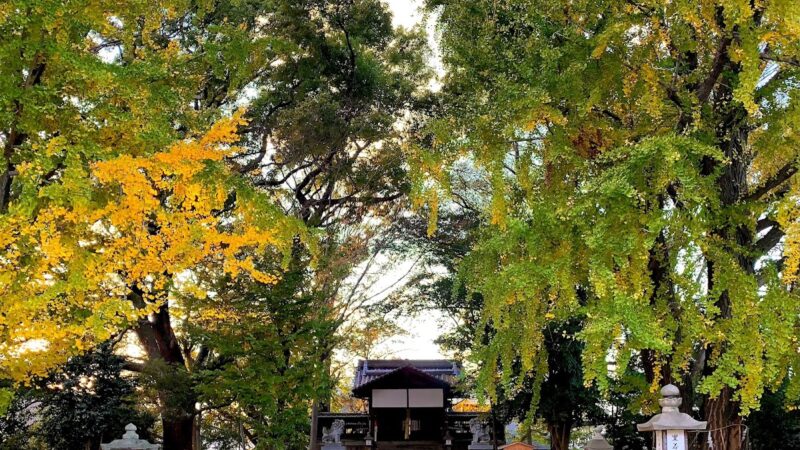
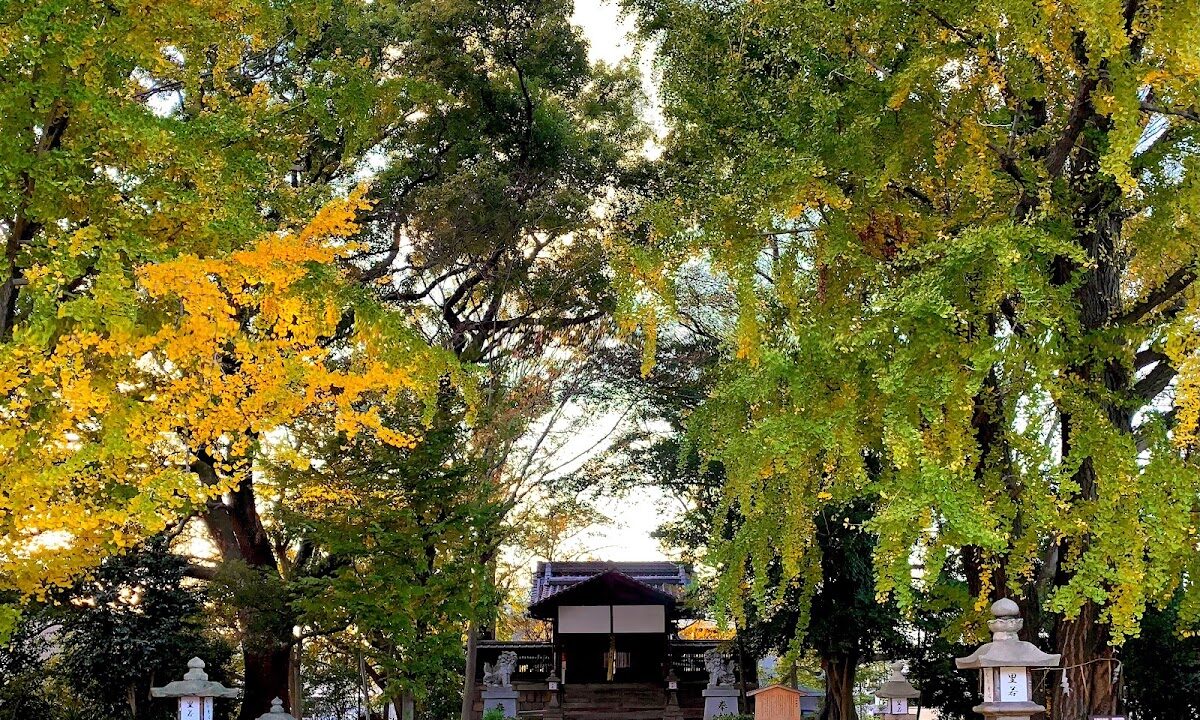
A Giant Ginkgo Tree Over 300 Years Old
The most impressive feature of the grounds of Misumi Shrine is the giant ginkgo tree, over 22 meters tall. Its estimated age is over 300 years, and it is designated as a protected tree by Kyoto City.
Highlights of the Autumn Foliage Season:
- Best Viewing Time: Late November to Mid-December
- The sight of golden leaves covering the temple grounds is breathtaking.
- When the leaves fall, the entire grounds become like a yellow carpet.
- In recent years, nighttime illuminations have been implemented, allowing visitors to enjoy a fantastical scene.
The ginkgo tree stands in the center of the temple grounds, watching over the shrine buildings. It is a must-see spot when visiting in autumn.
Shrine Buildings and Worship Hall
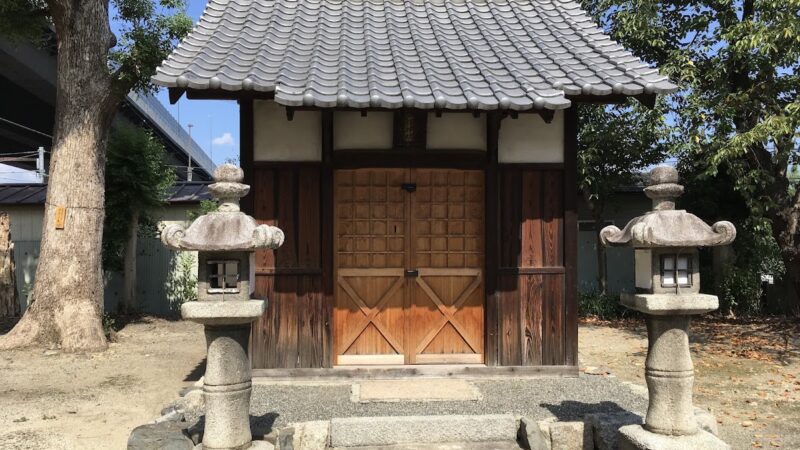
The main hall and worship hall, built in 1603 (Keicho 8), retain the characteristics of early Edo period shrine architecture. Although not large in scale, they are carefully maintained and exude a sense of historical weight.
- A simple yet dignified design
- A cypress bark roof
- The contrast between the vermilion pillars and white walls
Atmosphere of the Shrine Grounds
Despite being located in a residential area, the grounds of Misu Shrine exude a tranquil atmosphere.
- Well-maintained grounds
- Seasonal flowers welcome visitors
- A friendly atmosphere loved by the local community
- A simple charm unspoiled by tourism
Unlike large-scale tourist shrines, this is a place where you can feel the true essence of a shrine rooted in the community.
Goshuin (Shrine Seal) Information
Goshuin are available at Misu Shrine.
Features of the Goshuin (Shrine Seal):
- Calligraphy of “Misu Shrine”
- Shrine Seal
- Simple yet powerful calligraphy
Notes:
- The shrine office may not be open all the time.
- If you wish to receive a Goshuin, it is recommended to check in advance by phone or other means.
- They are more likely to be available on festival days such as the Torch Festival.
Goshuin stamping in Goshuin notebooks is limited to the hours when shrine priests are present, so prior confirmation is important if you want to be sure to receive one.
Nearby Attractions and Places to Visit
Misu Lock Museum
Located a few minutes’ walk from Misu Shrine, the Misu Lock is a historical sluice gate facility connecting the Uji River and the Horikawa River. Built during the Taisho era, it is now open to the public as a museum (open only on Saturdays, Sundays, and public holidays). It is a valuable spot to learn about the history of water transport in Fushimi.
Fushimi’s Sake Brewery District
Around Chushojima Station, you’ll find an area lined with sake breweries such as Gekkeikan and Kizakura. After visiting Misu Shrine, a stroll through Fushimi to experience its sake culture is highly recommended.
Nearby Shrines and Temples
- Kanaido Shrine: A shrine within walking distance of Misu Shrine
- Gokogu Shrine: A grand shrine known as the guardian shrine of Fushimi
- Fushimi Inari Taisha: The head shrine of the world-famous Inari shrines (a few train stops away)
The Fushimi area is a region where history and culture are concentrated, so exploring the surrounding area starting from Misu Shrine is a great idea.
Points and Manners for Visiting Misu Shrine
Proper Worship Etiquette
- Bow before passing through the torii gate.
- Purify your body and mind at the water basin. (Purify your left hand, right hand, and mouth in that order using the ladle.)
- Bow twice, clap twice, and bow once in front of the main hall.
- Stroll quietly around the shrine grounds.
Photography
Photography is generally permitted on the shrine grounds, but please note the following:
- Refrain from taking photos in sacred areas such as inside the main hall.
- Be considerate of other worshippers.
- Use a tripod with consideration for those around you.
- Be mindful of location information when posting on social media.
Best Season to Visit
Autumn (late November to mid-December): The time when the ginkgo tree’s leaves are at their most beautiful. The peak is especially in early December.
Around the third Sunday of October: A rare opportunity to witness the Torch Festival.
Spring/Early Summer: A beautiful season for visiting the shrine amidst lush greenery.
While each season has its own charm, the autumn ginkgo season, in particular, attracts many visitors.
Summary of Misu Shrine’s Charms
Misu Shrine is especially recommended for the following people:
- History buffs: Connected to important events in ancient history, such as Emperor Tenmu and the Jinshin War
- Those interested in traditional culture: Experience the Torch Festival, a Kyoto City registered intangible folk cultural property
- Nature and autumn foliage lovers: The overwhelming presence of the over 300-year-old ginkgo tree
- Those seeking quiet worship: A tranquil atmosphere unspoiled by tourism
- Goshuin (shrine stamp) collectors: The goshuin of a shrine rooted in the local community
Unlike large-scale tourist shrines, Misu Shrine is a place where the faith and traditions of the local people still thrive. It’s easily accessible from central Kyoto, making it an ideal spot to visit as part of a Fushimi stroll.
Access Details and Inquiries
Access by Public Transportation
By Train:
- Get off at Keihan Railway “Chushojima Station,” approximately 6 minutes on foot from the North Exit (most convenient)
- Get off at Keihan Railway “Yodo Station,” approximately 15 minutes on foot
By Bus:
Get off at the “Misu” bus stop on Kyoto City Bus or Keihan Bus, a few minutes on foot
Access by Car
Private parking is limited, so we recommend using public transportation. If you come by car, please use nearby coin parking.
Inquiries
For detailed information regarding worship, Goshuin (temple/shrine stamps), and annual festivals, please contact the shrine directly or inquire at the Kyoto City Fushimi Ward Tourist Information Center.
Summary
Misu Shrine (Fushimi Ward, Kyoto City, Kyoto Prefecture) has a history associated with Emperor Tenmu and is a shrine rich in attractions, including the Torch Festival, a Kyoto City Registered Intangible Folk Cultural Property, and a large ginkgo tree over 300 years old. Many people visit the shrine seeking blessings for career advancement, good fortune in battle, and successful relationships, and it attracts a large crowd during the autumn foliage season.
Despite its convenient location, just a 6-minute walk from Chushojima Station, the shrine offers a quiet and peaceful atmosphere for worship. Why not visit Misu Shrine as part of your historical exploration of Fushimi? The shrine’s long history of faith and its warm, community-based atmosphere are sure to create a memorable experience.