Kitamuki Mushi Hachimangu Shrine (Kyoto Prefecture) Complete Guide | History, Benefits, and Access Information
Kitamuki Mushi Hachimangu Shrine is a Shinto shrine located in Yokoodori Tennogocho, Fushimi Ward, Kyoto City, Kyoto Prefecture. Known for its blessings in curing night crying and tantrums in babies, it attracts fervent devotion from parents of young children. Currently enshrined as a subsidiary shrine within the grounds of Tanaka Shrine, it is a beloved local shrine with a unique history and tradition.
Basic Information about Kitamuki Mushi Hachimangu Shrine
Location and Access
Address: 39 Yokoodori Tennogocho, Fushimi-ku, Kyoto City, Kyoto Prefecture (within the grounds of Tanaka Shrine)
Nearest Station:
- Approximately 15 minutes on foot from Chushojima Station on the Keihan Main Line
- Approximately 20 minutes on foot from Yodo Station on the Keihan Main Line
- Approximately 25 minutes on foot from Iseda Station on the Kintetsu Kyoto Line
Access by Bus:
Take a Kyoto City Bus or Keihan Bus and get off at the Yokoodori bus stop, then walk for approximately 5 minutes.
Parking: Parking is available at Tanaka Shrine (limited spaces available)
Visiting Hours and Admission Fee
Visiting Hours: Grounds are open freely (daytime visits are recommended)
Admission Fee: Free
Shrine Office Hours: Irregular (follows the hours of Tanaka Shrine’s office)
History and Origins of Kitamuki Mushi Hachimangu Shrine
Founding and the Kusatsu Port Era
Kitamuki Mushi Hachimangu Shrine was originally located not in its current location, but in Kusatsu Port. Kusatsu Port was an important water transport hub at the confluence of the Uji River and Katsura River, and was a bustling place of people’s movement from ancient times. It is believed that Kitamuki Mushi Hachimangu Shrine was worshipped here as a guardian deity of water transport and the region.
Relocation in the Meiji Era
In 1872 (Meiji 5), Kitamuki Mushi Hachimangu Shrine was relocated to the grounds of Tanaka Shrine. It is presumed that this relocation was influenced by the shrine reorganization policies after the Meiji Restoration and the development of the area around Kusatsu Port. Even after the relocation, the worship of Mushi Hachimangu Shrine did not cease; in fact, its integration with Tanaka Shrine attracted even more worshippers.
The Meaning of “Kitamuki”
The name “Kitamuki” in Kitamuki Mushi Hachimangu Shrine has a special meaning. The shrine faces north, a configuration believed to protect the Kyoto Imperial Palace. While many shrines face south or east, this north-facing configuration is unusual, highlighting the shrine’s unique role. It has long been considered important as a shrine tasked with protecting Kyoto from the north.
Deities and Benefits
Deities
The deity enshrined at Kitamuki Mushi Hachimangu Shrine is Emperor Ōjin. Emperor Ōjin is worshipped as Hachiman-sama in Hachiman shrines throughout Japan and is known as the god of military fortune and victory. He is also worshipped as a guardian deity of children, along with his mother, Empress Jingū.
Main Benefits
Cure for Night Crying:
This shrine is believed to soothe night crying in babies and toddlers, attracting many parents troubled by this issue.
Curing Illnesses:
Known for its efficacy in curing childhood tantrums (kan no mushi). “Kan no mushi” is a traditional term referring to a state where a child cries, becomes irritable, or easily excitable for no reason.
Prayers for Children’s Health:
Many visitors come to pray for the healthy growth and well-being of their children.
Insect Repellent/Pest Control:
As the name “Mushi Hachiman” suggests, it is also believed to offer protection against agricultural pests and pest control for houses.
Origin of “Mushi Hachiman”
There are several theories as to the origin of the name “Mushi Hachiman” for Kitamuki Mushi Hachiman Shrine. The most likely theory is that it was originally worshipped as a god of protection against rice-growing insects, which later developed into a belief in curing children’s “tantrums.” There are other shrines in Kyoto Prefecture called “Mushi Hachiman” (such as Miyake Hachimangu and Gosho Hachimangu), each attracting worshippers for similar blessings.
How to Worship and Highlights
Etiquette for Worship
- Bow before passing through the torii gate: Bow lightly before entering the shrine grounds.
- Purify at the water basin: Purify your hands and mouth at the water basin of Tanaka Shrine.
- Two bows, two claps, one bow: Bow deeply twice before the shrine, clap twice, and finally bow deeply once.
- State your wish silently: State your specific wish silently, such as your child’s health or stopping night crying.
Features of the Shrine Building
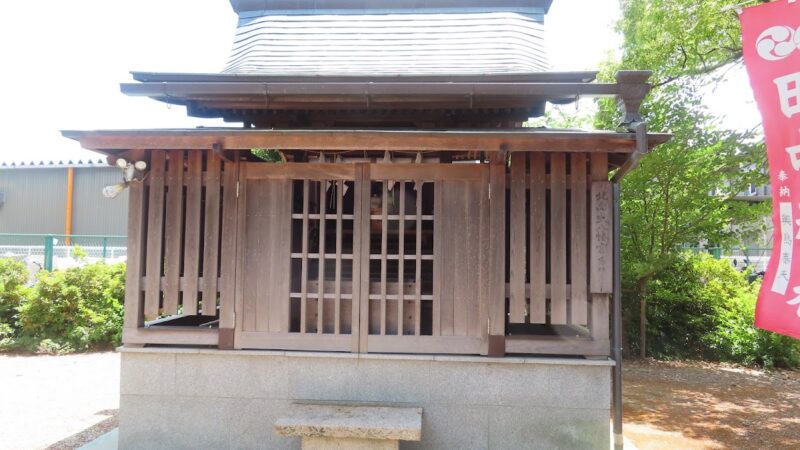
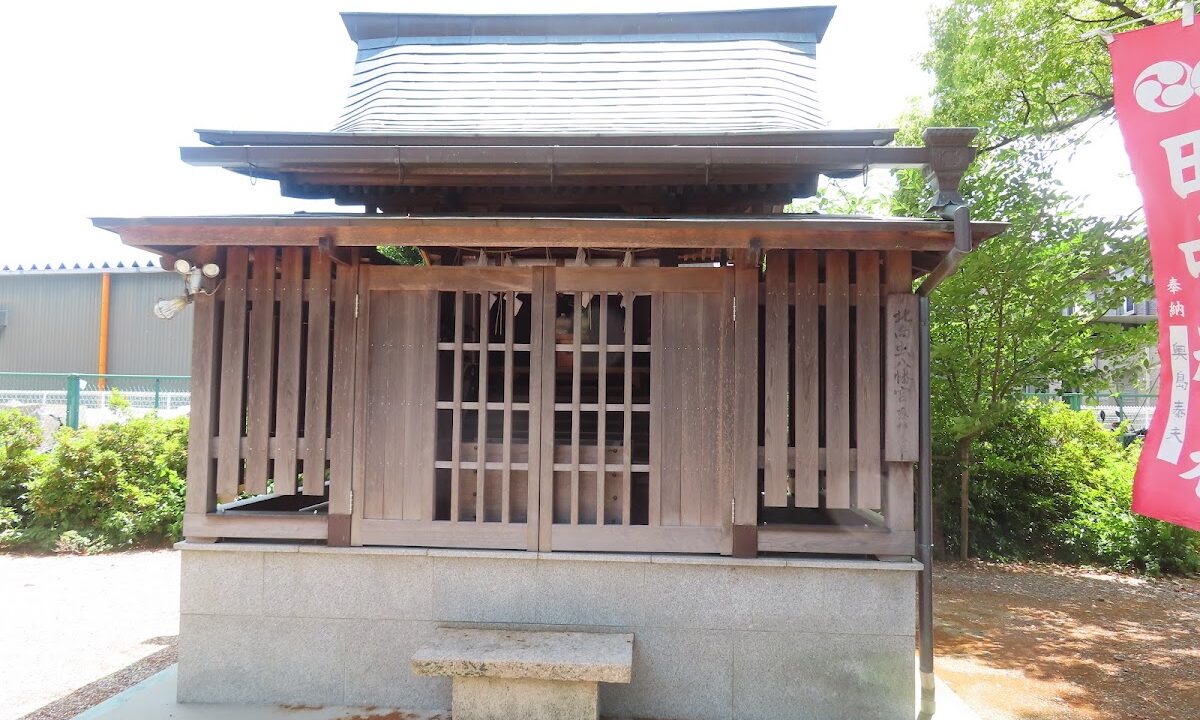
As the name suggests, the shrine building of Kitamuki Mushi Hachimangu faces north. Although small in scale, it is carefully maintained, reflecting the deep faith of the local people. Standing quietly beside the main shrine within the grounds of Tanaka Shrine, it offers a sense of peace to visitors.
Regarding Photography
Photography is generally permitted on the shrine grounds, but consideration must be given to avoid disturbing other worshippers. Especially during festivals or when other worshippers are present, please observe proper etiquette when taking photos. Photography inside the shrine buildings or of the deity may be prohibited, so please be aware of this.
Regarding Goshuin (Shrine Seals)
Goshuin for Kitamuki Mushi Hachimangu Shrine may be available at the Tanaka Shrine office. However, this is not always the case, so it is recommended to check in advance if you wish to receive a goshuin. It is important to bring your goshuincho (seal book) and make your request politely.
Relationship with Tanaka Shrine
Overview of Tanaka Shrine
Tanaka Shrine, where Kitamuki Mushi Hachimangu Shrine is enshrined as a subsidiary shrine, has been worshipped since ancient times as the tutelary deity of the Yokoodori area of Fushimi Ward. The main deities enshrined here are Hondawake-no-mikoto (Emperor Ojin), Okinagatarashihime-no-mikoto (Empress Jingu), and Hime-Okami.
Positioning as a Subsidiary Shrine
Since its relocation in 1872 (Meiji 5), Kitamuki Mushi Hachimangu Shrine has been managed as a subsidiary shrine of Tanaka Shrine. While possessing its own independent shrine building, it is part of Tanaka Shrine and attracts local devotion. Visiting both shrines together provides a more fulfilling worship experience.
Annual Events and Festivals
Tanaka Shrine holds various festivals throughout the year, and Kitamuki Mushi Hachimangu Shrine is involved as part of them. The main events include the following:
- New Year’s Day Festival (January 1st): Prayers for peace in the new year
- Setsubun Festival (around February 3rd): Prayers for protection from evil and for good fortune
- Annual Grand Festival (Autumn): Prayers for the prosperity of the community and the well-being of the parishioners
For specific dates and details, please contact Tanaka Shrine directly.
Nearby Shrines and Temples
Misu Shrine
Located approximately 1.5km southwest of Kitamuki Mushi Hachimangu Shrine, Misu Shrine is the tutelary shrine of Misu-cho, Fushimi Ward. The “Misu Torch Festival,” held every October, is designated as an intangible folk cultural property of Kyoto City and is known as a spectacular festival.
Gokonomiya Shrine
One of the representative shrines of Fushimi Ward, located approximately 2km north of Kitamuki Mushi Hachimangu Shrine. This shrine is revered as a deity of safe childbirth and child-rearing, and its beautiful shrine buildings and gardens are a major attraction. It is also famous for the spring water of Fushimi, known as “Gokosui.”
Fushimi Inari Taisha
This is the head shrine of the approximately 30,000 Inari shrines throughout Japan, and is world-famous for its thousands of torii gates. Located about 3km northeast of Kitamuki Mushi Hachimangu Shrine, it is a central spot for Fushimi sightseeing.
Iwashimizu Hachimangu Shrine
Located in Yawata City, Kyoto Prefecture, this is one of Japan’s three major Hachiman shrines, and a prestigious shrine with a national treasure main hall. Like Kitamuki Mushi Hachimangu Shrine, it enshrines Hachiman, and many people visit both shrines.
History and Culture of Fushimi Ward
Geographical Characteristics of Fushimi
Fushimi Ward is located in the southern part of Kyoto City and has developed as a key waterway where the Uji, Katsura, and Kizu rivers converge. Since Toyotomi Hideyoshi built Fushimi Castle, it has flourished as a castle town, and during the Edo period, it became an important transit point connecting Kyoto and Osaka.
Fushimi: A Sake-Producing Region
As Fushimi is also written as “Fushimizu,” it is a region blessed with high-quality groundwater. Taking advantage of this abundant water resource, sake brewing has thrived since the Edo period, and even today, many sake breweries line the streets. Famous sake brands such as Gekkeikan, Kizakura, and Shochikubai are produced in Fushimi.
Characteristics of the Yokoodori Area
The Yokoodori area, where Kitamuki Mushihachimangu Shrine is located, has flourished as a transportation hub since ancient times. There was a ferry crossing on the Uji River, and people came and went frequently. Although it has now developed as a residential area, traces of its historical character remain in places.
Notes and Manners for Visiting the Shrine
Regarding Attire
There are no particularly strict dress code regulations, but it is desirable to dress appropriately, keeping in mind that it is a sacred place. Please avoid revealing or extremely casual clothing.
Etiquette on the Shrine Grounds
- Please be quiet: Please refrain from speaking loudly or making noise on the shrine grounds.
- No Smoking: Smoking is prohibited throughout the shrine grounds.
- Pets Allowed: Please keep your pet on a leash and be considerate of other visitors.
- Please Take Your Trash Home: To keep the shrine grounds clean, please take your trash home with you.
Visiting with Children
Many people visit this shrine with young children seeking blessings for curing night crying and tantrums. It’s natural for children to cry or fuss, so there’s no need to worry excessively. However, please remember to be considerate of other visitors.
Further Information
Contact Information
For detailed information regarding Kitamuki Mushi Hachimangu Shrine, please inquire through Tanaka Shrine. Since the shrine office’s operating hours are irregular, it is recommended to check before visiting.
How to Check the Latest Information
For the latest information on festival dates and special events, please check local bulletin boards, the Kyoto City tourism information website, and shrine search websites. Especially during the New Year’s visit and the annual grand festival, crowds are expected, so gathering information in advance is important.
Accessibility Information
We recommend checking access to the shrine grounds and the accessibility of the facilities in advance. If you wish to visit in a wheelchair, please contact Tanaka Shrine.
Visiting Kyoto’s “Mushi Hachiman” Shrines
Besides Kitamuki Mushi Hachimangu Shrine, there are other shrines in Kyoto Prefecture called “Mushi Hachiman.” Each has its own unique characteristics, and visiting them all together can provide a deeper religious experience.
Miyake Hachimangu Shrine (Sakyo Ward)
Located in Kamitakano Miyake-cho, Sakyo Ward, Kyoto City, it is widely known by the alternative name “Mushi Hachiman.” As a guardian deity of children, it offers blessings for curing tantrums, night crying, safe childbirth, and academic success. The shrine grounds have many pigeon statues, making it a popular spot for children. ### Gosho Hachimangu Shrine (Nakagyo Ward)
Located in Nakagyo Ward, Kyoto City, this is a historical shrine said to have been established by Ashikaga Takauji. It has various names, including Tojiin Hachimangu, Takakura Hachimangu, and Oike no Hachiman-san, and is also known as “Mushi Hachiman.”
The Significance of Visiting Kitamuki Mushi Hachimangu Shrine
Although not large in scale, Kitamuki Mushi Hachimangu Shrine is a warm and welcoming shrine supported by the fervent faith of the local people. It remains a place of solace for parents troubled by night crying and tantrums, and continues to attract worshippers who pray for their children’s healthy growth.
With its unique role in protecting the Kyoto Imperial Palace from the north, its history of relocation from Kusatsu Port, and its faith as “Mushi Hachiman,” this small shrine boasts a rich history and culture.
Please consider visiting Kitamuki Mushi Hachimangu Shrine in conjunction with your historical stroll through Fushimi or your visit to Tanaka Shrine. By joining your hands in prayer in the tranquil shrine grounds, your heartfelt wishes for your child’s health and growth will surely reach the gods.
Summary
Kitamuki Mushi Hachimangu Shrine is located within the grounds of Tanaka Shrine in Fushimi Ward, Kyoto City, Kyoto Prefecture, and is known for its power to ward off night crying and tantrums in babies. It was relocated from Kusatsu Port in 1872 (Meiji 5) and has continued to attract the faith of the local community to this day.
The shrine building, built facing north, has a special significance as a guardian of the Kyoto Imperial Palace, and has played an important role despite its small size. It remains a reassuring presence for parents praying for their children’s health.
With easy access within walking distance of Chushojima Station on the Keihan Main Line, it is a shrine that many people should visit as part of their Fushimi sightseeing or to pray for child-rearing success. Visiting Tanaka Shrine and other surrounding shrines and temples will make for a more fulfilling experience.