Complete Guide to Koretaka Shrine (Kyoto Prefecture) | An Ancient Shrine in Kumogahata Dedicated to the Unfortunate Prince
Located in Kumogahata Detani-cho, in the mountainous area of Kita Ward, Kyoto City, Koretaka Shrine is a historic shrine dedicated to Prince Koretaka, a prince from the early Heian period. The story of this unfortunate prince, who lost the struggle for the imperial succession and fled the capital to live in seclusion, continues to attract the faith of local people even more than a thousand years later.
This article comprehensively introduces all the information you need to know before visiting Koretaka Shrine, including its detailed history, access methods, highlights within the shrine grounds, and related historical sites in the surrounding area.
About Korechika Shrine | Basic Information
Location: Kumogahata Detani-cho, Kita-ku, Kyoto City
Deity: Prince Korechika
Former Shrine Rank: Village Shrine
Alternate Names: Mesunomiya, Medori-sha
Nearest Station: Approximately 20 minutes by car from Kibuneguchi Station (Kyoto Municipal Subway/Eizan Electric Railway)
Korechika Shrine is a small shrine located in a mountainous area about 15km north of downtown Kyoto. As the place name Kumogahata suggests, it is situated in a tranquil environment surrounded by mountains, creating a space that evokes a deep sense of spirituality in visitors.
Prince Korechika: The Tragedy of a Young Prince Who Was Intelligent From a Young Age
As the First Son of Emperor Montoku
Prince Korechika was born as the first son of Emperor Montoku, the 55th emperor of the early Heian period. From a young age, he was intelligent and excelled in academics, and he enjoyed the deep affection of his father, Emperor Montoku. He was, in principle, in line to succeed to the throne.
Pressure from Fujiwara no Yoshifusa and the Failure of the Imperial Succession
However, the presence of Fujiwara no Yoshifusa, the powerful Minister of the Right at the time, drastically altered Prince Korechika’s fate. When Prince Korehito (later Emperor Seiwa), the fourth son of Emperor Montoku and Yoshifusa’s daughter Akiko, was born, Prince Korechika was excluded from the imperial succession due to pressure from Yoshifusa and others seeking to expand the Fujiwara clan’s power.
Prince Korechika, born in 850 (Kashō 3), suffered the humiliation of having his younger brother, Prince Korehito (then 1 year old), appointed Crown Prince at the tender age of nine. This event symbolized the beginning of the Fujiwara clan’s regency system.
Retirement Away from the Capital
With his hopes of succession dashed, Prince Korechika eventually left the capital and chose to live in seclusion in the mountainous region north of Kyoto. According to tradition, the prince built a detached palace called Takakumo-no-miya in Kumogahata and lived a quiet life there.
The prince is said to have become a monk, deeply devoted himself to Buddhism, and was also skilled in woodworking. Woodworkers in Shiga Prefecture revere Prince Korechika as their ancestral deity, and there is a legend that he invented the lathe.
The History and Founding Story of Korechika Shrine
The Legend of the Hen and the Origin of the Shrine
The founding of Korechika Shrine is associated with a beautiful yet poignant “Legend of the Hen.”
It is said that the shrine originated when Prince Korechika himself built a shrine on the site where his beloved hen (some say a goshawk or hawk) died. Another tradition states that the cry of a hen was heard when the prince died, giving rise to the alternative names “Megu” (Female Shrine) and “Mechosha” (Female Bird Shrine).
This hen is interpreted as either the prince’s only solace during his solitary life in seclusion, or a symbol of his noble soul.
Founded by Villagers and Retainers
The current Korechika Shrine was founded by retainers who accompanied Prince Korechika and the villagers of Kumogahata, who were impressed by the prince’s virtues, to eternally enshrine his legacy.
Although the prince passed away in 880 (Genkei 4), the local people continued to revere him and have protected this shrine for generations. During the Edo period, it was officially recognized as a village shrine, and since the Meiji era, it has continued to be revered as the local guardian deity.
Highlights and Cultural Assets of the Shrine Grounds
Main Hall and Worship Hall
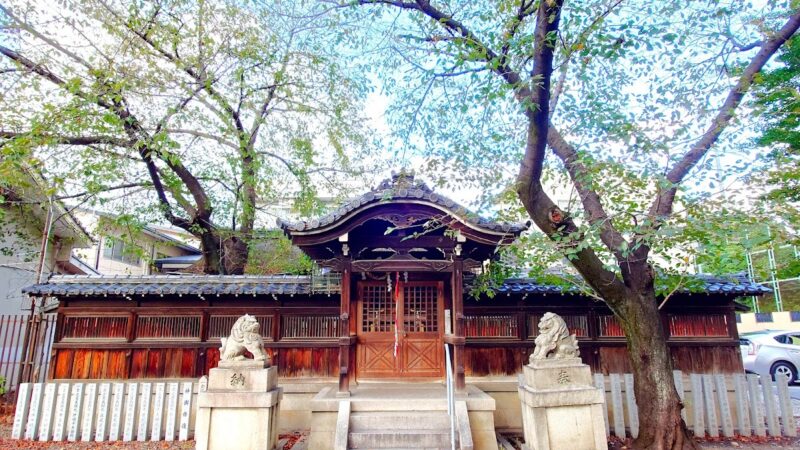
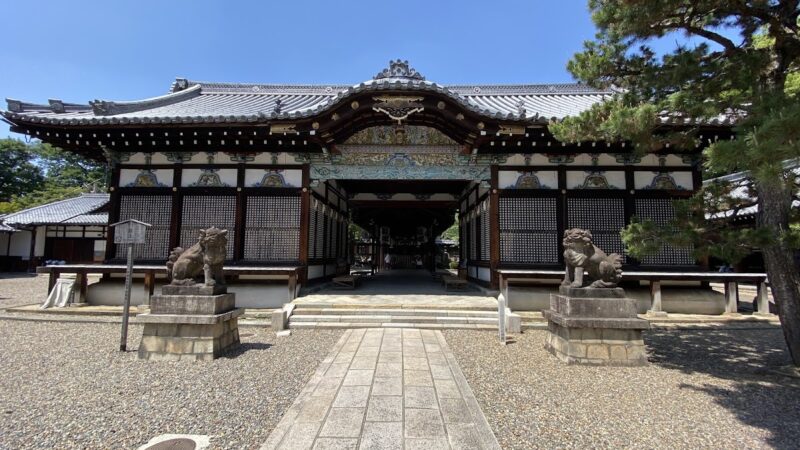
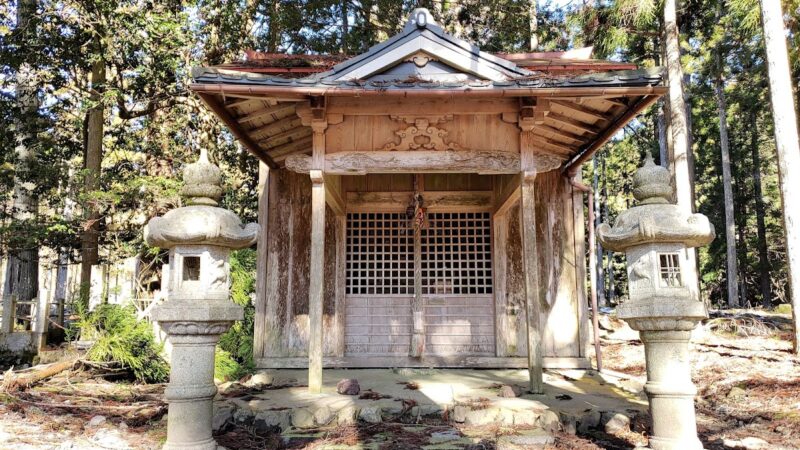
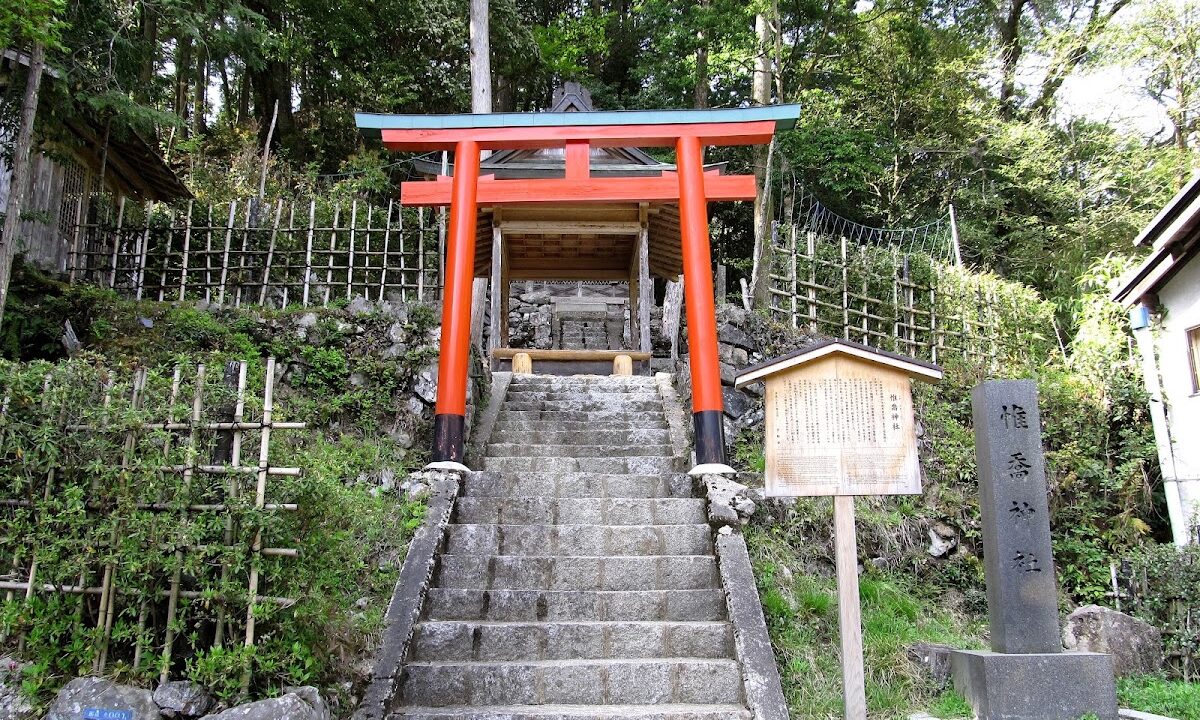
The main hall of Korechika Shrine has a simple and tranquil appearance, typical of a shrine in a mountainous area. Although small in scale, it is carefully maintained, reflecting the deep faith of the local people.
From the worship hall, one can see the surrounding mountains, imagining the serene environment in which the prince lived in seclusion.
Natural Environment of the Shrine Grounds
Located in the mountainous area of Kumogahata Detani-cho, the grounds of Korechika Shrine are surrounded by abundant nature. The fresh greenery in spring and the vibrant autumn foliage are beautiful, showcasing the changing scenery throughout the seasons.
Especially in autumn, a festival is held to commemorate the prince, with local people gathering to honor his legacy.
Shrine Name Marker and Stone Monument
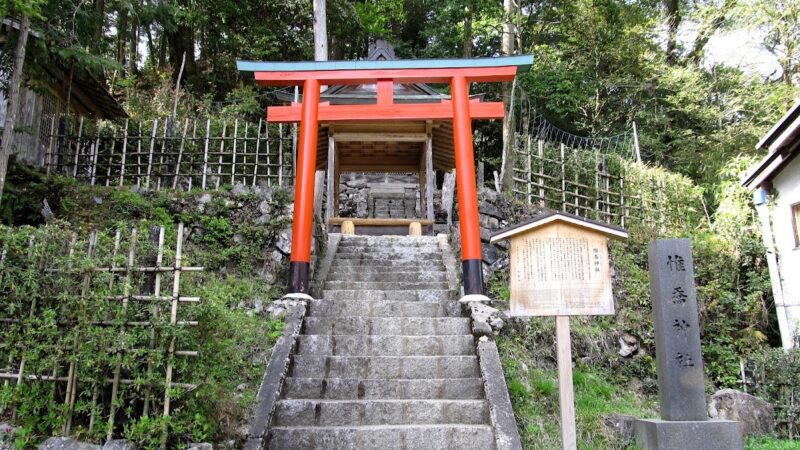
Within the shrine grounds are stone monuments and information boards detailing the history of Korechika Shrine, allowing visitors to learn about the prince’s history and the shrine’s origins.
Access Methods | Route to Kumogahata
Access by Public Transportation
Due to its mountainous location, access to Korechika Shrine by public transportation is difficult; using a private car or taxi is the most practical option.
Nearest Station: Kibuneguchi Station (Kyoto Municipal Subway Karasuma Line / Eizan Electric Railway Kurama Line)
Distance from Station: Approximately 10km (about 20 minutes by car)
If taking a taxi from Kibuneguchi Station, the fare is approximately 3,000 to 4,000 yen one way.
Access by Private Car
From Kyoto City Center: Head north on Kitaoji Street or Kurama Road, then take Prefectural Road 38 (Kurama Road) towards Kumogahata. The journey takes approximately 40-50 minutes.
Parking: There is no dedicated parking lot around the shrine, but there is space for a few cars near the Kumogahata Branch Office. However, please be considerate as this is a local residential road.
Points to Note When Visiting
- Due to the mountainous location, there is a possibility of snow and icy roads in winter.
- Cell phone reception may be weak in some areas.
- The nearest convenience stores and restaurants are located in urban areas, so advance preparation is recommended.
- As you will be passing through local residential streets, please be mindful of noise and parking etiquette.
Related Historical Sites in the Surrounding Area | Visiting Places Associated with Prince Korechika
Kounji Temple (Kumogahata)
Kounji Temple, located upstream of the Kamo River from Korechika Shrine, is also a temple associated with Prince Korechika. It is said to be the site of the Koun Palace built by the prince, and it has been suggested that it may have been the center of the prince’s secluded life.
Prince Korechika’s Tomb (Ohara)
The tomb of Prince Korechika is located in Ohara Ueno-cho, Sakyo-ku, Kyoto City. Ohara is also considered one of the places where the prince spent his later years, making it an important historical site for tracing his footsteps.
It’s located about a 10-minute walk from the Waiwai Morning Market venue, making it easily accessible in conjunction with sightseeing in Ohara.
Woodturner’s Village (Higashiomi City, Shiga Prefecture)
In the mountainous regions of Shiga Prefecture, the tradition of woodturners who worship Prince Korechika as their ancestral deity still remains. Areas like Kimigahata and Hirutani have shrines and museums associated with the prince, allowing visitors to learn about his connection to woodworking techniques.
Sajikigatake
The area around Sajikigatake, north of Kumogahata, is also a place where legends persist that Prince Korechika lived in seclusion. Located in a mountainous region at an altitude of 896m, it is believed that the prince spent quiet time here.
The Spread of Prince Korechika Faith | Traditions Thriving in the Mountainous Regions of Kyoto and Shiga
Legends of Prince Korechika Remaining in Various Regions
Legends and beliefs surrounding Prince Korechika are widely distributed from northern Kyoto to the mountainous regions of Shiga Prefecture. This reflects the tradition that after leaving the capital, the prince lived a secluded life, moving from place to place.
In Kyoto, in addition to Kumogahata, there are places associated with the prince in Ohara, Kurama, and Hanase, while in Shiga Prefecture, Kimigahata and Hirutani in Higashiomi City (formerly Aichigawa Town) are well-known.
Deep Connections with Woodturners
Of particular note is the relationship with woodturners (craftsmen who use a lathe to make wooden items such as bowls and trays). Woodturners revere Prince Korechika as the “ancestral deity of woodturners,” and every May, the “Woodturner’s Festival” is held at the Omokichisojinja Shrine in Higashiomi City, Shiga Prefecture.
While the legend that the prince invented the lathe is questionable as historical fact, it is quite plausible that the prince was skilled in woodworking techniques and protected and guided woodworkers in mountainous areas.
Faith in the Prince as a Protector of the Region
In Kumogahata, where the Korechika Shrine is located, the prince is not merely a historical figure, but is still worshipped as a protector of the region. At the autumn festival, local people gather to honor the prince’s virtues and pray for the peace and prosperity of the community.
This continued faith speaks to the deep impression the prince’s character and virtues have left on the hearts of the local people.
The Life of Prince Korechika | A Chronological Timeline of the Unfortunate Prince
- 850 (Kashō 3): Born as the first son of Emperor Montoku
- 858 (Ten’an 2): His father, Emperor Montoku, dies. His younger brother, Prince Korehito, ascends to the throne as Emperor Seiwa (at the young age of 9)
- 860s: Losing hope of inheriting the throne, his position in the capital gradually weakens
- 870s: Leaves the capital and lives in seclusion in the mountainous region north of Kyoto
- 877 (Gangyō 1): Becomes a monk and takes the Buddhist name “Sokaku”
- 880 (Gangyō 4): Dies (at the age of 31)
Prince Korechika’s life was a short one, lasting only 31 years. However, his tragic fate and noble character continue to touch people’s hearts even after more than a thousand years.
Points to Note When Visiting Korechika Shrine
Mindset for Visiting
Korechika Shrine is not a tourist destination; it is a place of worship for the local people. When visiting, please keep the following points in mind:
- Maintain silence: Respect the quiet environment of the mountainous area and avoid loud noises.
- Photography: Photography is permitted on the shrine grounds, but please be considerate of the privacy of local residents.
- Take your trash with you: There are very few vending machines or trash cans in the surrounding area.
- Attire: Since you may be walking on mountain paths, comfortable walking shoes are recommended.
Recommended Time to Visit
Spring (April-May): A season when the fresh greenery is beautiful and you can enjoy wildflowers.
Autumn (October-November): The autumn leaves are at their peak. The annual festival is held in autumn.
Winter: Due to the possibility of snowfall, caution is advised when visiting.
Estimated Time Required
While the visit to the shrine itself takes about 15-30 minutes, it’s advisable to allow about half a day, including round-trip travel from Kyoto city center. If you also plan to visit nearby temples such as Kounji, please allow even more time.
The Kumogahata Area | The Land that Nurtured Korechika Shrine
History and Characteristics of Kumogahata
Kumogahata is a mountain village located in the northernmost part of Kita Ward, Kyoto City. Situated in the headwaters of the Kamo River, it has long been a thriving forestry area. The name “Kumogahata” is said to originate from the fact that the area is surrounded by mountains and prone to cloud cover.
Currently, the population is only a few hundred people, but it maintains a rich natural environment and unique culture, offering a tranquil escape from the city of Kyoto.
Kumogahata ### Kumogahata and Prince Korechika
There are no definitive records explaining why Prince Korechika chose this area as his place of seclusion. However, its moderate distance from the capital and the tranquil environment surrounded by deep mountains likely made it an ideal place for the disillusioned prince to seek peace of mind.
It is said that the local people warmly welcomed the prince and lived their lives while receiving his teachings. The prince, in turn, is said to have contributed to the development of the region, passing on woodworking and agricultural techniques.
Voices of Visitors to Korechika Shrine
Visitor Impressions
The following are some comments from people who have actually visited Korechika Shrine:
“The tranquil environment, unlike anything you’d expect in Kyoto city, was truly refreshing.”
“Learning about the sad history of Prince Korechika deeply moved me.”
“Access is difficult, but it’s a shrine well worth visiting.”
“I felt that this shrine is carefully preserved by the local people.”
Photo Spots
- A composition with the main shrine and surrounding mountains in the background
- The shrine grounds during the autumn foliage season
- The shrine name marker and approach
- The village scenery of Kumogahata
Summary | The Story of the Prince Passed Down for Over a Thousand Years
Korechika Shrine is a valuable historical site that tells the story of a prince who was caught up in a major turning point in history: the struggle for imperial succession during the Heian period.
Prince Korechika, forced to leave the capital after being dethroned by Fujiwara no Yoshifusa, nevertheless cherished the people of his secluded home despite his misfortune. His virtue continues to live on as a source of faith for the local community, even more than a thousand years later.
Located in a mountainous area far from Kyoto city, the shrine is not easily accessible. However, this remote location allows visitors to experience firsthand the prince’s solitude and tranquility, as well as the warm interactions he had with the local people.
Places associated with Prince Korechika are scattered throughout northern Kyoto and Shiga Prefecture, allowing visitors to trace his footsteps at each site. Korechika Shrine, in particular, holds a significant position as the center of the prince’s secluded life.
For those interested in history, those seeking a peaceful shrine, and those moved by the story of this tragic prince, Korechika Shrine offers an unforgettable experience.
Next time you visit Kyoto, why not extend your trip a little and visit Korechika Shrine in Kumogahata? There, you’ll find a deep history and a quiet sense of wonder that you won’t find in any tourist guidebook.