Complete Guide to Omori Kamo Shrine (Kyoto Prefecture) | History and Benefits of a Shikinaisha Shrine at the Source of the Kiyotaki River
Nestled quietly in the mountainous upper reaches of the Kiyotaki River in Kita Ward, Kyoto City, Omori Kamo Shrine is a historically significant shrine listed in the Engishiki Jinmyocho (a list of shrines compiled in the Heian period). Located southwest of Mt. Sajikigatake, surrounded by abundant nature, this shrine has long been revered by local people as the guardian deity of Kyoto’s water source. This article comprehensively introduces information useful for visiting Omori Kamo Shrine, including its history, enshrined deities, benefits, and access methods.
Basic Information on Omori Kamo Shrine
Location: 1 Omori Higashi-machi, Kita-ku, Kyoto City, Kyoto Prefecture
Corporate Number: 1130005001509
Nearest Station: Kibuneguchi Station, Eizan Electric Railway Kurama Line
Shrine Rank: Shikinaisha (a minor shrine in Kadono-gun listed in the Engishiki Jinmyocho)
Former Shrine Name: Related to Dagawa Mikami Shrine has been suggested.
Omori Kamo Shrine is located in a mountainous area north of Kyoto city center, surrounded by lush forests in a tranquil environment. Situated north of Omori Citizens’ Farm, it is a place where clean air permeates, befitting its location in the headwaters of the Kiyotaki River.
Deities and Benefits
Main Deity: Seoritsuhime-no-Mikoto
The main deity of Omori Kamo Shrine is Seoritsuhime-no-Mikoto. Seoritsuhime is a goddess in Japanese mythology who presides over the purification of water and is known as one of the four Harai-do deities. This deity, also enshrined at Shimogamo Shrine (Kamo Mioya Shrine), is believed to offer the following benefits:
- Protection from Water-Related Disasters and Protection of Water Sources: As the god who protects the water source of the Kiyotaki River
- Purification and Protection from Evil: The power to cleanse and purify impurities
- Good Fortune and Prosperity: Washing away calamities and inviting good fortune
- Matchmaking and Successful Relationships: Carrying good relationships like the flow of water
Relationship with Kamo-no-Okami
The inclusion of “Kamo” in the shrine’s name suggests a deep connection with the Kamo clan. It is believed to have been part of the Kamo domain during the medieval period, and there is a tradition that the Kamo deity was invited to this area. Within the spread of Kamo faith, it played an important role in protecting the water sources of this region.
History of Omori Kamo Shrine
Founding and Ancient Form
The exact founding date of Omori Kamo Shrine is unknown, but since it is listed as a Shikinaisha (a shrine listed in the Engishiki Jinmyocho, compiled in 927), it is confirmed to have existed since the early Heian period. The Engishiki Jinmyocho lists it as “Dakawa Mikami Shrine, Kadono District, Yamashiro Province,” and its identity with the current Omori Kamo Shrine has been pointed out.
The original location of the shrine is said to have been east of the current grounds, near the confluence of the Kiyotaki River and Nishino River, in the Ochiai area, near the foot of Yakushi Pass. This location was along a road leading to Tanba Province and was a transportation hub.
Medieval Changes and Relocation
In the medieval period, the Omori area became part of the Kamo domain and came under the influence of Kamo worship. It is believed that the name “Kamo Shrine” was added during this time.
The former location was near the Kiyotaki River riverbed and suffered repeated damage from floods. Therefore, it is said that the shrine was relocated to its current location to avoid flooding. The exact timing of this relocation is unclear, but it is presumed to have occurred sometime between the medieval and early modern periods.
As the Guardian Deity of Omori
The Omori area was formerly comprised of three villages: Higashikawachi, Nishikawachi, and Nakamura. Omori Kamo Shrine served as the guardian deity of these three villages, attracting the faith of the local residents. For those engaged in agriculture and forestry, the god of water sources was a crucial figure directly connected to their lives.
Modern Era
After the Meiji-era reforms to the shrine system, Omori Kamo Shrine has been maintained as a local shrine. Even today, it is carefully preserved by local residents and worshippers who visit the shrine.
Shrine Grounds and Highlights
Shrine Environment
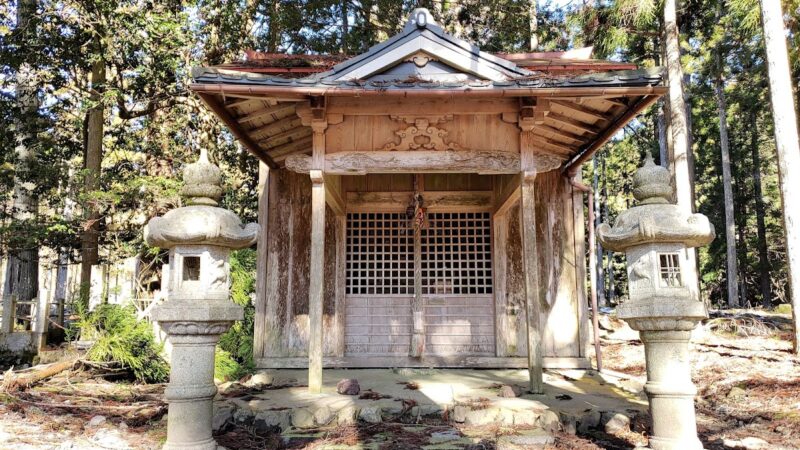
The grounds of Omori Kamo Shrine are located in a quiet mountainous area. Surrounded by coniferous forests of cedar and cypress, it is a place filled with pure air where the sound of the clear waters of the Kiyotaki River can be heard.
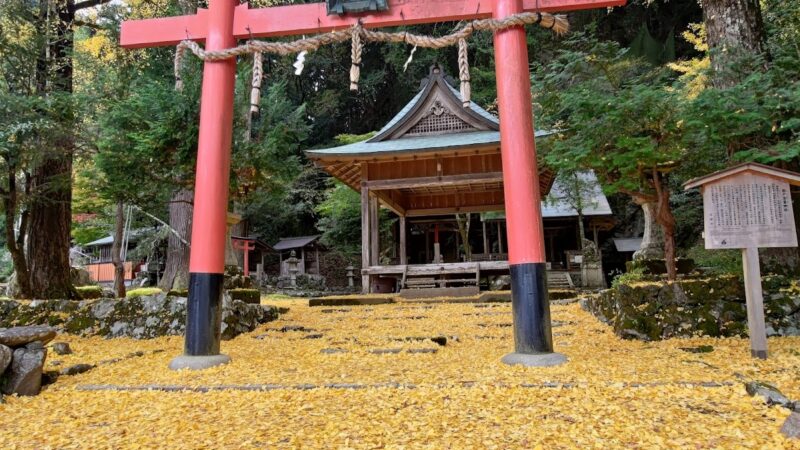
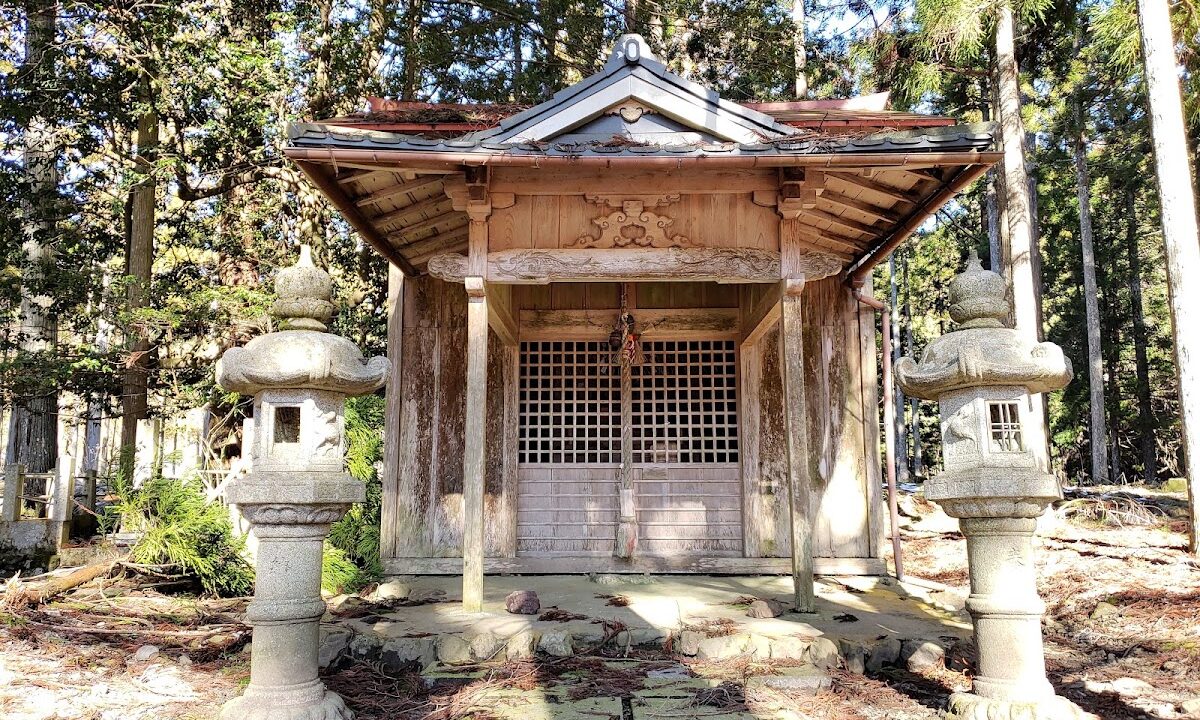
The shrine grounds contain the main hall, worship hall, and other shrine buildings, presenting a neat and orderly appearance despite its small size. The stone steps and approach, made of natural stones, create an atmosphere befitting a mountain shrine.
Source of the Kiyotaki River
The most distinctive feature of Omori Kamo Shrine is its location in the headwaters of the Kiyotaki River. The Kiyotaki River is one of the important rivers flowing through Kyoto City and has played an important role as a water source for Kyoto since ancient times. Around the shrine, you can hear the sound of the clear stream, creating an environment befitting a shrine dedicated to the water god.
Nature Through the Seasons
Located in a mountainous area, Omori Kamo Shrine offers beautiful natural scenery throughout the four seasons.
- Spring: New greenery sprouts, and wildflowers bloom.
- Summer: Surrounded by deep greenery, the cool air is refreshing.
- Autumn: Autumn leaves adorn the shrine grounds, their beauty shining through the tranquility.
- Winter: The snow-covered grounds are enveloped in a sacred atmosphere.
Access and Visiting Information
Access by Public Transportation
Using the Eizan Electric Railway:
- Get off at Kibuneguchi Station on the Eizan Electric Railway Kurama Line.
- Approximately 40-50 minutes on foot from the station (approx. 3.5 km).
- Alternatively, take a taxi from Kibuneguchi Station (approx. 10 minutes).
Public transportation access is limited, and the shrine is quite a distance from Kibuneguchi Station. Bus routes do not reach the vicinity of the shrine, so walking or taking a taxi is necessary.
Access by Car
From Kyoto city center, head north on National Route 477 towards Omori. Setting your car navigation system to “1 Omori Higashi-cho, Kita-ku, Kyoto City” or “Omori Citizens’ Farm” is recommended.
The road is a narrow mountain road, so please drive with caution. In winter, there is a possibility of snow and ice, so it is recommended to check road conditions in advance.
Parking Information
There is no large dedicated parking lot for the shrine, but there are a few parking spaces near the grounds. It may get crowded during peak seasons, so it is recommended to visit with plenty of time to spare.
Points to Note When Visiting
- Due to the mountainous location, cell phone reception may be poor.
- Insect repellent is recommended due to the rich natural environment (especially in summer).
- Please wear comfortable walking shoes when walking on mountain paths.
- Please take sufficient precautions against the cold in winter.
- It is recommended to prepare drinking water and snacks in advance.
Nearby Tourist Attractions
Kifune Shrine
Located south of Omori Kamo Shrine, Kifune Shrine is a nationally renowned shrine dedicated to the god of water. Situated on the banks of the clear Kifune River, it is also known as a shrine for matchmaking. It is also famous for its summer riverside dining.
Kurama-dera Temple
Kurama-dera Temple, within walking distance of Kurama Station on the Eizan Electric Railway, is known as an ancient temple associated with Ushiwakamaru (Minamoto no Yoshitsune). It is a mountain temple where you can experience the nature and history of Mount Kurama.
Omori Community Farm
Located very close to the shrine, this community farm is a place where Kyoto residents enjoy growing vegetables. You can enjoy the peaceful scenery of a mountain village.
Value as a Shikinaisha Shrine
What is the Engishiki Jinmyocho?
The Engishiki Jinmyocho is a list of shrines found in the ninth and tenth volumes of the Engishiki, compiled in 927 during the mid-Heian period. At that time, it listed shrines throughout the country that were recognized as official shrines by the imperial court, and being listed as a Shikinaisha shrine indicated a high rank.
Shikinaisha Shrines in Kadono District
In “Kadono District, Yamashiro Province,” where Omori Kamo Shrine is listed, there were several Shikinaisha shrines. Among them, the shrine listed as “Dakawa Mikami Shrine” is believed to be the current Omori Kamo Shrine.
The name “Dakawa” is interpreted as representing the confluence of the Kiyotaki River and Nishino River, where the water plunges down, and is said to indicate the topographical features of the former shrine location.
Historical Significance
Being a Shikinaisha (a shrine listed in the Engishiki, an ancient Japanese legal code) is evidence of its long history dating back to the Heian period. Having attracted local faith for over a thousand years and functioning as a guardian deity of water sources, Omori Kamo Shrine occupies an important position in Kyoto’s religious and water management history.
History and Culture of the Omori Region
Origin of the Name Omori
There are several theories regarding the origin of the name “Omori,” but the most likely explanation is that it was named after the vast forest area. Indeed, the surrounding area is still covered in lush forests today.
Integration of Three Villages
As mentioned above, Omori consisted of three villages: Higashikawachi, Nishikawachi, and Nakamura. These villages, with forestry and agriculture as their main industries, played a vital role in supporting Kyoto’s water resources as a source area for the Kiyotaki River.
Relationship with the Tanba Road
The Omori region was located along the road connecting Kyoto to Tanba Province (present-day central Kyoto Prefecture to eastern Hyogo Prefecture). The fact that the former shrine site was located along a highway suggests that it also served as a place of worship for praying for safe travel.
Worship as a Water Deity
Water Source Worship in Kyoto
Kyoto is a basin surrounded by mountains on three sides, blessed with abundant groundwater and river water. The Kiyotaki River is one of its important water sources, and Omori Kamo Shrine has been revered as a deity protecting the water source.
Spread of Seoritsuhime Worship
Seoritsuhime is a deity who appears in the Great Purification Prayer as one of the four Harai-do deities. As a goddess symbolizing the purifying power of water, she is enshrined at water source sites and along rivers throughout Japan. The worship of Seoritsuhime at Omori Kamo Shrine is closely linked to its geographical location as the source of the Kiyotaki River.
Water Source Protection in Modern Times
Even in modern times, protecting the water source in the Kiyotaki River basin remains an important issue. Omori Kamo Shrine continues to hold significance as a place to express gratitude for the blessings of water and to convey the importance of cherishing water sources.
Etiquette and Manners for Visiting a Shrine
Basic Etiquette for Visiting a Shrine
- Bow before passing through the torii gate: This is a courtesy before entering the sacred area.
- Avoid walking in the center of the path: The center is considered the path of the gods.
- Purify yourself at the water basin: Purify your left hand, right hand, and mouth in that order.
- Bow twice, clap twice, and bow once in front of the main hall: This is the basic Shinto way of worship.
Points to Note at Mountain Shrines
Omori Kamo Shrine is located in a mountainous area, so please pay attention to the following points.
- Respect the natural environment: Always take your trash with you.
- Beware of wild animals: Do not approach them unnecessarily or feed them.
- Refrain from collecting plants: Let’s protect the natural environment of the sacred area.
- Maintain silence: Worship quietly without raising your voice.
Regarding Photography
Photography is generally permitted on the shrine grounds, but please observe the following manners.
- Do not take photographs in areas where photography is prohibited, such as inside the main shrine.
- Please be considerate of other visitors.
- Please use tripods sparingly.
- Obtain permission in advance for commercial use.
The shrine grounds, rich in nature, offer beautiful scenery throughout the seasons, making it a popular spot for photography enthusiasts. Especially during the seasons of fresh greenery and autumn leaves, you can capture magnificent natural beauty in photographs.
The Significance of Visiting Omori Kamo Shrine
Dialogue with History
Omori Kamo Shrine, listed in the Engishiki Jinmyocho (a list of shrines compiled in the Heian period), boasts a history of over a thousand years. Visiting this shrine is a valuable opportunity to experience Japan’s ancient faith and culture.
Harmony with Nature
Near the headwaters of the Kiyotaki River, a rich natural environment, you can appreciate the blessings of water and feel harmony with nature. Leaving the hustle and bustle of the city and spending time quietly contemplating nature will be a valuable experience for modern people.
Understanding Local Culture
Omori Kamo Shrine, as the tutelary shrine of the Omori region, is deeply intertwined with the history and culture of the area. Through this shrine, one can understand the lives and beliefs of the people living in the mountainous regions of Kyoto.
Summary
Omori Kamo Shrine is a Shikinaisha (a shrine listed in the Engishiki) located in the mountainous area of Kita Ward, Kyoto City, near the headwaters of the Kiyotaki River. Its main deity is Seoritsuhime, the goddess of water, and it has been worshipped since ancient times as the protector of Kyoto’s water sources.
Despite being a historical shrine listed in the Engishiki Jinmyocho (a list of shrines compiled in the Heian period), its remote mountain location means it doesn’t attract many visitors. However, this tranquility allows for a peaceful visit, a chance to reflect on nature and history.
While access is somewhat inconvenient, combining a visit with sightseeing in the Kibune or Kurama areas will allow you to discover the profound charm of Kyoto. As a place to express gratitude for the blessings of water and to purify the soul, Omori Kamo Shrine is a shrine well worth visiting.
Why not take a trip to Kyoto to visit its hidden gems and be soothed by a thousand years of history and the pure flow of water?