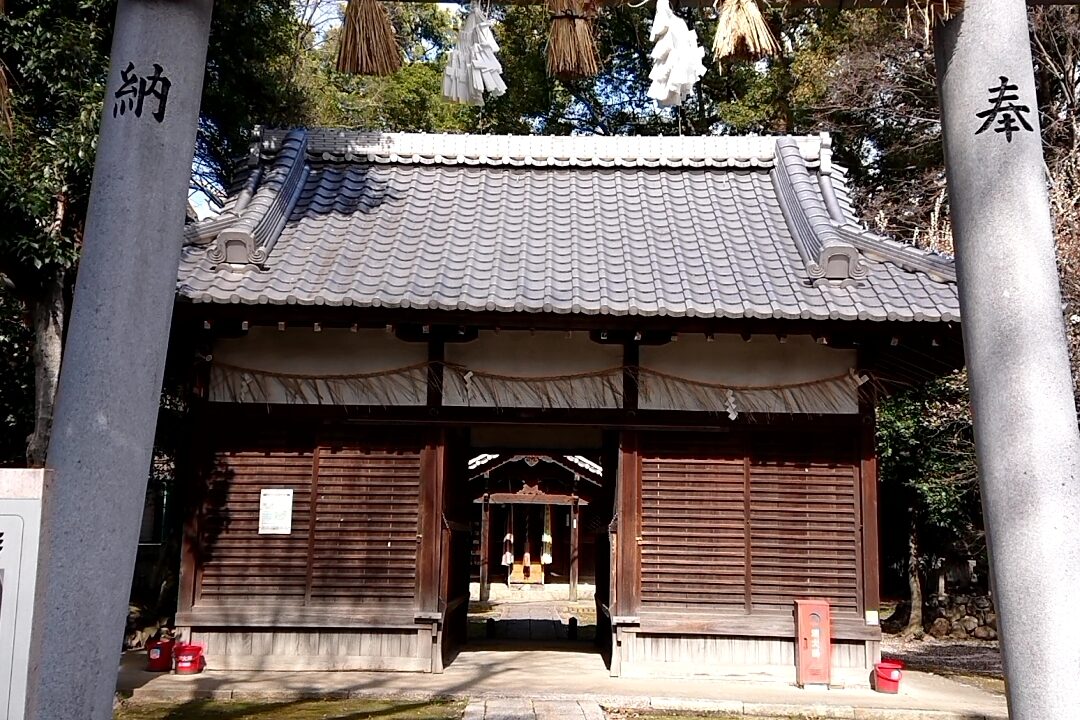
Complete Guide to Kurakake Shrine (Kyoto Prefecture): History and Visiting Information for the Ancient Shrine in Kuze Dedicated to Kumen Daimyojin
Located in Higashitsuchikawa-cho, Kuze, Minami-ku, Kyoto City, Kurakake Shrine is a historic shrine dedicated to Kurakake-no-kami, the god of agriculture, and Kumen Daimyojin (Benzaiten). Also known as “Kuragari no Miya-han,” it has long been revered by the local community. This article comprehensively covers everything you need to know for your visit, from the history of Kurakake Shrine, its enshrined deities, blessings, highlights of the grounds, to detailed access information.
Basic Information about Kurakake Shrine
Location: 30, Kuze Higashitsuchikawa-cho, Minami-ku, Kyoto City, Kyoto Prefecture 601-8204
Shrine Rank: Village Shrine
Main Deity:
- Kurakake-no-kami
- Kumen Daimyojin (Benzaiten)
Founding: Said to be in the 10th year of Emperor Tenji’s reign (671 AD)
Shrine Reconstruction: Kanbun 5th year (1665 AD)
Cultural Property Designation: Kyoto City Designated Cultural Property Environmental Preservation Area
Kurakake Shrine is located in the Kuze district of Minami-ku, Kyoto City, an area between the Katsura River and the Kamo River. This area has long been a center of agriculture, with a deeply rooted agricultural culture centered on rice cultivation. Kurakake Shrine is a shrine with a long history, deeply connected to the local agriculture as a tutelary deity.
History and Origins of Kurakake Shrine
A Place of Worship Since Ancient Times
While one theory suggests that Kurakake Shrine was founded in the 10th year of Emperor Tenji’s reign (671 AD), detailed records are not available. However, it is believed that the shrine originated when people who settled in this area began rice cultivation, built a rice storehouse, and prayed for a bountiful harvest.
The name of the enshrined deity, “Kurakake-no-kami,” is thought to derive precisely from this rice storehouse. In ancient Japan, storehouses for storing harvested grain were not merely storage facilities, but were treated as sacred places. The belief that a god resided in a storehouse is an ancient form of agricultural belief found throughout Japan, and Kurakake Shrine is a typical example.
Reconstruction of the Shrine Building During the Kanbun Era
The current shrine building was rebuilt in the 5th year of the Kanbun era (1665). During this period in the mid-Edo period, agricultural production in the Kuze area was stable, and the local community was developing. The reconstruction of the shrine building demonstrates the deep faith and economic prosperity of the local people.
The main shrine and surrounding buildings are valuable cultural assets that preserve the architectural style of the Edo period, and as a whole, they maintain an excellent landscape. For this reason, they have been designated and protected as a Kyoto City designated cultural property environmental preservation area.
Origin of “Kuragari no Miya-han”
Kurakake Shrine is affectionately known locally as “Kuragari no Miya-han” (Dark Shrine). There are several theories about the origin of this name, but it is believed to have originated from the fact that large trees grow throughout the shrine grounds, creating a dim atmosphere even during the day.
The large trees on the grounds tell the story of the shrine’s long history and are an important element in creating a sacred atmosphere. These trees are also one of the reasons for the designation as an environmental preservation area, and are protected as a valuable green space in Kyoto City.
Deities and Blessings
Kurakake-no-Kami (Kurakake God)
Kurakake-no-Kami is the god of agriculture who presides over abundant harvests. When the people who settled in this region began rice cultivation, they built storehouses to store the harvested rice, and the deity residing in these storehouses came to be worshipped.
Benefits:
- Abundant harvests
- Agricultural prosperity
- Business success (rice merchants, food-related industries)
- Family safety
- Industrial development
Kurakake-no-kami, as an ancient form of agricultural deity, is an important god deeply connected to the foundation of Japanese rice cultivation culture. Even today, it attracts devotion not only from those involved in agriculture but also from those working in food-related industries.
Kyumen Daimyojin (Benzaiten)
Another deity enshrined at Kurakake Shrine is Kyumen Daimyojin. This is another name for Benzaiten, a goddess who bestows wisdom, good fortune, and wealth, and has long been revered.
Benzaiten originally originated as Saraswati, the river goddess of India. After being introduced to Japan, she became one of the Seven Lucky Gods, widely worshipped as the goddess of music, performing arts, learning, and wealth.
Benefits:
- Enhancement of wisdom
- Academic success
- Improvement in performing arts
- Increased financial fortune
- Business prosperity
- Increased wealth
- Improvement of eloquence and rhetoric
The “nine faces” in the name Kyumen Daimyojin have various interpretations, but are thought to represent a god with multifaceted virtues, or perhaps a syncretism with Kannon Bodhisattva, who has nine faces.
At Kurakake Shrine, by enshrining both Kurakake-no-kami, the god of agriculture, and Benzaiten, the goddess of wisdom and wealth, it is a balanced place of worship where people pray for both material and spiritual abundance.
Highlights of the Shrine Grounds
Torii Gate and Shrine Name Plaque
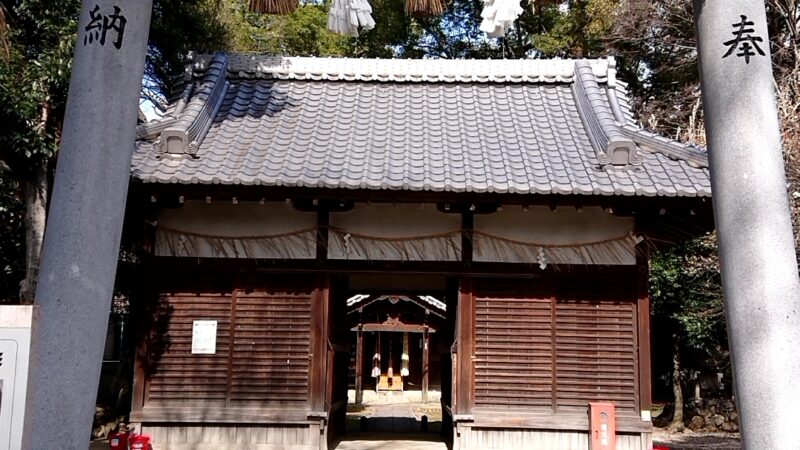
The torii gate of Kurakake Shrine bears a plaque bearing the shrine name “Kurakake Daimyojin.” This plaque not only displays the official name of the shrine but also plays an important role in guiding visitors into the sacred grounds.
Upon passing through the torii gate, you immediately feel the unique atmosphere of the shrine grounds. Surrounded by large trees, the quiet space, despite being in an urban area, is filled with a sacred atmosphere that feels like another world.
Main Hall and Shrine Architecture
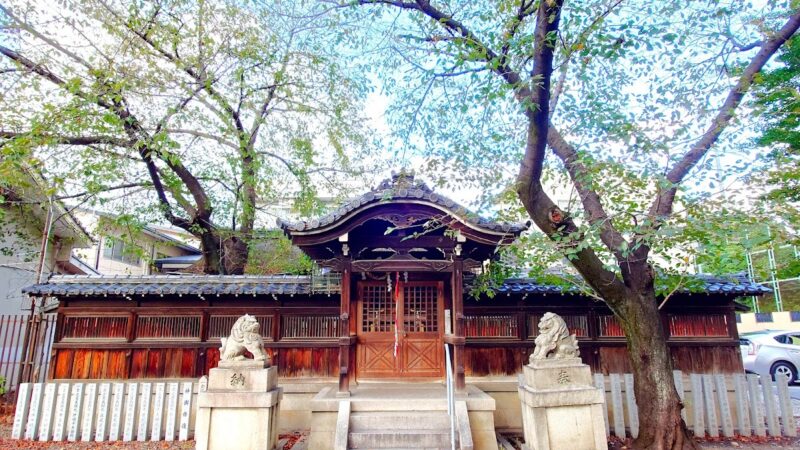
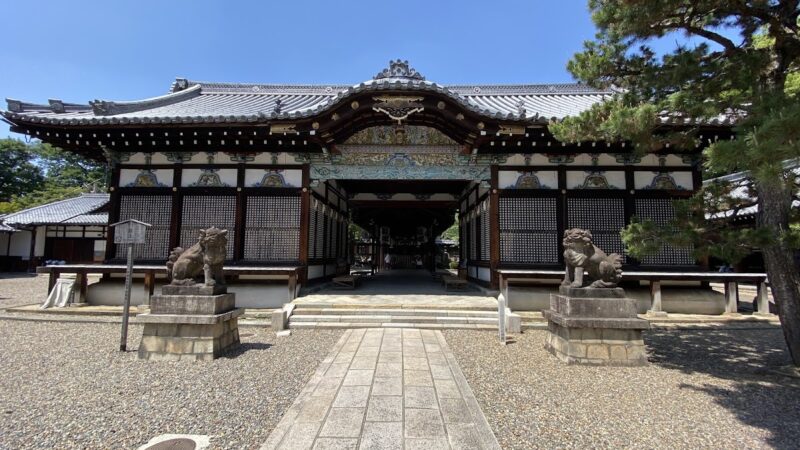
The main hall, rebuilt in 1665 (Kanbun 5), retains many characteristics of shrine architecture from the mid-Edo period. The architectural style of the main hall was designed with harmony with the surrounding buildings in mind, creating an excellent overall landscape.
The shrine buildings are regularly restored and, despite having a history of over 350 years, remain in good condition. The details of the main hall reflect the skills of the craftsmen of the time, making it a fascinating structure for anyone interested in architecture.
Large Trees and Natural Environment on the Shrine Grounds
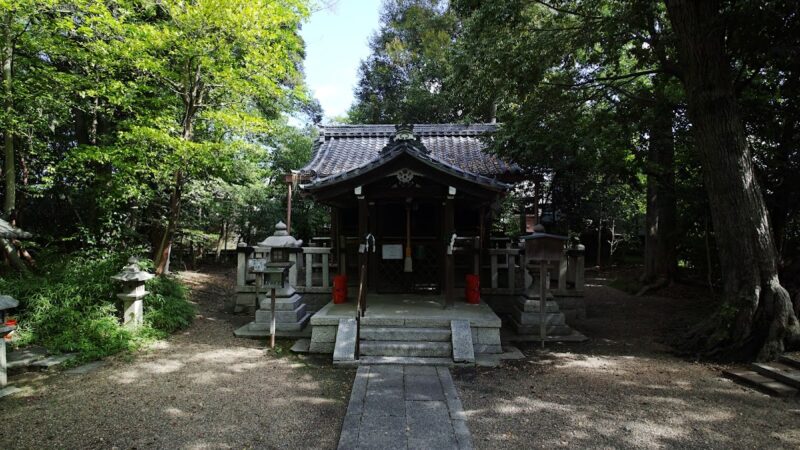
The grounds of Kurakake Shrine are home to several large trees, some estimated to be hundreds of years old. These trees are living witnesses to the shrine’s long history and are the origin of its nickname, “Kuragari no Miya-han” (Dark Shrine).
The trees on the grounds not only contribute to the landscape but also serve as a valuable green space in an urban area, contributing to the preservation of the ecosystem. The shrine’s designation as a Kyoto City Designated Cultural Property Environmental Preservation Area recognizes the value of this natural environment.
Walking through the grounds, one can feel the breath of nature through the dappled sunlight filtering through the trees, the chirping of birds, and the rustling of leaves in the wind. It offers an environment where one can escape the hustle and bustle of the city and offer a peaceful visit.
Subsidiary Shrines and Stone Monuments
Several subsidiary shrines and stone monuments are located around the main shrine building. These were donated by local people over time, demonstrating the deep faith in Kurakake Shrine.
By slowly strolling through the shrine grounds, you can feel the wishes and prayers of the people embodied in each stone monument and shrine.
Access Information
Nearest Station and Walking Route
Kurakake Shrine can be accessed by both train and bus.
From Hankyu Kyoto Line “Katsura Station”:
- Distance: Approx. 2.5km
- Walking: Approx. 30 minutes
- Taxi: Approx. 7 minutes
From JR Kyoto Line “Katsuragawa Station”:
- Distance: Approx. 2km
- Walking: Approx. 25 minutes
- Taxi: Approx. 6 minutes
If walking, the route along the Katsura River is recommended as you can enjoy the scenery while visiting the shrine. However, the sun is strong in the summer, so it’s a good idea to bring a hat and water.
Nearest Bus Stop and Route
Kyoto City Bus:
- Nearest bus stop: “Kuzebashi Nishizume” or “Kuze”
- Routes to use: South 5 line, Special South 5 line
- From bus stop to shrine: Approximately 5-7 minutes on foot
From Kyoto Station:
- Take the South 5 line from platform C4 at Kyoto Station Bus Terminal
- Get off at “Kuzebashi Nishizume” or “Kuze”
- Approximately 5-7 minutes on foot from the bus stop
Yasaka Bus:
- Nearest bus stop: “Kuze”
- From bus stop to shrine: Approximately 5 minutes on foot
Bus timetables may vary depending on the season and day of the week, so it is recommended to check the Kyoto City Transportation Bureau website or various transfer guidance apps in advance.
Access by Car and Parking
Access by Car:
- Approximately 10 minutes from the Kyoto Minami Interchange on the Meishin Expressway
- Accessible from National Route 171
Parking:
There is no dedicated parking lot on the shrine grounds, but there are several coin-operated parking lots nearby. However, since the number of spaces is limited, we recommend using public transportation.
When visiting, please be considerate of the residents, as the shrine is located in a residential area, especially if you are visiting by car.
Etiquette and Manners for Worship
Basic Worship Etiquette
When visiting Kurakake Shrine, please observe the following basic etiquette.
- Bow at the Torii Gate: Bow before passing through the torii gate to show respect for entering the sacred area.
- Purification at the Water Basin: If there is a water basin, purify yourself according to the following procedure.
- Take the ladle in your right hand and wash your left hand.
- Switch the ladle to your left hand and wash your right hand.
- Take the ladle back in your right hand, receive water in your left hand, and rinse your mouth.
- Finally, hold the ladle upright and rinse the handle.
- Walking the Path: The center of the path is considered the path of the gods, so it is polite to walk along the edges.
- Worship at the Main Hall:
- Quietly place your offering.
- Two bows, two claps, one bow (two deep bows, two claps, one deep bow).
- Quietly express your wish in your heart.
- Bow Upon Exit: When leaving the torii gate after finishing your worship, turn around and bow once.
Precautions During Worship
- Be Quiet: Please refrain from speaking loudly or making noise within the shrine grounds.
- Photography Etiquette: Photography is generally permitted, but consideration for the interior of the main shrine and other visitors is necessary.
- Bringing Pets: Regulations vary by shrine, so it is advisable to check in advance.
- Smoking and Eating: Smoking is strictly prohibited on the shrine grounds. Please refrain from eating and drinking outside of designated areas.
- Taking Your Trash Home: Please take your trash home with you and help keep the shrine grounds clean.
Annual Events and Festivals
Kurakake Shrine holds various festivals and events throughout the year. For the local people, these events are important opportunities to feel the changing seasons and reaffirm the bonds of community.
Main Annual Events
Annual Festival:
This is the most important festival of Kurakake Shrine, held at a fixed time each year. During the annual festival, the portable shrine is paraded through the community, and prayers are offered for a bountiful harvest and the safety of the region.
New Year’s Day Festival (Saitansai):
This festival celebrates the start of the new year and prays for peace throughout the year. Many visitors come for their first shrine visit of the year on New Year’s Day.
Setsubun Festival:
This traditional event is held the day before the beginning of spring, and may include bean-throwing ceremonies.
Autumn Grand Festival:
This festival celebrates the harvest season and gives thanks for the year’s bountiful harvest. It is a particularly important event for Kurakake Shrine, which enshrines the god of agriculture.
Please note that detailed dates and event contents may change from year to year, so it is recommended to check before visiting.
Nearby Attractions and Tourist Spots
When visiting Kurakake Shrine, exploring the surrounding tourist spots will allow you to experience the charm of Kyoto more deeply.
Around the Katsura River
The Katsura River, close to Kurakake Shrine, is one of Kyoto’s representative rivers. A promenade is maintained along the river, allowing you to enjoy walks and cycling. Cherry blossoms are beautiful in spring, and autumn leaves are in full color, allowing you to enjoy the scenery of each season.
Historical Walk in the Kuze District
Besides Kurakake Shrine, the Kuze district is dotted with historical temples, shrines, and historical sites. A stroll through the area allows you to learn about the ancient rural culture and an aspect of Kyoto’s history.
Katsura Imperial Villa
A short trip away lies Katsura Imperial Villa, considered one of the finest examples of Japanese gardens. While reservations are required, it’s a valuable place to experience the essence of Japanese architecture and garden beauty.
Cultural Value of Kurakake Shrine
Kurakake Shrine is designated as a Kyoto City Cultural Property Environmental Preservation District, possessing high cultural value.
Significance as an Environmental Preservation District
Kyoto City’s environmental preservation district system aims to preserve historical buildings and their surrounding environments as a whole. In the case of Kurakake Shrine, the rebuilt shrine building from the Edo period, the trees covering the grounds, and the surrounding landscape are valued for forming an excellent historical environment together.
Value of Green Space in an Urban Area
Despite being located in the urban area of Minami Ward, Kyoto City, the grounds of Kurakake Shrine are surrounded by lush greenery. This area, as a valuable green space in the city, possesses multifaceted value, including ecosystem preservation, mitigation of the urban heat island effect, and function as a place of relaxation for residents.
Role as a Core of the Local Community
Kurakake Shrine is not merely a historical building; it continues to play an important role as a core of the local community. Through festivals and events, it serves as a place for interaction among local residents and a place for the transmission of traditional culture.
This aspect as a “living cultural asset” is one of the great values of Kurakake Shrine.
How to Enjoy Visiting Kurakake Shrine
Seasonal Charms
Spring: The trees in the shrine grounds are enveloped in fresh greenery, creating a vibrant atmosphere. During cherry blossom season, you can enjoy cherry blossom viewing along the nearby Katsura River.
Summer: The shrine grounds, covered with large trees, offer plenty of shade, providing a cool and refreshing feeling. This is the season when you can best appreciate the origin of its nickname, “Kuragari no Miya-han” (Dark Shrine).
Autumn: The autumn leaves are beautiful, and the shrine grounds are painted in shades of red and yellow. It’s also harvest season, and as a shrine dedicated to the god of agriculture, events such as the Autumn Grand Festival are held.
Winter: The shrine grounds, enveloped in silence, take on an even more sacred atmosphere. On New Year’s Day, it’s bustling with people praying for their wishes for the new year.
Photography Tips
Kurakake Shrine is a great spot for photography.
- Torii Gate and Shrine Name Plaque: As an iconic image of the shrine, it’s recommended to photograph it from the front.
- Large Trees in the Grounds: Capturing the light filtering through the trees creates a mystical atmosphere in your photos.
- Main Hall: You can record the architectural beauty of the Edo period.
- Sunlight Filtering Through the Trees: To express the atmosphere of “the shrine in the darkness,” focus on capturing the sunlight filtering through the trees.
When taking photographs, please be considerate of other worshippers and avoid entering restricted areas.
Summary: The Charm and Significance of Visiting Kurakake Shrine
Kurakake Shrine is a shrine with a rich history and tradition, deeply rooted in the Kuze area of Minami Ward, Kyoto City. It enshrines Kurakake-no-kami, the god of agriculture, and Kumen Daimyojin (Benzaiten), the goddess of wisdom and wealth, and has attracted the faith of people seeking material and spiritual prosperity.
While boasting a long history dating back to the time of Emperor Tenji, it remains a core part of the local community, deeply intertwined with people’s lives. The landscape, created by the shrine buildings rebuilt during the Edo period and the large trees covering the grounds, is protected as a Kyoto City designated cultural property environmental preservation area, forming a valuable historical and natural environment in an urban area.
Kurakake Shrine, affectionately known as “Kuragari no Miya-han” (Dark Shrine), is a place enveloped in tranquility and sacredness, offering a peaceful escape from the hustle and bustle of everyday life and a place to worship in peace. Many people visit seeking various blessings, including abundant harvests, business prosperity, improved wisdom, and increased wealth.
When sightseeing in Kyoto, visiting not only famous temples and shrines but also local shrines like Kurakake Shrine will allow you to experience the diverse charms of Kyoto and the traditional aspects of Japanese faith. Easily accessible from Hankyu Katsura Station and JR Katsuragawa Station, Kurakake Shrine offers a serene environment for worship, making it a must-visit spot when exploring southern Kyoto.
As a place of long-standing agricultural worship and a spiritual haven for the local community, Kurakake Shrine stands quietly today. Spending time praying in its grounds, surrounded by nature and steeped in history, will surely be a memorable experience.